Commercial Roofing Services

Investigate commercial roof leaks in Torrance with located observations, suitable testing and a defined repair boundary for the examined roof details.
A repeated leak complaint during a lease review in Torrance, CA needs a defined investigation before the asset manager can assign responsibility or approve permanent work. Interior observations, rooftop equipment and membrane details may point to different water paths. We begin with reported locations and available history, then connect accessible roof findings to those observations. A suspected entry remains a working explanation until the examination supports it.
The useful record says what was found, what was tested and what the repair actually addressed.
Water rarely drops straight down. On a low-slope roof it enters at one point, then runs along the top of the deck, between insulation boards or down the flutes of a metal deck before it finds a gap and appears inside. A ceiling stain therefore marks where the water finished its journey, not where it started. We begin inside, mapping every stain and drip with a reference photograph, and then take that map to the roof.
The ranking is the first deliverable. It tells the owner which details are in the lead before anyone touches a tube of sealant.
A controlled water test can investigate selected details when introducing water is safe for the occupied building. We agree on the test area, interior observation points and stopping conditions before starting. Small zones are evaluated in sequence rather than flooding unrelated details together. If the building cannot accept that risk, the investigation uses accessible inspection and other appropriate methods instead.
Electronic leak detection is another possible tool, but its suitability depends on the assembly and required electrical path. The proposal identifies the applicable method and its limits before testing. We record where water was applied or an instrument used, the observed response and any unresolved alternatives. A negative result at one detail does not clear the entire roof.
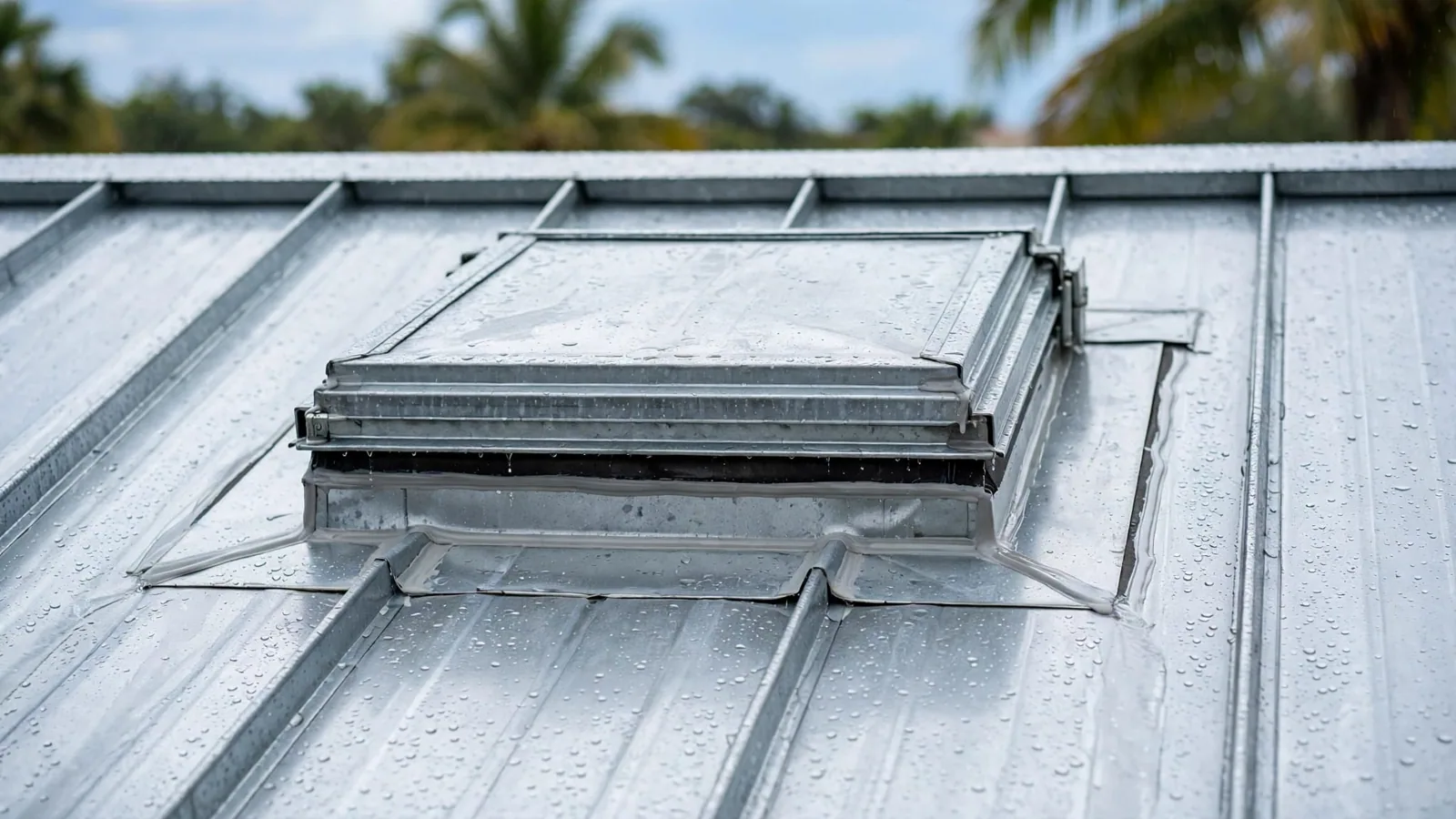
The repair erases the evidence, so the evidence is captured first. We photograph the failed detail from three distances, including a close frame showing the exact split, gap or missing fastener, and a wide frame that fixes its position on the roof. Moisture readings are taken around the entry point to investigate suspect moisture around the accessible detail, and the readings go on the plan beside the photograph.
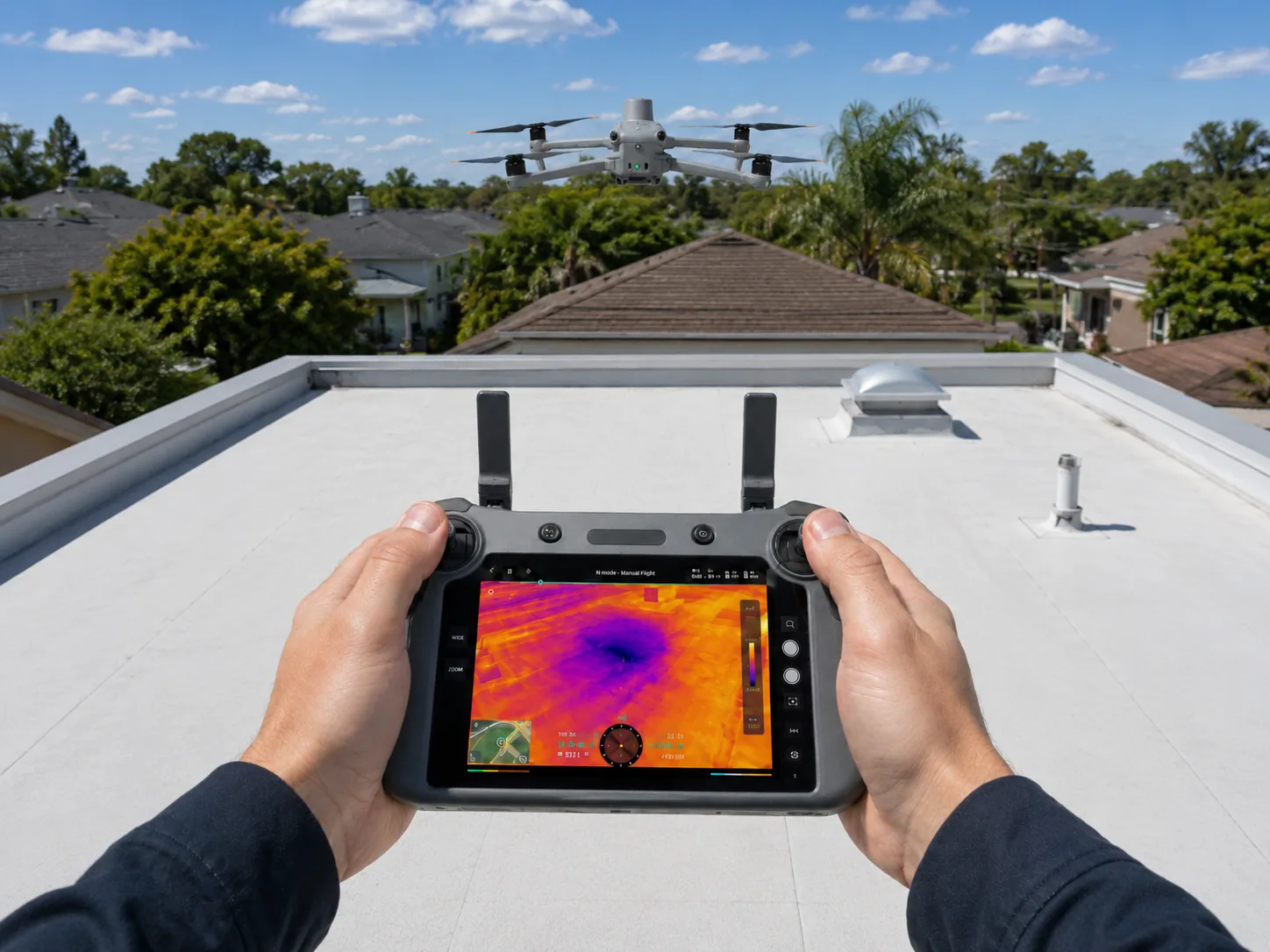
A leak that has been active through a few storms often has wet insulation around it. When the readings show moisture beyond the immediate repair area, we recommend a wider check with an infrared moisture survey instead of closing the roof over damp material. Repairs to failed flashing and punctured membrane require different repair methods based on the examined construction.
A split flashing or open seam can be accompanied by deteriorated material nearby. We examine the accessible receiving area and locate any additional defect that would remain after the proposed repair. Visible corrosion, displaced hardware or failed coating receives a separate description. The evidence establishes observed condition; it does not establish that weather or coastal exposure caused the leak.
A repair to the entry point can stop one water path while leaving wet insulation or another source unresolved. We explain which materials will be opened and how suspect moisture will be assessed. Where the question extends beyond the detail, further survey work is described as an additional investigation rather than folded into a promise that one patch will settle the entire complaint.
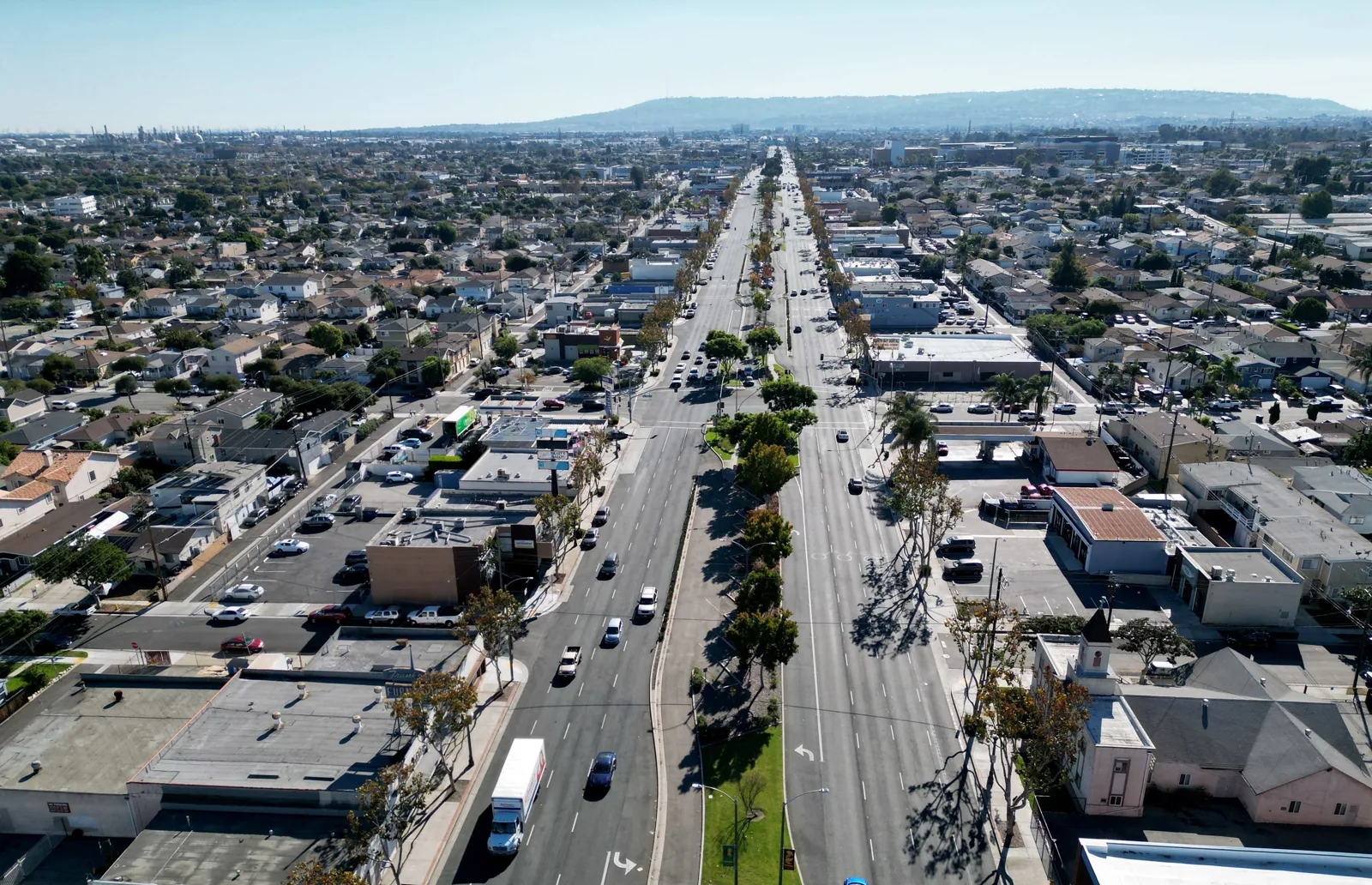
Del Amo Fashion Center in Torrance supplies a retail reference for the Hawthorne Boulevard Corridor. At an occupied commercial property nearby, the leak investigation should identify the affected suite and the interior route needed for observation. The property manager confirms access restrictions and equipment protection before water testing is considered.
Torrance Commerce Center appears in a dated 2021 Phase II industrial development account. Industrial leak work for a subject building needs current information about goods, tenant equipment and safe access, not inferred roof conditions from that account. Interior protection and roof diagnosis have distinct responsibilities. The scope assigns those responsibilities so an inspection window does not disrupt an operation unexpectedly.
After repair, we evaluate the completed detail using a suitable inspection or agreed test. Repeating a controlled water test is useful only when the assembly and interior conditions permit it. The report locates the addressed detail, describes the repair and states whether the observed water entry recurred during that evaluation. Untested weather conditions and inaccessible portions remain identified.
The same record can support insurance claim documentation without deciding coverage or substituting for an adjuster assessment. For an active leak requiring prompt action, emergency response is available at night and through weekends. Safe access and actual site conditions determine what can be stabilized before permanent work is scheduled.
A leak investigation should begin with the time, weather and interior location of the reported water, then work outward to plausible roof details. Trace drainage, seams, walls and penetrations above the affected area without assuming the leak enters directly overhead. Use a controlled test only when its boundaries and interior protection are understood by the owner. Photograph the condition before temporary protection or permanent repair changes it. After correction, verify the detail under appropriate conditions and state what that check did and did not confirm. If water remains or concealed materials are wet, define the next investigation instead of repeating an unbounded patch.
Interior coordinates are compared with roof features and accessible construction. Water can travel between layers or along the supporting deck, so alignment alone does not establish an entry point. We inspect candidate details and use an appropriate investigation where needed. The report separates supported findings from remaining possibilities, giving the asset manager a repair boundary that matches the evidence available.
The first reported date, affected interior locations and observations during different conditions can help distinguish repeated entry from residual moisture. We add located roof findings, test methods where used and the repair description. Available earlier records are kept separate from current observations. That distinction helps later review without attributing every stain to a single defect or implying that an insurer has accepted a cause.
Rain can reveal an opening without explaining how the opening developed. Material wear, construction defects, equipment changes and other conditions may need separate investigation. We record observed damage and relevant history while keeping unsupported causation out of the conclusion. The recommended repair addresses the examined construction even when the initiating cause cannot be established from the visit.
Visible damage deserves a compatible repair, but a test is useful only when it can answer an unresolved question safely. We compare the puncture with the interior complaint and accessible surrounding details. If additional water could harm operations, the method changes. The record identifies whether the repair treated observed damage, a demonstrated entry or both, rather than presenting a test as mandatory on every leak.
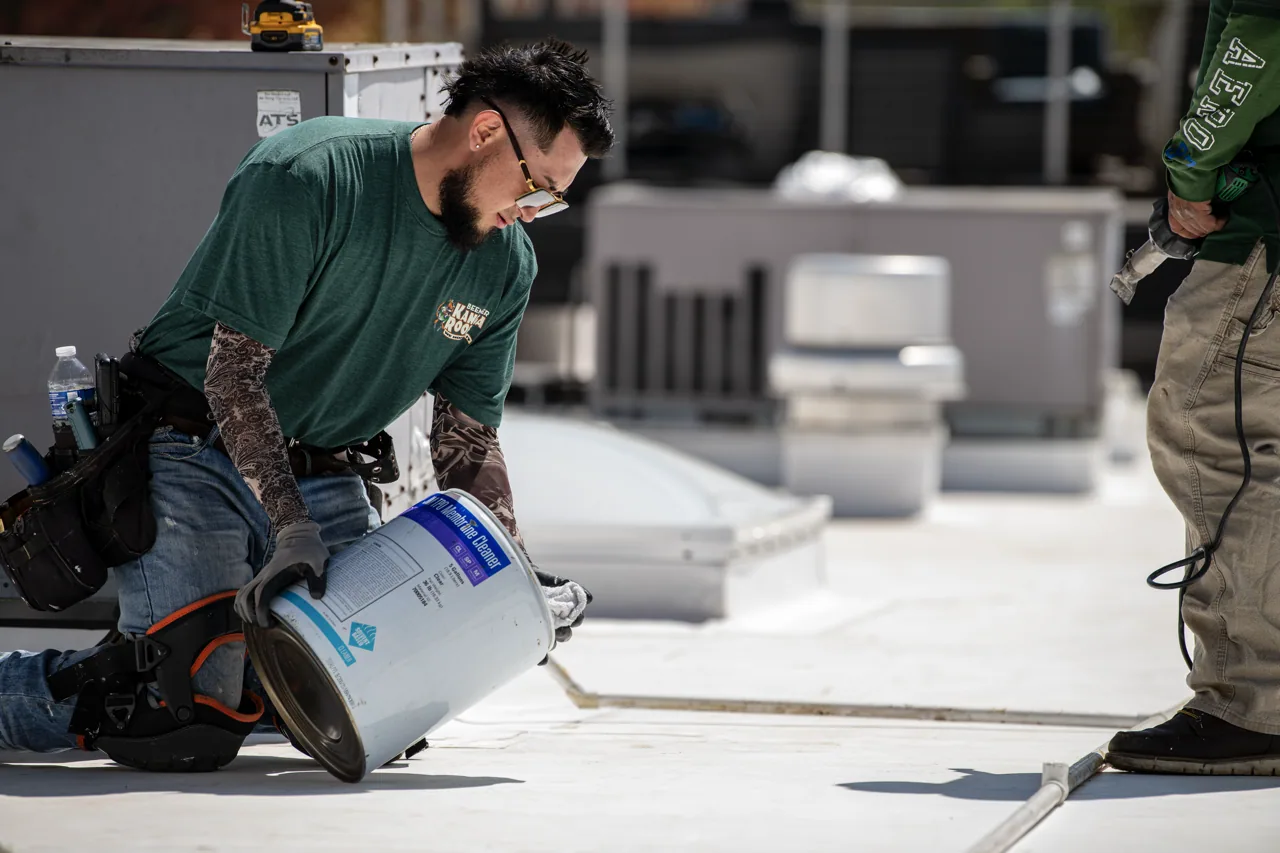
Temporary work receives a location, material description and follow-up recommendation. Surface and access conditions determine when a permanent repair can be installed correctly. We review the provisional detail before replacement and investigate concealed concerns that remain relevant. The final record names what superseded the temporary measure, so the asset manager can distinguish stabilization from the finished roof repair.