Industries We Serve
Give Torrance public agencies located roof evidence, clearly assigned construction tasks and a defensible scope for procurement and field acceptance.
A facilities office preparing a roof work request needs an estimate that another reviewer can understand. For a Torrance public building, the useful starting point is a located condition and the construction it supports. A description of visible damage should lead to a defined task, not an unexplained allowance for the entire roof.
Commercial Roofing Torrance connects that evidence with the proposed scope. We retain inspection limits, related trade responsibilities and the decision still needed from the agency. Procurement review can follow the basis for the amount without depending on an undocumented site conversation.
The agency's acceptance process remains specific to its property. Identify the people responsible for construction, operating access and formal authorization before a planned activity is treated as approved work.
Begin with the reported area, occurrence information and available construction records. Compare those records with the accessible roof. Previous drawings can guide examination while field differences remain explicit findings.
Commercial roof inspection places observations against recognizable building references. Dated, located photos distinguish an inspected seam or penetration from a general roof overview. Include the adjoining material needed to evaluate a correction.
A restricted survey states the restriction. Equipment, unsafe access or an unavailable area may prevent examination. Do not convert that missing access into an implied assessment of hidden construction.
Select further investigation where the unknown could change the procurement scope. Thermal patterns require interpretation and confirmation appropriate to the assembly. Samples establish conditions at their positions. Extending a conclusion across an unexamined section needs additional support suited to that extent.
A baseline is useful when its coverage is stated. It should show what the agency knows and what another approved task must establish.
A repair scope identifies removal, preparation, new material and the receiving boundary. Suitability of that adjoining construction determines whether a localized correction is appropriate. If it is unsuitable, explain the finding that changes the recommendation.
Roof condition reporting retains the evidence behind that choice. The condition grade should have an explained basis. A number alone does not identify the task needed at a damaged connection.
A public-facility restoration proposal needs the retained layers assessed against the preparation and suitability requirements of the selected treatment. For replacement, identify removal and the new assembly alongside connected details. A field-area price is not a complete comparison when each approach needs different preparation.
Carry a conditional quantity separately from measured work. State how discovered deterioration would be documented, measured and submitted for approval. A reviewer should be able to distinguish a justified contingency from an undefined increase.
The defensible scope follows the findings. Building size or a desired procurement amount does not establish how much roof needs removal.
Identify the agency contact controlling access and building operations. The person arranging the inspection may not hold authority to change a service or approve construction. Keep those roles visible in the work request.
General contractor roofing coordination connects related removal, support and interior tasks with the roofing sequence. Specify the task belonging to each party. A broad coordination clause should not conceal unpriced physical work.
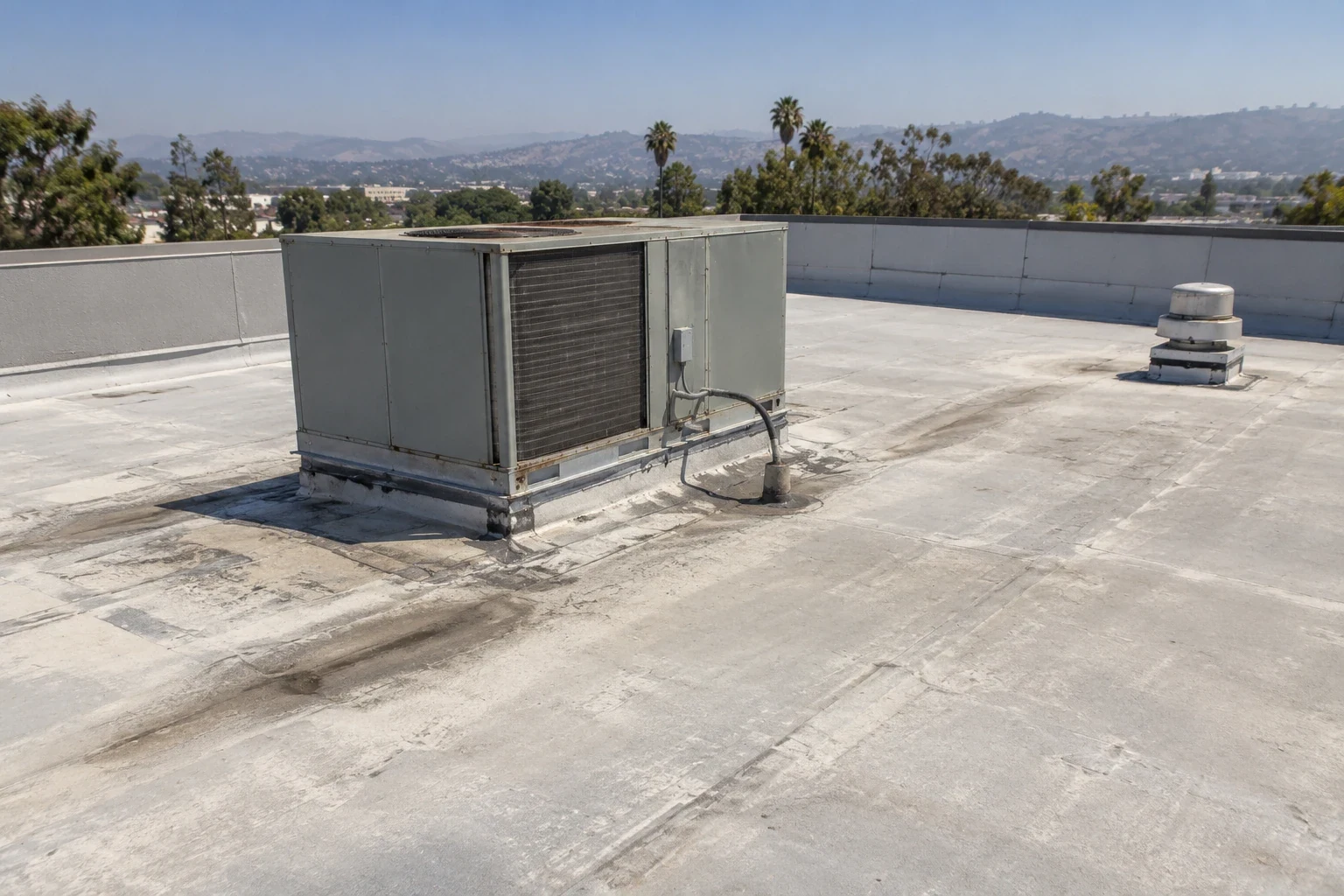
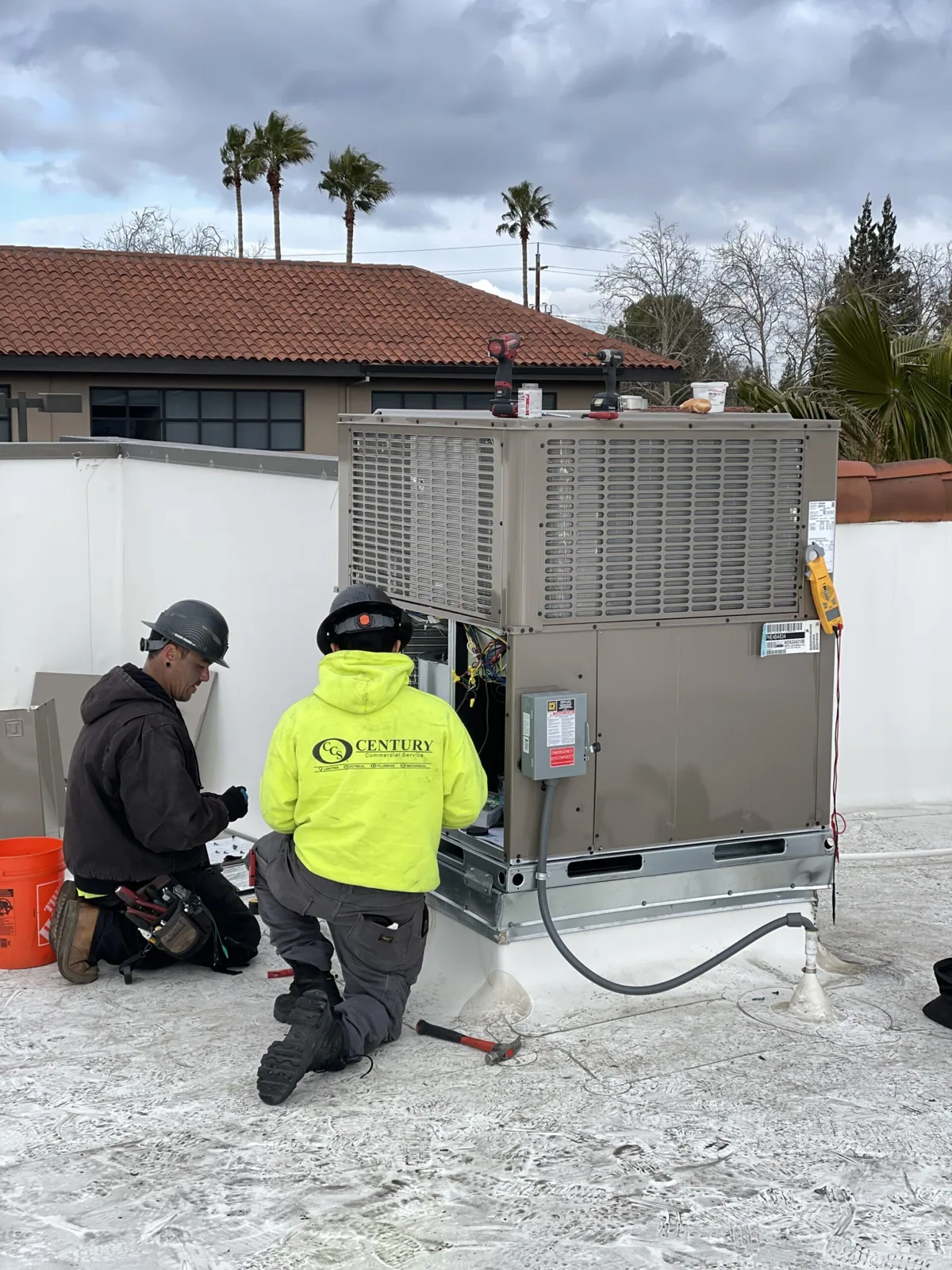
Equipment curb and support coordination requires qualified mechanical, electrical and support trades where their work is involved. The facility representative approves affected service changes. Roofing follows the accepted arrangement rather than assuming roof access permits a shutdown.
Confirm receiving heights and the intended finished connection before equipment placement. Added layers or altered support can affect clearance. Resolve the detail while adjustment remains practicable.
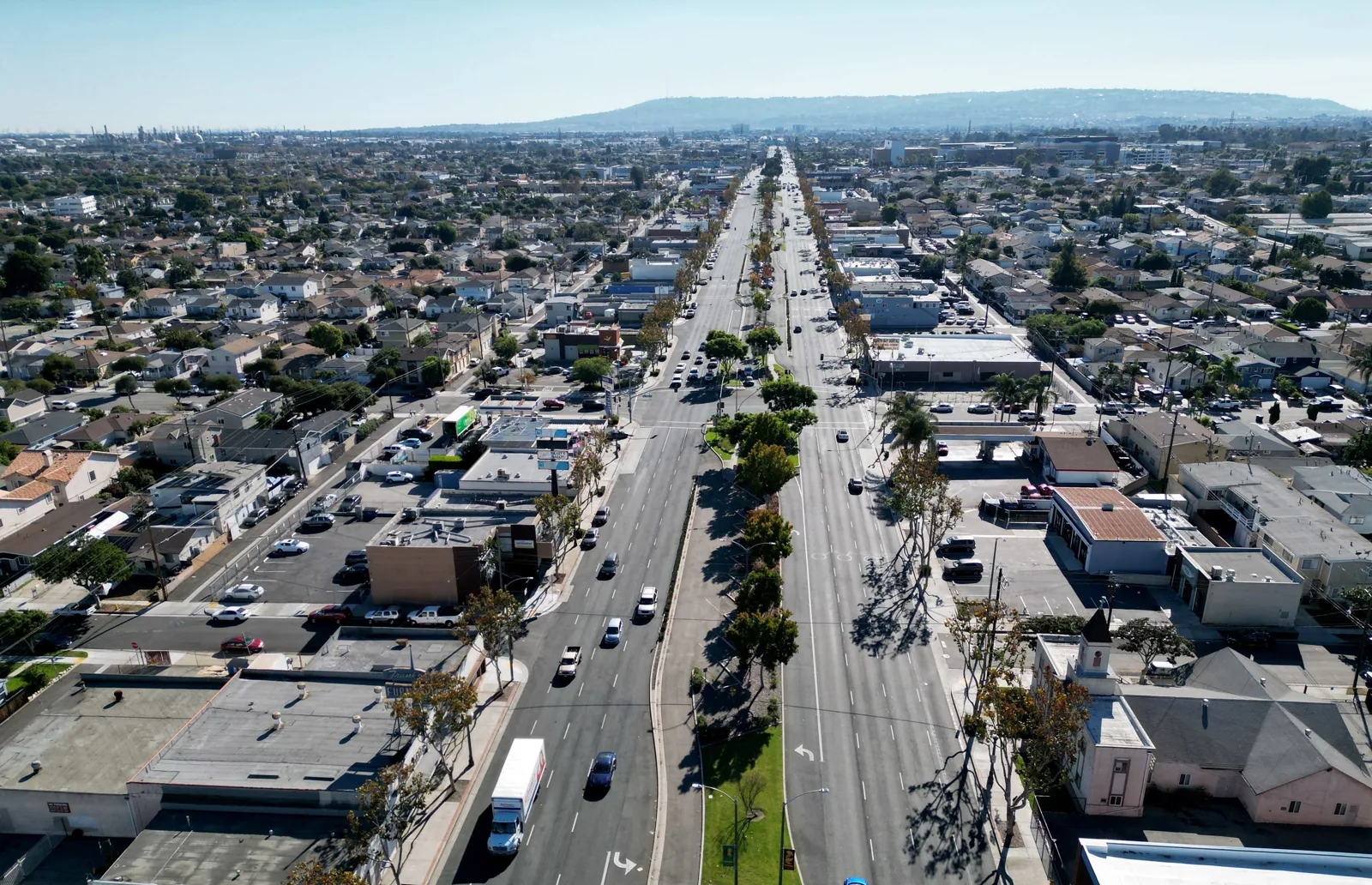
For a property near the Hawthorne Boulevard Corridor, use the actual public-building address. The retail landmark supplies orientation without establishing an agency's operating restrictions or permission to use adjoining premises.
Torrance's public adoption record identifies replacement of the 2022 California building codes with the 2025 editions and local amendments. Determine the authority and accepted application basis for the specific agency property. A public owner can have an approval arrangement that differs from an ordinary private commercial permit.
Energy requirements also depend on the alteration, compliance paths and applicable exceptions. Connect the selected assembly to that review rather than treating a reflective surface label as a complete compliance statement.
The agency's procurement requirements need separate confirmation. Identify the documents, authorization steps and review contacts that apply to this scope. An estimate or inspection report does not establish contract award.
Historical industrial development around Torrance Industrial Area provides another local setting. It does not determine a public facility's roof age, construction quantity or jurisdiction. Use the subject building's evidence for those questions.
Occupied-building roof work defines the affected areas and services before a phase is approved. Public access, staff activities and sensitive contents may require different handling, protection or work periods.
The agency establishes the permitted arrangement. Include repeated setup or other necessary provisions in the line item so the estimate represents the agreed method.
Installation readiness remains subject to weather, substrate and product requirements. A fiscal deadline or booked activity cannot establish suitable conditions. Protection for an incomplete phase needs its own method and responsibility.
Roof capital planning separates the supported immediate correction from later work. Give a deferred concern a reason and reassessment trigger. Keep its future decision distinct from an unresolved quantity needed to complete the current scope.
Retain useful preparation photos before later construction conceals the work. Record installed products, approved quantity adjustments and final roof references. The closeout package should show the connection the agency authorized and received. Downtown Torrance sits beside the Industrial Area, but a public property's procurement and approval steps still come from its own owner and project authority.
Keep roofing completion separate from equipment commissioning, interior acceptance and restored operating access. Each responsibility needs its designated acceptance. List remaining investigation and deferred work before the final walk sign-off.
The survey file and completion record remain available for later maintenance or alteration. Consult installed system and warranty requirements before a new task changes the connection.
A later water occurrence needs fresh details. Compare new observations with completed work and intervening changes. The original record informs the review without establishing that every later report has the same cause.
Give unresolved closeout items a responsible contact and an agreed next action. A folder of photographs becomes useful only when the agency can connect it with the approved work and the decision that remains.
Publicly owned buildings often need a clear record linking authorization, measured work and acceptance. Identify the procurement or project reference supplied by the agency, the person authorized to approve a change, and any required inspection hold points. Keep proposed alternates separate from the base scope so evaluators can compare them on the same coverage. If concealed conditions emerge, document the location, quantity, photographs and schedule effect before proceeding under the applicable change process. Closeout records should include product data, daily protection notes where relevant, final photographs and any continuing maintenance item. This supports an auditable file without assuming a particular agency's rules beyond those confirmed for the project.
Located findings, stated inspection coverage and complete construction quantities. Keep conditional allowances and approval steps visible so another reviewer can follow the basis.
No. Explain the observations behind the grade and the evidence supporting each removal area. Unknown concealed construction may need an additional investigation.
Confirm the agency representative responsible for the affected service. Inspection access and construction coordination do not automatically establish that authority.
Completed roofing, approved changes, remaining investigation and other parties' acceptance. Retain preparation and final-location evidence against the authorized scope.