Commercial Roofing Services
Scope commercial roof repairs in Torrance with numbered findings, compatible repair methods and located records of the items completed and remaining.
A tenant equipment alteration in Torrance, CA can leave an asset manager deciding which roof details need repair before the altered area returns to normal service. The useful scope distinguishes the new penetration from existing seam, flashing or drainage defects. We locate accessible findings, record the affected materials and explain what each repair will finish. Available installation documents help identify compatibility; observed construction determines where further investigation is needed.
A repair proposal becomes easier to review when each item has a location and a defined method.
The first step is a walk of the whole roof, not just the corner where a tenant complained. We mark each membrane split, open seam, lifted flashing, failed sealant joint and loose edge piece on a plan, give each a number and photograph it with a reference to that number. Then we group the findings by location and observed defect type. A group of seam failures across one slope points to a different problem than a group of cracked details around rooftop units, and the repair strategy changes with the pattern.
The finished list is the scope. An owner can approve all of it, approve the urgent items now and schedule the rest, or use it when discussing further assessment with an asset reviewer. It is defensible because every line has a position, a photograph and a method.
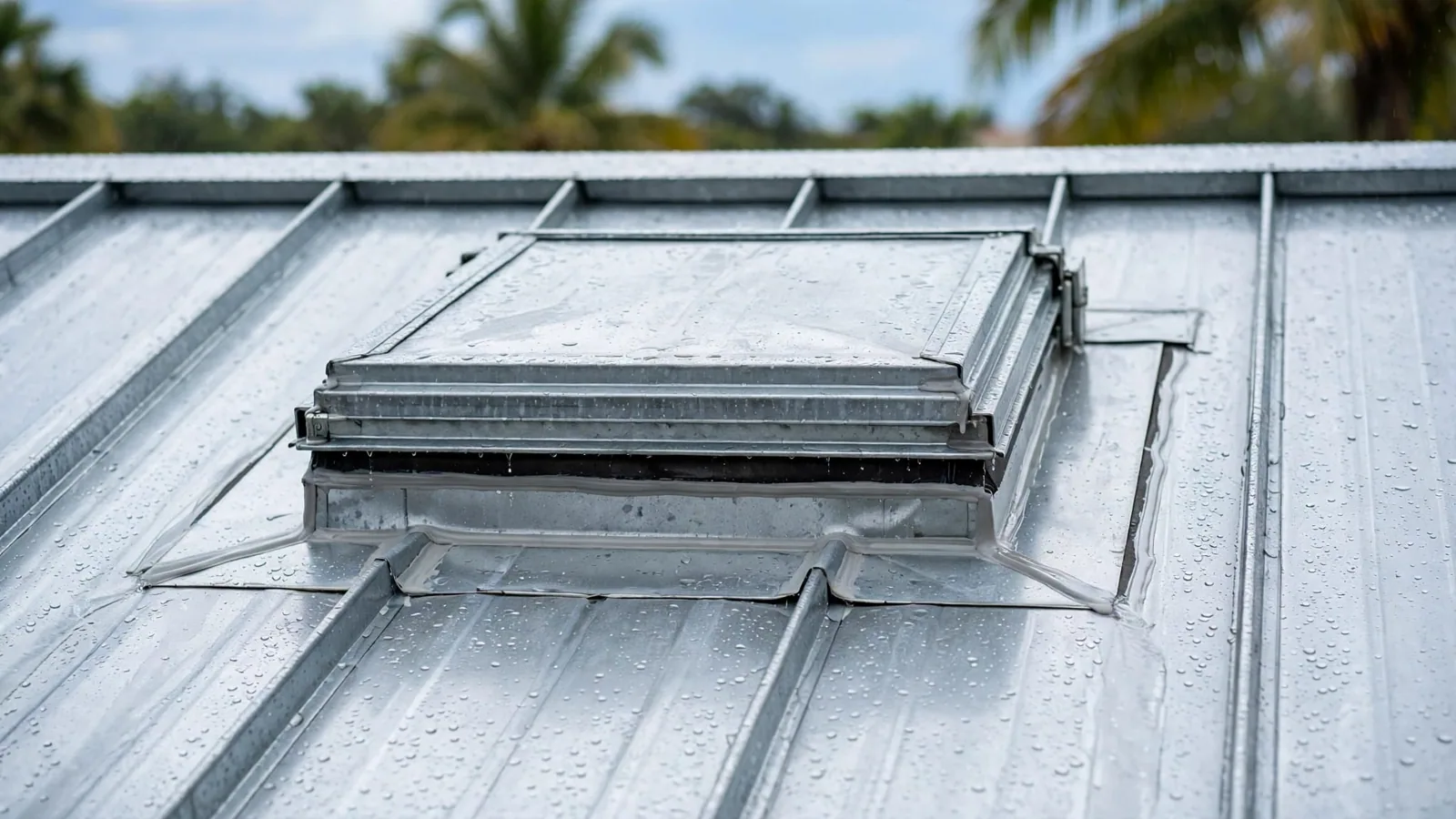
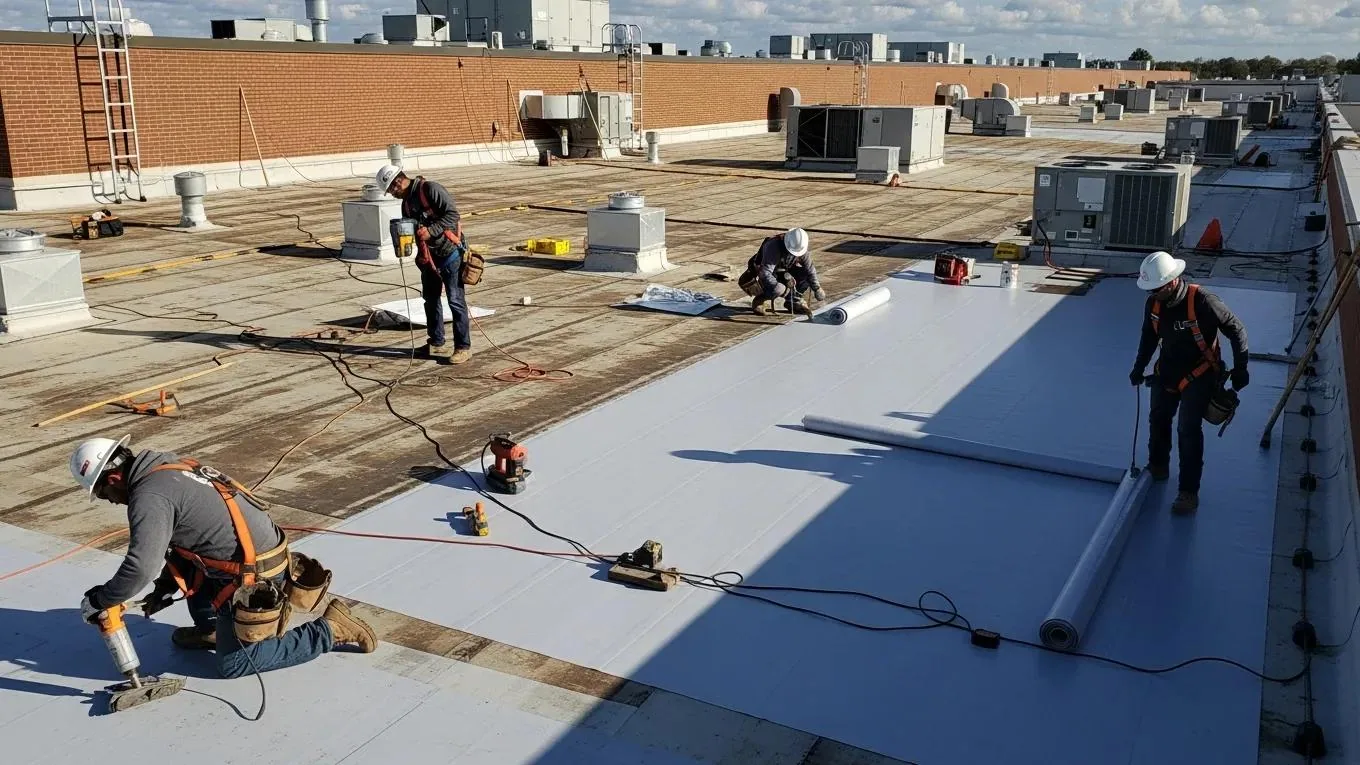
We follow the same sequence on every roof with accessible areas and limitations identified. Membrane comes first because tears, punctures and blisters are visible and need material-specific repair methods. Seams come second. Heat-welded seams in TPO and PVC can open at laps where the weld was marginal, and EPDM seams depend on their tape or adhesive staying bonded through the temperature swing of a day. Flashing comes last because its transitions require close assessment of both the membrane and receiving construction.
A seam failure and a flashing failure look similar from the street and are repaired very differently.
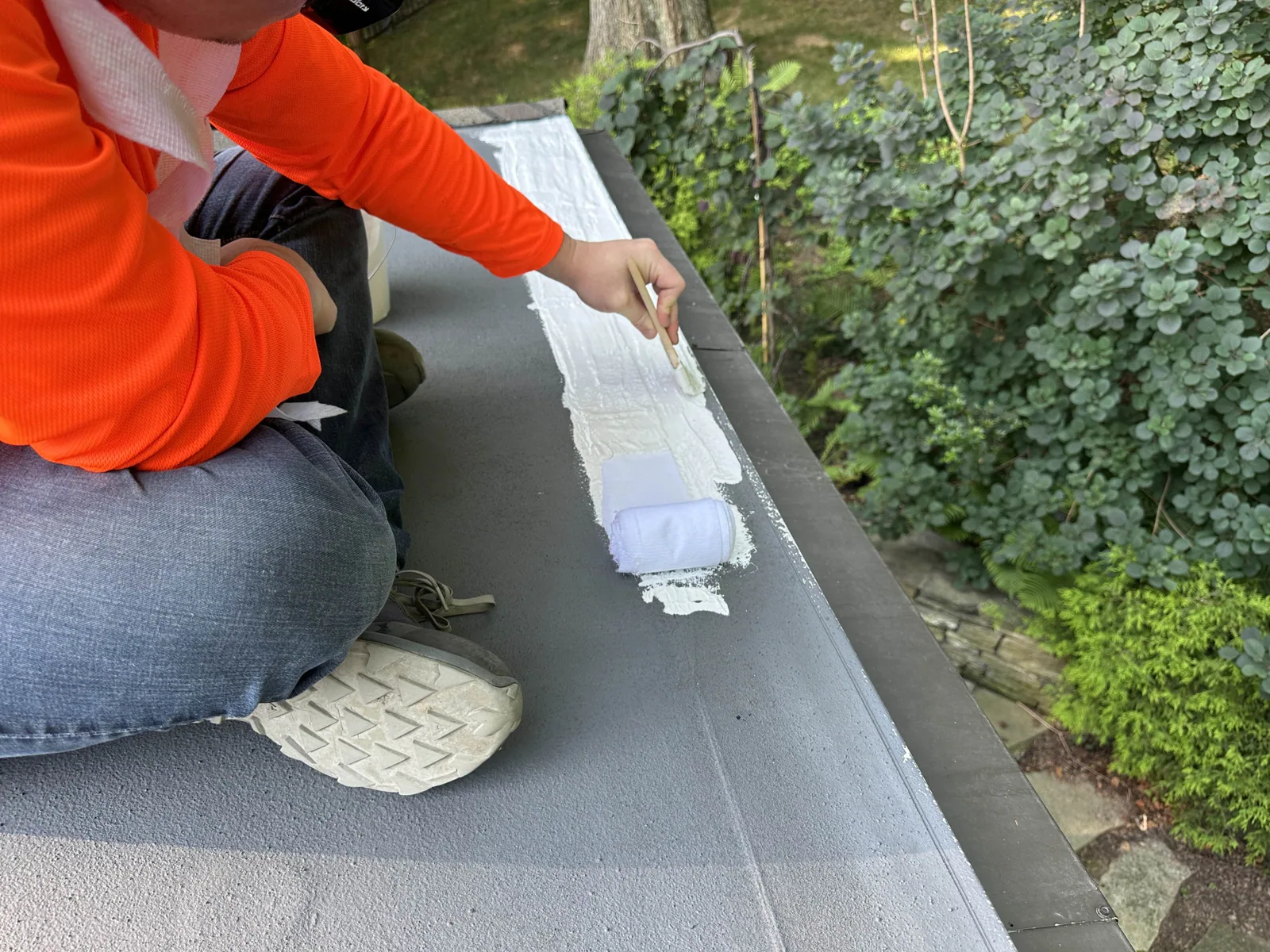
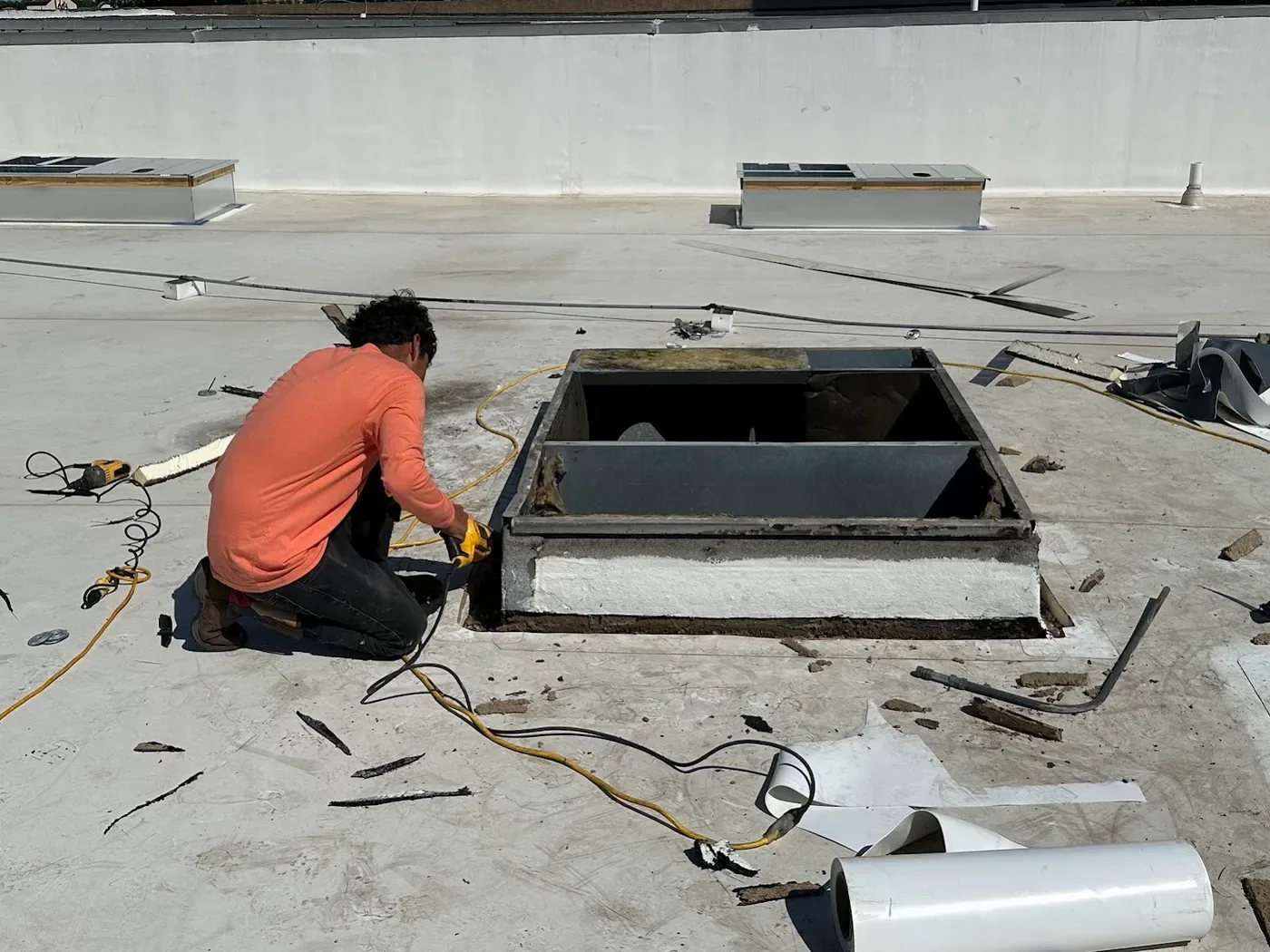
Every line item gets a located photograph in three states. The first shows the defect as found, the second shows the substrate once the failed material is removed, and the third shows the finished repair. Each frame carries its position from the plan so an insurer, a manager or a future roofer can match the picture to the roof.
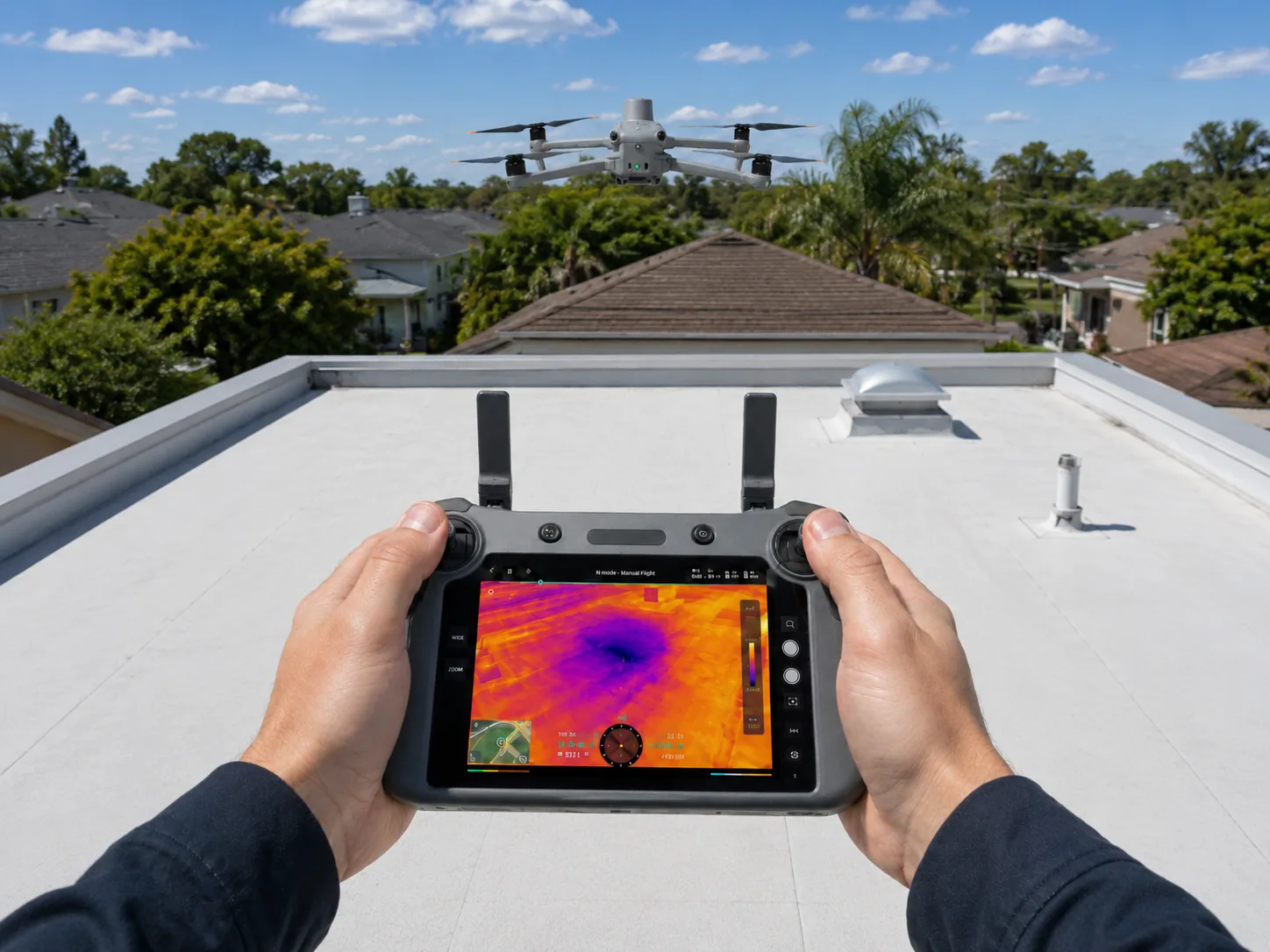
The middle frame matters most. It records accessible substrate condition, with moisture assessment identified separately where needed. A photograph of opened materials cannot by itself establish moisture extent, so suspect material receives an appropriate examination before it is retained. When the substrate is wet, the finding is passed forward to the infrared moisture survey so interpreted moisture boundaries can be investigated.
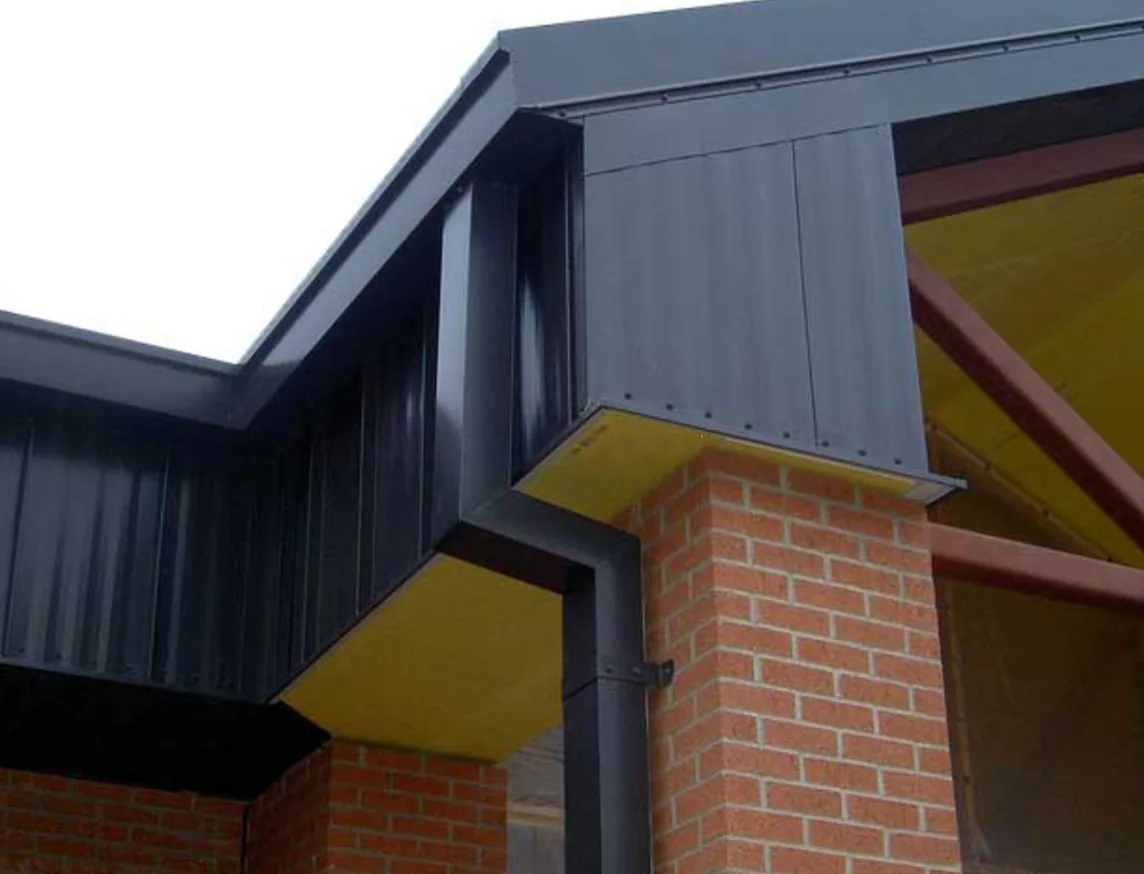
Loose edge pieces, visibly rusted fasteners and deteriorated curb coatings need their own entries in the repair scope. We photograph the affected component and its receiving substrate, then distinguish a localized metal replacement from a question about supporting deck strength. The corrosion log describes accessible condition. It does not attribute damage to salt or assign a remaining life from surface appearance.
Replacement materials depend on the assembly, actual exposure and applicable project requirements. A new edge metal detail must connect adequately to the receiving construction; replacing the visible cap alone may leave a damaged attachment unresolved. The asset manager receives that distinction before authorizing the item, with any further evaluation separated from routine sealing work.
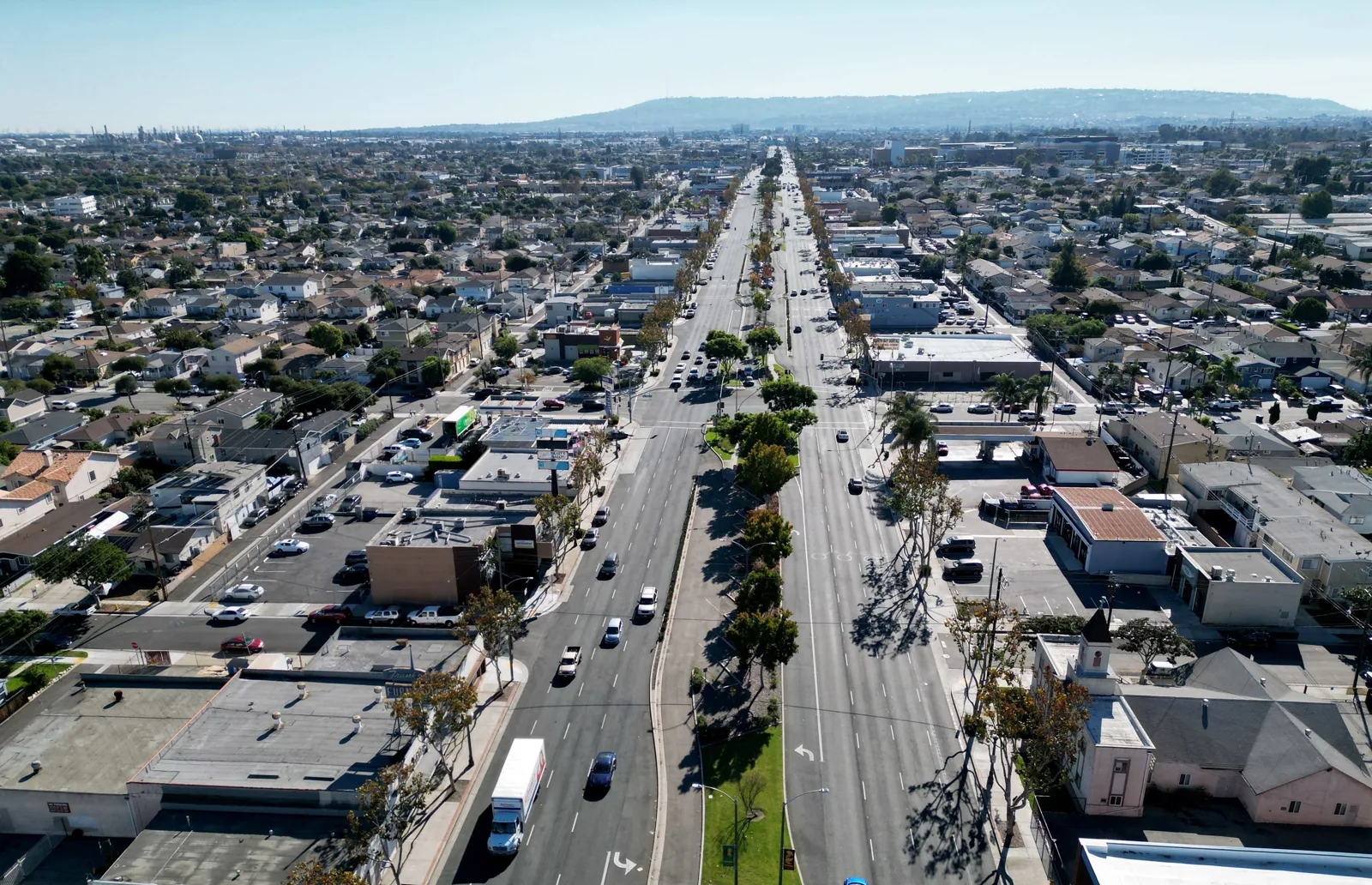
Retail access planning near Del Amo Fashion Center, in Torrance, begins with the assigned repair area. For a property near the Hawthorne Boulevard Corridor, repair access may need coordination with receiving doors, occupied suites or tenant equipment. The assigned work identifies those affected areas only after the property team confirms the building layout and permitted access.
The 2021 Phase II announcement for Torrance Commerce Center describes planned industrial development. Industrial repair planning at the subject property starts with current roof observations and operating constraints rather than a presumed assembly or warranty from that development history. Where repeated localized failures need tracking, scheduled maintenance can record whether previously repaired details remain serviceable.
The close-out for a repair is shorter than for a replacement, though it follows the same logic. The owner receives the numbered plan, the line-item list with its three-state photographs, the corrosion log and a short description of the condition grade of each roof area after the work. Items left for later are listed with the reason and a recommended timing.
If the findings suggest the roof is approaching the end of its service life, the record says so, and a leak call in the rainy season becomes a reasoned step toward a larger plan instead of a surprise.
A repair proposal should separate each observed defect into its location, preparation, materials, tie-in and acceptance check. Group work only when the roof system and access conditions support one method. At the start of the job, confirm that the receiving surface is suitable and that the repair boundary includes sound material. Photograph conditions before covering concealed preparation, and note any difference between the estimate and what removal exposes. If added work is needed, obtain the appropriate approval before expanding beyond the agreed scope. Provide the owner a concise completion record with zone references, materials used and any maintenance or follow-up item that remains.
We number the findings and separate immediate water-entry work from items that can be scheduled or assessed further. Each proposed repair describes its materials, boundary and receiving detail. Partial approval should also identify retained concerns and the follow-up responsibility. That record allows the property team to authorize a defined portion without treating every listed roof defect as resolved.
New failures adjacent to earlier patches can indicate a larger material or attachment question, but the pattern needs inspection. We compare located repair history with present conditions and investigate suspect concealed moisture where appropriate. The next scope may remain localized or expand to a replacement study. Invoice frequency alone does not establish remaining service life or justify removal across unrelated roof areas.
Issued terms determine the required notice, materials and participation for the proposed alteration. We review the available warranty and identify requirements before selecting a repair method. If written approval is needed, its status remains visible in the repair scope. Photographs support the record of performed work, while the manufacturer retains its own decision about coverage and acceptance.
Compatibility should be established before permanent repair materials are chosen. An existing surface may have coatings or earlier repairs that change the bond condition. We inspect the receiving material, identify useful product information and explain when an additional evaluation is needed. The method then states surface preparation and the repair boundary; an unspecified sealant does not become a complete repair specification.
Located before and after images, the accepted item list and dates of completion connect the finished work to its approved scope. Where material was opened, intermediate photographs explain what was accessible and treated. We record excluded areas and unresolved concerns alongside the completed repairs. That package supports a factual review, while any insurer or transaction party can set its own additional evidence requirements.