Industries We Serve
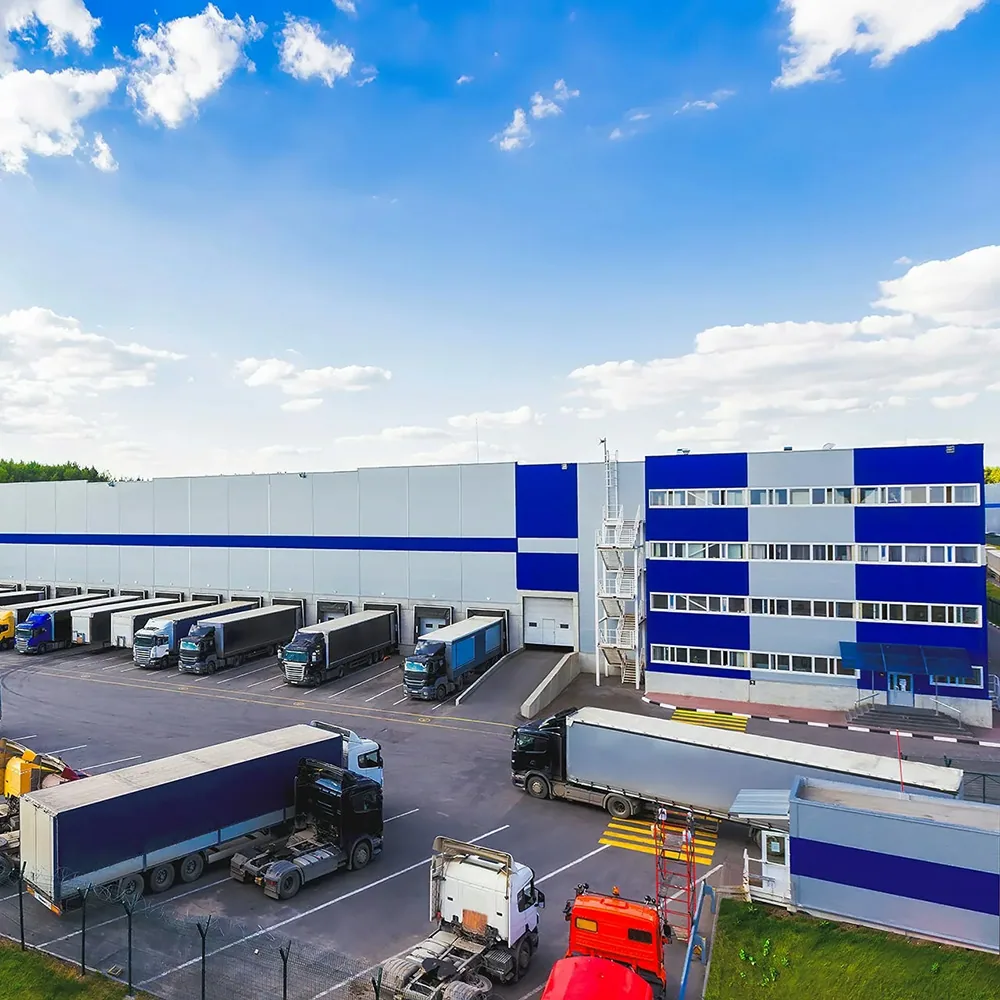
Torrance logistics roof assessments connect damage boundaries with loading access, goods protection and complete repair tasks. Get a usable operating baseline.
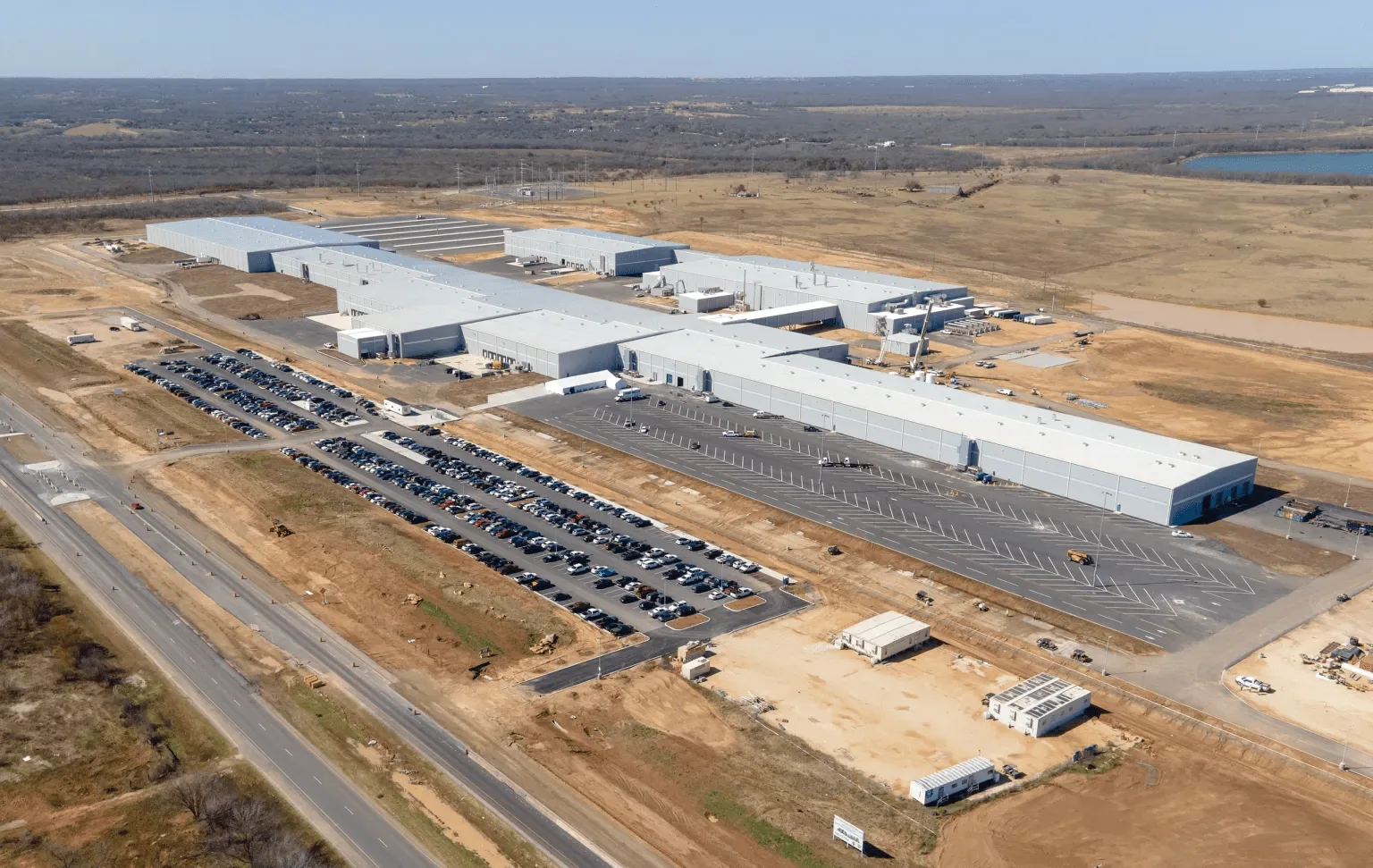
A lease decision for a logistics property needs the roof allowance tied to the goods-handling operation beneath it. Commercial Roofing Torrance examines commercial roofing in Torrance, CA and records the affected construction, supporting condition and access needed for correction. We identify repair quantities that the examination supports and the concealed questions still requiring investigation. The operator supplies receiving periods, protected inventory and permitted work routes so the asset manager can compare construction options with their operating consequences.
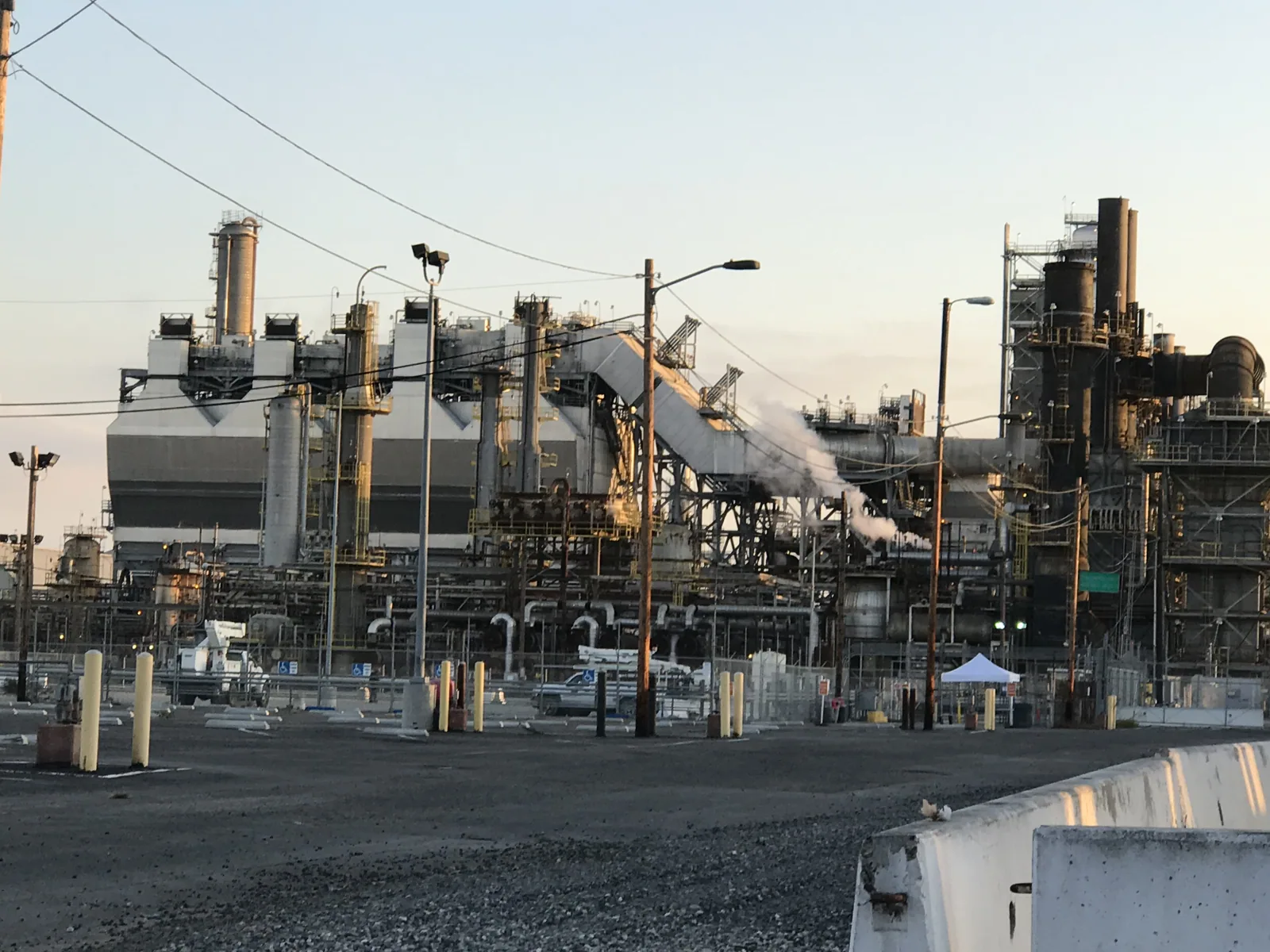
Torrance Commerce Center provides an industrial geographic setting, while Del Amo Fashion Center identifies a different retail receiving environment. A logistics assignment needs the actual property's current arrangements rather than a handling plan borrowed from the nearby premises. Our baseline locates the roofing task and retains the operating instructions that can control its sequence.
A delivery position may also be the practical place to stage roof material. We walk the permitted handling route with the property contact and identify receiving movements that must continue. Lifting, temporary storage and waste removal need approved locations before a daily opening is proposed. The survey should show which route is available and which restriction still needs operator confirmation.
For roofing at a distribution building, the scope includes the spaces affected below the assigned roof portion. Inventory protection, aisle access and equipment service can require different working arrangements. We photograph accessible transitions and record the operator's restrictions alongside the proposed task. That gives the manager a construction comparison containing the labor and protection required to perform the work, instead of a field-area price with handling assumed to be free.
The visit identifies actual permission. A convenient route on an adjoining parcel remains unavailable unless its responsible party establishes access.
An interior drip above stored goods needs its position compared with the reachable exterior construction. We examine roof joints, outlets and equipment connections that could account for the observed entry. A plumbing or mechanical question stays assigned to the appropriate trade. The first task is to establish the correction boundary, because a wider membrane patch can leave the relevant upper wall or equipment connection unchanged.
A located roof leak assessment records observed details and the investigation still needed. Where concealed moisture affects the choice, suitable screening and confirming examination can support a removal boundary within their limits. The file should distinguish accessible findings from an assumed saturated area. That prevents an interior symptom from becoming a whole-roof quantity without evidence of the material requiring removal.
Record immediate protection separately from permanent reconstruction. A safe temporary intervention can limit exposure while the completed detail and necessary receiving work are evaluated.
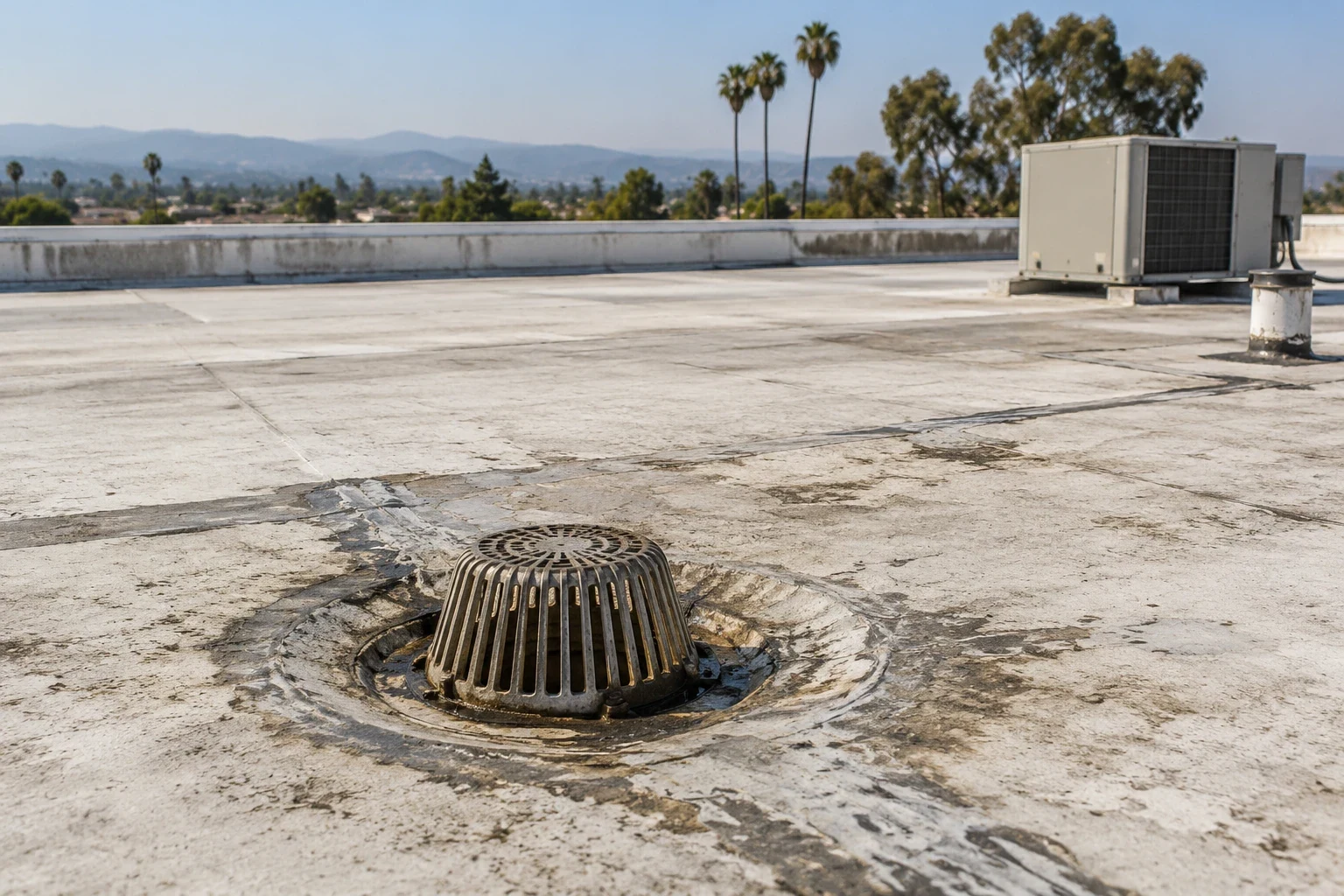
A damaged outlet can involve its bowl, joining material and the pipe below the roof. We inspect the roofing interface and identify whether the proposed correction is obstruction clearing, local assembly reconstruction or a plumbing task. The measured waterproofing quantity should retain its receiving preparation and any associated removal. Replacing visible hardware without defining those responsibilities can leave the same water problem unresolved.
With roof drain and scupper work, the plan locates each affected component and describes the portion of the correction that belongs to roofing. A slope or capacity question may need design rather than a new surface joint. We retain that question with its responsible party and the construction information required for review. The asset manager can then compare a supported connection repair with a wider drainage proposal that still needs examination.
Stored goods and current equipment determine the protection arrangement. Their sensitivity needs the operator's actual instructions, not a generic assumption about every warehouse.
A stained fastener line or deteriorated edge needs the affected metal and supporting connection examined before a repair method is assigned. We distinguish surface discoloration from loss of usable material and identify the adjoining joining condition. Regional coastal influence supports looking for actual corrosion; it does not establish that every industrial property has the same exposure or damage.
Roof maintenance over warehouse use can retain suitable metal while a limited connection is rebuilt. Broader deterioration may change that comparison. The survey locates the affected lengths and notes where closer access or opening is needed for a firmer quantity. A corrosion log is useful when each finding can be returned to an identifiable detail, rather than treated as a broad label for the entire building.
The repair should describe the fastening and termination task. A new finish does not establish that deteriorated support beneath it can receive the intended attachment.
A removal phase should close within the permitted working conditions and the operator's available period. We identify handling, protection and daily termination work before estimating duration. Equipment service or lifting approvals can control the start even when roofing material is available. Those dependencies remain beside the construction quantity so purchasing does not become the only item driving the schedule.
At an assigned address in the Torrance Industrial Area, current operator information establishes the actual receiving arrangement. A related manufacturing operation with shipping activity can add service isolation or production restrictions. We retain the particular building's instructions instead of combining neighboring industrial properties into one assumed sequence.
Torrance's accepted project authority and submission basis govern applicable construction review. The city adoption record identifies 2025 California standards and local amendments; the proposed alteration establishes relevant requirements. Energy decisions need the assembly, applicable building information, compliance approach and supported exceptions assessed before a broader specification is committed.
A finished repair needs its location and installed detail connected to the original finding. We provide completion evidence identifying the preparation and correction performed, then retain any separate equipment or plumbing responsibility still awaiting its party. The manager can see the roofing accomplished without assuming that every related service task is complete. Keep the receiving manager approval with the location record.
A property manager continuing logistics roof care needs the same distinction for future maintenance. Actual warranty terms can establish notice, upkeep and alteration obligations where relevant. Keep those requirements with the installed materials and located findings. The record supports the next roof decision without representing that a document package alone establishes acceptance by a buyer, underwriter or owner.
For active water entry, our emergency service remains available during nights, weekends and holidays. Safe access and reachable construction establish the practical response. Temporary protection keeps its follow-up task visible until the permanent scope is completed.
Its availability can control lifting, storage and waste movement. Record the operator's permitted positions and work periods so the construction comparison includes the handling labor and protection needed for that building.
The symptom needs a located exterior examination and suitable confirming checks. We retain the observed connection and investigation limits with the quantity, rather than extend an interior drip into an unsupported whole-field removal.
A reconstructed waterproofing connection addresses its defined detail. Drainage capacity or geometry can require separate design and plumbing responsibilities, which should remain assigned before the owner buys a broader correction.
Identify completed roofing locations, installed material information and outstanding related trade tasks. Retain any applicable warranty obligations so later maintenance can distinguish the finished repair from a service decision still awaiting completion.