Property Types We Roof
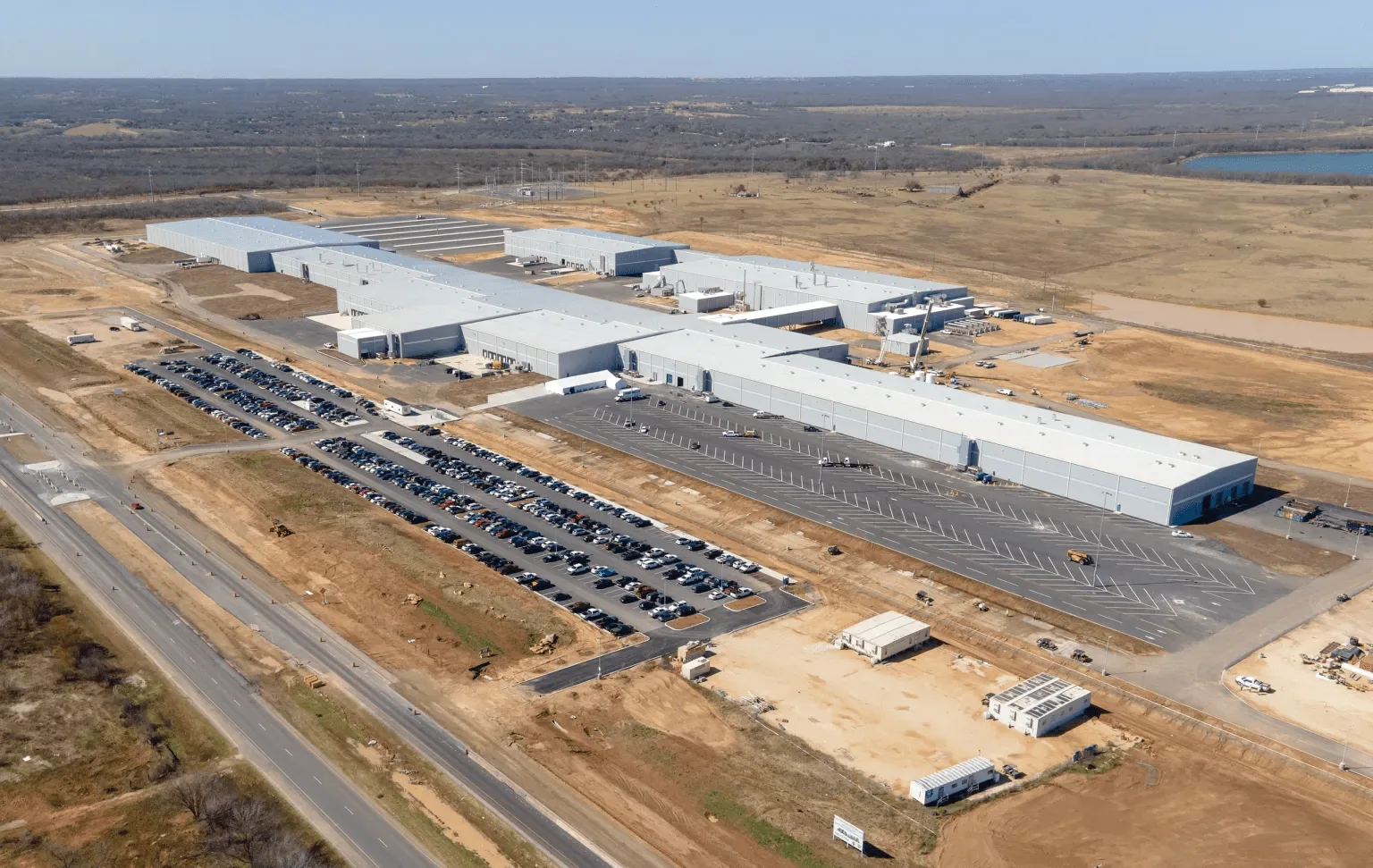
Manufacturing plant roofing in Torrance needs examined exhaust details and coordinated shutdowns. Get a roof scope with clear trade responsibilities.
A production-equipment alteration requires its roof penetration and exhaust exposure assessed before a covering is selected. Commercial Roofing Torrance examines manufacturing-plant roofs in Torrance, CA and records the assigned assembly, accessible connections and operating constraints. An asset manager can then distinguish waterproofing from process-equipment modifications, structural review and environmental controls. The roof estimate identifies what each construction task will finish and the receiving information still needed to authorize it.
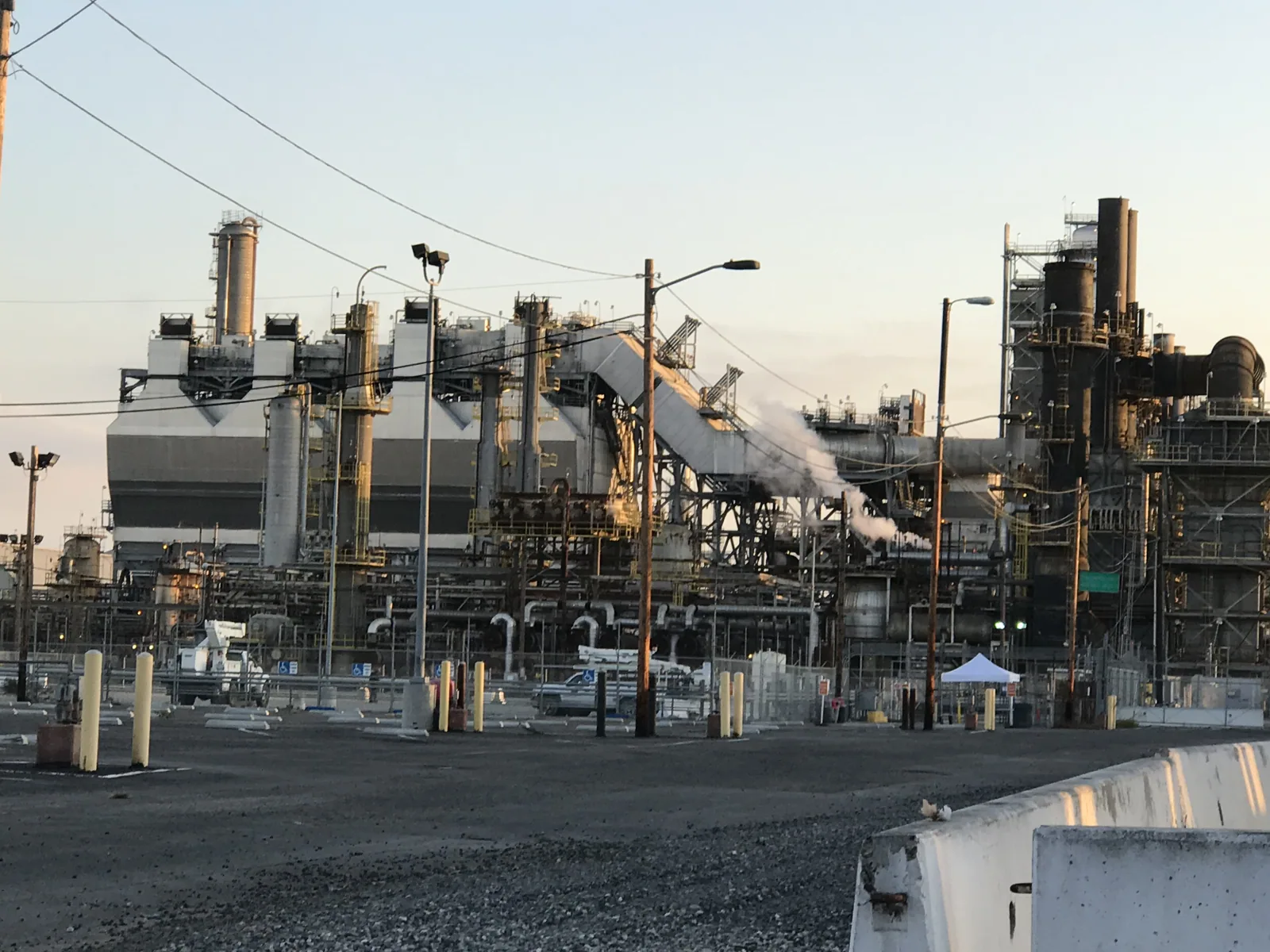
The 2021 Torrance Commerce Center Phase II announcement of planned industrial development provides a local reference for production property assessments. That historical account does not establish the equipment or roof material at a current facility. The plant contact identifies the actual exhaust services, maintained routes and restricted interior areas. Those details guide examination and protection without substituting an industrial address for a measured construction baseline.
Residue near an exhaust outlet can affect both membrane selection and preparation. We record its location and appearance, then request the plant's information about the discharged material and cleaning procedure. An observed stain does not establish chemical composition. The equipment operator and appropriate technical participants provide the exposure information needed to assess a proposed covering's compatibility and any required separation detail.
A PVC membrane option for the examined exposure should be evaluated against the actual product requirements rather than a broad statement that all process residue is acceptable. We inspect seams and adjoining materials at the outlet, identify removal needed to reach a usable receiver and explain any confirming examination. Where the exposure remains uncertain, the proposal retains that decision instead of presenting a covering selection as settled.
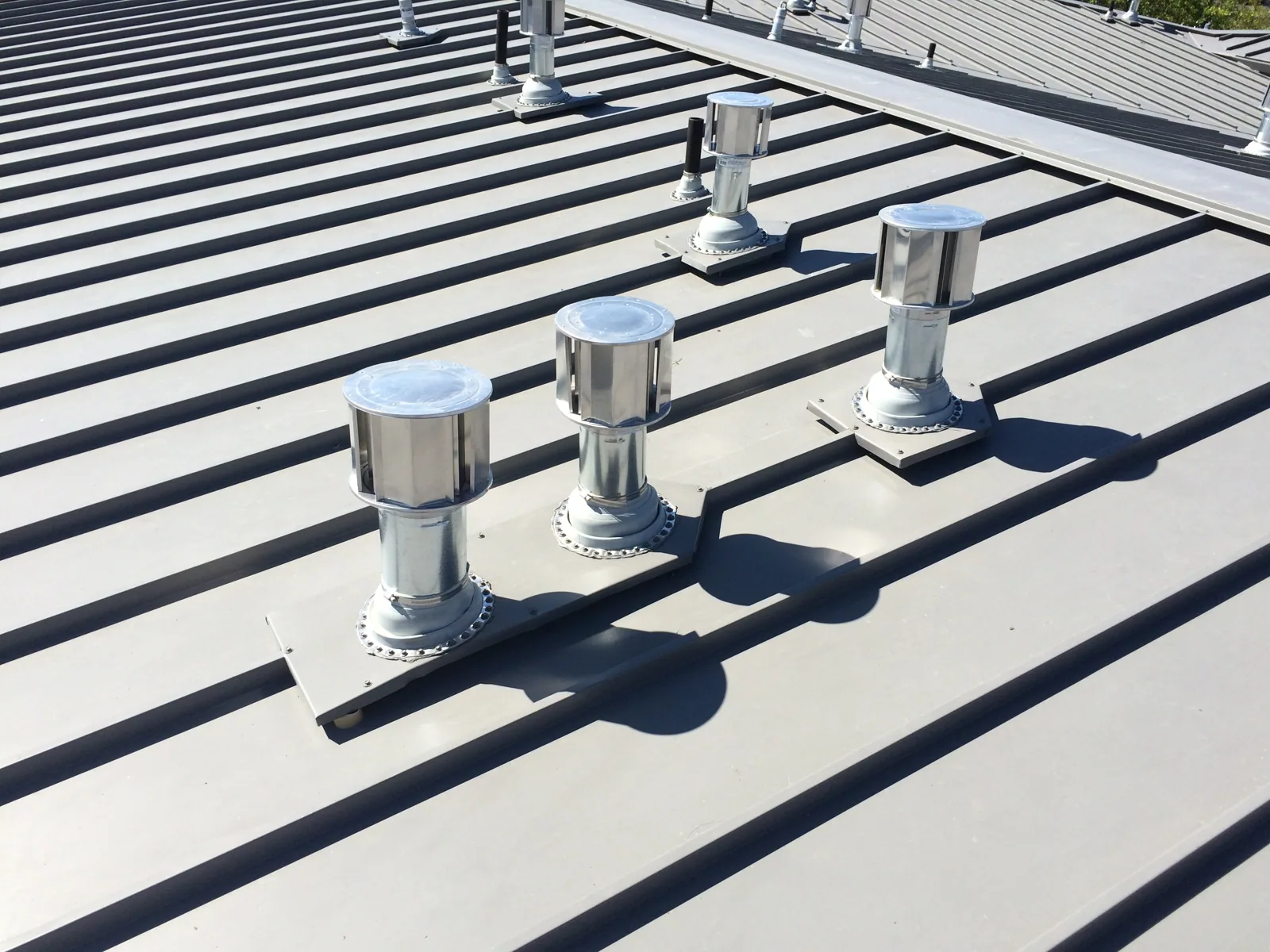
A pipe can move differently from the roof deck as operating temperature changes. We examine accessible boots, clamps and termination details for separation or distortion. The permanent connection needs an appropriate way to accommodate the actual movement. Applying sealant to an unsuitable geometry may obscure the defect without giving the joint the movement it requires.
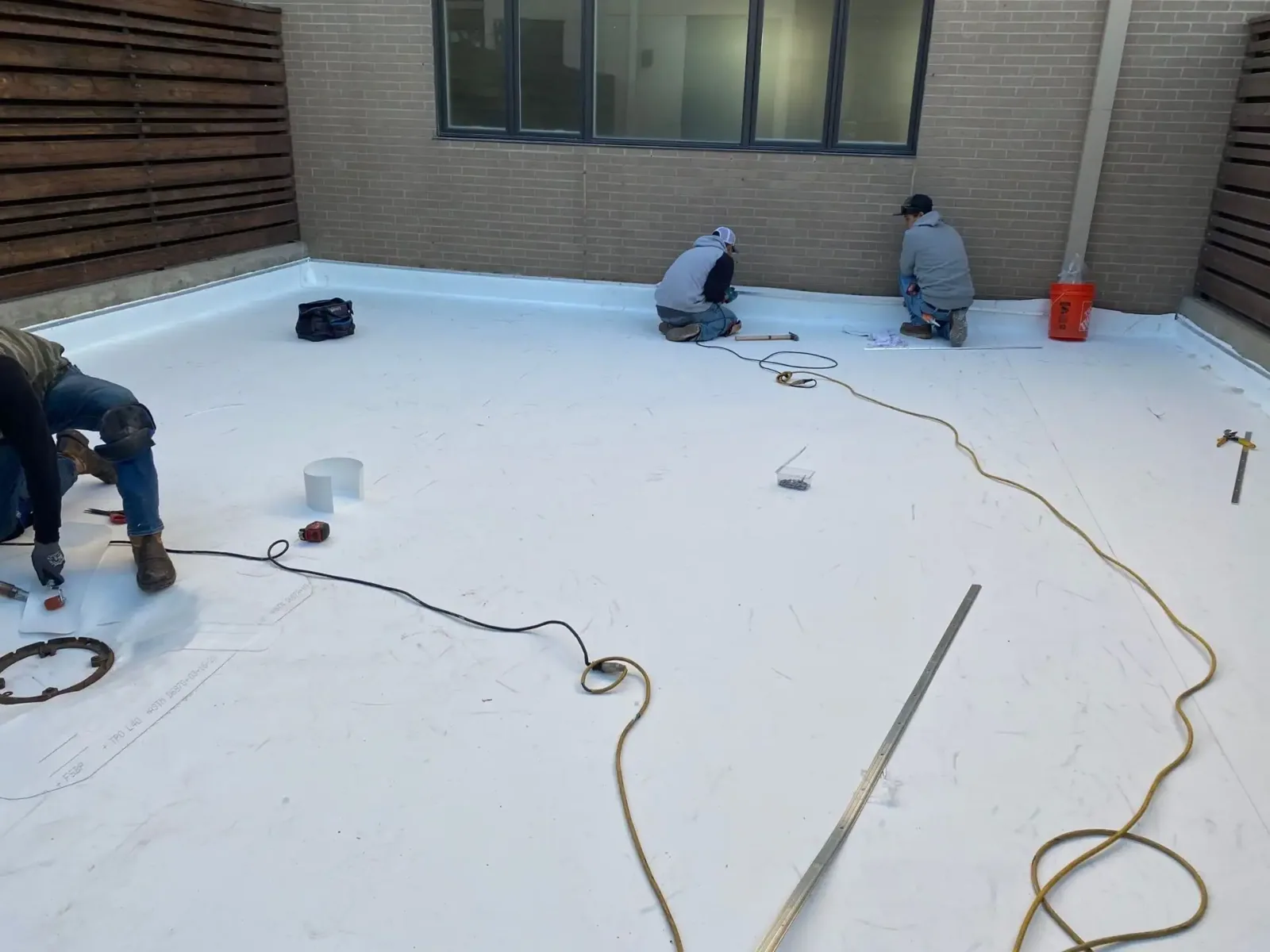
For repairs to penetrations and adjoining flashing, we locate each detail and identify the receiving materials needed for a compatible repair. The process contact establishes whether a pipe can be isolated and who will handle its connection. Roofing work does not authorize opening a process service. A nearby flex-industrial building with mixed tenant uses may need separate equipment contacts even where its visible covering appears continuous. The construction scope follows those actual responsibilities.
A new rooftop unit changes more than the flashing footprint. We locate the proposed curb, establish accessible roof layers and record deck conditions visible within the agreed investigation. Structural assessment determines support adequacy and any reinforcement. We define the waterproofing work that follows the accepted support detail without assigning structural capacity from a membrane inspection.
A warehouse portion used for finished goods needs its own protection beneath openings, while an active production bay may require a shutdown and equipment covering. The plant identifies those conditions before invasive testing. Test closures are specified with their locations and receiving assembly. If access limitations prevent a useful deck examination, the survey explains the limitation and the next approved step. A provisional allowance should not hide that dependency within a single construction total.
A roof opening above a production line needs a closure plan compatible with the permitted work period. We discuss the maximum opening, protection beneath it and material route with the plant contact. The method should leave a defined temporary or permanent boundary at the end of the shift. Tasks requiring another trade's inspection are scheduled before the covering makes that work inaccessible.
Del Amo Fashion Center helps orient a Torrance property visit as a recognizable retail destination, but the plant's assigned gate and service entrance govern arrival. At an address in the Torrance Industrial Area, we record the actual loading position and restrictions rather than borrow access assumptions from a development description. Working periods, preparation requirements and repeated setup can affect cost independently of membrane quantity. Each is explained as a construction driver the manager can evaluate.
A completed flashing joint and an operating exhaust system answer different closeout questions. We retain located photos of prepared receivers and finished membrane connections. The mechanical or process participant completes its equipment checks, and the plant authorizes operating release. The roof package identifies those remaining responsibilities so a finished exterior surface does not imply the production system has received its separate approval.
The continuing roof assessment for the plant asset records installed materials, alteration positions and maintenance needs supported by observation. Residue-control tasks remain assigned to the operating party where applicable. We explain how compatible cleaning and inspection affect future roof decisions, with issued warranty terms reviewed for the actual system. A future alteration can then begin with the located assembly and completed work rather than rely on a general description of the facility.
A plant roof scope should identify production-critical areas, exhaust or process lines, crane routes and any shift boundary that affects access. Review the intended work zone with operations before choosing removal limits or staging materials. If a shutdown is needed, connect it to a specific task and confirm its duration with the facility rather than assuming an available window. Keep dust, odors, falling debris and weather exposure within controls the owner has approved. During progress, record actual zone openings and any changed sequence so maintenance can relate interior reports to work above. Closeout should note remaining penetrations, temporary controls removed and any plant decision still needed.
The examination can locate residue and its interaction with accessible roof details, but appearance alone cannot identify the full process exposure. We request operating information and relevant technical review before selecting a repair material. The proposed system must be checked against that exposure and its product instructions, including preparation and any required protective detail.
A localized installation may be feasible where the adjoining assembly provides a usable connection and the accepted support design can be accommodated. We examine the proposed position and distinguish curb work from broader covering defects. If the receiver is unsuitable or concealed damage extends farther, the scope explains the evidence supporting additional removal.
Agree the permitted production interruption and protection with the authorized plant contact before removal. We define daily opening limits, closure materials and inspection dependencies. A short shutdown may support only investigation or a limited phase. The construction proposal records that boundary so the price and sequence reflect the actual permitted task.
The new connection needs compatible, sound receiving material with sufficient room for the specified detail. We measure the preparation boundary and photograph the condition supporting it. Removing only the visibly split edge may leave contamination, wet insulation or weak attachment beneath a fresh repair. Any wider concealed question remains separately identified for confirmation.
The plant handles equipment safety and process shutdown through its own responsible personnel. We provide roof emergency assistance through the night and on holidays, assess safe access and locate useful temporary measures. The response records its limited purpose; permanent repair follows investigation of the affected roof detail and any related service connection.