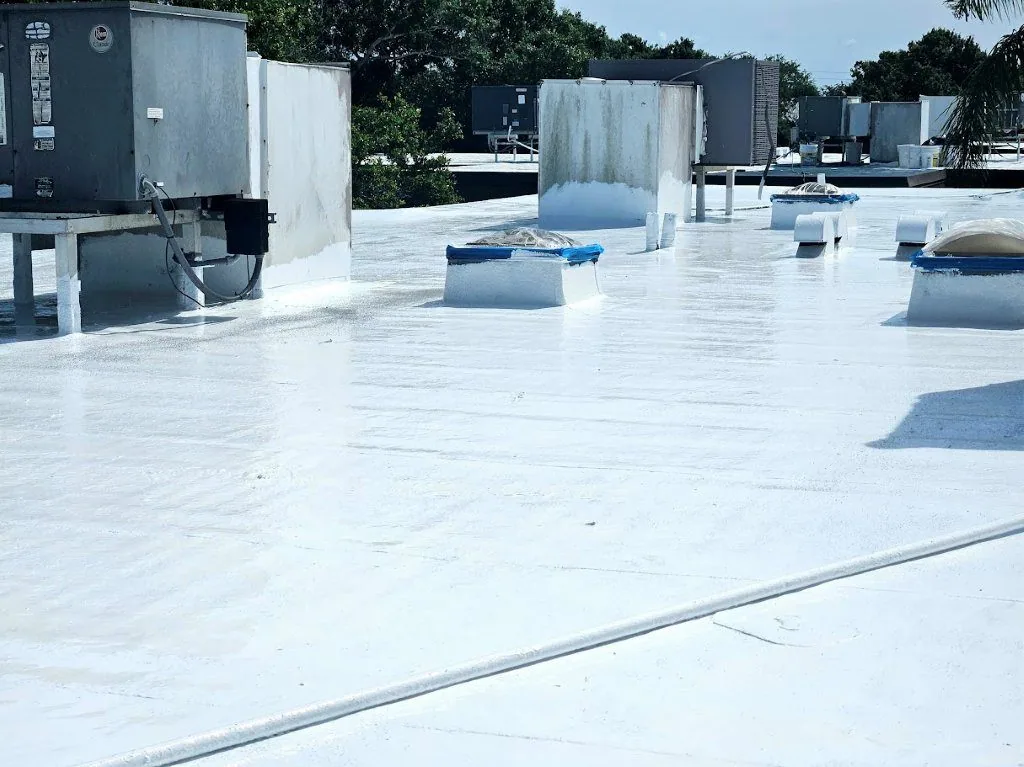
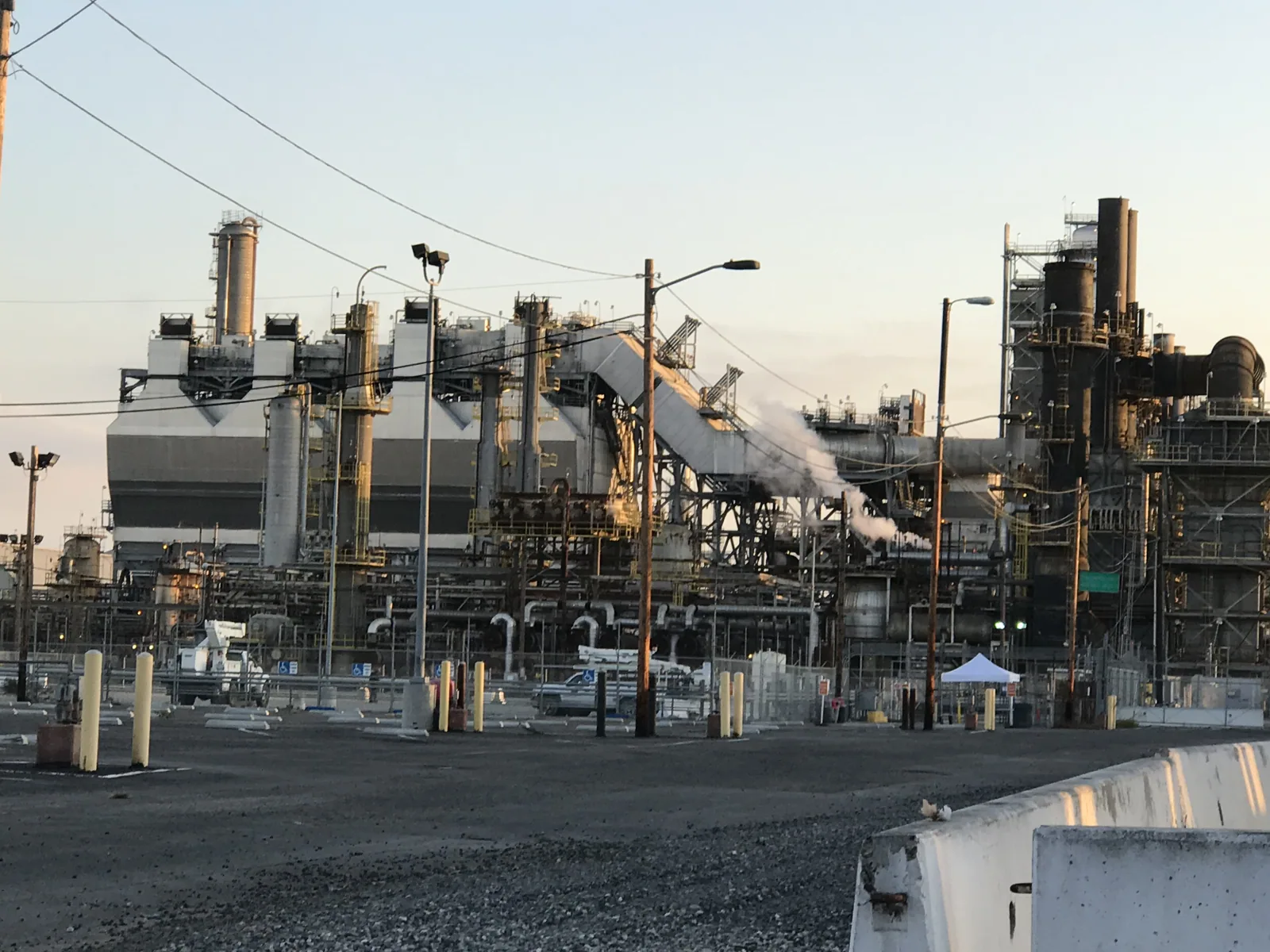
Commercial Roofing Services
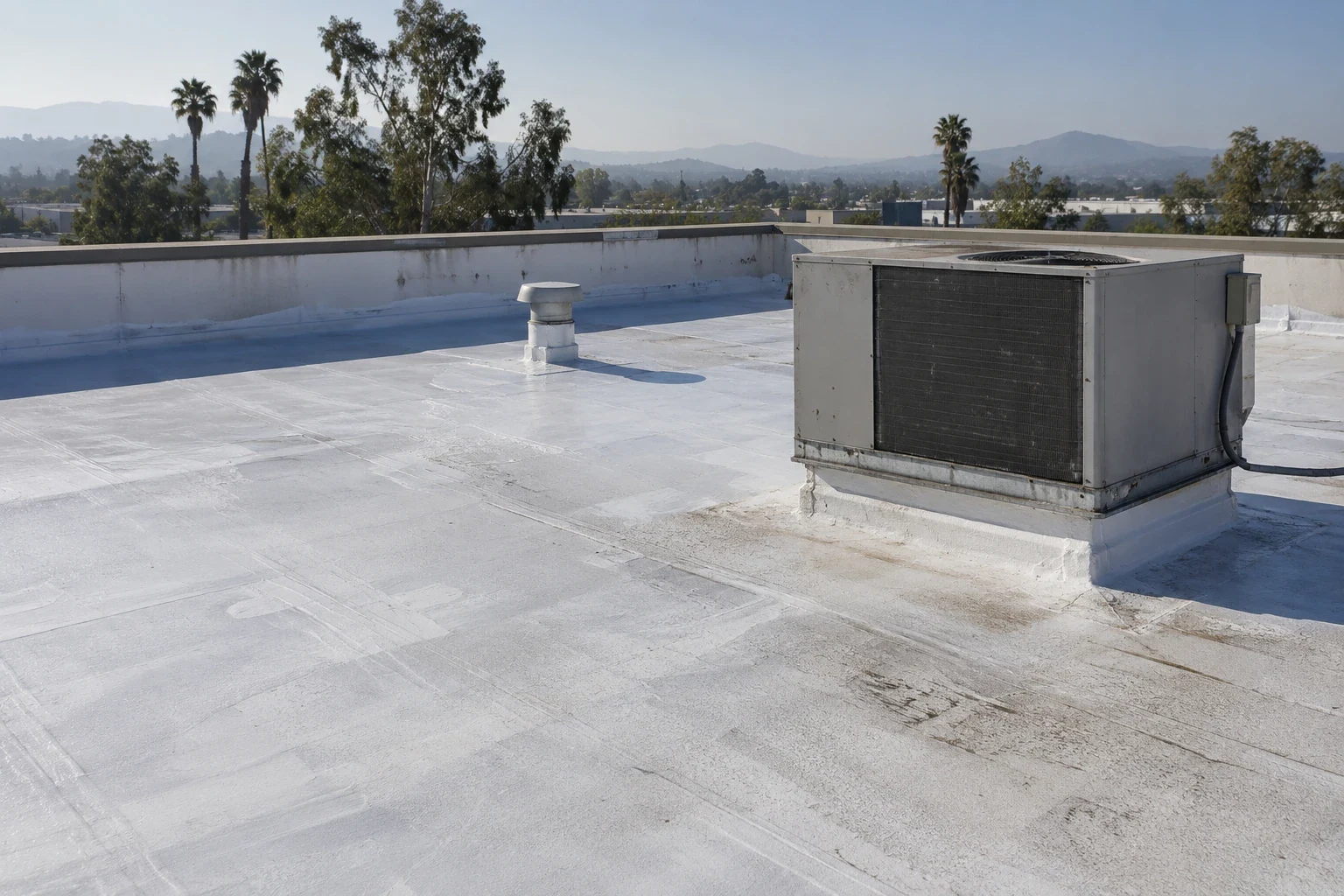
Assess Torrance roof coating eligibility through moisture checks, adhesion trials and detail preparation before selecting a restoration construction scope.
An issued warranty question can turn a proposed coating in Torrance, CA into an assembly decision. The owner needs to know what remains beneath the liquid-applied material, which defects will be removed and what surface the coating will actually bond to. We examine those questions before treating a reflective finish as roof restoration. A sound receiving surface and a complete detail scope matter more than an attractive sample applied to a convenient patch.
A retail property near Del Amo Fashion Center and an industrial premises near Torrance Commerce Center require their own coating assessments. Their local identities help locate the assignment, while the installed roofing, operating arrangements and proposed alteration determine whether restoration is suitable.
Blisters, softened insulation and separated existing coatings change the restoration boundary. We identify the roofing material, prior treatments and accessible signs of deterioration, then determine where closer examination is needed. A coating cannot make saturated insulation into a sound retained layer. Moisture indications require appropriate confirmation and coverage sufficient for the area the proposed work would leave in place.
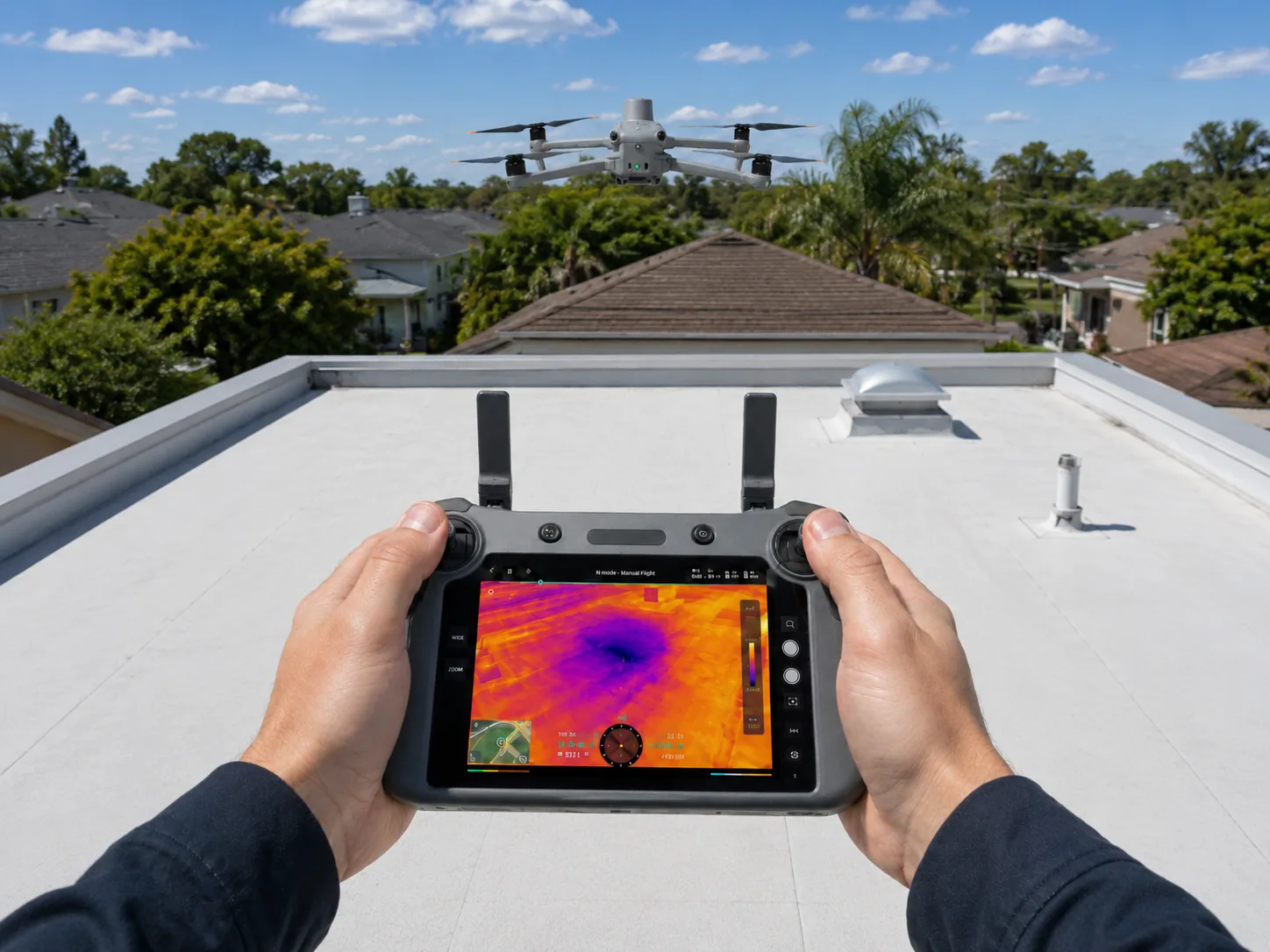
Thermal moisture screening can help target investigation when conditions support meaningful imaging. Located samples establish their own positions, with remaining uncertainty recorded elsewhere. We show the asset manager any removals needed before coating and distinguish a local restoration candidate from roofing requiring replacement of the affected assembly. The comparison includes adjoining details, rather than contrasting only a coating pail with new membrane material.
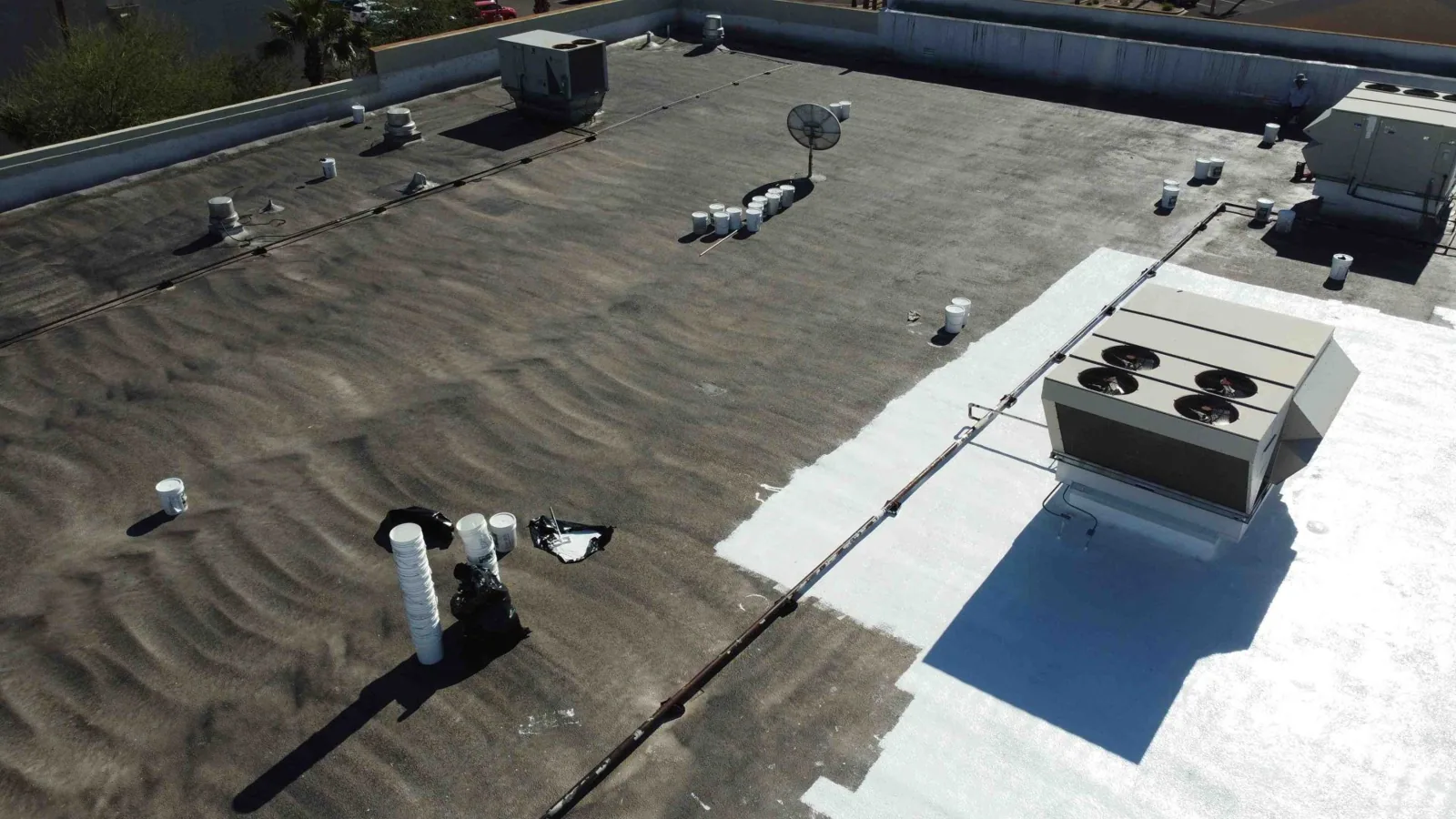
A dirty membrane may appear serviceable until preparation exposes an unstable top layer. We develop the cleaning and preparation method for the actual substrate, protect nearby equipment and arrange lawful containment of washing residues. Then evaluate test areas using the proposed primer and coating combination. Record preparation, curing conditions and the trial method so a later reviewer can understand what the result represents.
A successful small trial supports the tested detail and circumstances; it is not proof that unexamined roofing will behave identically. Differences in older repairs, contamination and existing finishes may need additional trials or exclusion from the coating scope. For an asset manager, those limits affect both the ordered quantity and the decision to retain a section. We resolve them before a large application commits the property to a system with uncertain attachment.
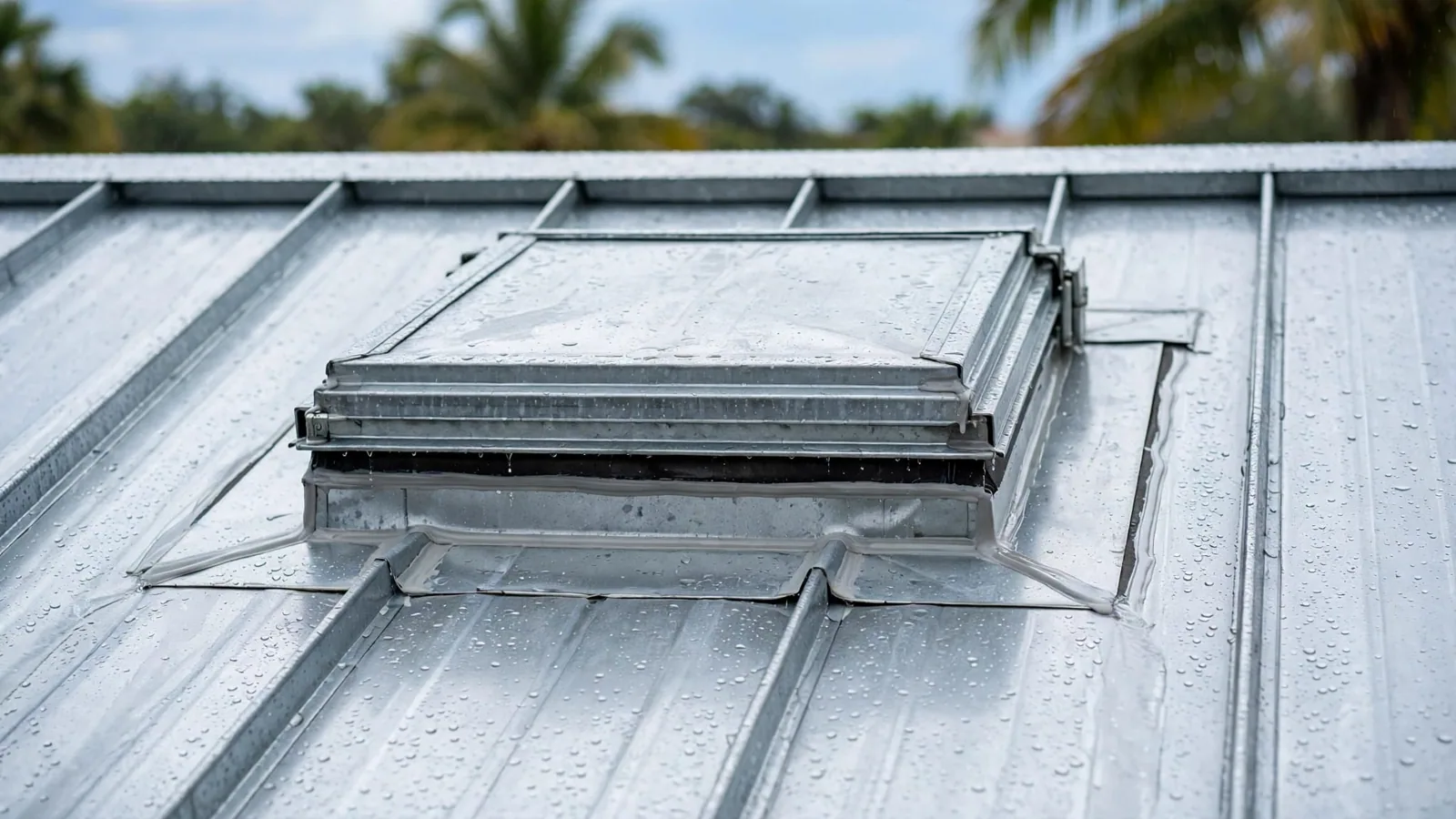
An open flashing termination remains an entry route even if surrounding field material receives a new surface. We locate seam changes, curbs, drain connections, parapet joints and edge transitions, then assign compatible repairs or rebuilding before field application. A liquid-applied system can include reinforced details, but the reinforcement and receiving geometry must suit its specified use. It is not a reason to leave moving or detached components unresolved.
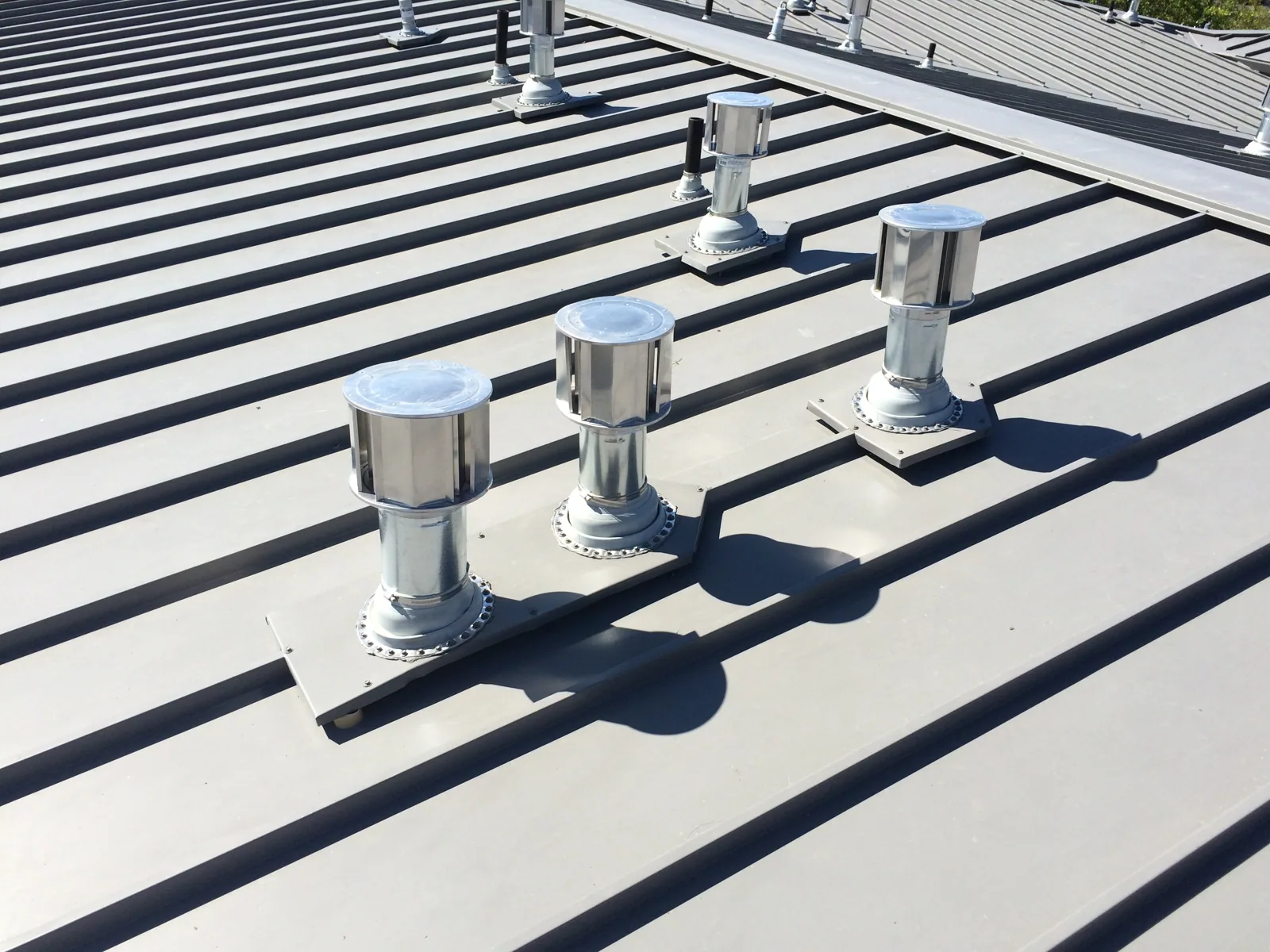
Penetration interface reconstruction may be necessary where a curb cannot provide a usable transition. At a perimeter, failed flashing correction identifies the upper closure as well as the visible roof connection. Preparation quantities belong in the proposal with their locations. That lets the manager compare complete restoration options without assuming that a general coating amount includes every hidden repair.
Standing water, substrate movement and access for later service affect material selection. We compare the proposed silicone coating assembly with other suitable systems using the manufacturer's requirements for the actual application. Product data, adhesion results and preparation needs must agree. No coating choice substitutes for drainage correction where the physical route is inadequate.
Torrance Commerce Center's historical industrial-development context is useful orientation for an industrial assignment, but it supplies no current roof material. At a Torrance Industrial Area, the operator identifies exhaust, equipment schedules and protected openings. Del Amo Fashion Center supplies the retail comparison: customer-facing work may require containment and carefully placed access. We confirm the individual premises' requirements before choosing spray or roller application and before scheduling odor-sensitive operations.
A smooth finish can conceal variation in thickness. We plan application stages, material consumption tracking and suitable thickness checks for the specified system. Record where reinforcing fabric, primer or additional coats were required, along with curing conditions and the areas released for traffic. The applicable product instructions determine whether a surface is ready for another coat or a service technician's route.
Thickness checks have defined locations and methods. We retain their results with the actual application area so the closeout package describes what was checked rather than claiming unseen uniformity. Weather and surface moisture can interrupt application even while tenants remain open below. Repeated setup, protected equipment and preparation labor all affect price and timing. We explain those constraints alongside material quantities, including any return necessary to finish details previously restricted by operations.
The final walk compares the installed coating boundary with the accepted proposal and any approved changes. Include removed wet areas, repaired details, application information and finished views. Identify equipment routes requiring protection and cleaning methods suited to the new surface. An owner needs these instructions before another tenant alteration introduces incompatible sealants or concentrated traffic.
Warranty submission and alteration review follows the actual proposed or issued terms. We retain requests, responses and remaining conditions without treating submission as issuance. A restoration recommendation should also explain later monitoring and the limitations of the examination that justified retained roofing. The finished coating improves the selected assembly only to the extent supported by preparation and application; another unexamined area keeps its separate assessment rather than acquiring an assumed new service life.
Coating restoration begins with a suitability decision, not a product selection. Verify the existing membrane or coating, moisture condition, adhesion and drainage before defining how much surface can be retained. Identify incompatible patches, loose material and failed transitions that must be corrected before field application. Specify the cleaning method, test area, reinforcement details and environmental limits using the applicable product instructions. If adhesion varies, divide the roof into zones and show how the scope changes. Closeout should record preparation, repaired details and measured application where required. State clearly that a coating does not replace saturated insulation, unstable attachment or unresolved structural concerns.
Keep it provisional where concealed moisture could change retained roofing. We recommend defining the proposed examination and closing method, then revising removal quantities from the findings. Purchasing coating before resolving those areas can leave the manager paying for material that cannot address the underlying wet assembly.
Record the receiving material, cleaning, primer, application conditions and test method at a recognizable location. Include unsuccessful trials and the resulting change in preparation. A passing result should be read within that tested construction, with separate trials where earlier treatments or substrate conditions differ.
Resolve movement and attachment before relying on a liquid-applied connection. We evaluate the receiving support and waterproofing together, then specify rebuilding or a compatible detail repair. Coating over a detached component can conceal the defect while leaving the stress that opened it unchanged.
Keep product identification, treatment boundaries, preparation records and thickness-check locations with later care and repair information. We recommend another condition assessment before recoating, especially where moisture, adhesion or traffic damage has changed. The prior application record helps explain the retained construction but does not independently establish current suitability.