Property Types We Roof
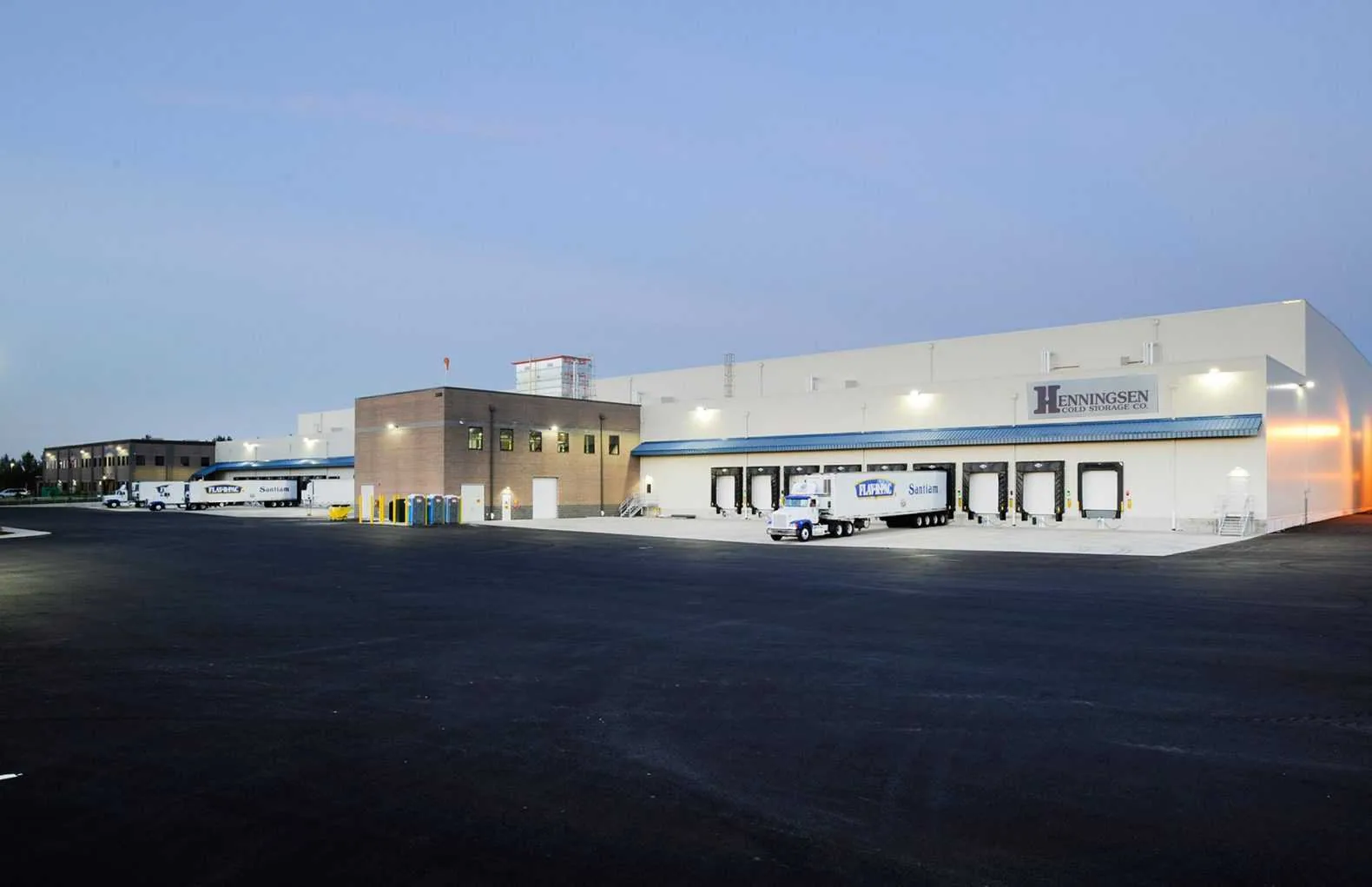
Cold storage roofing in Torrance requires enclosure investigation and vapor-control continuity. Get repair limits supported by examined construction.
A refinancing review for a cold-storage property needs the roof allowance connected to enclosure behavior, not merely to visible covering condition. Commercial Roofing Torrance assesses cold-storage roofs in Torrance, CA with the operating temperature, assigned assembly and accessible vapor-control connections identified. A wet interior surface can have a condensation mechanism, a roofing entry path or both. The investigation should distinguish those possibilities before the expenditure assumes one repair will settle every moisture complaint.
The 2021 announcement for Torrance Commerce Center Phase II described planned industrial development. It offers local industrial context without establishing temperature-controlled use at any present building. The subject facility's operating contact supplies its actual storage conditions and equipment arrangement. We record how those conditions affect the proposed examination, while keeping system selection dependent on the construction and enclosure information established for that property.
Moisture at a roof-to-wall junction can occur where air carrying moisture reaches a cold surface. We locate the reported position, record accessible construction and compare the observation with equipment operation and weather timing supplied by the facility. A damp finish does not prove a punctured roof. Appropriate enclosure and mechanical review may be needed where the accessible roofing does not explain the symptom.
Investigation of an exterior roof leak examines plausible entry connections and documents the checks supporting a repair. We distinguish observed water paths from unconfirmed possibilities. Testing above cold rooms requires a plan for product protection and restoration before openings are made. The report explains what the examination can establish, what remains concealed and which responsible participant should resolve an air-leakage or refrigeration question.
A vapor-control layer interrupted at a penetration can leave an enclosure discontinuity beneath an intact membrane. We compare available assembly drawings with accessible edges and approved test openings, recording the layer found at each position. The required vapor-control arrangement depends on actual temperatures, humidity, construction and design. A generalized instruction to place a barrier on one side cannot replace that assessment.
For a grocery property with refrigerated rooms, conditioned and unconditioned portions may meet within one building. We identify that boundary and request the relevant enclosure design review before recommending a changed assembly. Insulation and cover-board replacement should include the required receiving preparation and continuity details. Installing a fresh upper covering alone will not correct an unresolved break at the wall junction or pipe sleeve.
Any layer altered during construction remains identified for the required receiving inspection before permanent covering.
A thermal survey over cold storage can contain temperature patterns produced by operation as well as moisture. We consider the covering, insulation arrangement and operating conditions before proposing a screening method. Interpretation and confirming examination need to reflect that assembly. A thermal image should not be treated as a ready-made removal quantity, particularly where different room temperatures influence surface behavior.
Approved openings are located with the facility contact and restored using a defined compatible detail. We record layer thicknesses, accessible moisture findings and the receiver available for the proposed repair. An adjoining dispatch portion with different interior conditions should retain its own test positions. The resulting survey file identifies whether further enclosure review is necessary before a recover or replacement option can receive a supported price.
An exposed roof opening above a cold room changes the protection task even before replacement material arrives. The facility establishes product movement, sanitation restrictions and permitted equipment interruptions. We define roof opening limits and temporary closure for the approved period, with related enclosure inspections completed before their work becomes hidden. The daily sequence should identify who releases the area for roofing and who accepts its operating return.
Del Amo Fashion Center provides a Torrance retail reference, while the cold-storage property's loading and roof access remain address-specific. For a facility near the Torrance Industrial Area, the authorized contact establishes delivery positions and any refrigerated transport restrictions. Repeated protection, limited opening periods and detailed layer continuity can affect cost beyond the visible roof area. The estimate describes these tasks so the manager can compare complete construction options.
A waterproofed membrane joint is one component of a cold-storage repair. We document the roofing layers installed and the accessible continuity detail completed within our scope. An enclosure designer or the facility's appropriate technical participant determines any further air or vapor-control verification required. Refrigeration startup remains with its responsible service personnel. The closeout package should not merge those separate decisions into a single statement that moisture has been resolved.
The located condition report for the storage roof records repaired positions and any operating questions awaiting further assessment. Issued warranty terms are reviewed against the actual assembly and proposed alteration. Maintenance instructions identify the accessible details requiring observation without claiming a universal inspection period will establish performance. Emergency roof response is available through nights, weekends and holidays, with immediate measures selected for safe access and the observed exterior condition.
A cold-storage roof assessment should account for the temperature difference across the assembly and the facility's tolerance for interruption. Review vapor-control continuity, penetrations, ceiling conditions and any known condensation reports with the owner before selecting a repair. A roof leak, air leakage and interior frost can appear in the same zone but have different sources. Plan removal so temporary openings can be closed within the agreed shift, and confirm how insulation or vapor layers will be restored at each transition. Record interior observations separately from the roof condition and identify any monitoring requested after work. This helps operators evaluate a repair without treating one visual sign as a diagnosis of the entire envelope.
First establish where moisture is forming and which construction or operating condition supports that explanation. We inspect accessible roof details while the relevant enclosure or mechanical participants assess air movement and refrigeration conditions. Membrane replacement is justified by its own condition findings; it should not be priced as a cure for an unexamined condensation mechanism.
Operating temperatures can affect surface patterns, so the method needs an assembly-specific assessment and useful confirming tests. We document interpretation limits and the locations actually examined. A screening indication guides investigation where appropriate, rather than establish an exact concealed removal boundary by itself. Different room temperatures may require separate evaluation.
The facility determines product protection, sanitation and permitted room access. We describe the proposed opening, restoration detail and information it should establish. Related enclosure review may determine which layers must remain continuous during the test. The agreed procedure identifies who authorizes the examination and who releases the area after closure.
The roofing system needs a usable connection at its boundary, and a cold enclosure may also require continuity below that finish. We show the observed junction and distinguish membrane work from vapor-control or wall correction. Each task is assigned to its responsible participant, with concealed receiver questions retained for investigation before a final quantity is assumed.
Retain installed layer information, located junction details, test closures and the separate technical sign-offs required for the project. The roofing package should identify what was completed and which enclosure or equipment verification remains. Future maintenance can then return to the relevant connection without interpreting a dry surface as proof of every concealed control layer.