Industries We Serve
Torrance retail and restaurant roofing needs store-specific findings, equipment tasks and practical work periods. Get a construction comparison for renewal.
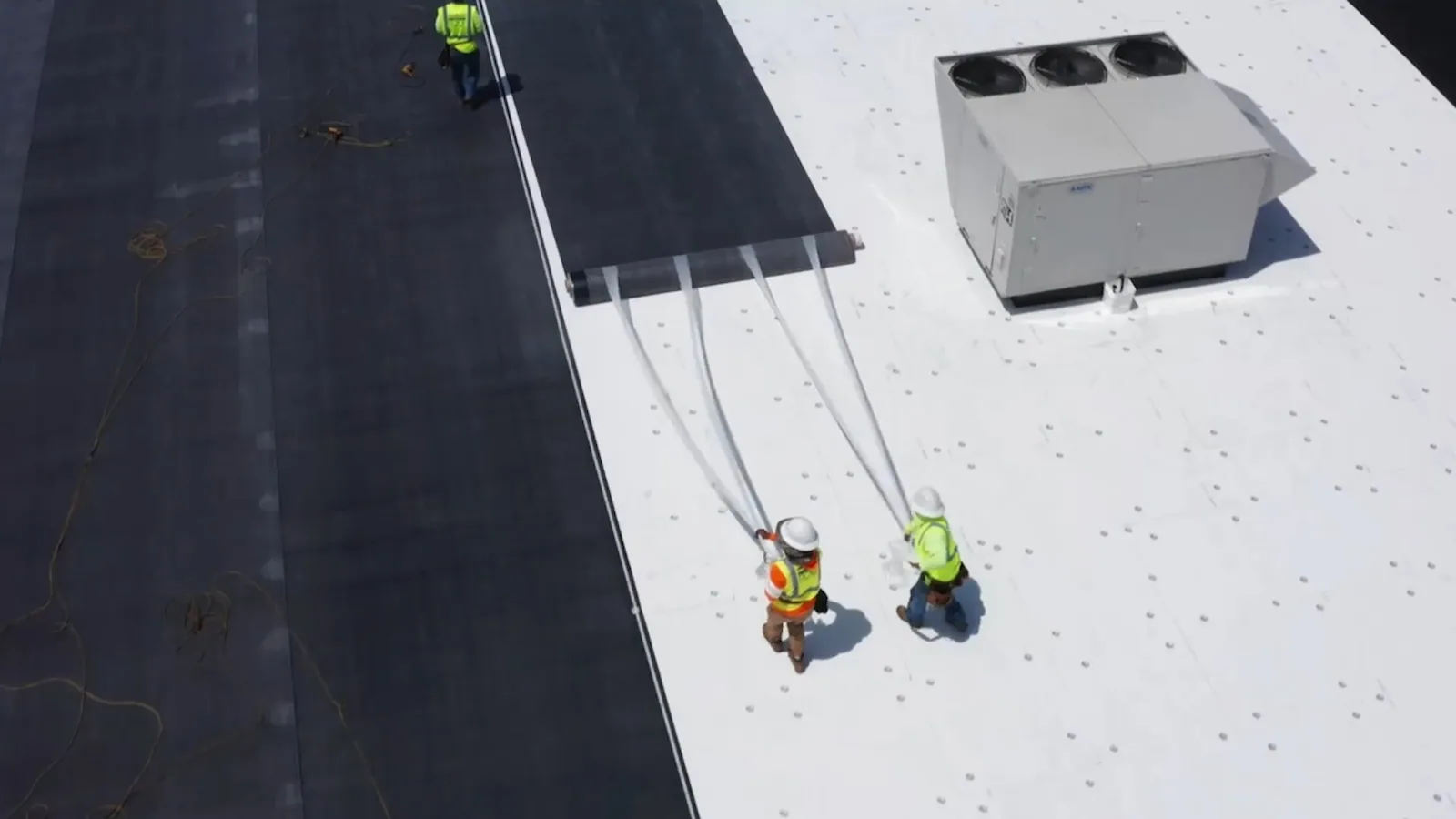
A chain's renewal decision needs more than the same roofing material specified at every store. Commercial Roofing Torrance examines commercial roofs in Torrance, CA and connects the proposed work to each property's observed assembly, receiving condition and operating restrictions. We identify the actual correction, the related equipment task and the information still needed before a wider removal quantity can be supported. A consistent assessment format helps the asset manager compare decisions while the construction findings remain particular to the assigned building.
Del Amo Fashion Center identifies a local retail setting, while Torrance Commerce Center provides industrial context for another property or receiving operation. The current operator establishes the work period and permitted material route at the subject address. We retain those arrangements with the roof scope so a purchasing standard does not quietly become an assumed construction sequence for every location.
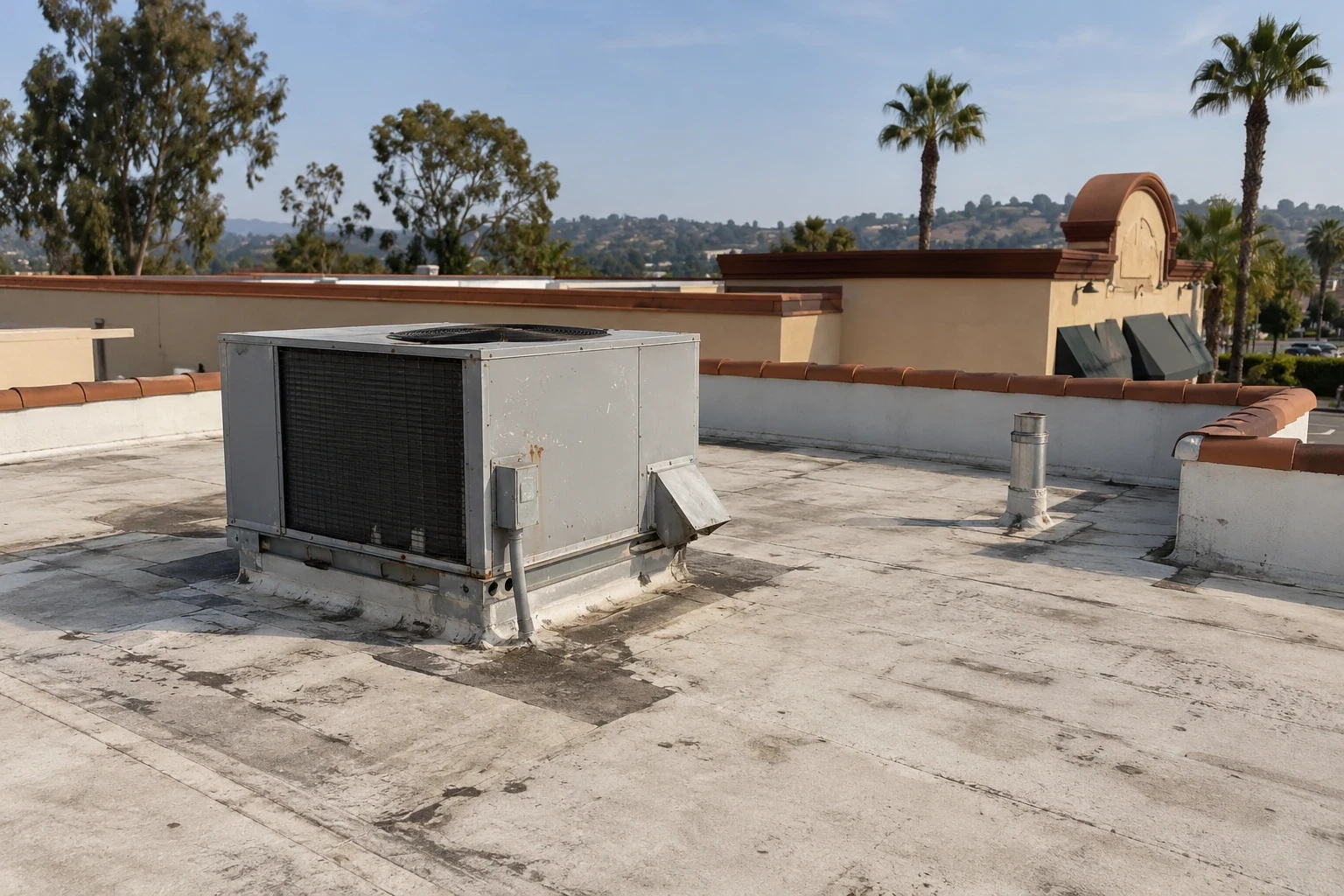
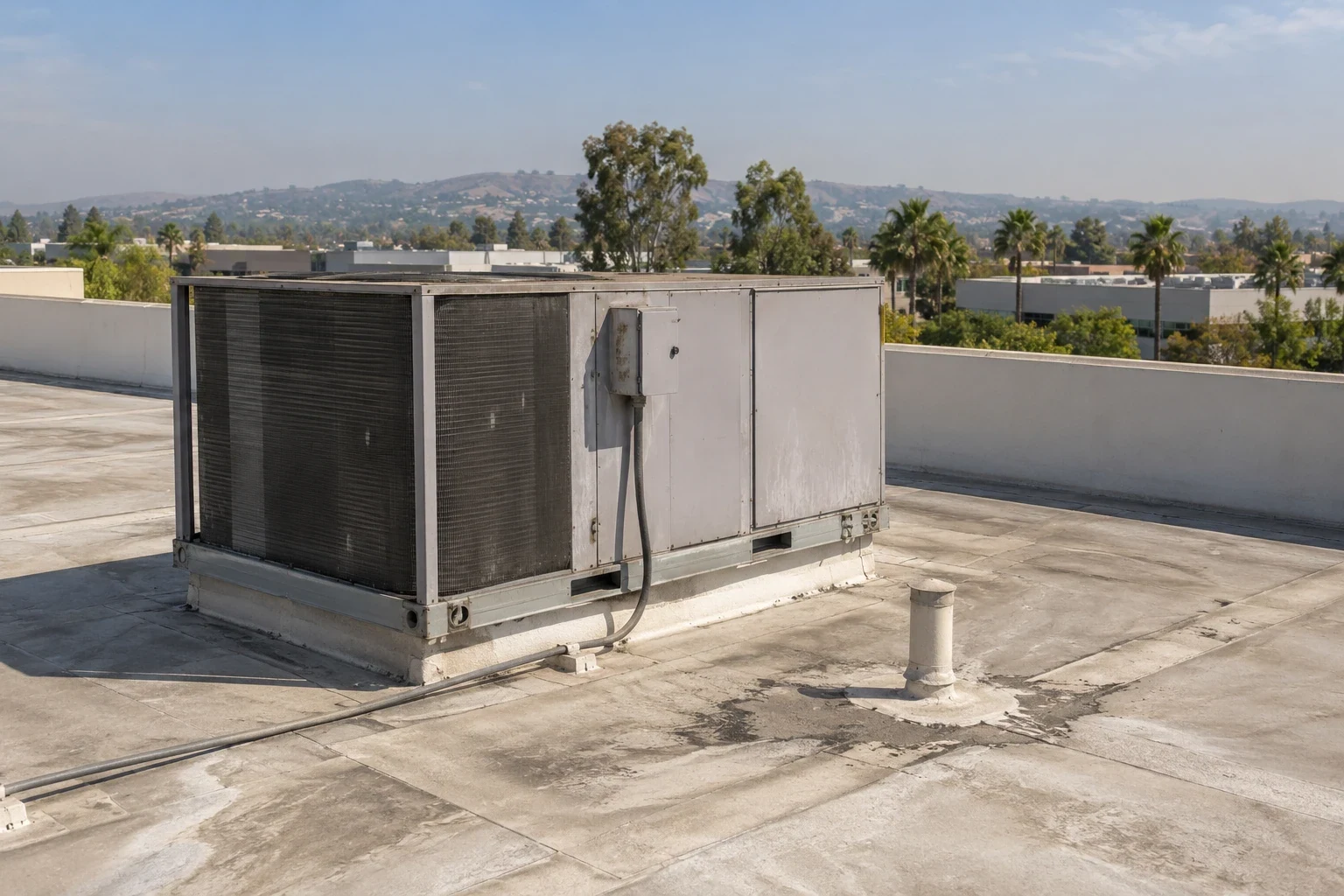
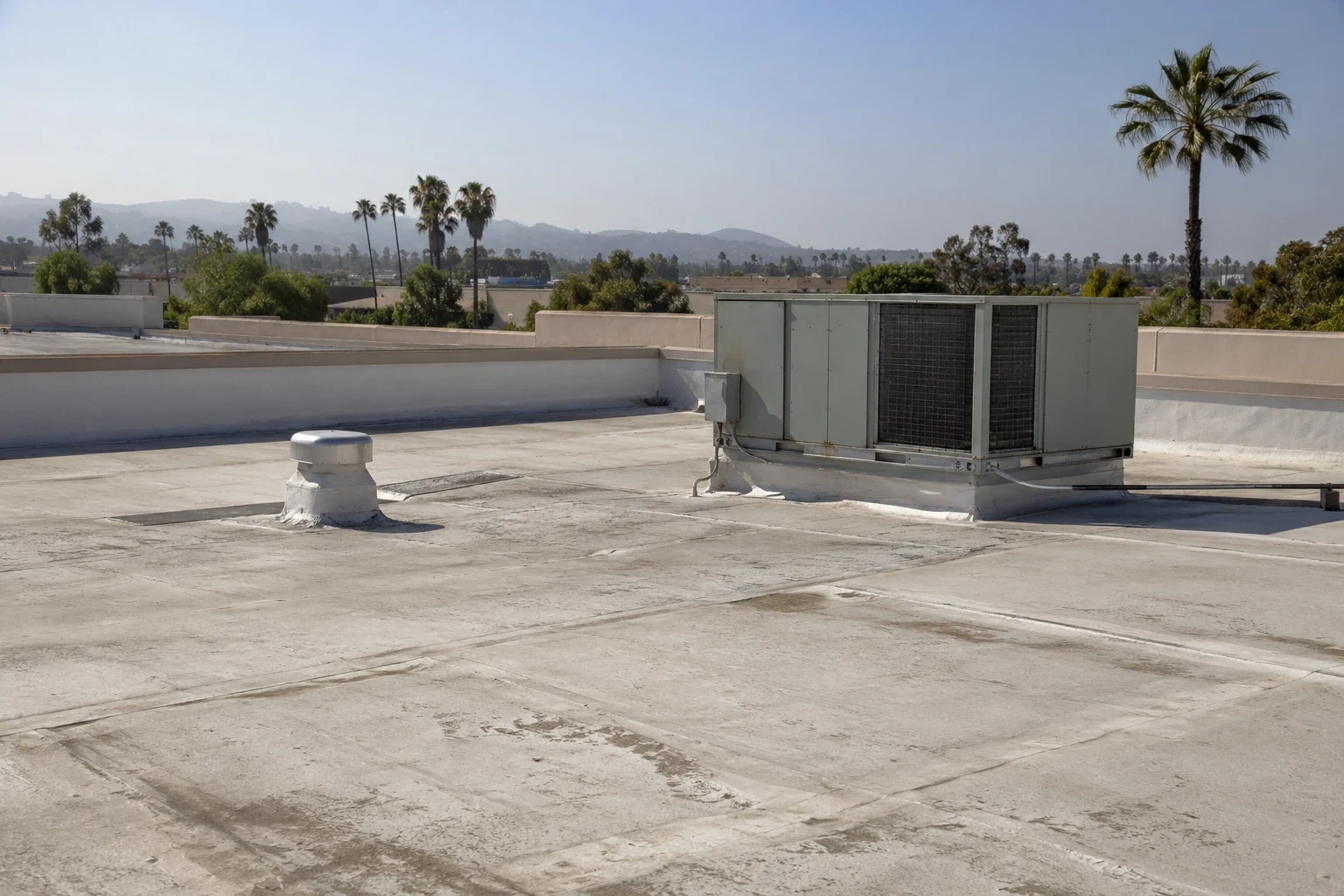
A proposed restaurant equipment change can affect several roof openings even where the occupied space remains the same size. We locate exhaust, ventilation and service penetrations involved in the alteration, then ask the responsible personnel to identify disconnection and reconnection tasks. The roofing examination establishes the covering and adjoining curb detail. Structural support, equipment service and operating permission retain their separate responsible parties.
For roof work serving restaurant premises, the operator supplies the actual food-service restrictions and available handling areas. A roof scope should identify those instructions beside the affected connection, not infer them from the business name. We photograph accessible construction and mark the openings on a plan so the project reviewer can connect each roofing quantity with the equipment task it serves.
Changes after that examination should remain located. A revised equipment position can change the roofing detail even when the proposed membrane remains unchanged.
A stained area near an exhaust connection needs the actual deposit, membrane and adjacent joint examined before a cleaner or repair method is proposed. Discoloration alone cannot establish chemical deterioration. We identify the material where records and examination permit, then assess preparation and compatibility for the proposed correction. Rebuilding a connection can also require the service task that addresses an ongoing equipment discharge.
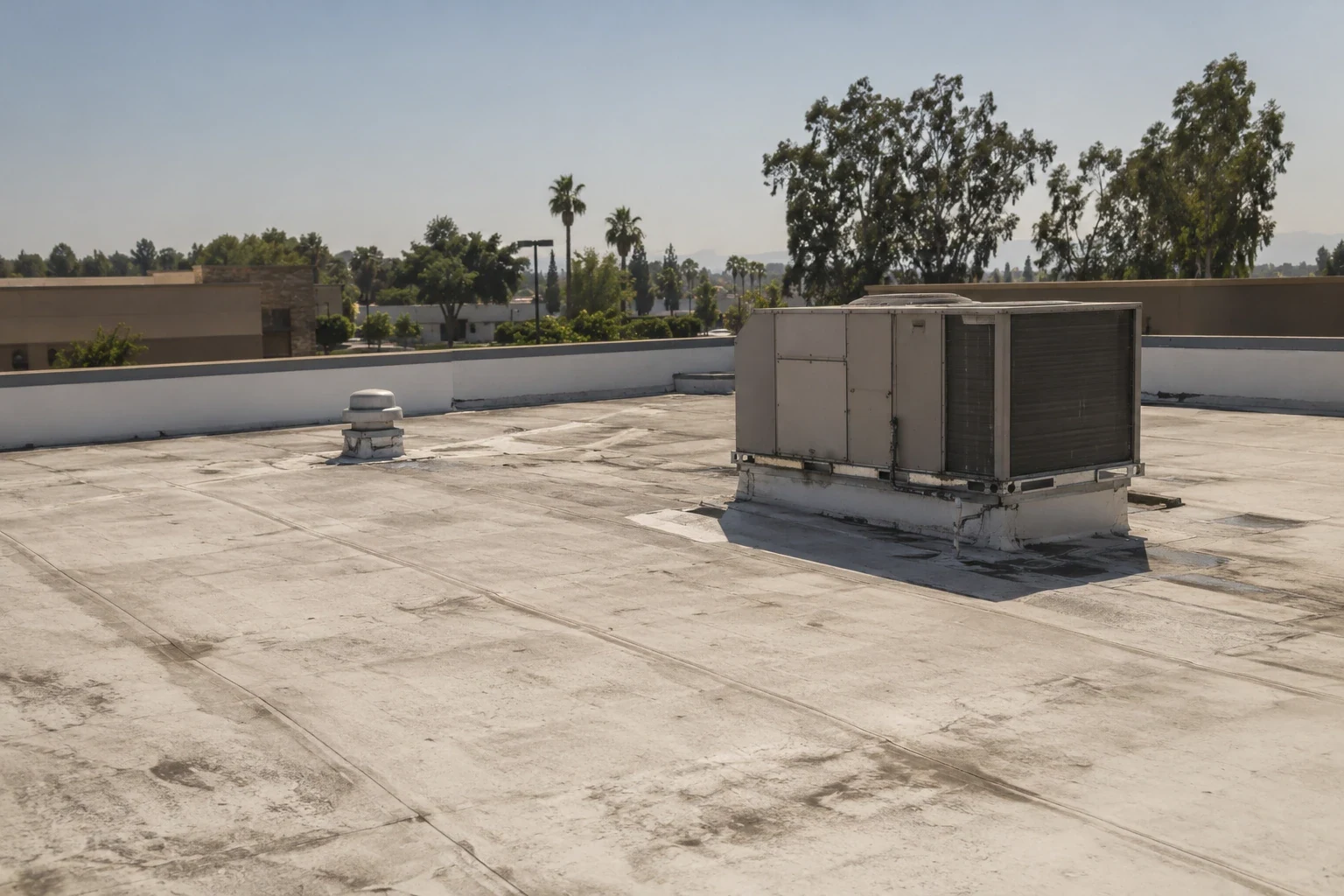
A concentrated retail roof correction needs sound joining material and useful clearance at its perimeter. Earlier patches may leave different preparations in adjoining areas. We describe which material remains suitable and where additional opening or testing is required. The construction comparison can then distinguish a complete local repair from a finish applied over receiving material that still needs removal.
The operator's equipment contact helps resolve the service boundary. Roofing should identify its completed weather seal without concealing a discharge or support question beyond that task.
An interior drip over a sales area needs the reported position compared with reachable roof and service details. We record the symptom, observed connection and any confirming checks necessary to support the permanent correction. A plumbing or condensation question stays with its appropriate investigation. The report should not turn a wet ceiling location into proof that all insulation beneath the field needs removal.
For roof assessment at a grocery building, refrigerated equipment and stock protection can affect the inspection and work sequence. The facility supplies its actual restrictions. Suitable moisture examination establishes findings within its test coverage, with concealed portions still needing investigation retained separately. The asset manager can see what the removal allowance includes and which uncertainty may change it.
A report becomes useful when its quantities can be returned to located details. Photos and measured boundaries explain the correction more clearly than a condition grade without the corresponding construction task.
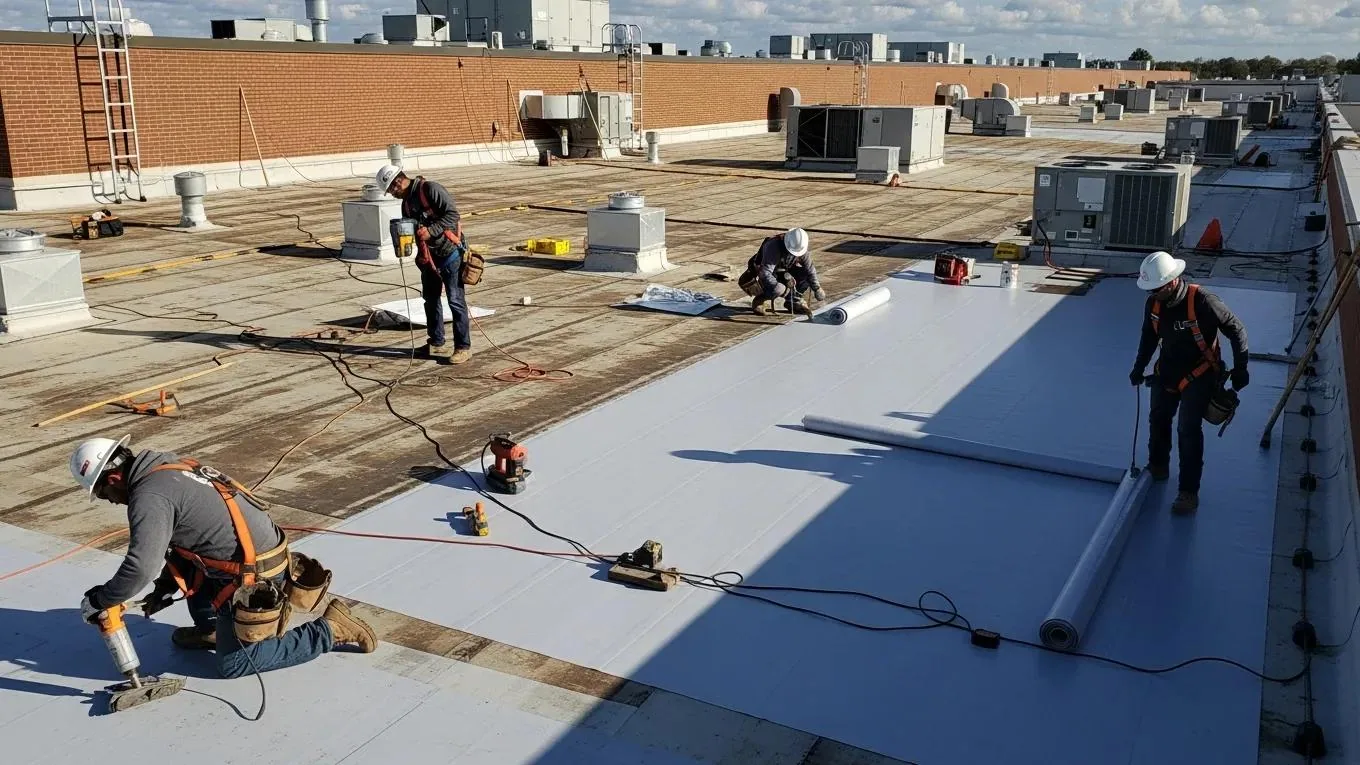
A retail entrance and a material route may cross the same working area. We establish protected pedestrian movement, receiving positions and waste handling with the operator before proposing the removal phase. The estimate should include the labor and protection required to keep construction within those approved limits. An installation price based only on roof area can omit the tasks that make an occupied retail job practical.
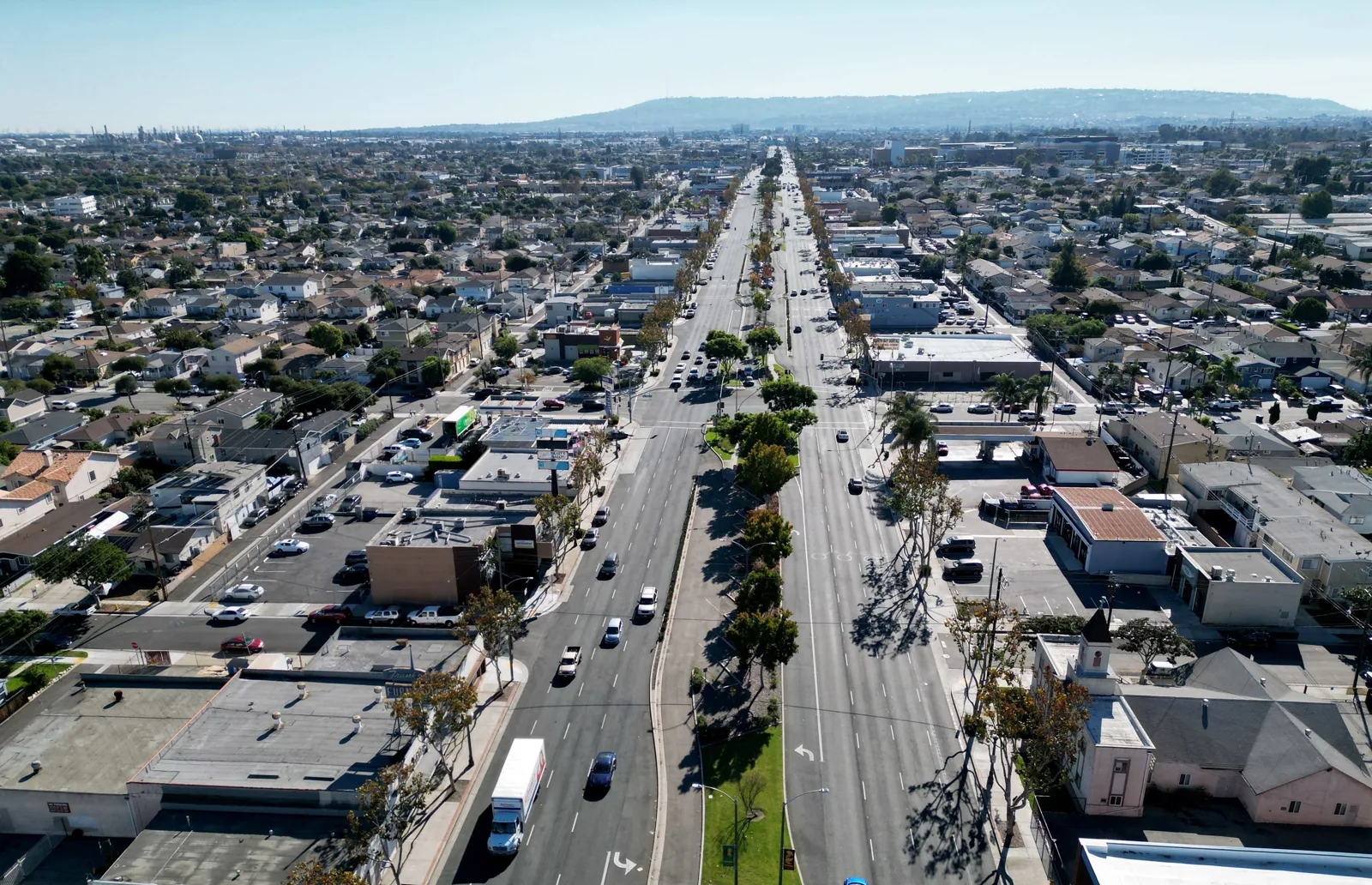
At an assigned property in the Hawthorne Boulevard Corridor, current access and management instructions govern the visit. A nearby shop does not receive permission to use another premises' service route simply because the buildings are close. We record the available handling arrangement and the confirmation still needed before scheduling a lift or committing an opening.
Roof replacement above continued business use also needs daily closure defined. Smaller phases can require repeated setup and temporary connections; wider openings require their appropriate protection. The owner can compare those alternatives with their actual operating effect explained.
A standardized product preference remains separate from the examined suitability of each roof. Existing layers, moisture condition and attachment need assessment before retention is selected. Changed insulation or perimeter details can also alter the construction comparison. We show the complete receiving work and installed assembly, with a removal alternative kept available where findings do not support preservation.
Torrance's adopted 2025 construction standards and amendments need their relevance assessed with the actual reviewing authority and submitted alteration. Applicable energy design includes the required building information, chosen compliance route and supported exceptions. Store branding and a familiar material color cannot establish that design. The assessment identifies the physical construction and questions still needing their responsible review before purchasing is finalized.
Regional coastal influence provides context for examining metal connections and actual application conditions. It does not establish that matching stores have matching corrosion or that a selected date supplies a dry receiving surface.
A finished penetration repair should remain connected to the service opening and roofing quantity approved for it. We assemble located completion evidence showing the installed detail and identify any mechanical or receiving task still awaiting its party. The operator establishes its own readiness for business use. A roofing completion entry should not silently complete an equipment responsibility that remains outstanding.
Property management across retail premises needs those distinctions at each address. An associated hospitality property with dining operations may have different occupied-space and service restrictions, even where purchasing is coordinated. Common reporting can align the review without transferring another building's findings or access permissions.
Issued warranty terms retain their relevant notice and upkeep tasks. We identify the completed roofing and continuing care responsibilities in the closeout package, giving the manager a practical basis for the next maintenance or alteration decision.
Store teams benefit from a work plan that protects customers as well as the roof. Map deliveries, lift locations, access paths, exhaust equipment and public entrances before scheduling removal. Agree on noise windows, temporary closure needs and who will communicate a changed route to store personnel. Keep grease or exhaust buildup distinct from membrane failure; both may be present, and each requires a different corrective scope. For multi-store programs, compare locations using the same fields but retain each store's photos, measurements and approvals. The closeout should tell facilities staff what was repaired, what remains under observation and which access or maintenance restriction continues after the crew leaves.
Assess its suitability at each assigned building before carrying the specification over. Existing layers, receiving material and applicable design requirements can differ even where stores share a purchasing policy.
Locate the old and new openings with their curb and roofing tasks. Retain the responsible service work and final closure sequence so the alteration does not leave an unassigned penetration behind the equipment schedule.
The actual material condition and compatible preparation need examination. We identify usable joining material and the related service task, then explain whether a local correction is supported or additional removal is necessary.
Keep the receiving correction and installed assembly comparable, then show setup, protection and daily closure tasks for each sequence. The operator's actual business restrictions establish which arrangement can proceed.