Property Types We Roof
Assess Torrance restaurant roofs with exhaust connections, compatible repairs and service access. Review the full scope before changing kitchen equipment.
A kitchen exhaust replacement raises a roof decision at the curb, discharge area and former connections. The new equipment needs more than a surface patch to complete the change. Commercial Roofing Torrance examines restaurant roofing in Torrance, CA and develops a scope that connects suitable receiving construction with the service sequence. The owner can review removal, preparation and permanent closure before installation fixes the equipment position.
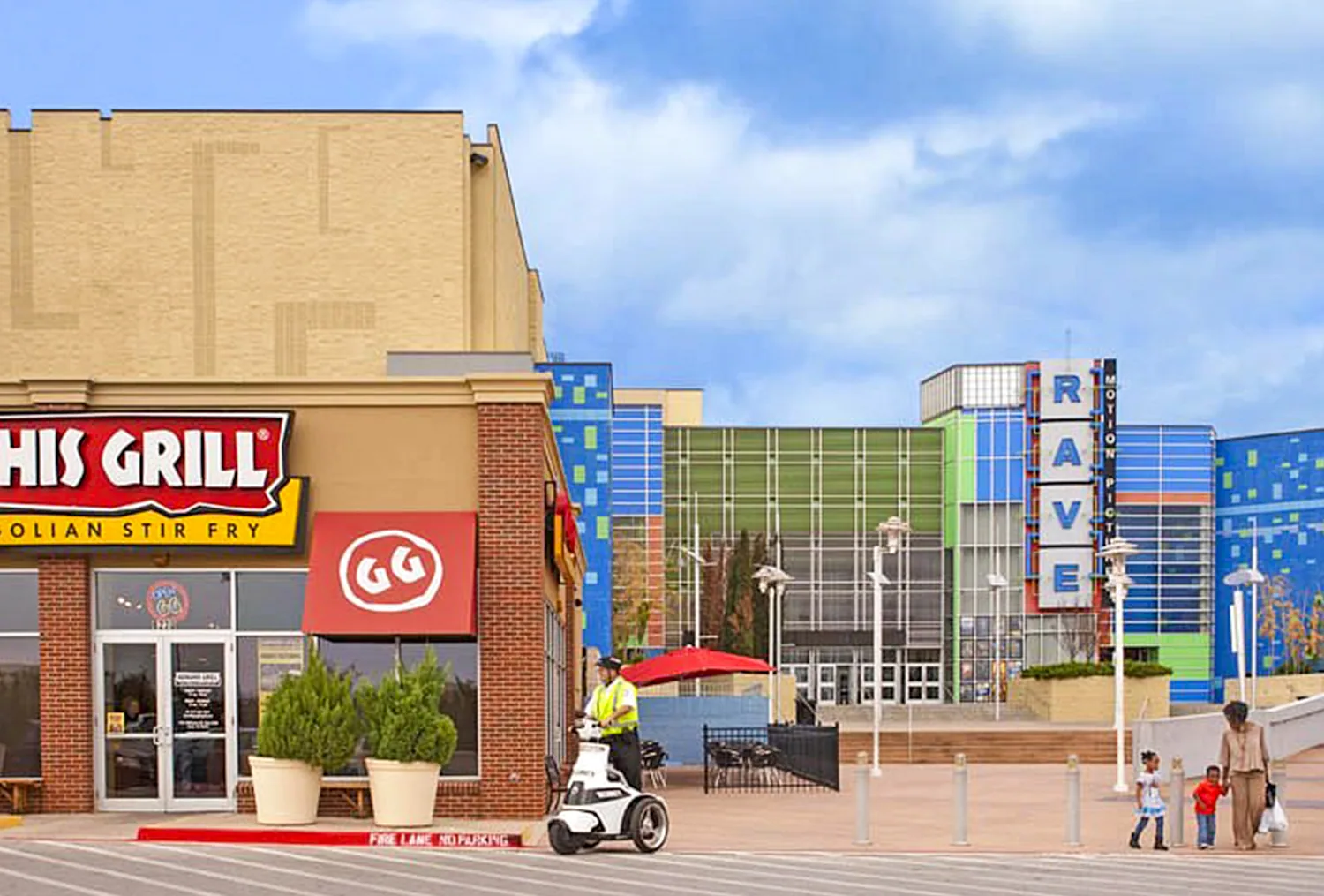
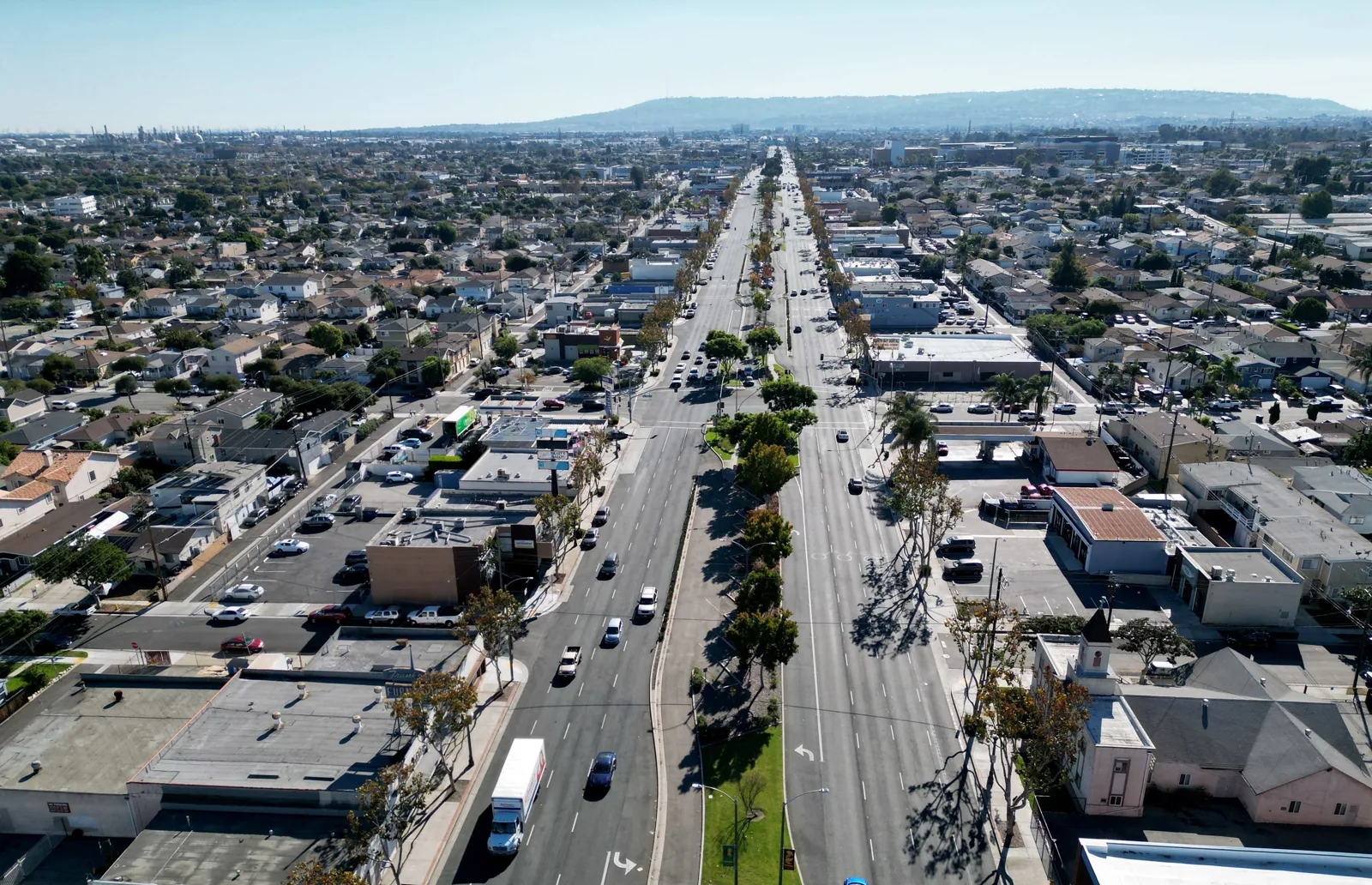
Del Amo Fashion Center is a current retail destination on Carson Street, while Hawthorne Boulevard provides another local orientation for a restaurant visit. The assigned operator identifies the actual premises, kitchen services and permitted entry. We record those particulars before planning investigation or construction above food preparation and dining areas.
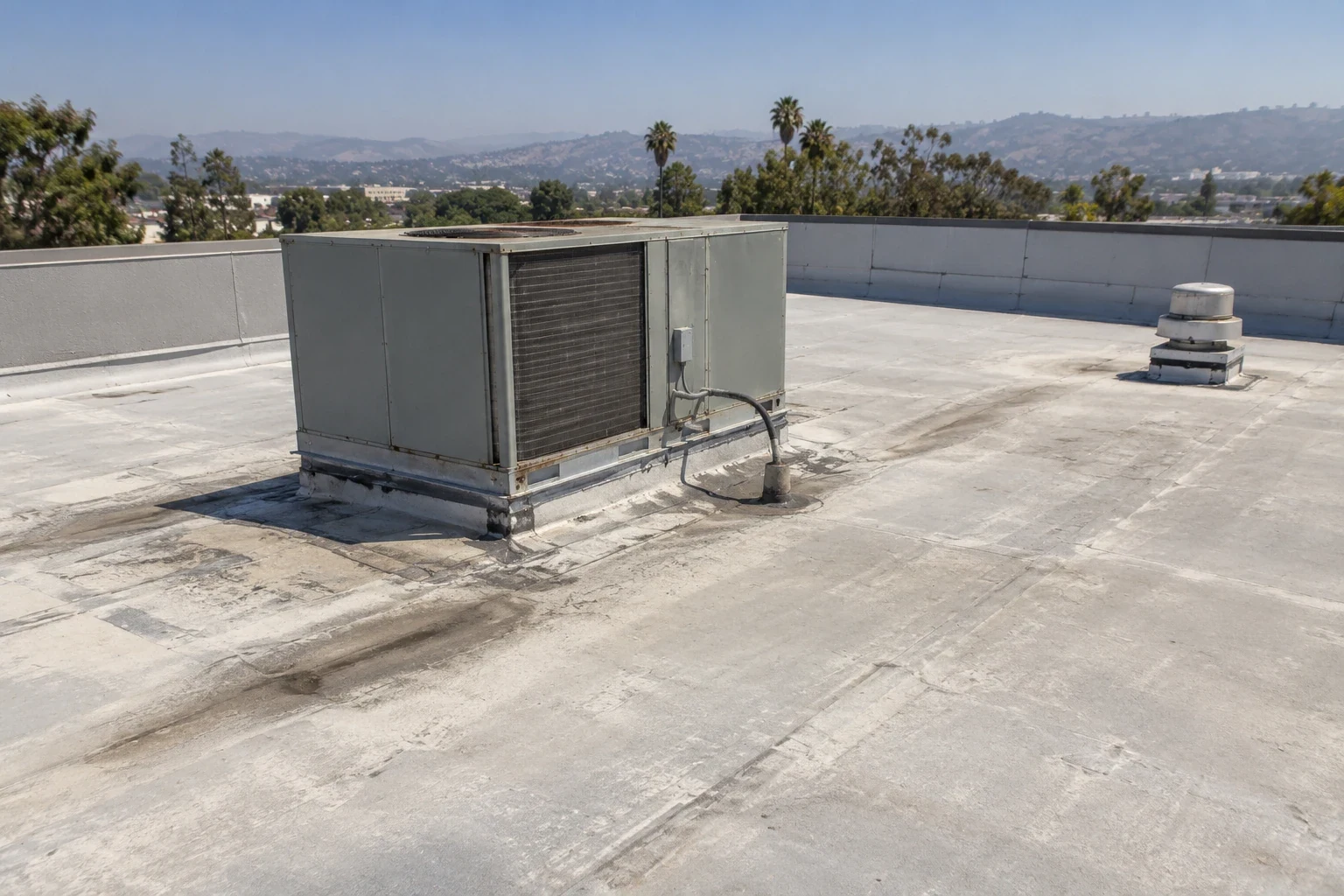
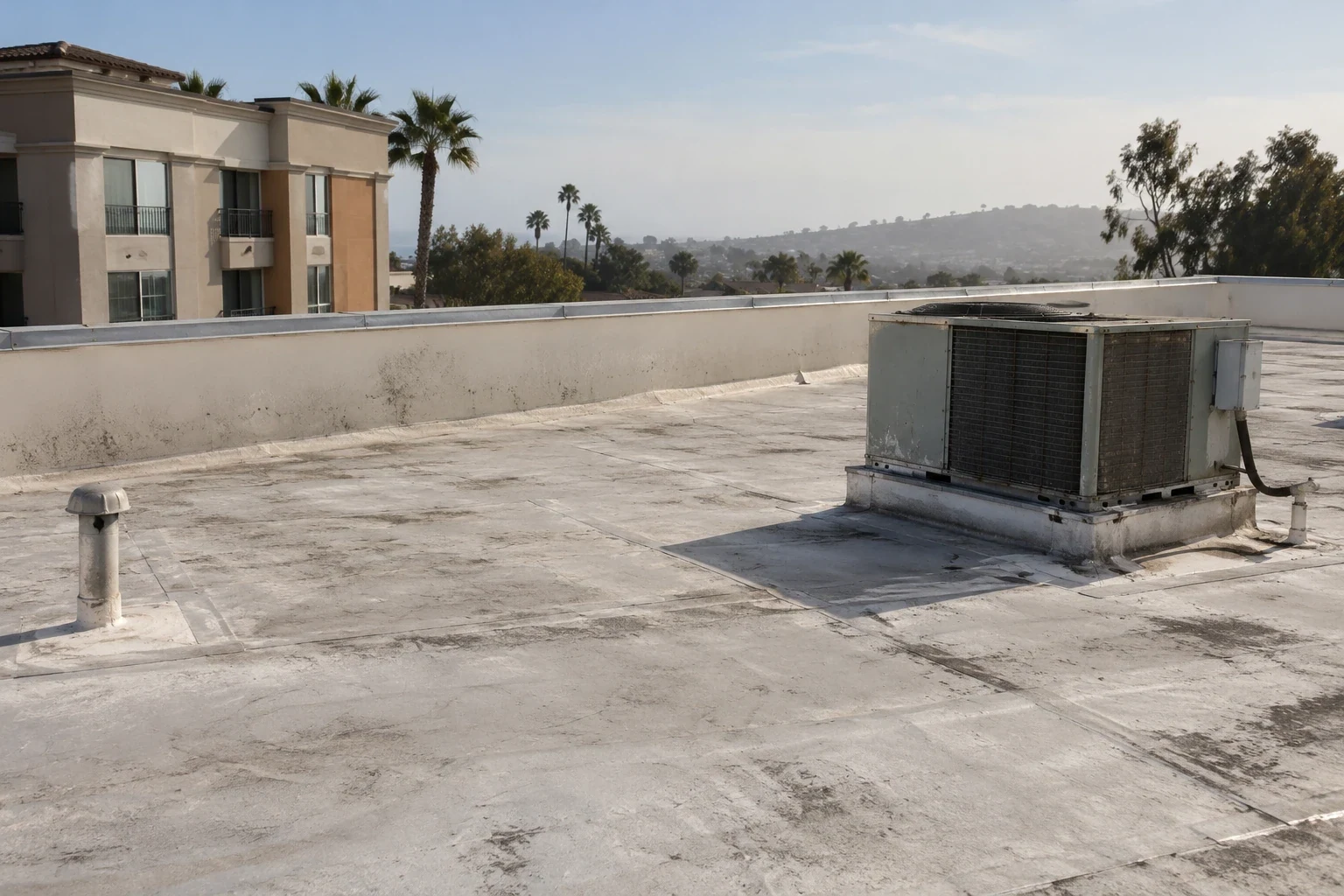
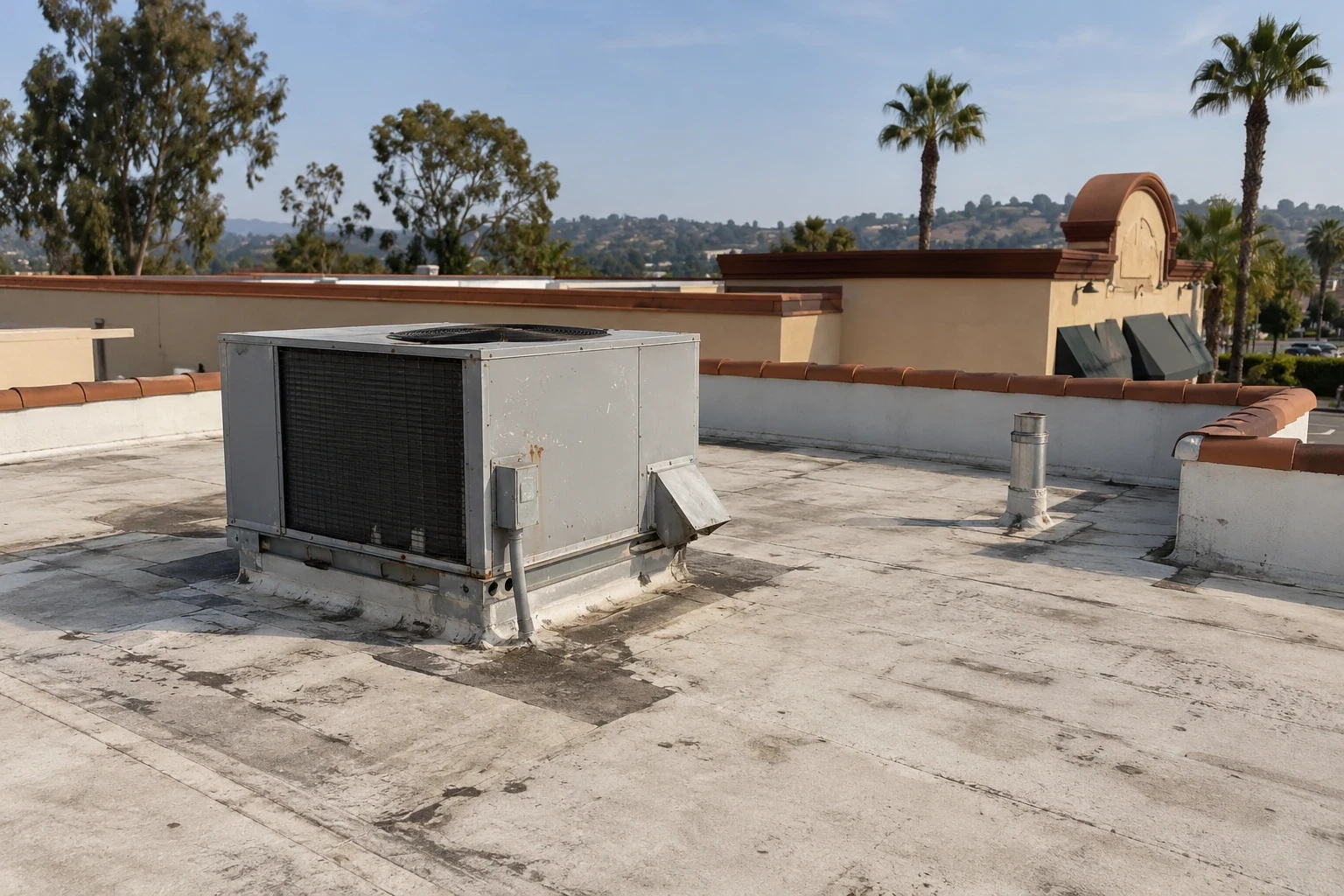
Visible residue beside an exhaust unit affects the examination and preparation needed for a roofing connection. We identify the reachable membrane, prior treatment and the proposed joining boundary. Cleaning requirements and material compatibility must be addressed before a repair product is selected. Covering a contaminated surface can leave the connection unsupported even if the new material appears to span the defect.
Restaurant roof detail examination records the affected position with orienting views and close images. We keep the observed condition separate from equipment maintenance tasks assigned to the service team. The operator receives an explanation of what preparation the roofing needs and which service work precedes it. Any concealed receiver question retains an authorized investigation and closure arrangement rather than an assumed repair quantity.
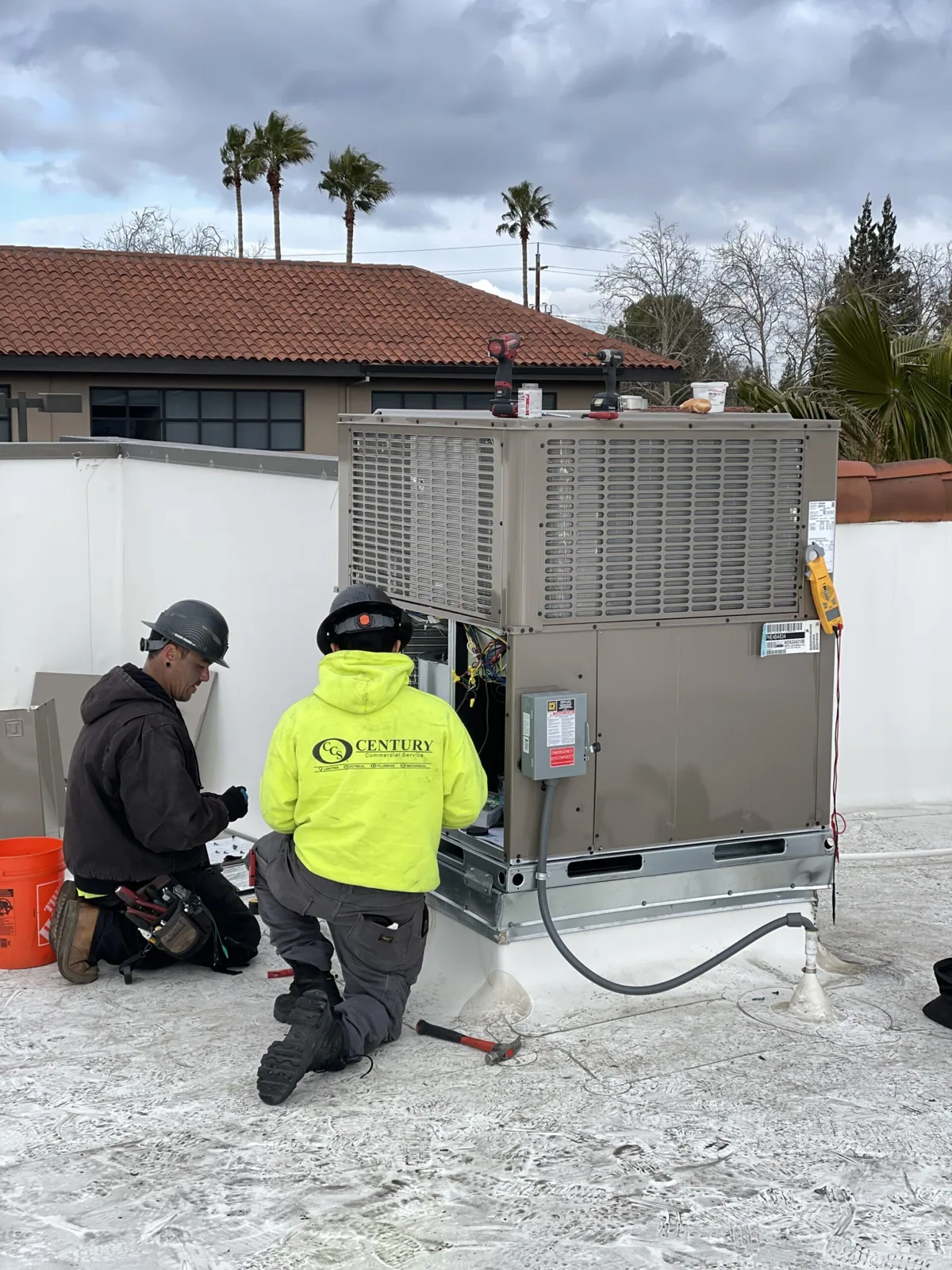
A fan replacement may require lifting, disconnection and a changed support or curb. The equipment participants provide dimensions, operating requirements and their permitted work period. We measure flashing clearances and describe removal needed to reach suitable material. The roof connection is completed after the prepared receiver is available, with temporary protection specified if service readiness and roofing closure require separate visits.
For a restaurant within shared retail premises, the property manager may control roof alteration while the operator controls the kitchen interruption. A hotel kitchen roof assignment can introduce additional guest and service restrictions. We retain the actual approval and operating contacts with the subject detail. A delivery or equipment order does not resolve those separate construction responsibilities.
A moved exhaust unit can leave an opening that needs supporting closure below the new covering. We identify reachable deck edges, insulation and surrounding roof material, then distinguish qualified receiver work from the permanent waterproofing. Closure requires a suitable construction detail for the actual opening. A sheet of surface material spanning it cannot establish the condition of support beneath.
Roof work for relocated restaurant equipment therefore includes both ends of the alteration. The new position gets its measured connection, and the abandoned position gets its separately described receiver and finish. We retain photographs of preparation before concealed work is covered. The owner can connect the installed amount to a complete relocation rather than find the former opening outside an equipment-focused estimate.
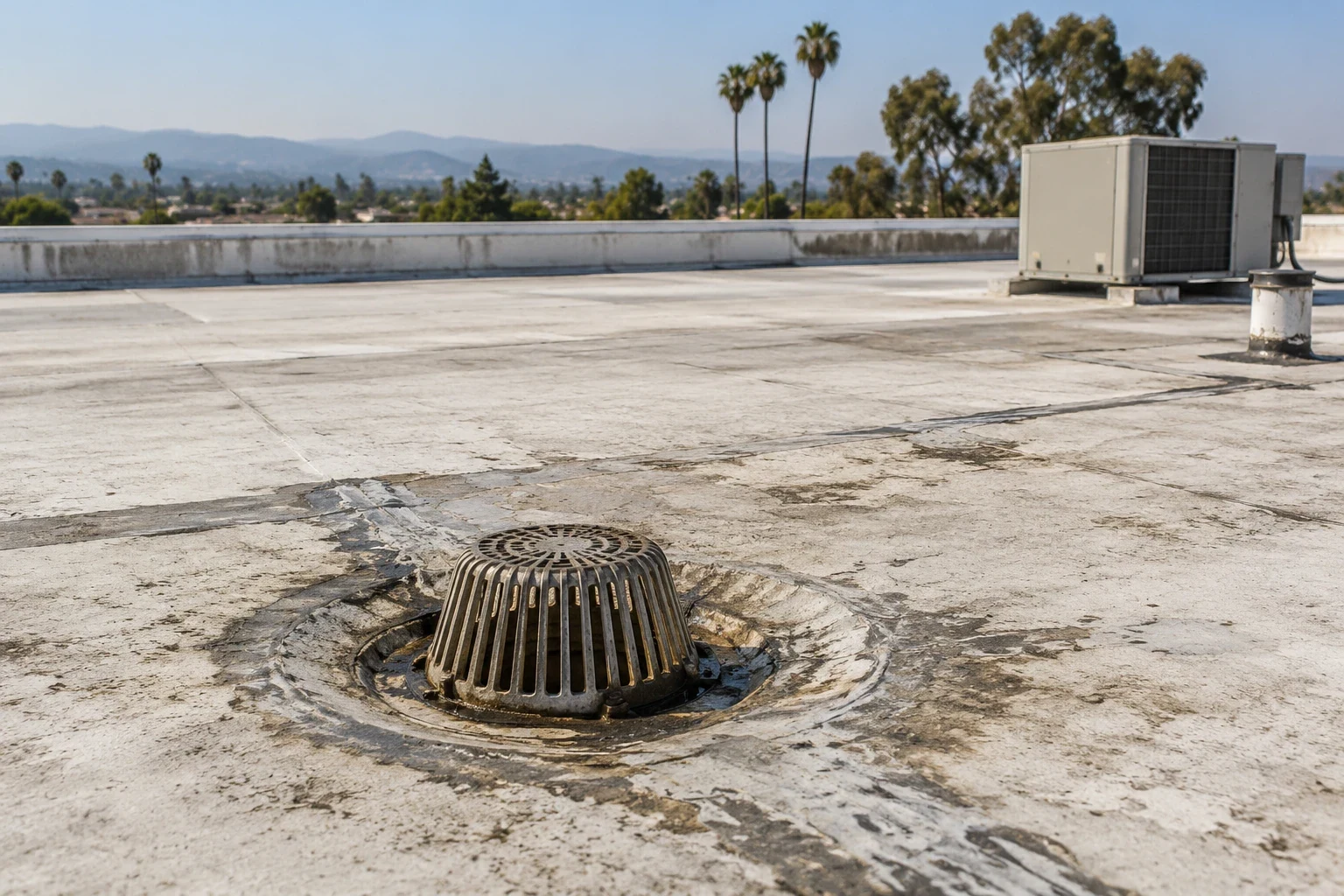
An exhaust service route crossing a low area needs its actual movement and drainage considered together. We inspect reachable outlets and the waterproof connection, identify accessible obstructions and note positions where service activity affects material. Equipment cleaning and drainage pipe service keep their own responsible participants. Roofing repairs address the supported detail with compatible preparation.
Restaurant outlet reconstruction preserves the path needed for discharge during work. Added protection or stored components should not block that route. We explain whether the finding supports cleaning, repair or a wider alteration requiring review. A new drain position is a construction change with receiving and design tasks, rather than a routine response to any ponding reported by the operator. Located findings keep those choices distinguishable.
A kitchen closing hour can still leave cleaning staff, refrigeration and ventilation operating. The restaurant contact identifies service restrictions, affected rooms and protected access before the removal phase is set. We include handling, disposal and temporary closure with the selected method. Conditions affecting surface preparation or product application must also be assessed at the actual detail before installation proceeds.
For premises near Hawthorne Boulevard Corridor, the scheduled visit confirms the restaurant and property contacts. The operator and responsible trades authorize their service changes while the roof phase follows the agreed readiness points. A limited work period may require smaller openings or repeated setup. We state those costs with the construction quantity so the owner can compare a complete method suitable for the restaurant's operating instructions.
Keep the service clearance with the completed exhaust detail. Later cleaning or equipment work needs access without cutting into the permanent flashing. We identify the reachable maintenance positions and any protection included in the repair, so the operator can coordinate continuing care with the installed connection.
Additional deterioration encountered during opening is located and measured before the revised remedy enters the approval process. We explain the receiver correction and maintain protection of incomplete work. The owner can distinguish the initial roofing task from a wider rebuild, with accepted changes preserved beside the actual detail.
Applicable roof warranty provisions retain notice, care and alteration duties for the issued terms. At completion we provide installed material, preparation and finished positions, plus the extent of our checks. Equipment maintenance and return of service remain with their assigned participants. Restaurant roof water entry can receive emergency attention overnight and during weekends or holidays. Safe entry directs immediate protection, and temporary intervention carries a defined permanent follow-up for the roof detail.
Restaurant roof work intersects with kitchen exhaust, grease management, deliveries and guest service. Identify hood discharge, rooftop make-up air, refrigeration equipment and any cleaning schedule that affects access. Coordinate odor, noise and debris controls with the operator and confirm how food-preparation areas beneath an opening will be protected. Grease deposits may influence substrate preparation but should be documented as a condition, not assumed to be the sole leak source. Schedule lifts and material movement away from the service entrance when the owner requests it. Closeout should note repaired penetrations, any exhaust-related maintenance item and the time public or kitchen access restrictions end.
Examine the existing surface and contamination before selecting the joining method. We recommend identifying compatible cleaning and removal requirements, with the equipment service task assigned separately. The proposed repair needs a suitable receiving boundary; spanning the visible defect does not establish adhesion or complete the adjacent service correction.
Identify the property participant controlling alteration and the operator controlling kitchen services. Their decisions may involve different contacts. We retain the physical work and permitted operating arrangement with each responsibility, so an equipment purchase or kitchen shutdown is not treated as approval for every roof construction change.
The former position may require deck closure, insulation reconstruction and a compatible permanent surface connection. We examine reachable construction and identify qualified receiver tasks where needed. Keep that position in the relocation scope with its own quantity and preparation evidence, rather than leave it outside the new equipment installation allowance.
Retain examined material, preparation and wet-layer questions with the proposed treatment. Restoration requires suitable construction and installation conditions, while a limited repair needs its own usable joining boundary. We recommend including operating restrictions in both methods so the comparison addresses completed roof work and the service arrangements required to accomplish it.