Roof Systems
Assess TPO roofing in Torrance through receiving-layer checks, weld examination and measured perimeter details before repair, recover or replacement.
A TPO warranty question in Torrance, CA starts with the affected detail and the examination needed before a judgment about the wider membrane. An equipment alteration, split seam or exposed fastener may require different construction and different review. We identify the installed sheet where possible, locate the condition and examine the receiving layers before proposing repair or replacement. The asset manager receives an explained boundary for the work and the separate steps needed under the actual warranty.
At a retail property near Del Amo Fashion Center, identify the tenant equipment affected by the proposed TPO correction and the rooms needing protection below it. We establish the installed assembly and permitted access at the property, distinguishing visible findings from concealed conditions that could change the removal or joining boundary. TPO can be a suitable commercial system, but its performance depends on the complete installation rather than the membrane name alone.
A TPO replacement needs a receiving surface that can hold the selected attachment and support the finished sheet. We examine deck information, accessible condition and the existing insulation arrangement. Moisture indications are evaluated with suitable follow-up, including targeted openings where needed. Cover board and insulation joints affect how the surface carries traffic and how smooth the membrane remains across the roof. They belong in the assembly decision before sheet thickness is selected.
We compare a TPO proposal with PVC construction or an EPDM alternative through the whole system, including flashing and repair methods. The material comparison should answer an actual building requirement rather than rank membrane names in isolation. A retained layer may be acceptable for one approved assembly and unsuitable for another. We identify the receiving condition and the review needed, so the owner can compare options on the construction each would actually install.
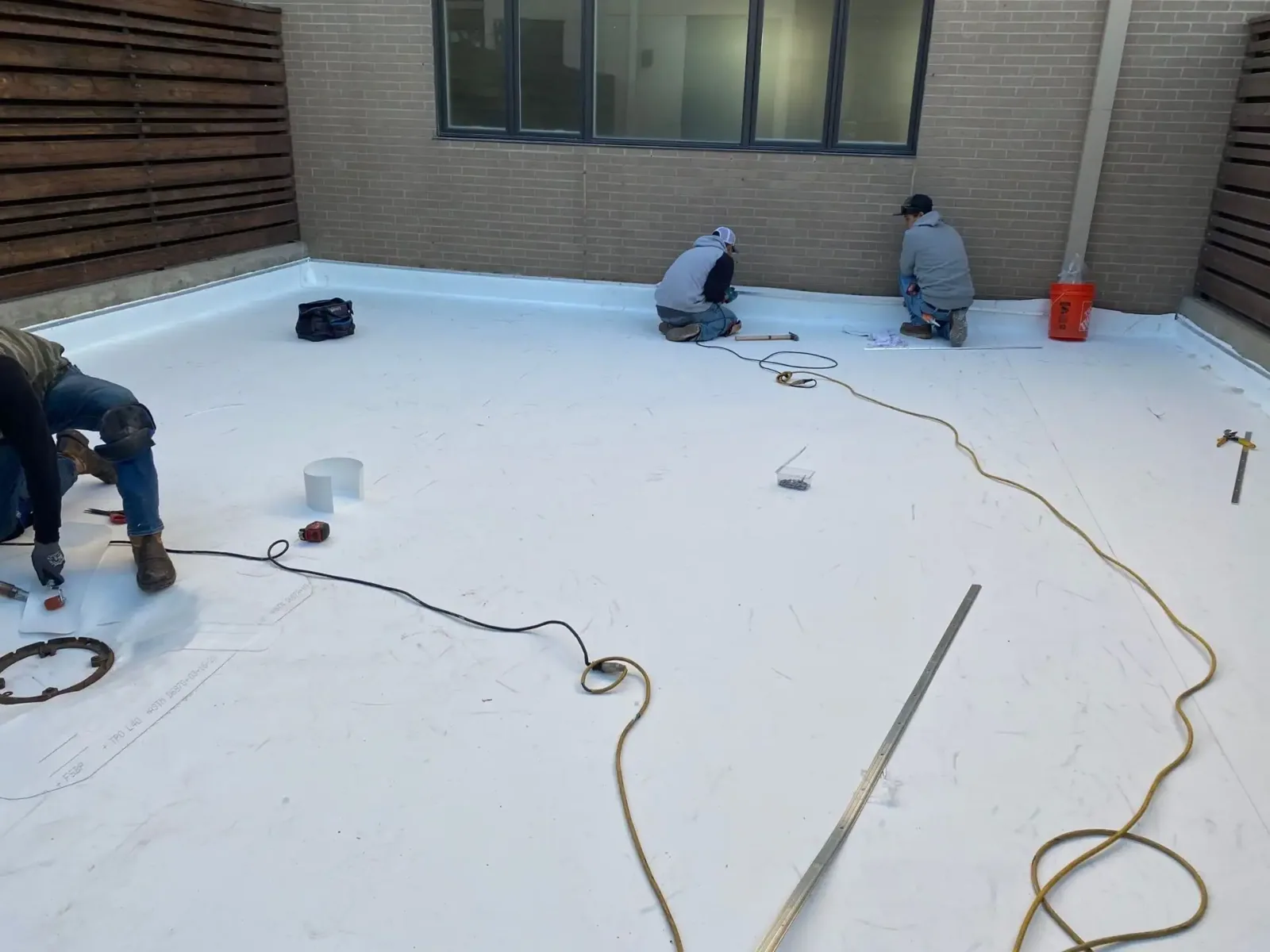
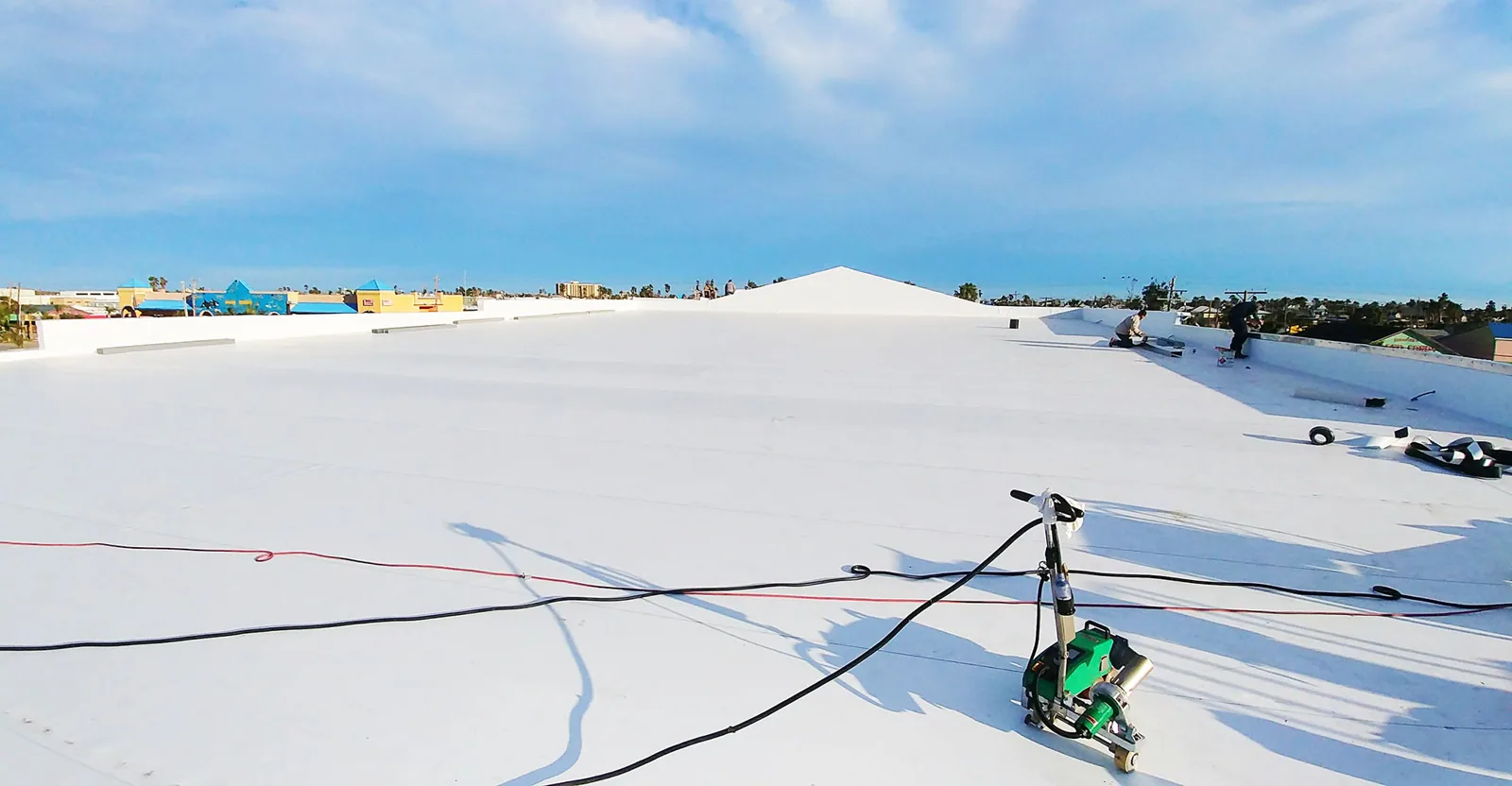
A TPO lap depends on a properly formed heat weld between compatible surfaces. We examine accessible seams, corners and patches for incomplete bonds, contamination and damaged sheet. Probe findings are located rather than described as a general membrane failure. Where testing is appropriate, the method and receiving condition are recorded. A fresh patch needs sound compatible material outside the defect, which can make its boundary wider than the visible split.
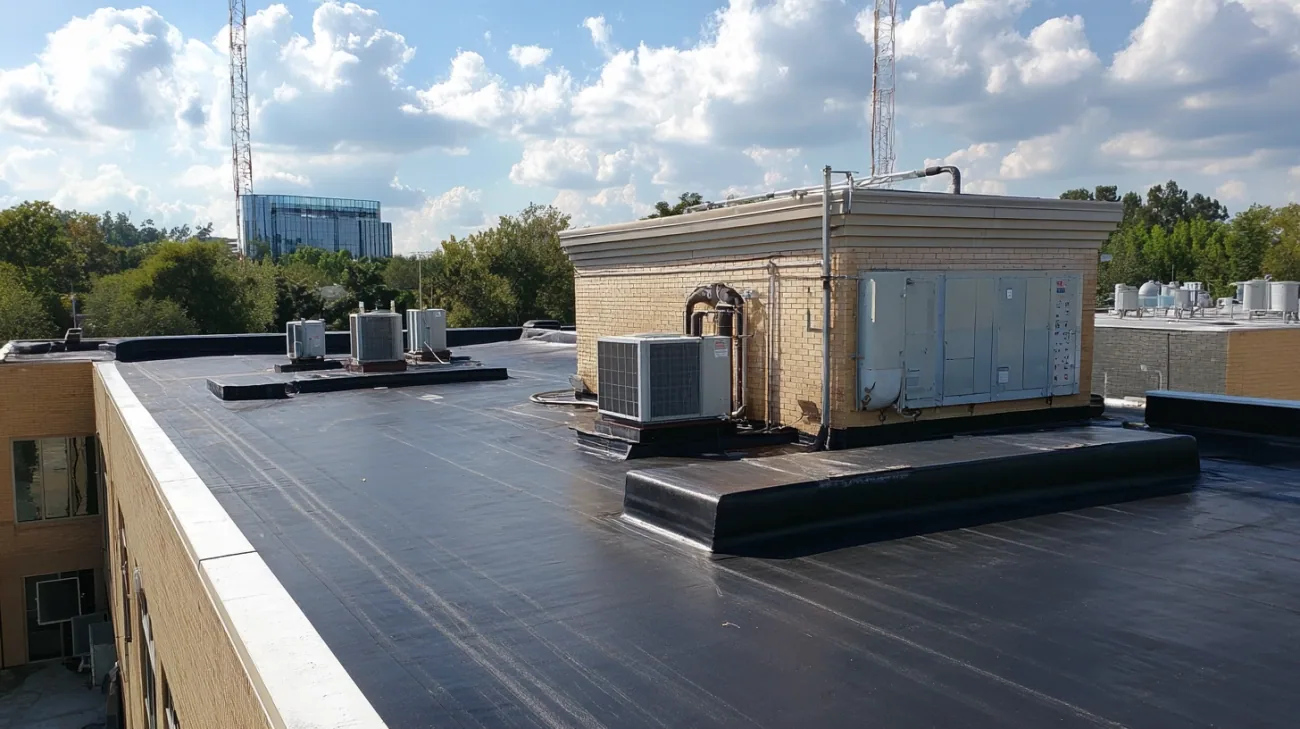
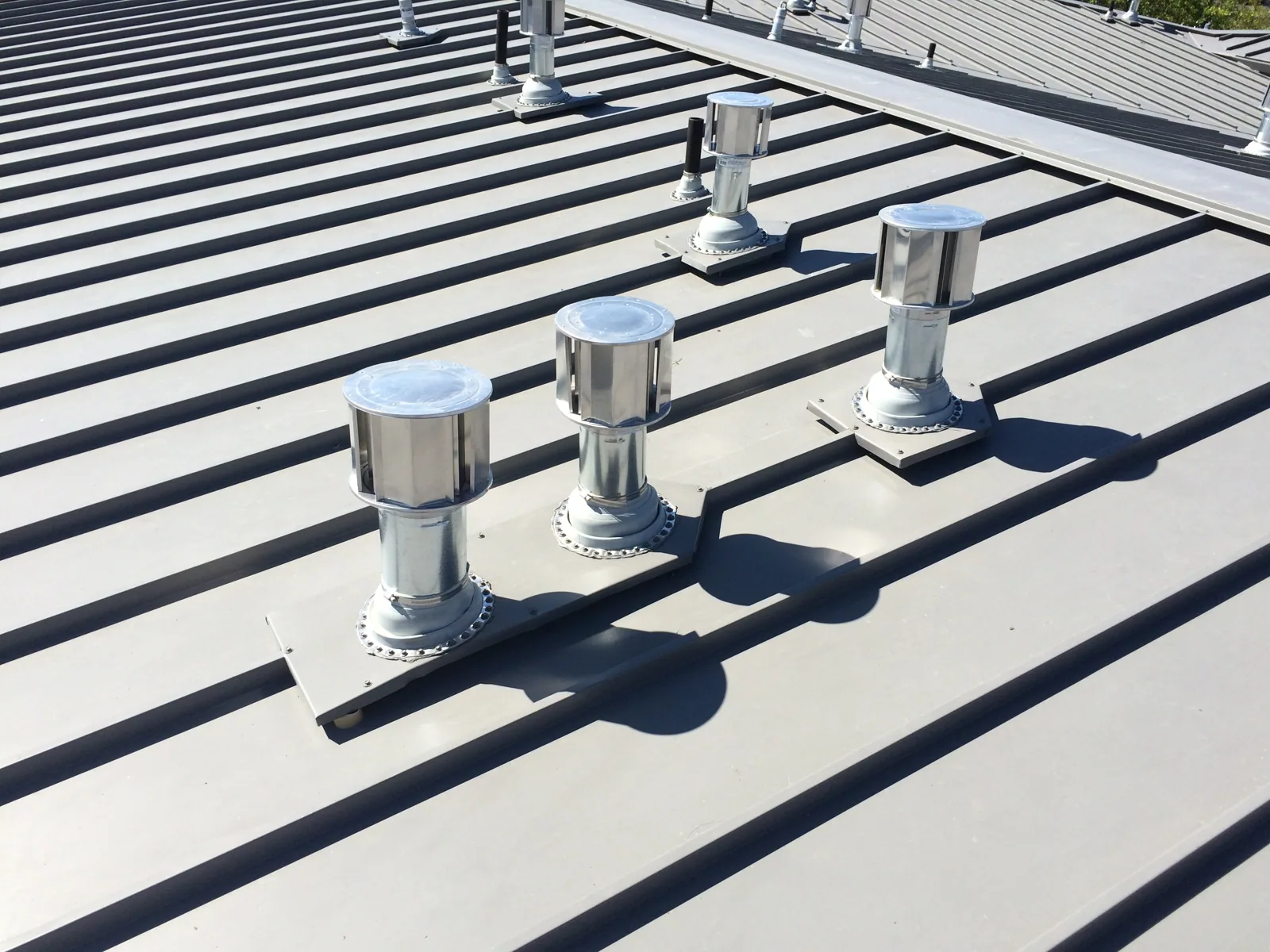
Equipment corners, changes in height and perimeter transitions concentrate detail work. We inspect whether the sheet can move as intended and whether its fastening or termination is still secure. Penetration flashing repairs must connect with the actual TPO detail instead of relying on a sealant bead as the primary waterproofing treatment. Cleaning and preparation are selected for the existing material. A repair trial that fails to produce a dependable connection changes the recommended scope rather than being hidden beneath more patching.
A membrane field and its perimeter are part of the same wind-resisting assembly. We identify the selected attachment approach, substrate and required perimeter details with the responsible design inputs. Existing fasteners and edge metal are examined before being reused. An apparently intact sheet does not establish that concealed attachment is suitable for a new recover. Where information is missing, the required investigation is listed before the construction decision proceeds.
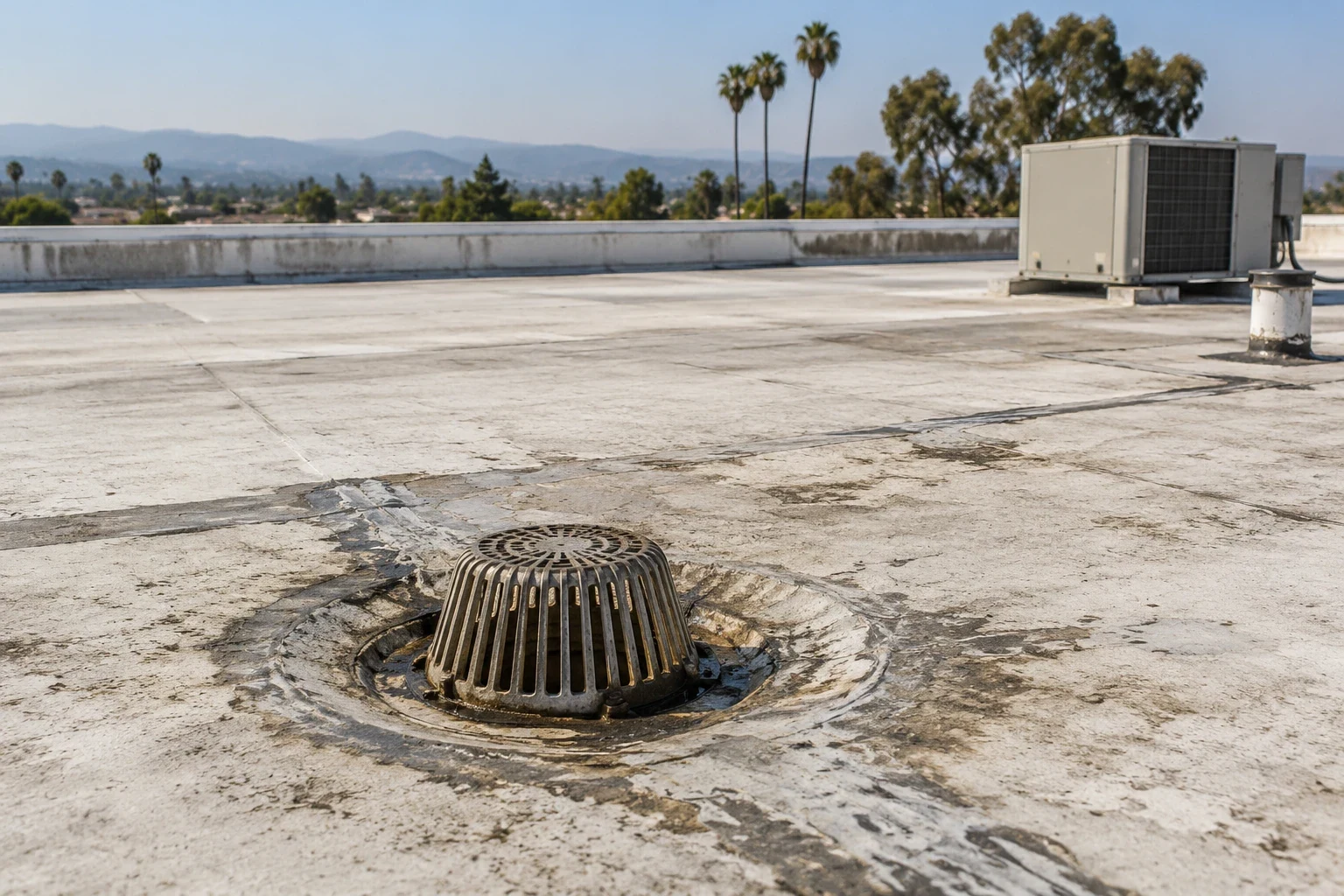
The historical announcement for Torrance Commerce Center describes industrial development. For a subject industrial building, we measure drains, curbs and edges without inferring their construction from that account. Drainage corrections may be required where a new insulation arrangement changes outlet elevations. TPO flashing needs adequate receiving height and accessible transitions at those outlets. We map the changes together so improved insulation does not inadvertently leave a short curb or an obstructed scupper at the finished roof surface.
A localized open seam can justify a measured repair where adjoining material remains suitable. Widespread deterioration, recurring incompatibility or wet receiving layers can make repeated patching a poor construction route. We describe the extent of the examined findings and identify the limitations of any retained roof. The proposal separates removal, substrate repair, new sheet and detail work rather than treating replacement as one undifferentiated item.
A recover option has to establish that retained construction is permitted and suitable for the proposed system. Capital planning can then compare that option with removal using clear assumptions. For an asset in Torrance Industrial Area, actual roof findings determine the allowance. A development date does not date the existing membrane. The asset manager can see which part of the budget addresses confirmed work and which part depends on a further construction assessment.
A finished TPO installation should be identifiable by its selected material and assembly. We retain located detail photographs, construction changes and the relevant seam checks. Drain connections, curb transitions and perimeter work are examined before final completion. Any incomplete detail receives a specific correction, so the final walk can distinguish an installed membrane from a finished roofing scope.
Service routes and compatible repair requirements are explained for maintenance staff. Equipment work can puncture the sheet or disturb a detail even where the roof field remains sound. We identify protected travel areas and the locations needing continued access. The issued warranty process is reviewed from the actual documents, including required inspection or registration status. That review does not make every later alteration acceptable automatically. The resulting file gives the owner an understandable TPO construction baseline and a defined method for assessing changes when equipment or tenancy alters the roof use.
TPO repairs depend on the condition of the sheet and a clean, weldable receiving surface. Identify membrane markings and prior repairs, then check for contamination, surface oxidation or incompatible material around the proposed patch. Test the welding approach where field conditions warrant it and record the settings or method required by the applicable instructions. Include seam intersections, curb corners and drain terminations in the detail review instead of focusing only on the visible opening. If the sheet cannot accept a reliable weld, explain the alternate boundary or replacement option. A completed photo should show the prepared surface and final seam while it remains accessible for inspection.
A repair is possible where compatible adjoining material can receive a dependable weld and the underlying construction is suitable. We locate the opening and examine the surrounding sheet before selecting the patch boundary. Wet insulation or severely degraded material may require additional removal. The proposal explains that larger boundary rather than treating the visible opening as the only affected construction.
Start with the assembly requirements, service traffic and detail conditions. Sheet thickness is one specification item alongside attachment, cover board and flashing. We describe how the proposed construction addresses the actual property. A thicker sheet does not correct poor drainage, unsuitable retained insulation or incomplete seams, so those tasks remain separate in the comparison.
The retained layers must meet the applicable project requirements and provide a suitable receiving construction. We assess moisture, attachment, compatibility and the available detail heights. Necessary investigation is completed before relying on concealed conditions. Any approved recover still needs its own defined assembly; the existing roof cannot be presumed suitable just because the surface is continuous.
Have the location assessed and repaired with components compatible with the installed system. We examine whether the damage extends into the receiving layers and establish a usable weld boundary. An adhesive or general-purpose sealant can complicate the permanent connection. Keep the event location and completed repair information with the roof file so later service can identify the altered area.