Industries We Serve

Give Torrance property managers a located roofing scope with clear owner approvals, receiving responsibilities and a useful completed-construction baseline.
A tenant alteration near Del Amo can leave the property manager reconciling an equipment proposal with a roof detail the owner still needs to approve. The new component may also leave a former opening requiring construction. Commercial Roofing Torrance examines accessible roofing and puts the receiving tasks into a located scope. The manager gets a baseline that distinguishes the permanent correction, related trade responsibilities and another decision still needed before installation can rely on it.
Identify who controls roof entry, who approves alteration and who accepts the operating arrangement. Those roles can belong to different participants even when one tenant is organizing the equipment purchase.
Confirm the actual premises, assigned roof portions and current representative. Retrieve useful drawings, products and earlier alteration information, then compare their details with accessible construction. A separate addition can have another material or roof level. Keep that difference visible where it changes the preparation needed around a proposed connection.
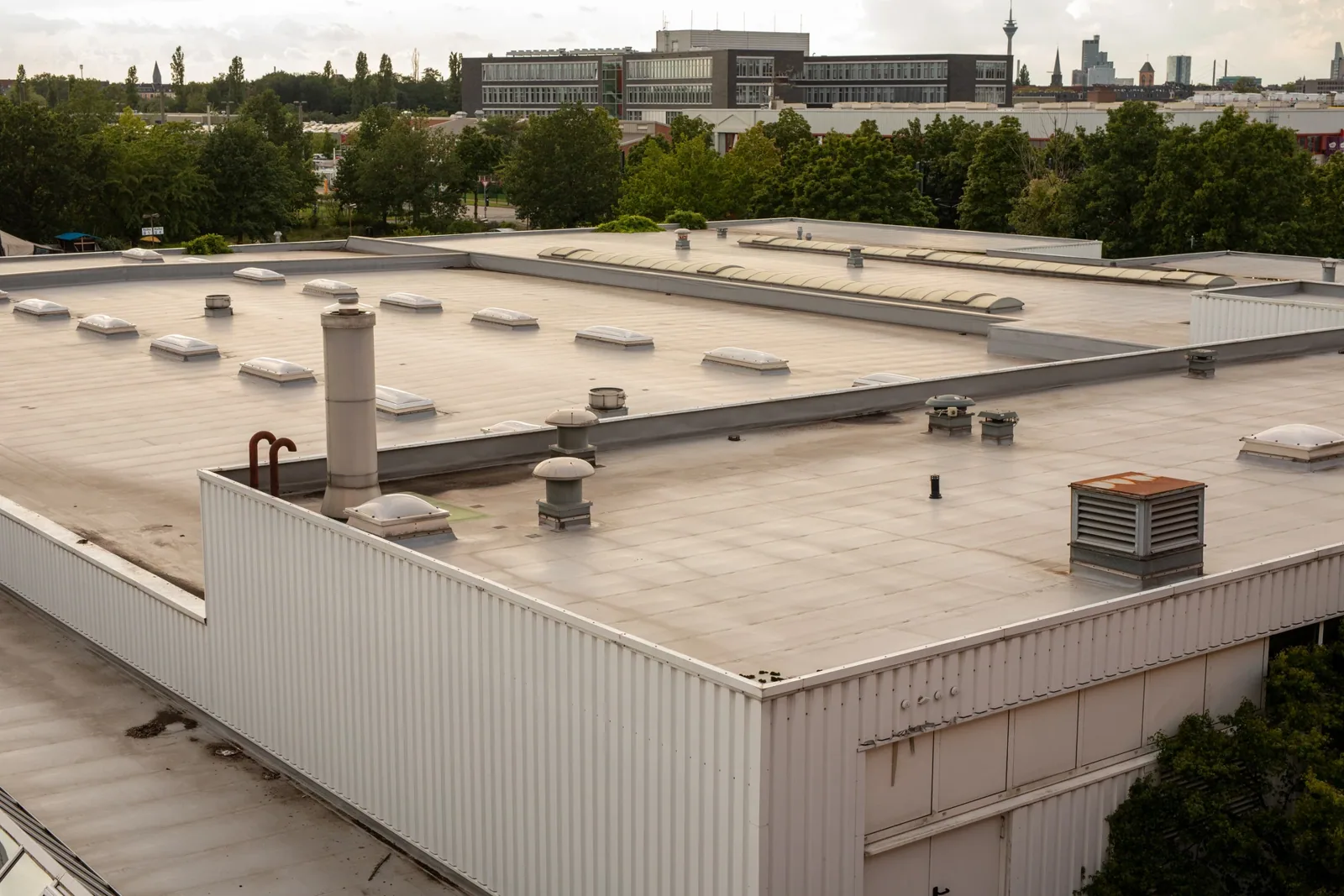
Managed-property roofing assessment records accessible findings under recognizable references. Wider views orient detail images. An owner should be able to identify the work being authorized without treating one detached photograph as evidence of all concealed components or every roof section.
State entry and examination limits. A concern about supporting construction requires the qualified review appropriate to it before that area can be approached or used. Staff should not cross uncertain roofing or disturb material to complete a documentation request. Safe authorized observations can direct the useful next examination without bypassing that requirement.
Record the reported room, timing and relevant operating circumstances when water is noticed. Managed-building entry review compares those details with accessible exterior and equipment observations. Water can travel within the assembly before it appears indoors, so the room position may differ from the exterior opening. Keep a confirmed roofing task and another unresolved service or enclosure question under distinct responsibilities.
The compatible repair needs a usable receiving boundary. Identify the installed assembly and previous treatments before choosing preparation. Deterioration or contamination can require removal or rebuilding beyond the apparent opening. The manager should see that physical work beside the quantity rather than receive an unexplained addition after material selection.
Condition categories need an examined basis and stated extent. Building dates can help retrieve records but cannot establish remaining service life. Preserve another review where hidden condition affects the intended option, keeping a limited finding apart from a wider assembly conclusion not yet supported.
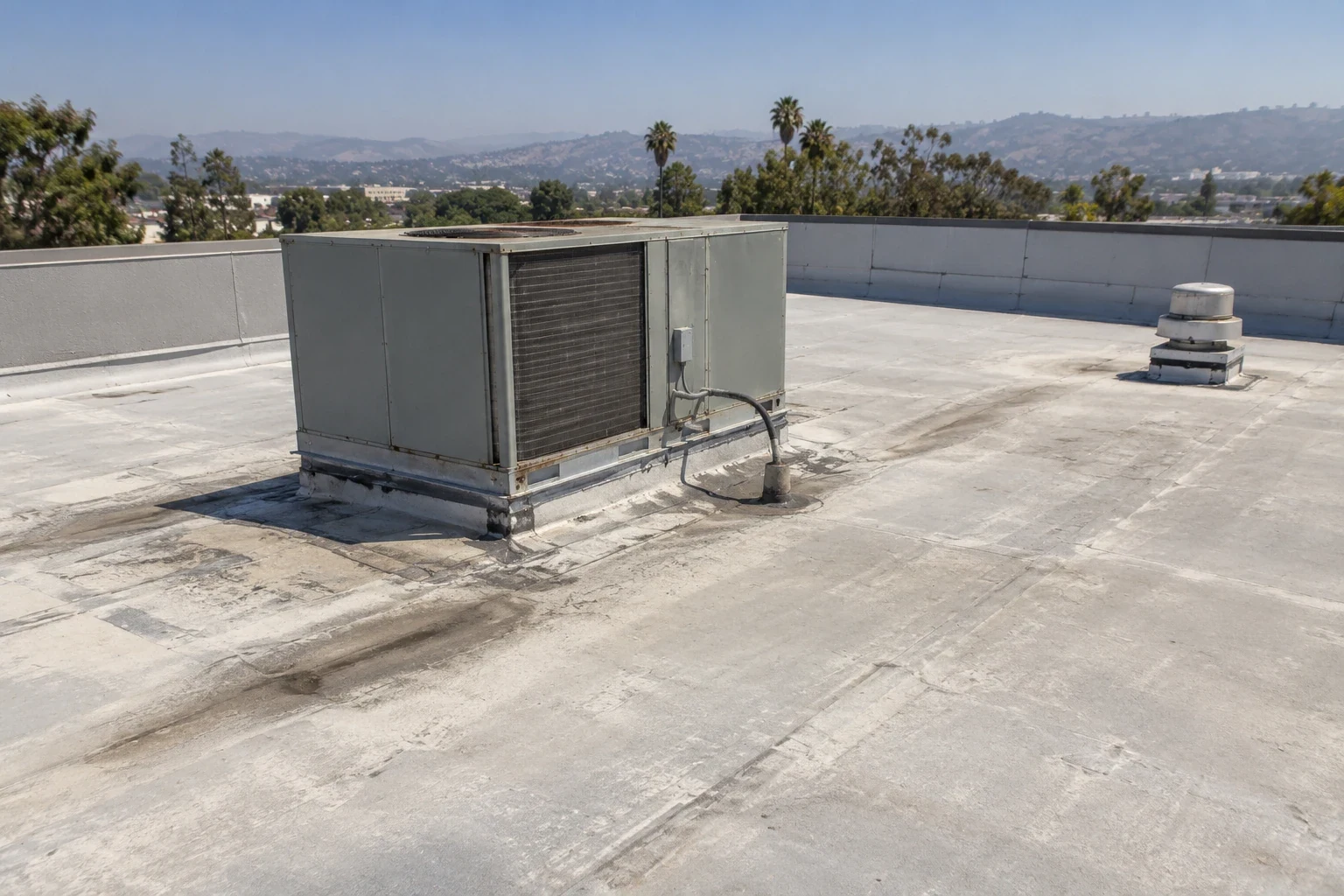
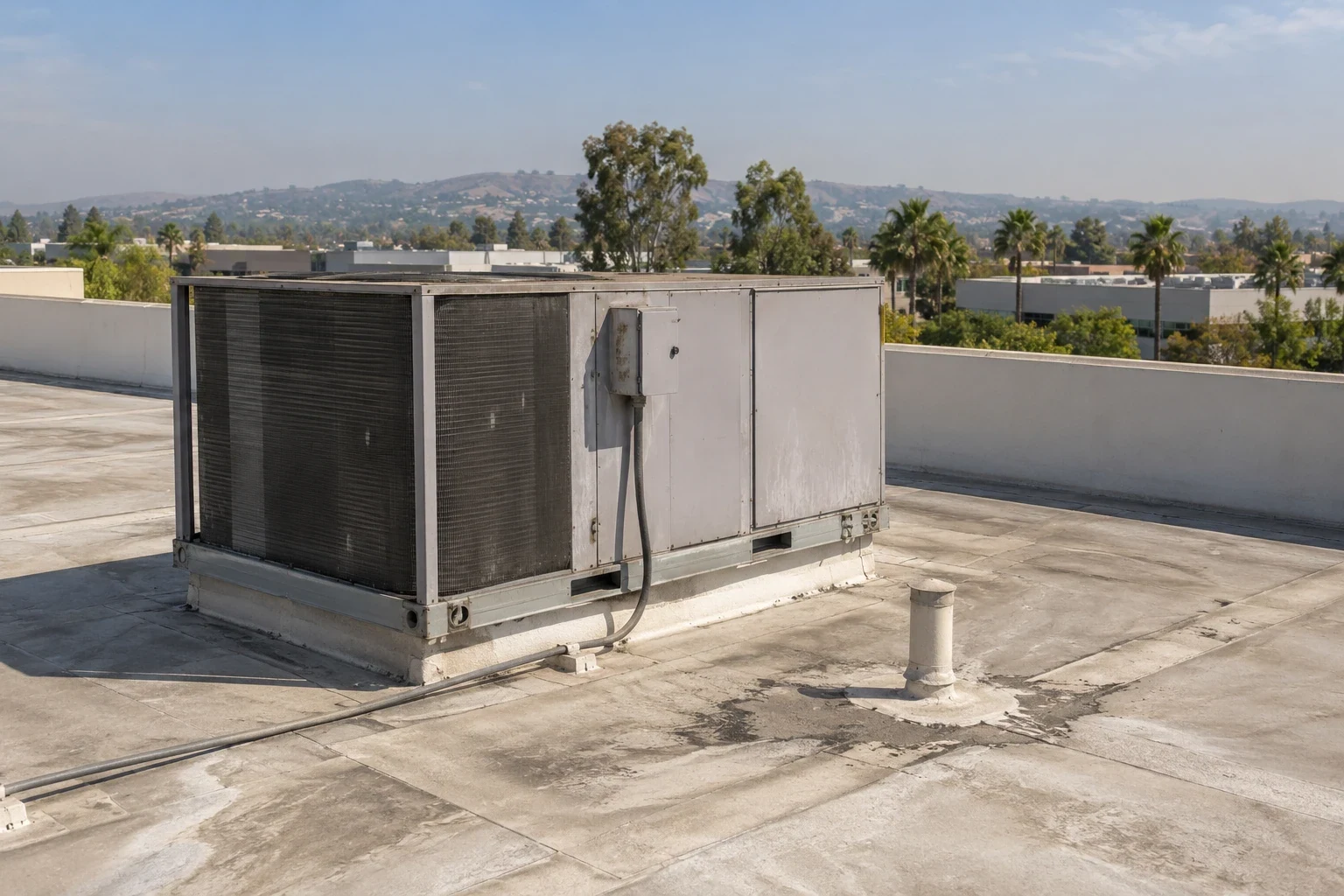
For a new rooftop component, obtain dimensions and supporting requirements from the responsible service and design participants. Confirm room for permanent roof preparation before placement is fixed. A relocation can make the former opening another task, with deck or insulation work identified separately where needed.
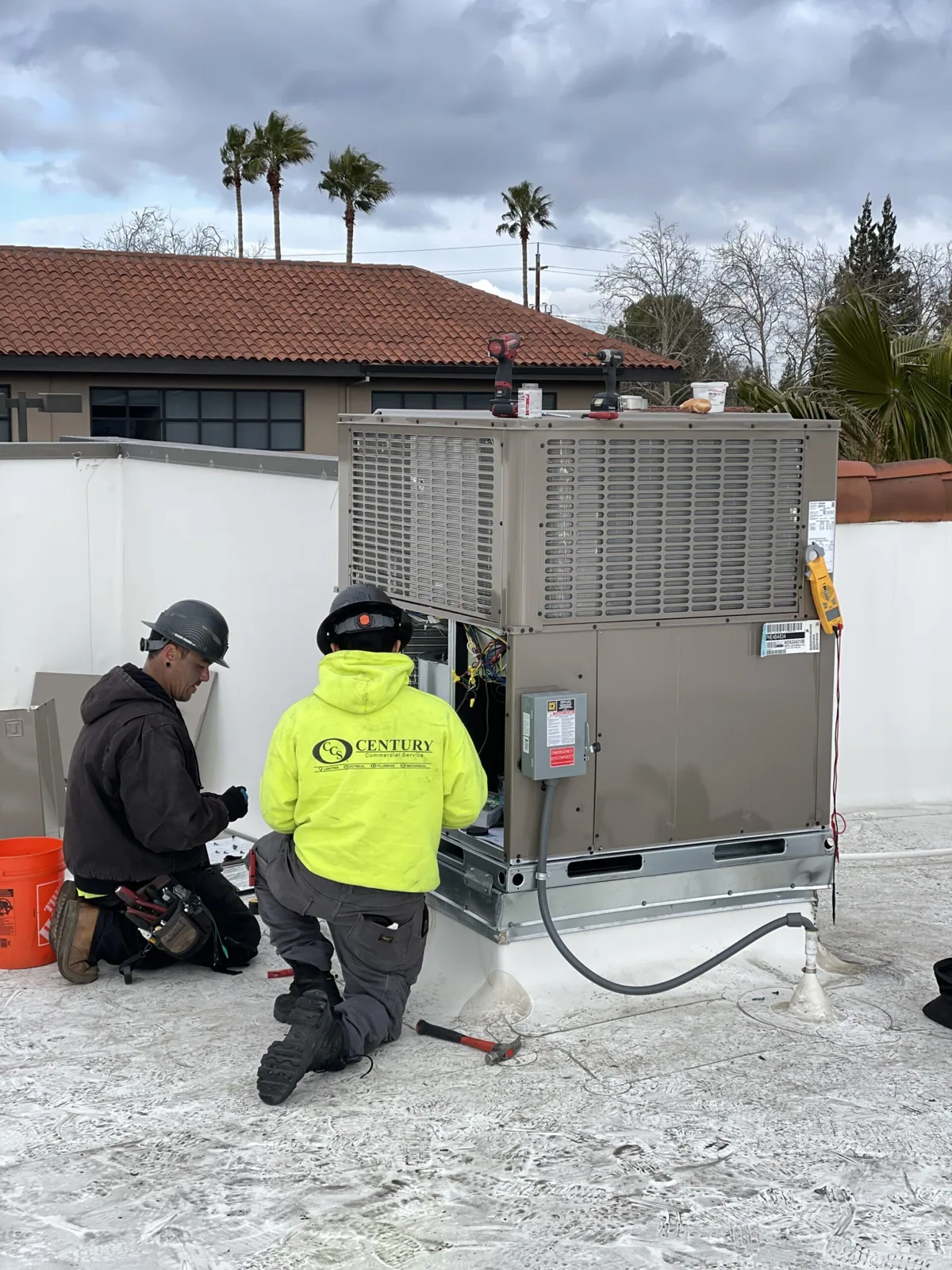
Tenant equipment roofing coordination puts that preparation supplier and readiness point ahead of the closing detail. Assign the equipment-service tasks to qualified mechanical and electrical parties. The facility representative confirms their permitted operating changes. Roofing follows the accepted provisions, keeping working intakes clear rather than assuming that access authorizes interruption or return of a system.
Hidden material questions require an appropriate investigation with authorization and closure. A sampled position supplies its own findings. Interpreted thermal indications need suitable confirmation and clear coverage. Broader retained or removed quantities need sufficient evidence for their intended construction extent, so another unexamined area remains a separate assessment instead of becoming measured deterioration.
Owner and investor roof review connects that quantity basis with the complete expense. A conditional allowance should explain what it assumes and which next examination would change it before the owner relies on the amount for purchasing.
Locate visible metal surface changes with the component and adjoining construction. Material, finish and actual condition determine the useful assessment before cause is assigned. A South Bay setting cannot establish every fastener as corroded or disclose concealed backing through a surface image.
Managed-roof perimeter review identifies fabrication, receiving reconstruction and the waterproofing connection. Required support or designed attachment decisions retain their qualified participants. Carry the relevant next review ahead of procurement instead of price an arbitrary fastening change as a universal correction.
Regional wind context can focus attention, while the subject property and accepted project inputs determine the permanent detail. Retain observed condition separately from event interpretation. The owner should understand the task supported by the examination and another input that still affects the finished repair.
Del Amo Fashion Center is a current Torrance retail identity. Commerce Center provides historical industrial-development context associated with the former Toyota campus. Use those references for orientation, without assigning present tenant arrangements, roof material or service age to another subject premises.
For a management assignment in the Hawthorne Boulevard Corridor, the operator supplies affected rooms, receiving movements and permitted periods. Include handling, disposal and protection with the selected method. Limited storage or a narrow operating period may require additional material moves and another setup. Price those provisions with the method, even for a modest installed quantity.
The municipal adoption basis replaces the earlier 2022 California code editions with 2025 editions and includes Torrance amendments. Confirm authority, accepted application basis and actual alteration scope. Relevant energy compliance approaches and exceptions need review before assembly procurement. Keep required construction inputs with responsible participants instead of relying on an existing product name as approval of the proposed change.
During removal, locate additional deterioration and measure the proposed extent. Explain its remedy, revised amount and protection of incomplete construction through the agreed approval process. A limited initial authorization should remain tied to its defined task rather than become permission for every wider rebuild found later.
Managed-property capital planning distinguishes immediate supported work, another investigation and broader choices. Deferral needs a condition basis and assigned reassessment point. The budget period cannot supply physical remaining life, so preserve that dependency beside the proposed expense.
Issued warranty requirements retain actual notice, care and alteration provisions. Keep requests and responses with the assembly; preparing a review does not establish acceptance. Another service alteration should not proceed on an assumed document approval.
At completion, preserve useful preparation images, products, accepted changes and finished positions, with checks described by their coverage. Assign temporary material, continuing care and another participant's unfinished task. Later reports receive new timing and circumstances compared with the installed correction and intervening activity, allowing the next manager to explain roofing accepted and the decision still open.
Before issuing a work order, give the contractor one point of contact for access, tenant notices, roof keys and change authorization. Confirm which party may approve cost changes and whether a property manager can accept temporary protection without approving permanent reconstruction. Ask for work-zone photos at opening and closeout, with a short note explaining blocked access or new concealed conditions. For multi-tenant properties, connect each disruption to the affected entrance or operating area and the time it is expected to clear. Clear assignment prevents an emergency response from turning into an unapproved capital project and leaves a record the next manager can use.
Keep entry, building alteration and tenant operating decisions with the responsible participants. Their approvals can be separate, so a delivery arrangement should not be treated as permission for every construction or service change.
Describe the receiving boundary and compatible connection. Removal or rebuilding can be needed to reach suitable material, with another assessment retained where concealed condition could change the extent.
State its construction assumption and the next examination supporting a firmer decision. Keep it distinguishable from measured work before the owner relies on the total for purchasing.
Preserve located preparation and finished details with products, changes and actual check coverage. Assign continuing care, temporary material and another participant's unfinished responsibility so accepted roofing remains clear.