Commercial Roofing Services
Local weather advisory
The National Weather Service has issued a coastal flood advisory covering Torrance. Heavy rain and drainage loading can expose roof leaks, blocked drains, and ponding water. This is a weather exposure advisory; it does not establish damage to a specific roof.
Do not access a roof during hazardous weather. Protect people first, avoid water near electrical equipment, and request roofing help when conditions permit.
National Weather Service · Updated Oct 27, 2026, 1:54 PM UTC
Inspect commercial roofs in Torrance with defined coverage, located findings and condition grades that explain useful follow-up for property decisions.
A refinancing review in Torrance, CA may require an asset manager to explain present roof condition and proposed allowances. The useful first step is to establish the assigned inspection scope and any requirements of the party receiving the report. We inspect accessible construction, locate observations and distinguish maintenance findings from questions needing sampling or specialist assessment. Available history helps interpret the roof, but missing records are not assumed.
The condition baseline states what was examined. Recommendations remain connected to that examined portion.
The inspection starts at a desk. We ask for the original drawings, the manufacturer warranty and its registration, prior inspection reports, repair invoices and any as-built documents. Available records may identify installation dates, retained layers and earlier repairs, with contradictions carried into the inspection questions. Where nothing exists, the inspection becomes the first entry in the building's roof file.
We also plan access. Roof hatches, ladders, fall protection tie-offs and rooftop equipment schedules affect how and when the walk happens. On an occupied building we coordinate with the property manager so tenants are not disturbed and any restricted areas are respected.
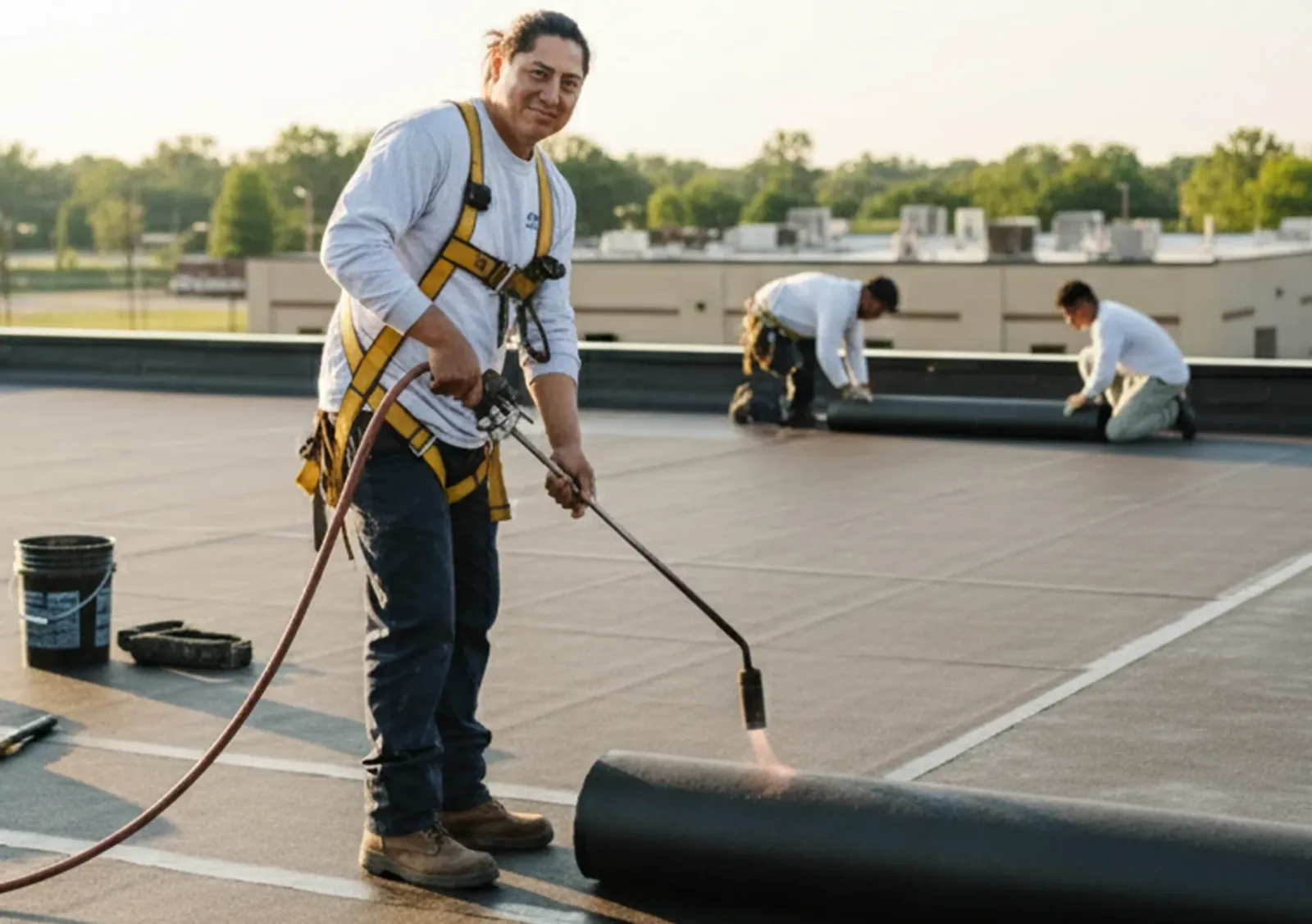
The inspector divides the roof into areas that share a membrane, age or exposure, then examines the safely accessible portions. Selected seams are examined using appropriate methods, accessible flashing is assessed at its receiving details, drains are inspected and the surface is read for ponding, blistering, punctures and wear. Each examined area receives a supported condition grade, tied to the action it calls for, such as maintain, repair soon, plan for replacement or replace.
A grade for each area, not one for the entire building, is what makes a capital plan possible.
A numbered roof drawing links accessible drains, curbs, penetrations and inspected defects to located photos. The location method should be understandable to the property team, whether it uses building lines, measured offsets or clearly identified fixtures. Unexamined areas receive a different designation so they cannot be mistaken for inspected construction. The drawing is a working reference with stated limits, not necessarily a complete as-built survey.
A roof condition report associates each recommendation with the supporting observation and proposed action. The asset manager can then see why a detail needs repair or further assessment. An image establishes appearance at its date and position; attachment strength, concealed moisture and structural adequacy may require other examination.
Rust at an edge lap, coating loss on a curb and a displaced fastener call for different follow-up. We locate those observations and describe the component affected. The corrosion log can identify accessible surface condition, while section loss or suspect supporting material may need qualified assessment. A regional exposure description cannot substitute for the observed condition of the subject detail.
This distinction helps the asset manager separate a routine metal repair from a potentially larger construction question. Photographs show where additional examination would be useful. Where the receiving substrate is concealed, the report retains that limitation rather than treating a new metal finish as evidence that the deck beneath is sound.
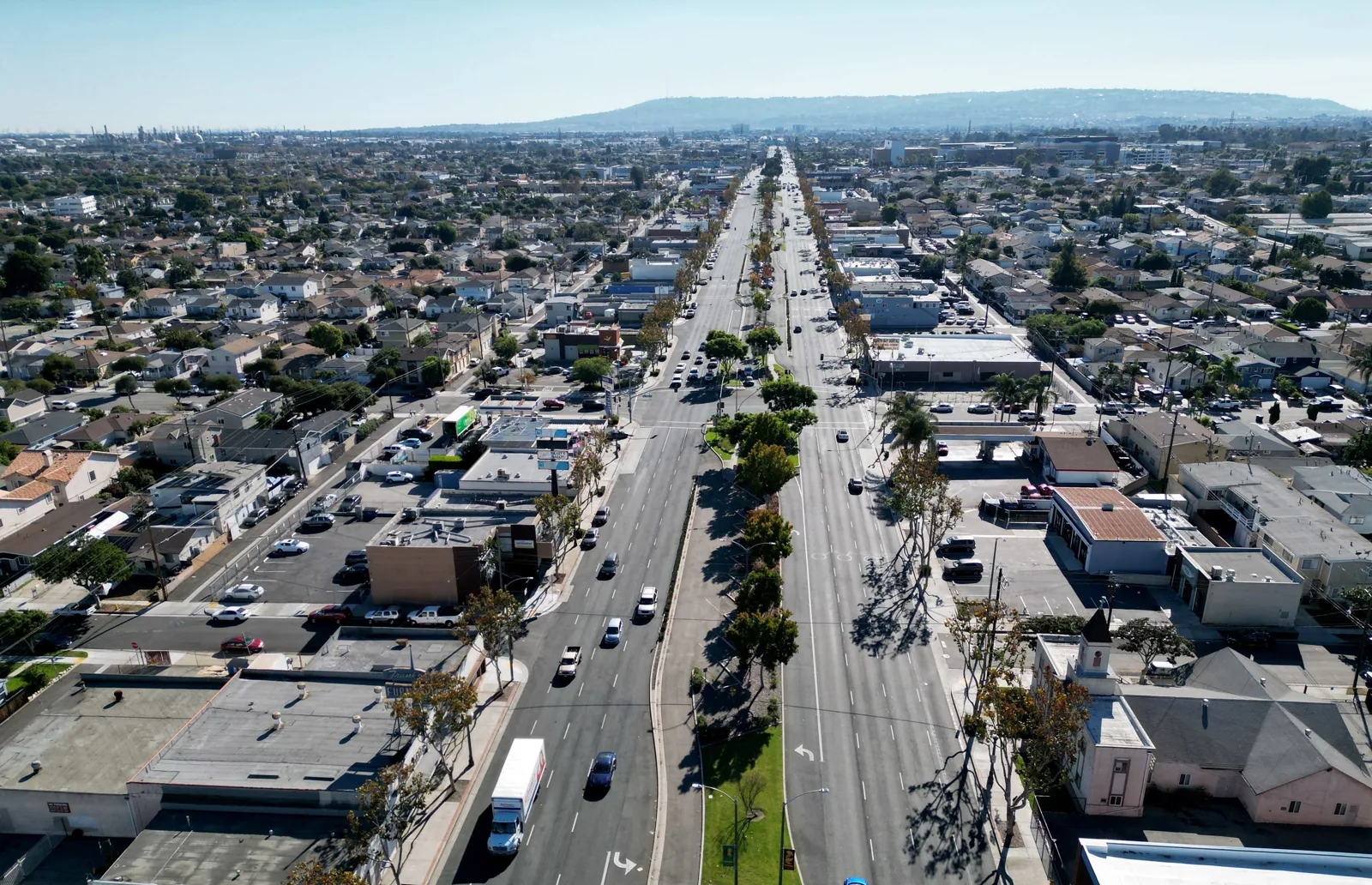
Del Amo Fashion Center in Torrance identifies a retail setting for the Hawthorne Boulevard commercial corridor. An inspection at a nearby property needs a defined building portion and confirmed access through occupied or restricted areas. Roof coverage and tenant equipment boundaries should be settled with the property team before the visit.
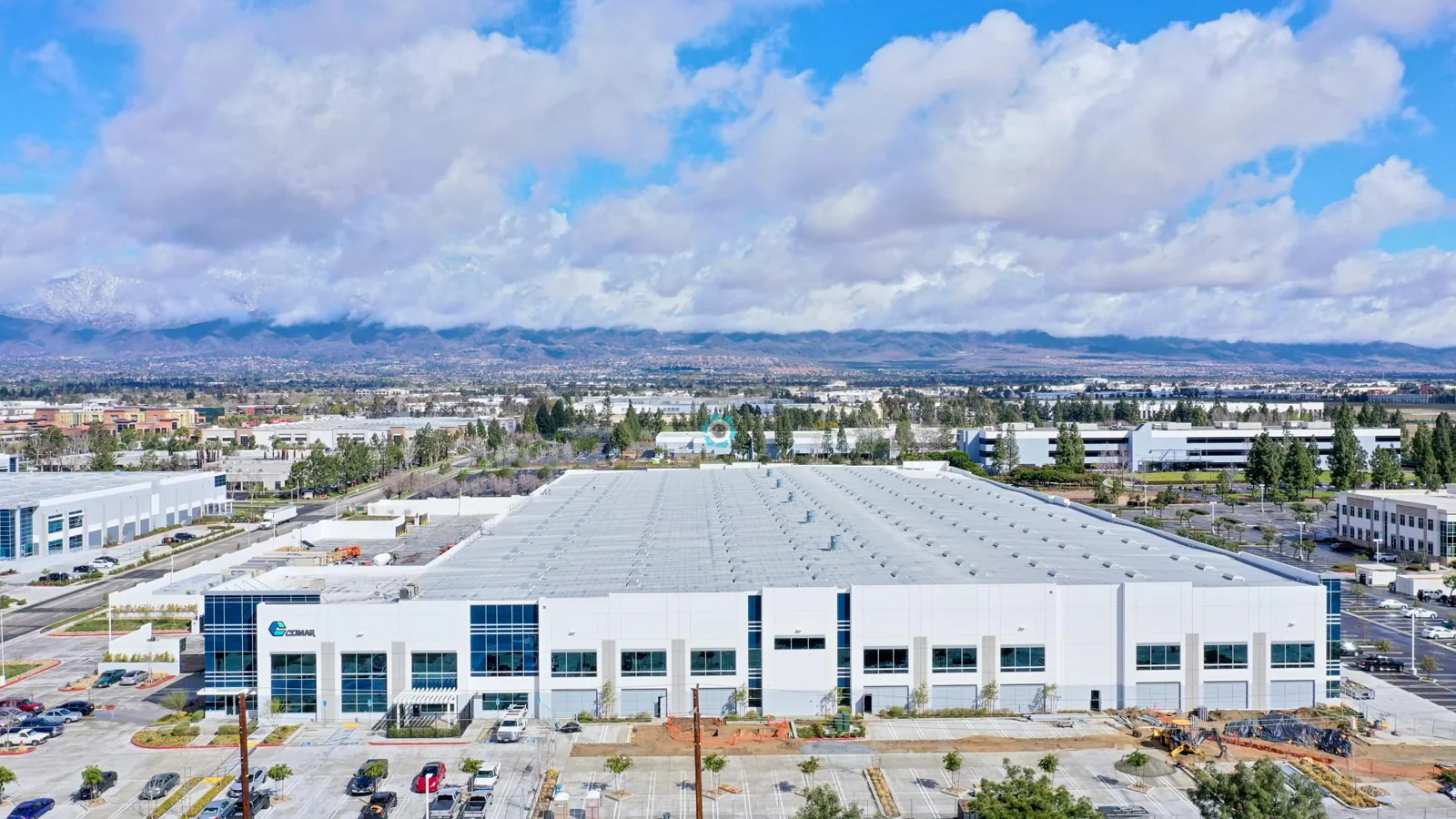
The 2021 Phase II announcement for Torrance Commerce Center provides dated industrial development context. Inspection of an industrial acquisition still requires current construction information and direct observations. Across several properties, a multi-site roof program can use consistent grades and location references while retaining different access and sampling limits for each building. That consistency helps comparisons without implying equal examination of every roof.
The written report closes the work. It states the condition grade of each examined area and a prioritized repair list. Where sufficient information supports a service-life planning range, the report includes that range with its assumptions and limitations. The photographs, the plan and the corrosion log accompany it.
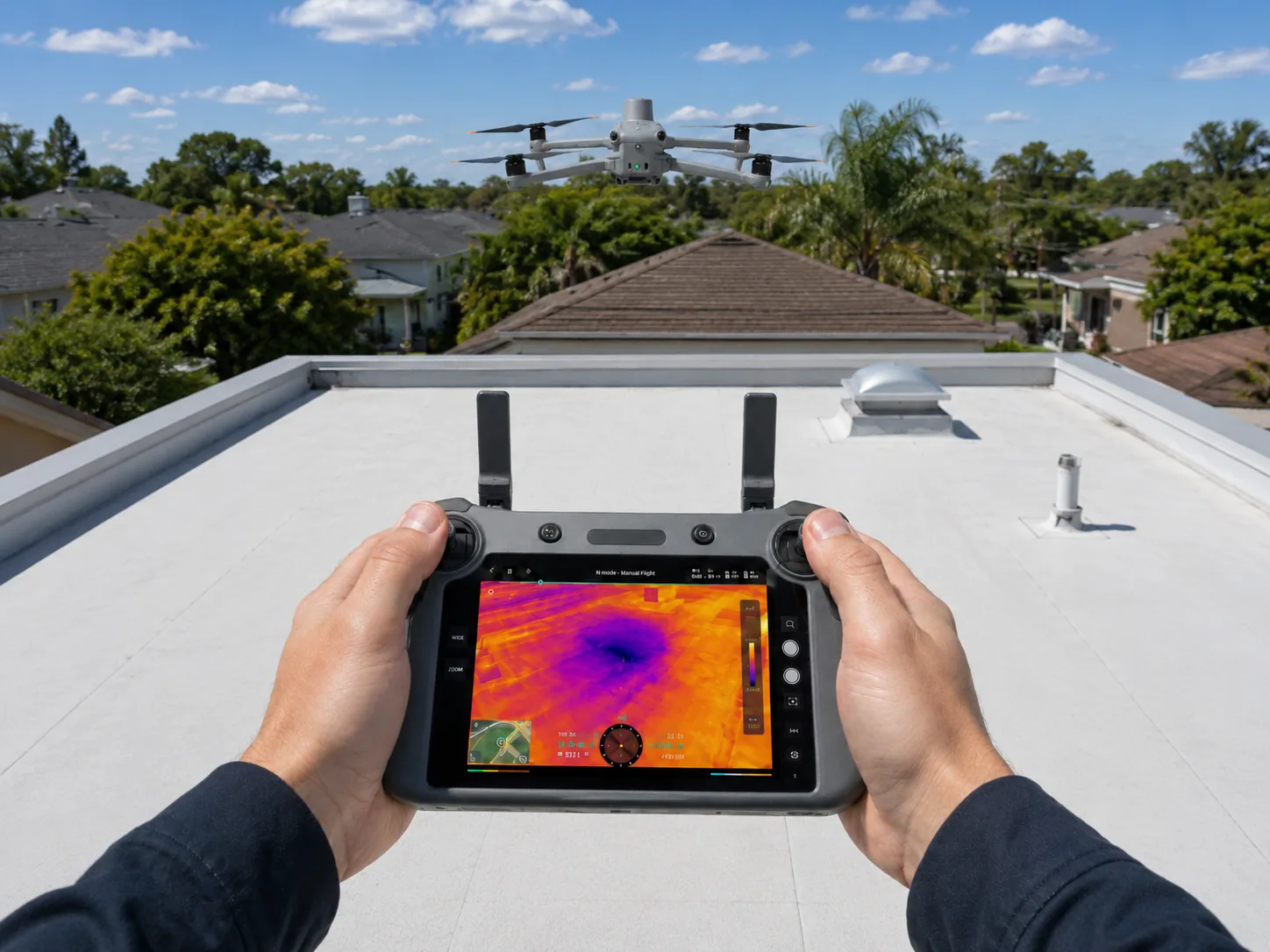
From there the owner can choose the next tool. A drone survey adds overview imagery of large roofs, an infrared moisture survey investigates suspected concealed moisture, and a maintenance program tracks accessible condition and completed upkeep. The same report is the starting point for a due diligence survey when a sale is on the table.
A strong commercial roof inspection starts with a defined assignment: the building, roof zones, access limits and decision the owner needs to make. Review available drawings, past repairs and warranty documents before walking the roof, then mark each observation on a plan or consistent photo reference. Describe conditions separately from inferred causes, and identify where testing or a qualified design review is needed. The report should state what was inaccessible and avoid implying that a visual survey exposes concealed layers. Close with prioritized actions, the evidence behind each recommendation and the next decision owner so the property team can move from observation to an approved scope.
We relate grades to actions such as maintenance, localized repair or further replacement assessment. The report explains the observations supporting each grade and identifies inspection coverage. The receiving party may require its own format or additional examination, so those requirements should be established at the outset. A contractor grade is useful evidence about examined construction, not automatic acceptance by a lender.
A planning range needs enough information about construction, accessible condition and relevant deterioration to support its reasoning. Unknown installation dates or concealed layers can materially limit that assessment. We state those gaps and recommend further examination where it would change the decision. The asset manager should retain the range as conditional planning information rather than a fixed number of future seasons.
Compare their coverage and investigation methods before comparing grades. One building may have sampled insulation while another received only accessible surface inspection. We keep location conventions and action categories consistent, then identify those differences in each report. The portfolio summary can rank supported needs without presenting unexamined areas as equivalent to construction that received more extensive assessment.
Visible corrosion identifies a component needing closer consideration, but it does not automatically establish structural loss. We describe its position, appearance and accessible substrate. A replacement recommendation may require further measurement or specialist evaluation where strength is in question. The report separates repairable surface concerns from unresolved supporting construction so the budget reflects the actual evidence.
An acquisition may require broader investigation, document review or specialist input than an accessible roof inspection. We define the assigned coverage and connect any additional questions to useful assessments. Transaction requirements belong with the receiving parties and their advisers. The inspection supplies a dated baseline for its examined portion without deciding whether that baseline satisfies the whole acquisition process.