Service Areas
Local weather advisory
The National Weather Service has issued a coastal flood advisory covering Torrance. Heavy rain and drainage loading can expose roof leaks, blocked drains, and ponding water. This is a weather exposure advisory; it does not establish damage to a specific roof.
Do not access a roof during hazardous weather. Protect people first, avoid water near electrical equipment, and request roofing help when conditions permit.
National Weather Service · Updated Oct 27, 2026, 1:54 PM UTC
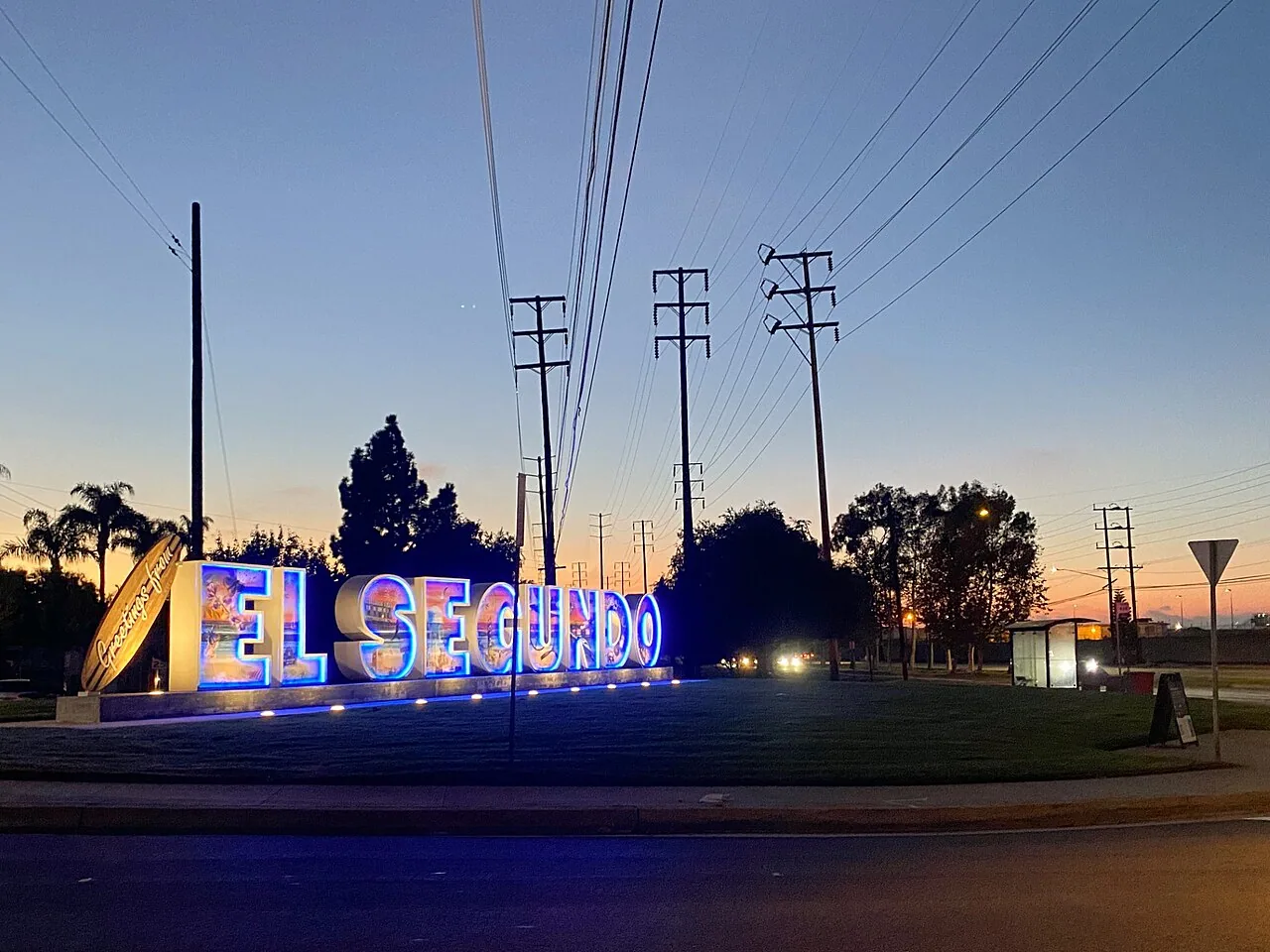
Plan El Segundo tenant roof alterations with measured flashing, attachment and drainage details. We explain repair allowances and the construction sequence.
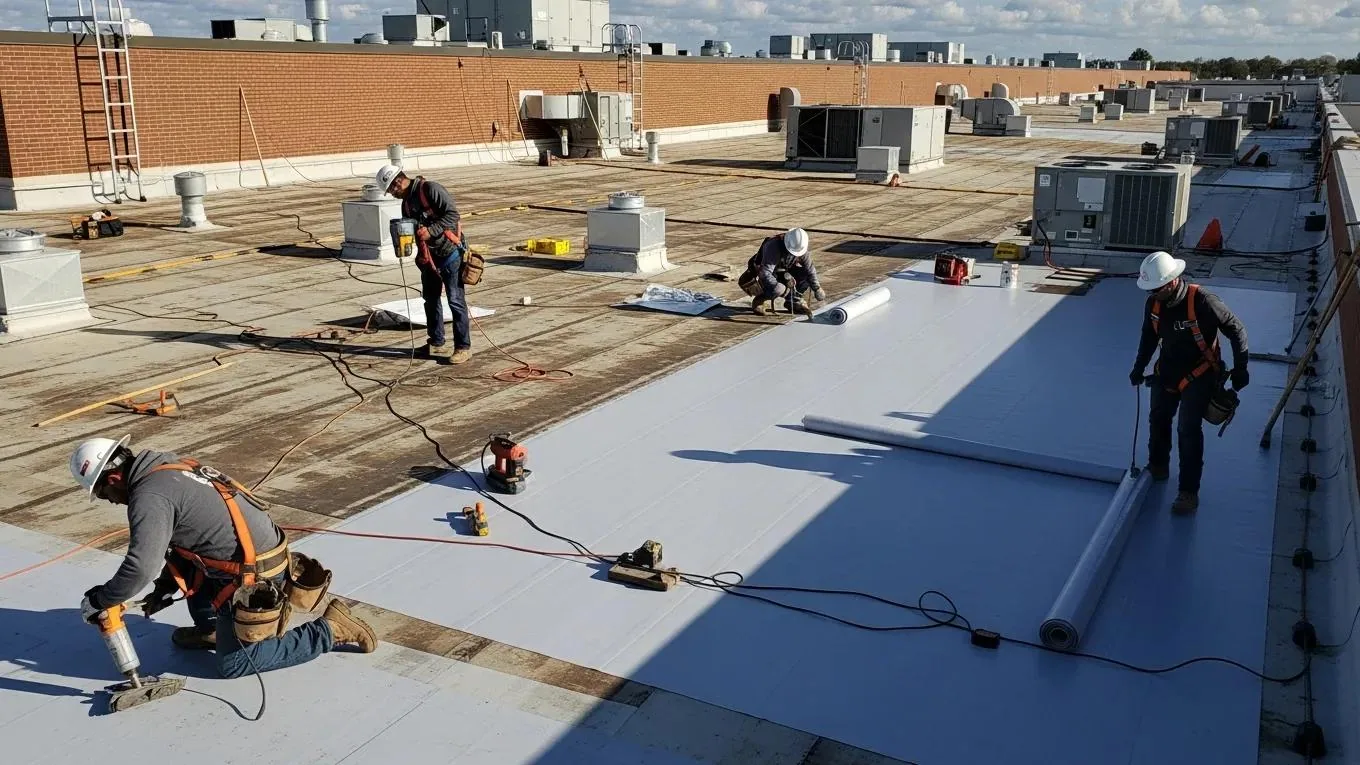
A tenant alteration allowance for El Segundo, CA should distinguish the roof connection being changed from the surrounding system that remains. We repair, inspect, restore and replace commercial roofing, with the construction decision tied to measured conditions. For the asset manager, the first useful result is a marked receiving area and an explanation of what the proposed tenant work requires. New exhaust, conduit or equipment can create a small opening with several trade interfaces.
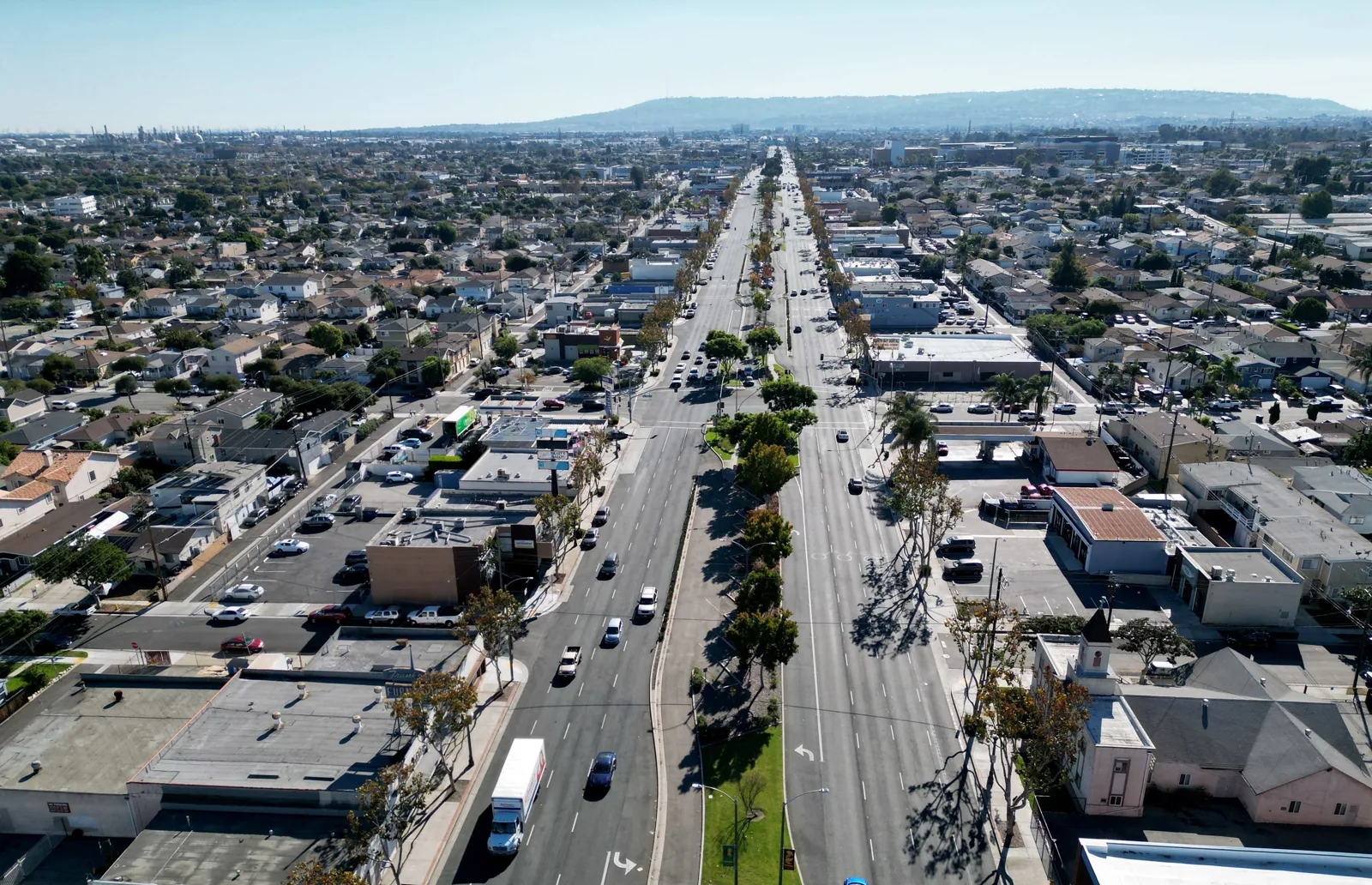
Smoky Hollow and Main Street are local orientation points for coordinating a site visit. At a Smoky Hollow building, the receiving membrane and its accessible connections need examination before the new detail is selected. We confirm the subject building, examine the accessible details and compare the intended alteration with the construction already present. The scope can then address waterproofing without assigning unrelated improvements to the tenant by default.
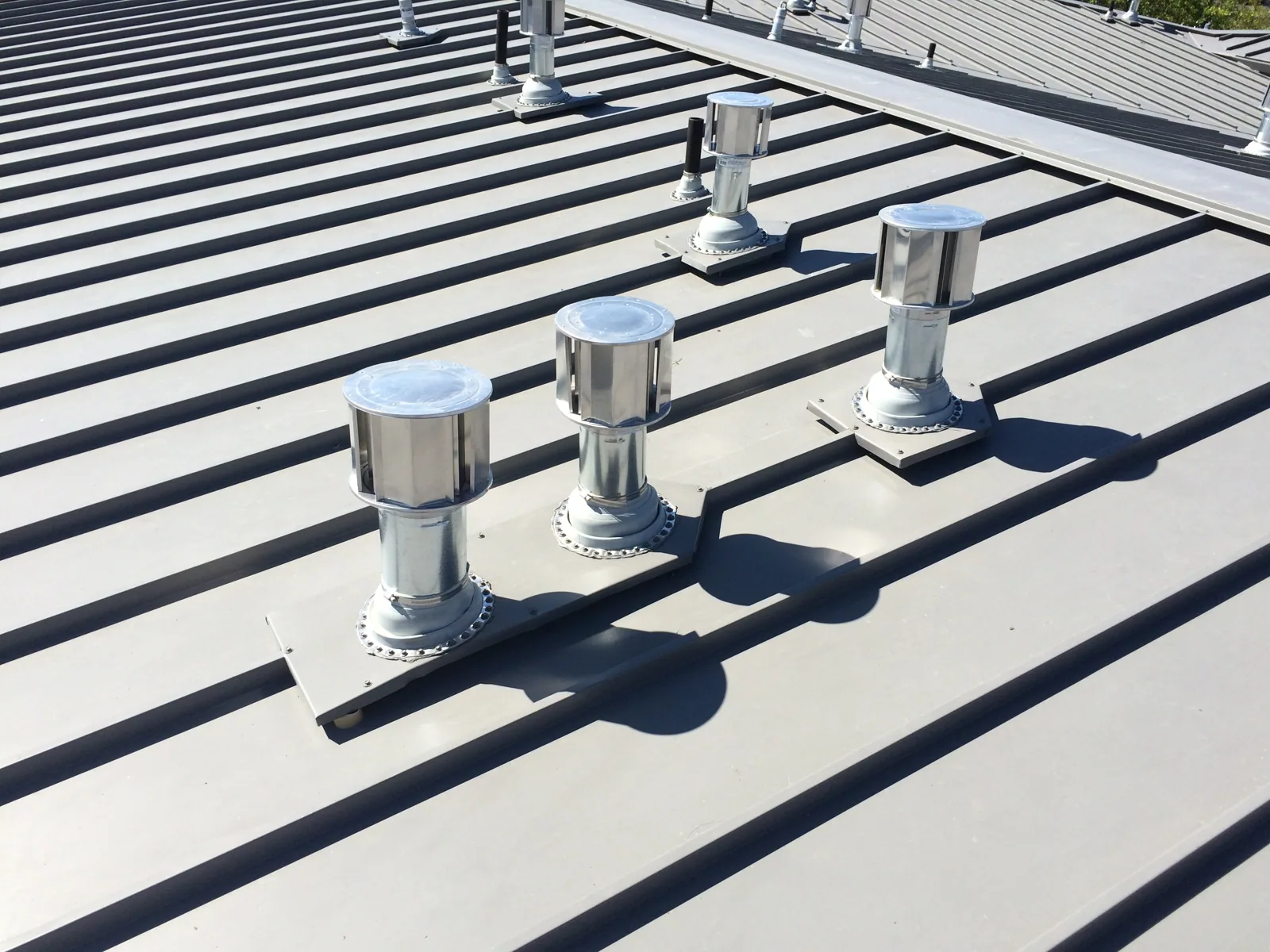
A conduit rack passing close to an existing curb can make future flashing replacement difficult. We measure the separation between planned penetrations, the service space around equipment and the usable height for a termination. The survey file shows the full group of details before isolating individual defects. Penetration and skylight flashing work is specified for the receiving membrane and the actual shape of each opening.
Where a clustered group can be simplified, we discuss the revised arrangement with the participating installer before construction. A tidy equipment drawing can still leave roof-level access obstructed. The owner needs to know which design change preserves a maintainable detail and which merely moves the obstruction. We identify the condition being corrected, the trade responsible for the adjustment and the point at which the roofing work can safely proceed. Those decisions are easier before the first hole is made.
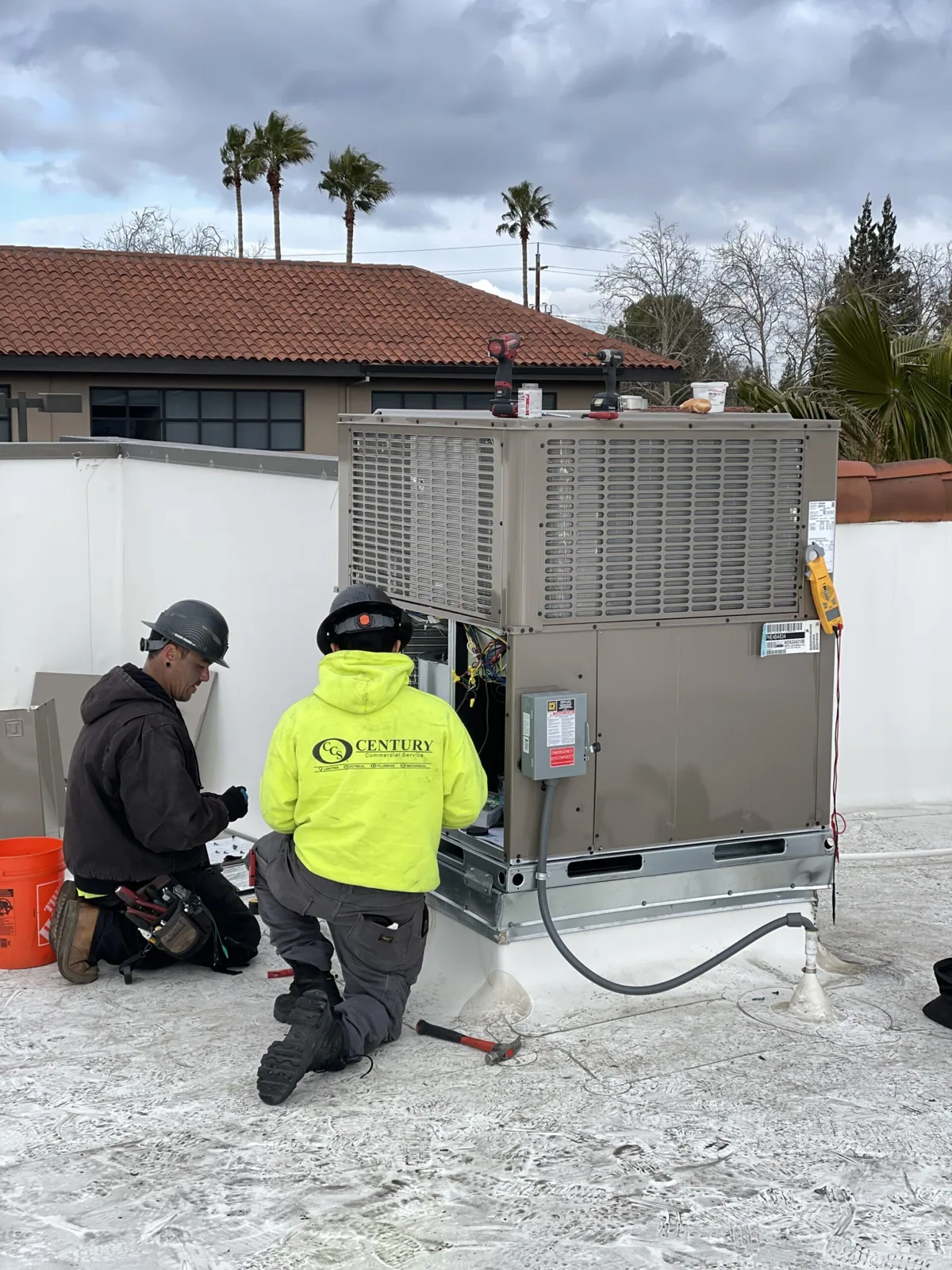
A mounting screw through a membrane has two questions attached to it: what receives its load, and what prevents water entry at the connection. We inspect accessible receiving construction and identify any design review required for the support. Sealant cannot stand in for a support design, and a structurally adequate support still needs a suitable roofing detail. Roof equipment support installation coordinates these questions without combining their responsibilities.
For an alteration in Smoky Hollow, material handling and equipment placement must fit the actual lot and building access. We document delivery clearance and the permitted staging area with the property contact. Main Street orientation helps locate the assignment, but each property sets its own receiving route. We check where temporary materials would sit and how the installer will remove packaging, keeping roof drains and occupied entrances out of the disposal path throughout the planned work.
Scuffed membrane beside a mechanical unit may reflect repeated access, but the observed mark alone does not establish its history. We record the mark, test the adjacent material as appropriate and evaluate the planned service route. A proposed walkway should lead personnel to the equipment without crossing vulnerable transitions or hiding existing moisture concerns. Protective surfacing is a maintenance feature, not a repair for compromised insulation underneath.
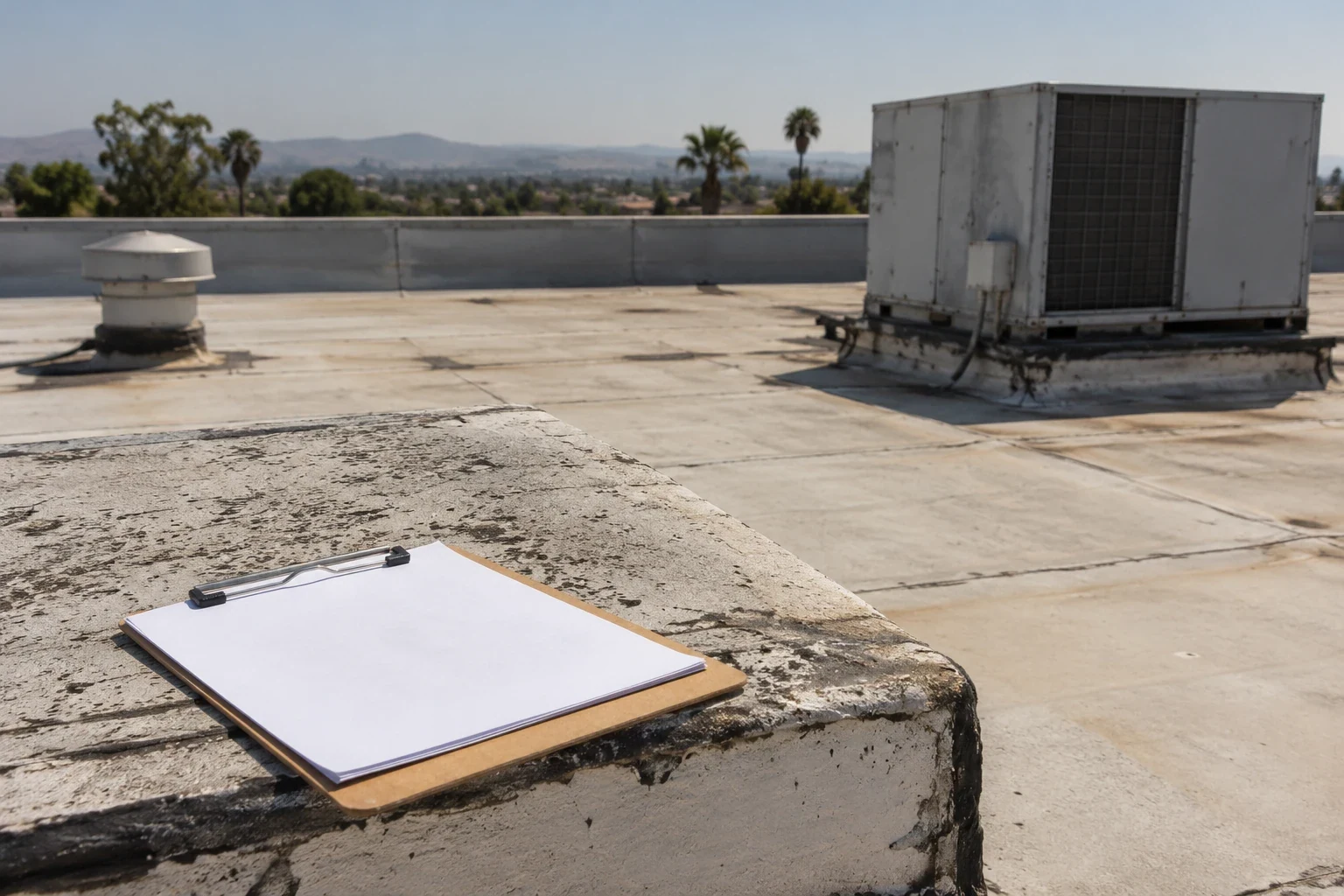
Our roof asset assessment identifies the altered area as part of the building's broader maintenance responsibilities. The report explains whether the current work repairs damage, provides access protection or requires further investigation. Photos show any retained details that need attention during future equipment visits. An asset manager can then assign those tasks to the correct scope instead of treating every visible wear mark as either harmless traffic or proof that the entire system needs replacement.
An issued roof warranty can place conditions on alterations. We examine the applicable terms and identify the required review or notification before the installation assumes continued acceptance. The alteration also needs the correct authority and accepted application basis for the El Segundo property. A nearby city's adoption record does not settle the subject building's permitting requirements. We explain the roofing information needed for that review and coordinate with the participants assigned to other disciplines.
A portfolio may include work in Hawthorne and equipment changes at Redondo Beach properties. Consistent photographs and detail schedules make those assignments comparable, while each permit and warranty decision remains building-specific. For the El Segundo project, we record the proposed construction sequence, interior protection and access limitations. A tenant opening cannot be left dependent on an unconfirmed trade return date when permanent flashing is necessary to close the roof.
A completed penetration should be recognizable by its location and function. We photograph the finished connection, identify its material and record any adjacent retained condition. The closeout package explains what was altered, what was restored and how equipment service personnel should approach the area. We also describe a useful inspection trigger, such as the next equipment change or an observed leak, rather than promising that a finished detail requires no attention.
We provide commercial roof repairs where the inspection supports a bounded correction, and plan larger renewal work when the examined roof warrants it. Cost follows the preparation, connection geometry, access and coordinated trade work. For urgent water entry, our emergency service remains available through nights, weekends and holidays. The response first addresses safe protection and then develops a permanent scope, preserving the difference between emergency stabilization and completed alteration work in the building record.
Small openings can admit water when their connections rely only on a bead of sealant. We examine the receiving material and select a detail suited to the cable grouping, movement and service access. The installer also needs to identify whether future cable additions are expected. Planning that use now can reduce repeated disturbance of the flashing, provided the selected assembly remains suitable for the roof.
Reuse requires more than matching the footprint. We compare the proposed load and mounting arrangement with accessible support construction, and identify structural participation where required. The old waterproofing connection receives a separate condition assessment. A support can be adequate for one question and unsuitable for the other. The allowance should identify both decisions before the tenant orders equipment that depends on the retained detail.
A defined exploratory item gives the manager a clearer basis than an unrestricted contingency. We state the area to be opened, the conditions being investigated and the method for authorizing additional removal. Any known wet or deteriorated construction is addressed in the initial scope. Material that remains concealed is not counted as sound merely because the alteration is small or the visible surface appears intact.
Walk pads can protect a suitable membrane along an appropriate service route. They cannot restore a damaged seam or dry insulation beneath the roof. We inspect and repair the receiving area first, then arrange protection so personnel can reach the equipment without trapping debris or obstructing drainage. The record identifies the route and explains which portions need continued attention during mechanical servicing.
Include the actual opening location, installed flashing detail, materials used and the completion status of participating work. We distinguish any temporary protection from the final connection and record retained conditions nearby. Applicable warranty review and permit closeout also keep their own status. This lets the manager understand the finished alteration and any continuing action without equating a set of photographs with every required acceptance.