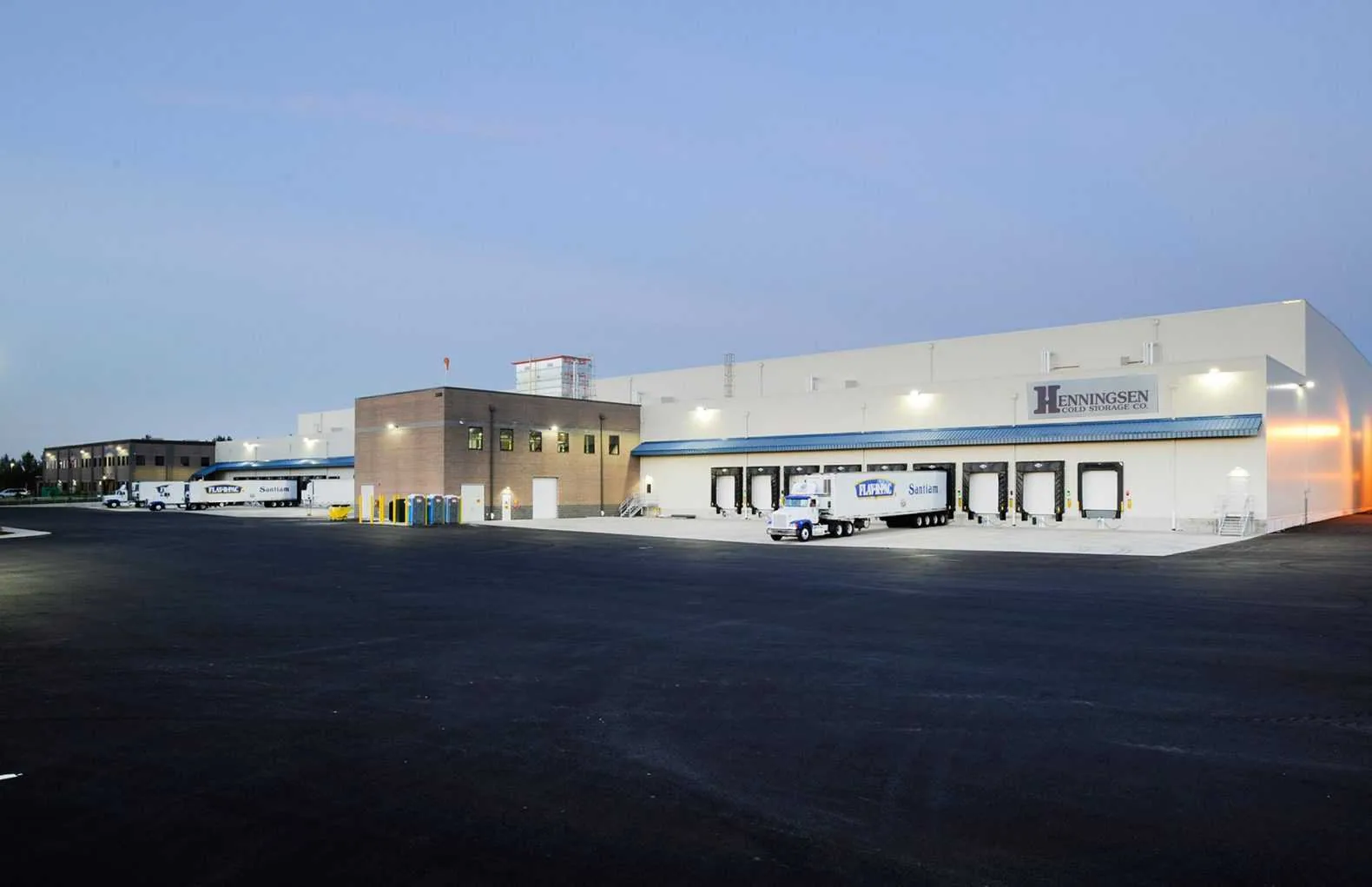
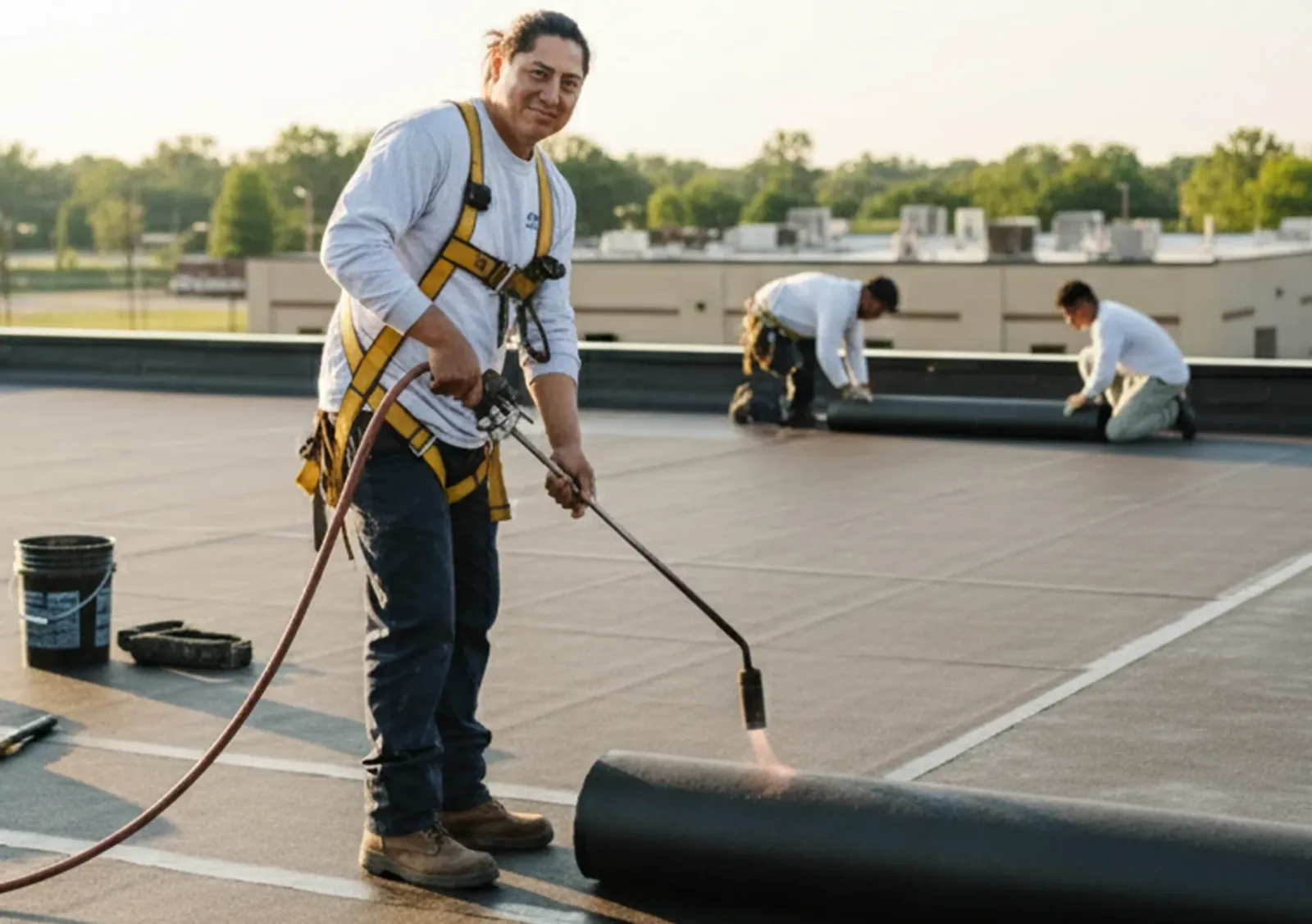
Property Types We Roof
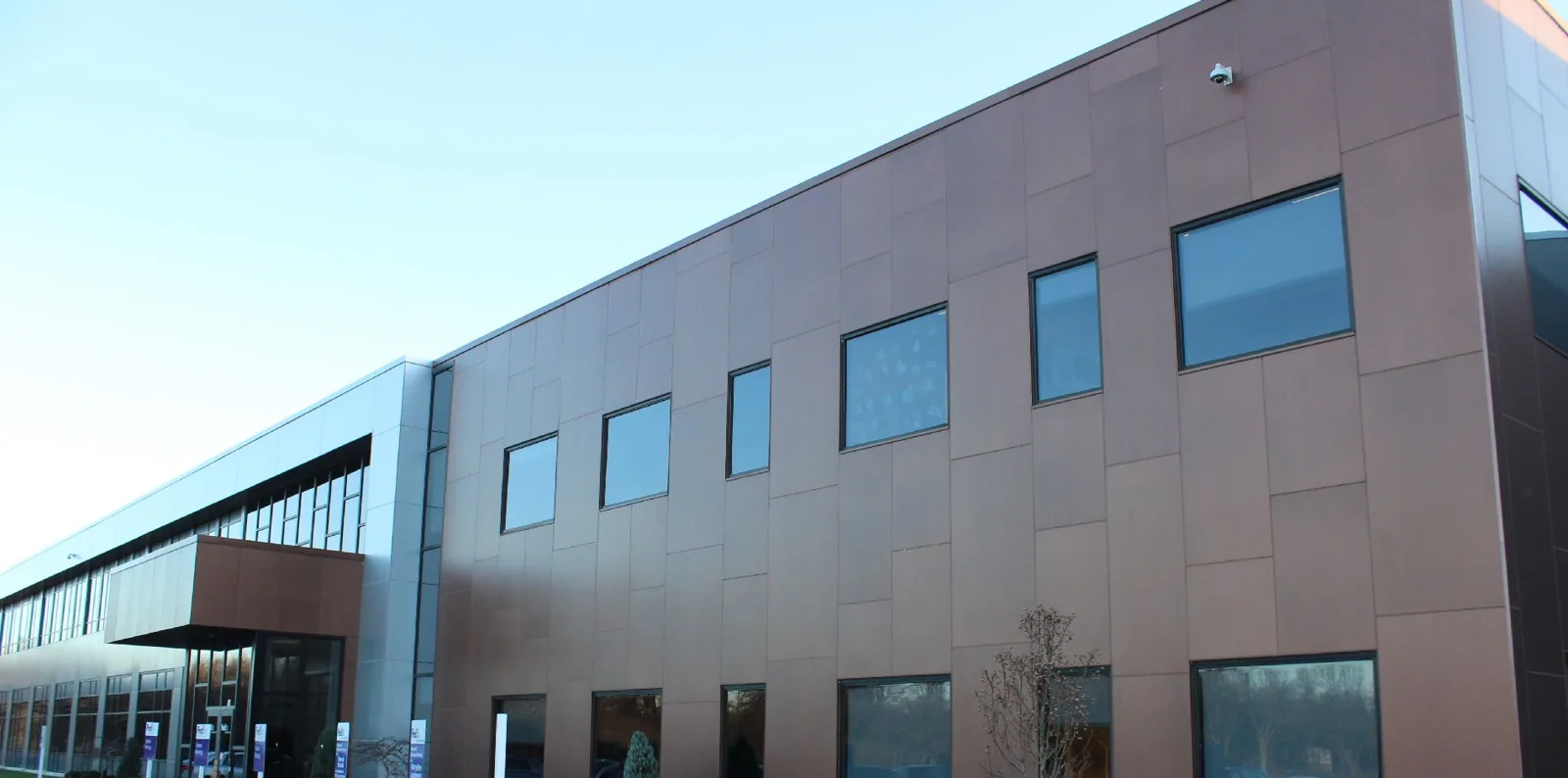
Distribution center roofing in Torrance connects repairs to dispatch access, dock exposure and tested assemblies. Request a measured construction scope.
A tenant's change to dispatch equipment can alter the roof access plan before it alters the membrane. Commercial Roofing Torrance evaluates distribution-center roofing in Torrance, CA with the proposed equipment location, working dock routes and receiving assembly identified together. An asset manager needs to see which work is waterproofing, which depends on a mechanical shutdown and which changes material handling. Those distinctions give the expenditure a construction basis that a dispatch schedule alone cannot provide.
Torrance Commerce Center's 2021 Phase II development announcement described planned industrial buildings. That industrial context is useful for locating an assessment, without supplying present roof conditions or operating restrictions. We establish the subject building's roof configuration and assigned loading route directly. The condition baseline follows the inspected roof portion, even where an operating tenant uses more than one connected bay.
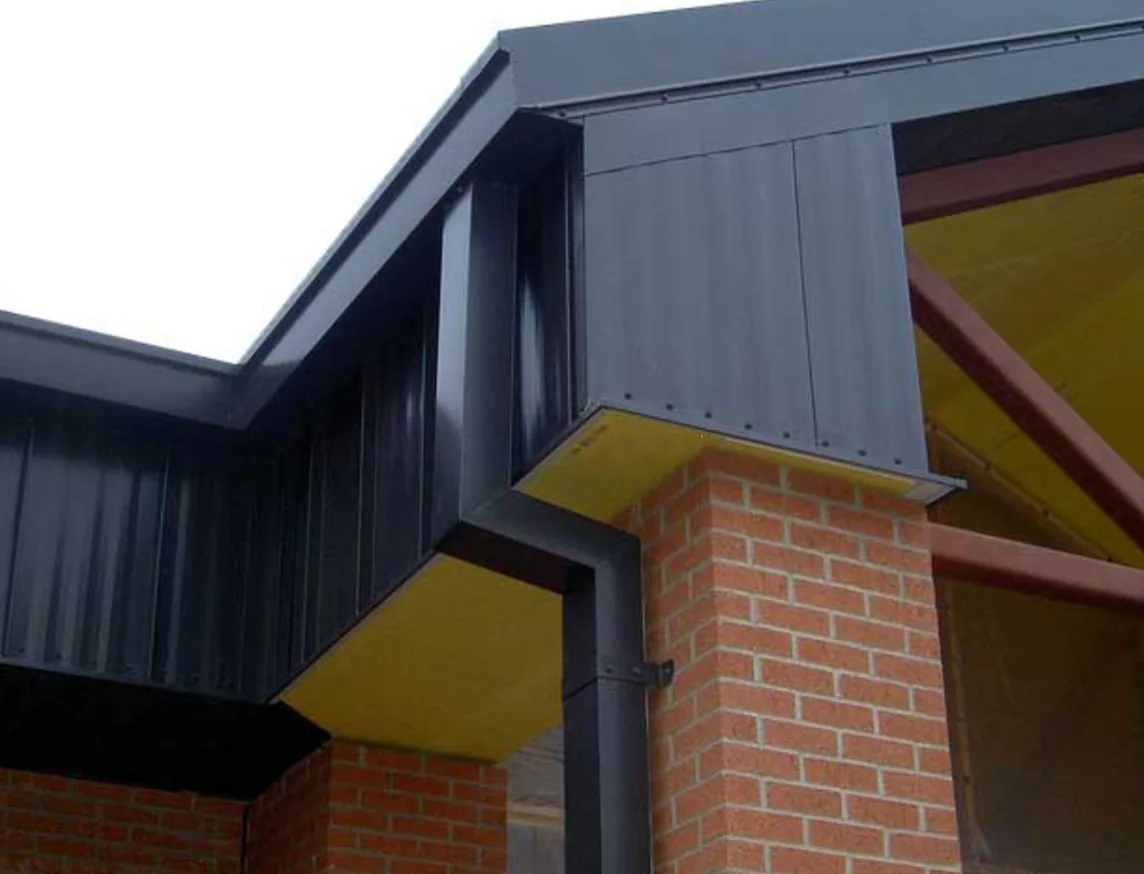
A gutter joint above a dock can release water outside the main roof field. We photograph the joint, examine its support and identify whether movement, an open connection or an obstruction is observable. A repair that addresses only the upper membrane may leave the discharge problem untouched. The estimate separates gutter receiving work from adjoining wall or canopy conditions that need another scope.
Dispatch contacts identify where vehicles queue and where pedestrians pass beneath the proposed operation. We show those positions beside the repair coordinates. Replacement of damaged gutter and perimeter components requires a secure receiver and compatible joints; fastening new metal into deteriorated material leaves an unfinished supporting question. The condition report describes the attachment examined and any concealed support that must be exposed before its final correction can be measured.
A roof loading operation over a live dispatch apron needs a defined exclusion area and an agreed time. We discuss the lift position, load path and landing protection with the property and operations contacts. Equipment selection and permitted working positions follow the actual site assessment. Roof materials are not stored where their weight or concentrated placement has not received the appropriate review.
Compared with roof work above stored inventory, an active distribution center can have more movement beneath a proposed handling route. The scope identifies the work period, protected dock positions and the responsibilities for barriers and communication. A shorter permitted period may require additional mobilization or smaller daily openings. We retain those measurable tasks in the price instead of treating the entire schedule effect as an unexplained premium.
A worn route between the roof hatch and a serviceable fan can contain scuffed membrane, displaced protection or pressure against an exposed joint. We inspect the route and distinguish superficial wear from an opening requiring repair. Photographs include enough surrounding detail for the facility manager to return to the same position. New walkway material is located where the actual maintenance approach requires it, with drainage and system compatibility considered.
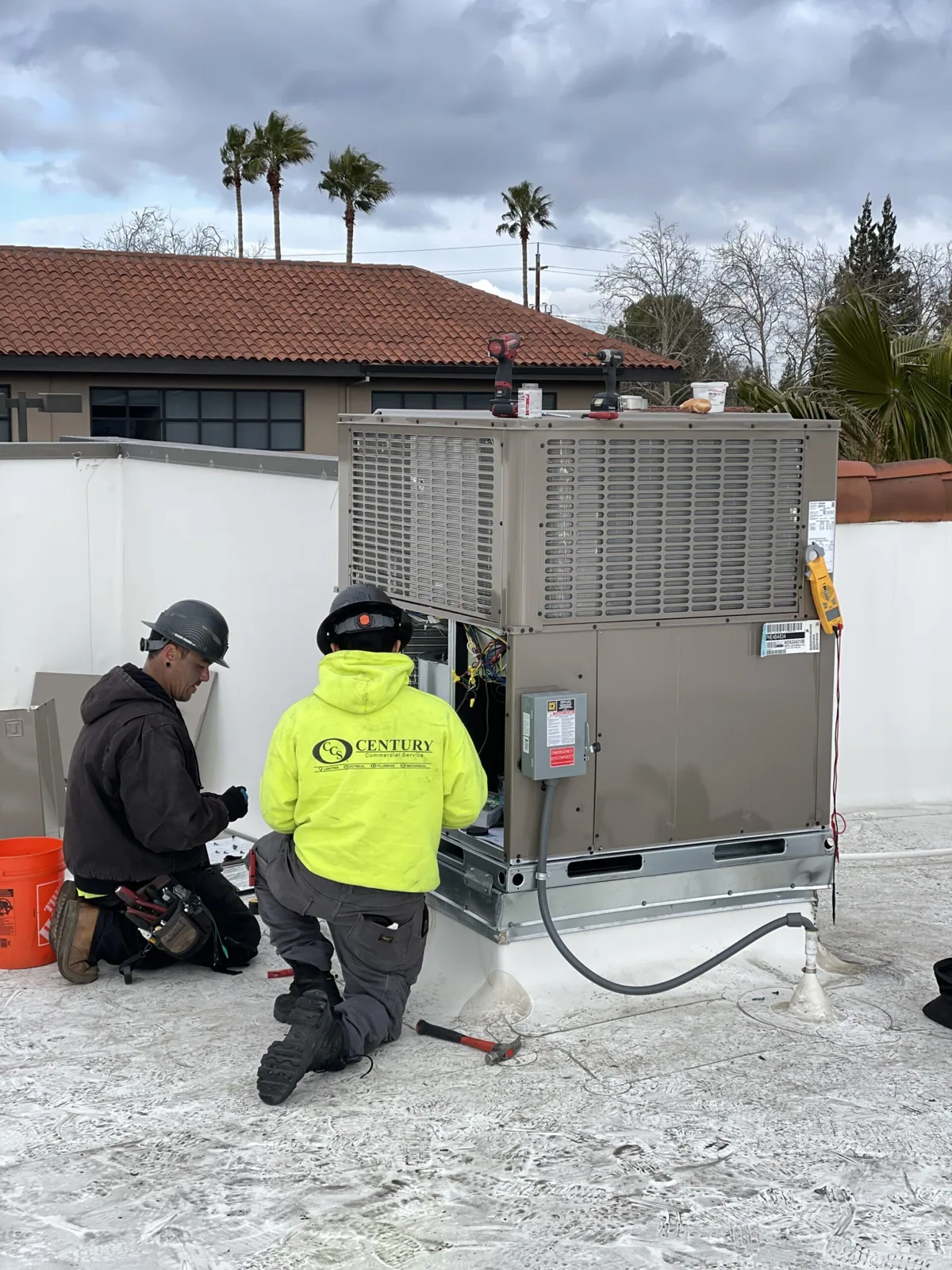
Waterproofing around equipment curbs and supports remains separate from equipment support design. We document curb heights, accessible connections and movement at the flashing without declaring an unexamined supporting frame adequate. Where a dispatch tenant proposes new ventilation, the mechanical and structural participants resolve their receiving requirements. Roofing then defines the compatible membrane connection and closure sequence for the approved equipment detail.
The completed route is marked in the roof plan with the nearby service point, allowing the next maintenance visit to follow the agreed access without treating an unprotected shortcut as the intended approach.
A roof drain located above a sorting line may require investigation before either a membrane repair or piping correction is assigned. We compare the complaint with the drain connection and accessible discharge route. The facility identifies electrical and conveyor restrictions beneath the position. Testing is selected to answer a defined question, with protection and restoration agreed before water or an opening is introduced.
Del Amo Fashion Center is a local retail destination, giving a useful geographic reference for delivery-dependent properties in Torrance. Its identity does not establish a distribution property's dispatch pattern. For an address in the Torrance Industrial Area, we retain the assigned entrance and site contact with the visit instructions. A linked temperature-controlled storage operation may introduce additional enclosure questions that need their own examination rather than a common repair assumption.
A phase boundary should describe permanently closed roofing, temporary protection and remaining work separately. We photograph the completed tie-in and record the limit that the following phase will reopen. The operations contact receives the access changes relevant to the next shift. That communication should identify a specific restriction, not suggest the entire dispatch apron can resume use before its exclusion controls have been released.
For the asset manager's written roof condition review, the final package retains the initial defect, installed correction and continuing examination items. Seam repairs, drain preparation and modified equipment details are located individually. Manufacturer instructions and issued warranty obligations govern applicable repair procedures. A final roofing inspection supports sign-off for the agreed work, while mechanical startup and the tenant's operational release keep their own responsible participants and evidence.
Distribution work is shaped by dock activity, truck circulation, shift changes and the contents beneath each roof zone. Review the site plan with operations and mark lift areas, waste routes and the entrances that must stay open. If a roof opening lies over high-value or moisture-sensitive inventory, confirm protection and relocation responsibilities before removal. Schedule deliveries away from peak dock periods where the operator requests it, and maintain a route for emergency vehicles. Use zone references in daily reports so a facility manager can match a disruption with its location. Closeout should note completed work, any temporary measure removed and the remaining item that could affect operations.
A defined pause may permit a limited operation after the site assessment establishes the handling route and exclusion area. We identify which tasks can close permanently during that period and which need a longer interruption. The dispatch manager confirms the operating restriction; the roof crew assesses access, protection and construction readiness before work proceeds.
Receiver condition, metal removal, supporting corrections and the permitted lift position can change the task even where visible joint lengths are comparable. We itemize those drivers and retain concealed questions separately. The owner can then compare a complete repair with an estimate that covers only the visible finish.
Evaluate the depth, joint proximity and material condition before assigning repair. Some wear calls for route protection; an open membrane needs a compatible waterproof correction. We locate the observed damage and explain the proposed treatment. Adding a walking pad over a puncture would leave the water-entry path unresolved.
Facility personnel establish electrical protection and any shutdown requirement first. We map the symptom and investigate accessible exterior details without assuming the panel position identifies the entry point. Emergency assistance remains available outside normal dispatch hours, including weekends, with the immediate operation limited by safe access and the construction actually observed.
Keep phase boundaries, completed tie-ins, installed assembly information and unresolved related trade tasks. The next manager needs to distinguish permanent closure from protection intended for an intermediate period. We also retain applicable maintenance and warranty responsibilities so a later equipment alteration can be reviewed against the installed construction.