Property Types We Roof

Plan Torrance hotel roofing with guest-room findings, equipment responsibilities and phased protection. Compare roof options with the operating work clear.
A hotel refurbishment budget needs the proposed roof allowance connected to guest areas and examined construction. Equipment work above a room block can affect protection and service access beyond the visible repair. Commercial Roofing Torrance develops hotel roofing scopes in Torrance, CA that identify the assigned portion, suitable receiver and operating provisions. The asset manager receives a basis for approval with both permanent work and continuing service tasks explained.
Discover Torrance lists lodging addresses on Sepulveda Boulevard and Hawthorne Boulevard as well as Torrance Boulevard. A property visit can also use Del Amo Fashion Center for local orientation. At the assigned hotel, the operator identifies room availability, roof entry and affected services before examination is arranged. The actual premises determine the work and sequence.
A guest-room number identifies where water was noticed, but the roof investigation also needs timing and operating circumstances. We compare accessible exterior details with the affected room location and note equipment, walls or piping requiring another assessment. A reported stain is retained with its observation period. It does not become an exterior repair boundary without the corresponding construction finding.
Hotel roof water-entry assessment provides located images and a supported correction. We distinguish accessible condition from concealed layers needing examination, and explain the receiver the permanent repair requires. The hotel contact can review interior protection and room access against that task. Where a service investigation remains necessary, it keeps its responsible participant instead of disappearing into a general roofing allowance.
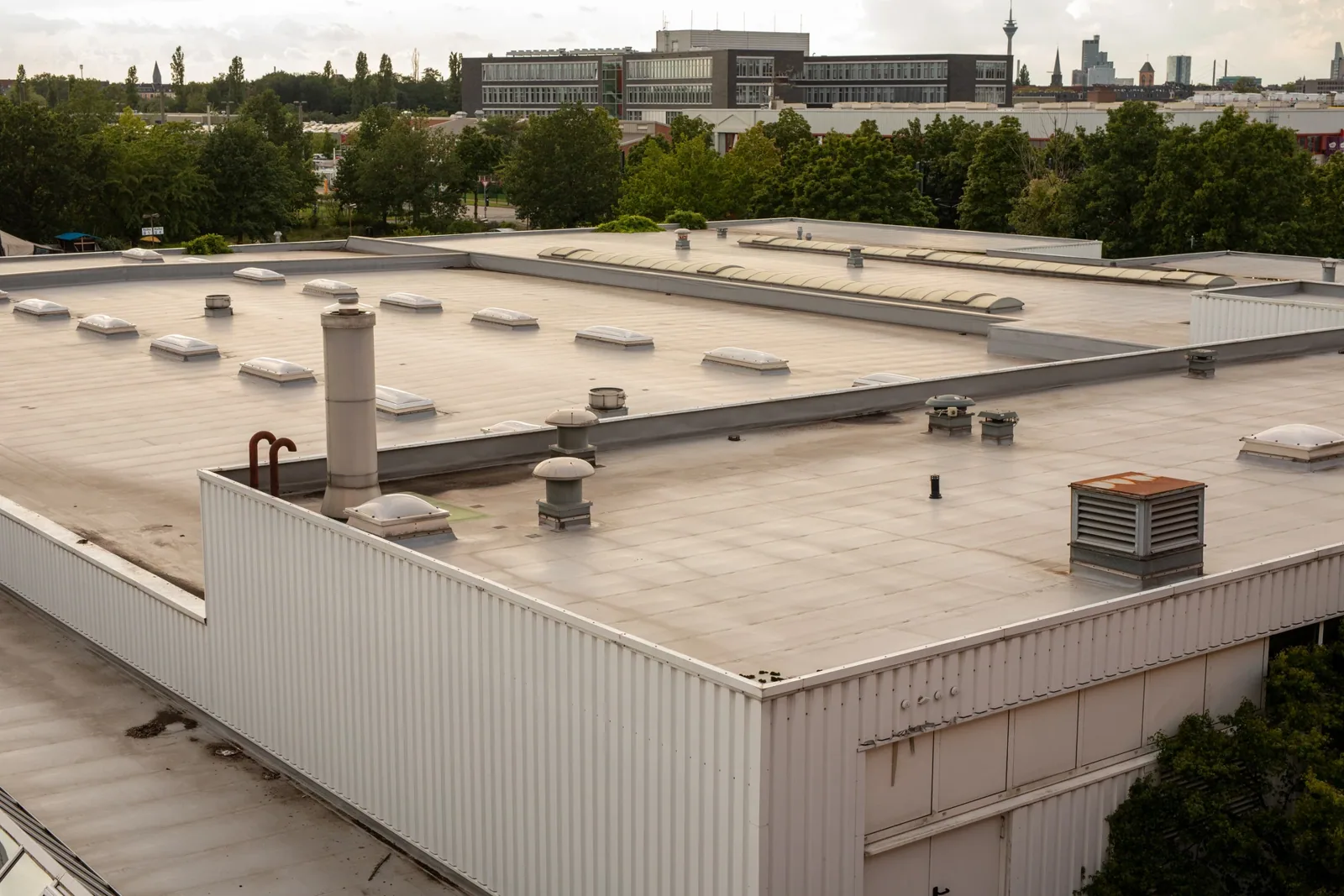
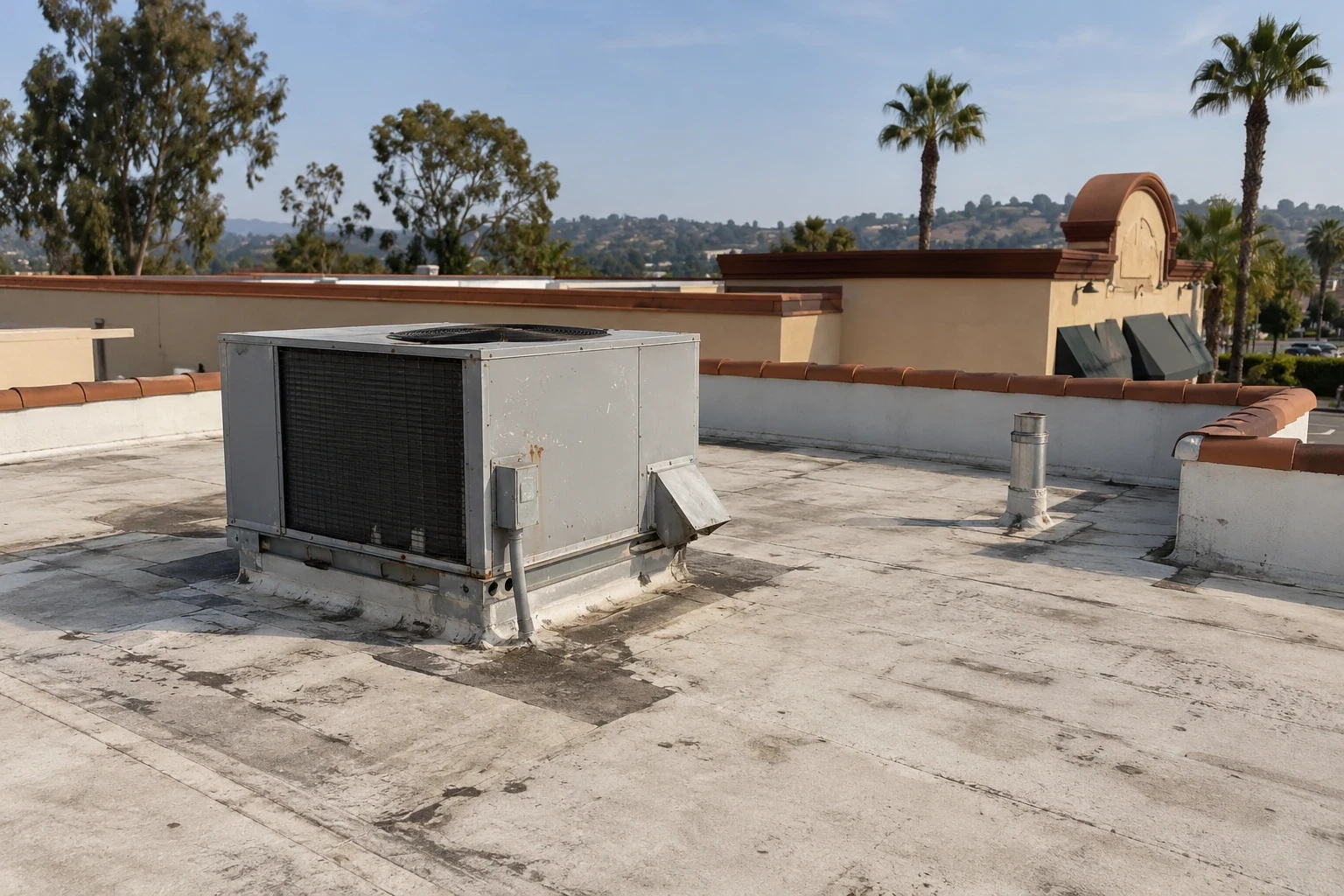
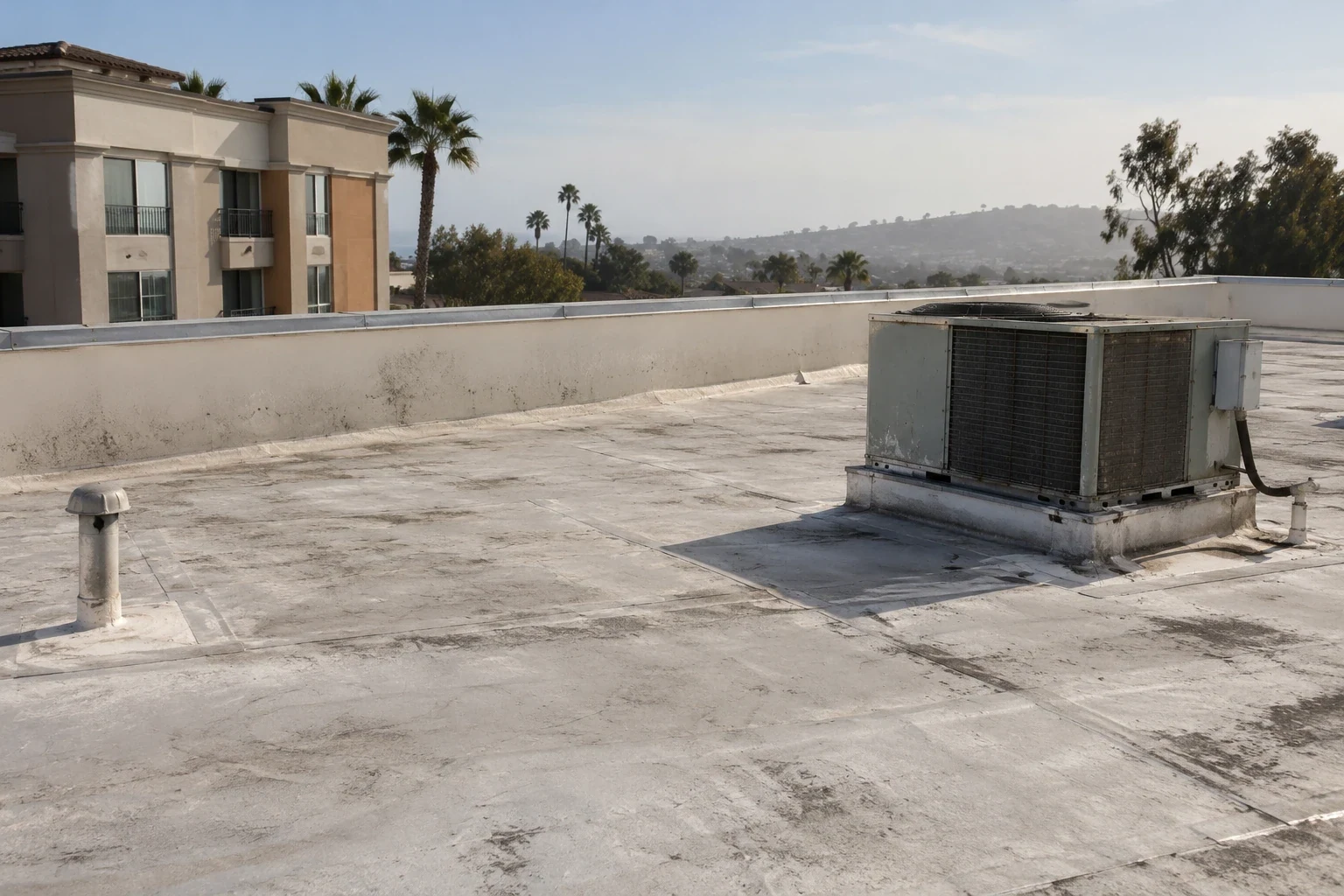
A ventilation alteration can change a curb, pipe opening or roof service route. We examine clearances and surrounding material, then describe removal and receiving preparation. The responsible equipment team supplies dimensions, service requirements and shutdown arrangements. Support and attachment questions retain their qualified review before the weatherproof detail is closed.
A hotel food-service roof connection may have different requirements from a residential accommodation roof. The survey retains the assigned hotel's actual functions instead of carry one operating assumption across them. Former openings left by relocation are identified with separate closure work. The construction scope states which receiver is ready, which task precedes roofing and what protection is needed until permanent closure can occur.
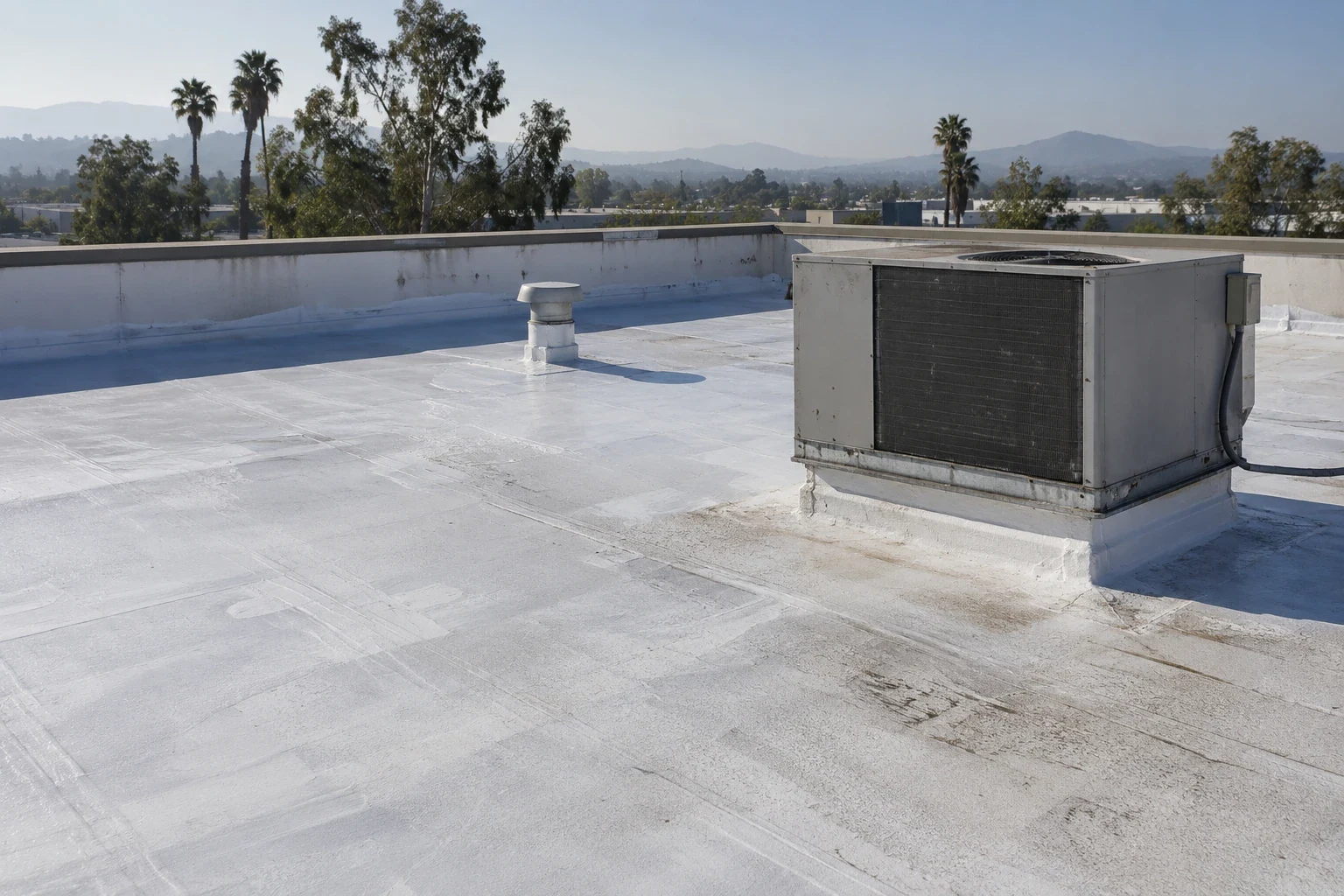
A preference for limited disturbance can influence the operating arrangement, but the existing assembly still has to support the proposed method. We identify reachable material, earlier treatments and attachment, and explain investigation for concealed moisture or deteriorated receiving layers. A coating or recover should not conceal a receiver requiring removal. The retention option needs a suitable field and complete perimeter and opening connections.
Hotel roof restoration assessment addresses preparation, compatibility and actual installation conditions. Replacement includes removal, disposal and the receiving work encountered or supported by the survey. We compare those physical tasks with the room and service restrictions. The asset manager can then review a complete construction choice without assuming the least intrusive surface treatment is automatically suitable for the roof.
A room block released for construction may sit beside occupied accommodation or an active service area. The operator provides the permitted rooms, entrances and handling periods. We identify lifting, storage, disposal and daily closure against those instructions before setting the phase size. Maintenance access and emergency routes remain part of the arrangement, including service activity continuing outside guest-facing hours.
For lodging along the Hawthorne Boulevard Corridor, the actual hotel representative confirms the premises and its roof entry. Repeated setups or smaller removal portions can affect expense where operating restrictions limit the method. We retain those provisions in the comparison. A booking schedule establishes administrative availability, while practical preparation and closure establish whether the proposed construction phase fits that period.
A replacement specification needs the applicable authority, accepted application basis and required design participants established for the hotel alteration. We supply the examined construction useful to those decisions and identify hidden questions still affecting the assembly. Relevant energy, fire and attachment requirements are addressed for the actual scope before procurement fixes the products.
Hotel roof investment planning separates immediate corrective work from a further survey or broader renewal. A deferral recommendation needs its condition basis, temporary provisions if required and a defined reassessment task. Neither a refurbishment calendar nor a financial review date establishes physical remaining life. We connect the proposed expenditure with examined detail and make the next useful assessment clear where another choice remains unresolved.
A completed portion should be recognizable on the roof plan even where the hotel uses another room numbering arrangement. We retain the exterior references with the interior report and changed equipment positions. That connection helps continuing maintenance return to the actual work without relying on a room description alone.
Receiver deterioration revealed during removal needs a located description and a measured corrective quantity. We explain the proposed rebuild and protection while the hotel approval route considers the change. Accepted work then remains connected to the actual opening or roof portion, rather than become a separate allowance the next asset manager cannot identify.
The hotel's located roof baseline preserves preparation evidence, installed materials and completed connections. We describe check coverage and keep outstanding service work assigned separately. The operator establishes room and equipment release requirements with the relevant participants. Urgent roofing water entry can receive attention through our emergency service after hours, on weekends and during holidays. Safe permitted access sets the immediate intervention, with temporary protection and the permanent repair retained as distinct tasks.
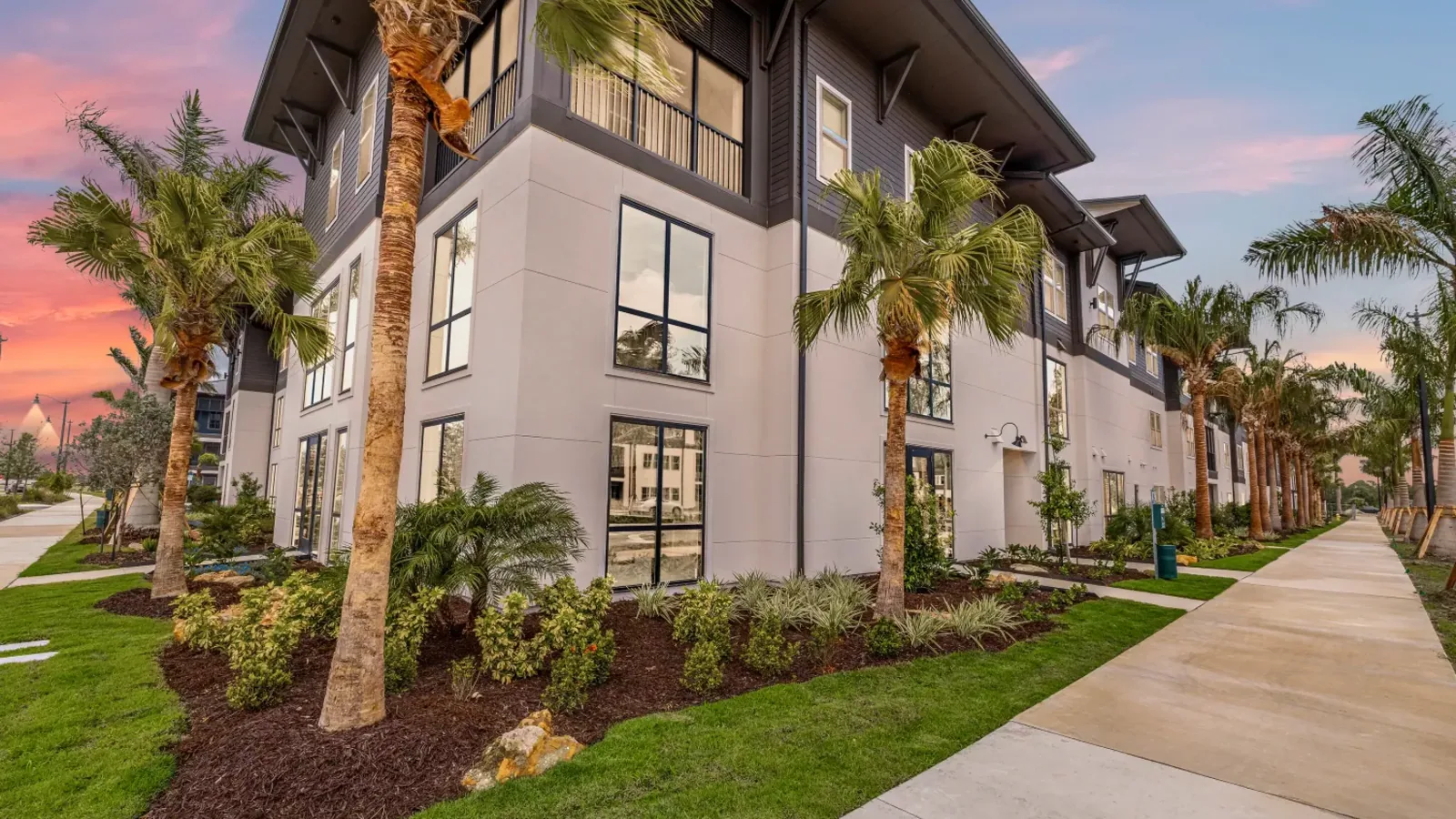
Hotel roofing must be planned around guest access, quiet periods, event schedules and rooftop amenities. Coordinate with property operations to identify occupied rooms, balconies, food-service areas and paths used by guests or staff below the work zone. Agree on how notices will be delivered if noise or access changes, and define the protection for any opening above a room that remains in service. Inspect pool decks, terraces and canopy transitions as separate assemblies rather than treating them as extensions of the main roof. Record the areas worked, any guest-facing restriction and when it can be removed so the operator can manage service confidently.
Confirm the roof entry, handling route and neighboring operations with the hotel contact. Released rooms can still adjoin occupied accommodation or active services. We recommend setting the removal phase against those instructions and practical closure, so room availability does not become an assumption about every affected exterior operation.
Assess the assembly and suitable preparation first, then compare workable methods against the operating arrangement. Wet layers, damaged receivers or incompatible treatments may require correction before a surface finish is considered. We retain those tasks in the comparison so the preferred schedule is supported by construction rather than chosen ahead of examination.
Mechanical disconnection, support preparation and return of service retain their appropriate participants. We define the roofing readiness point and permanent connection, including closure of former openings. The operator receives the sequence with unfinished service duties identified instead of treat a completed roof detail as permission to restart all associated equipment.
Locate the newly encountered receiver, measure its extent and describe the remedy before approval. Preserve the accepted change with preparation and finished evidence. That gives the manager a construction reason for the revised amount and retains what was accomplished at the position, including any separate service work still awaiting completion.