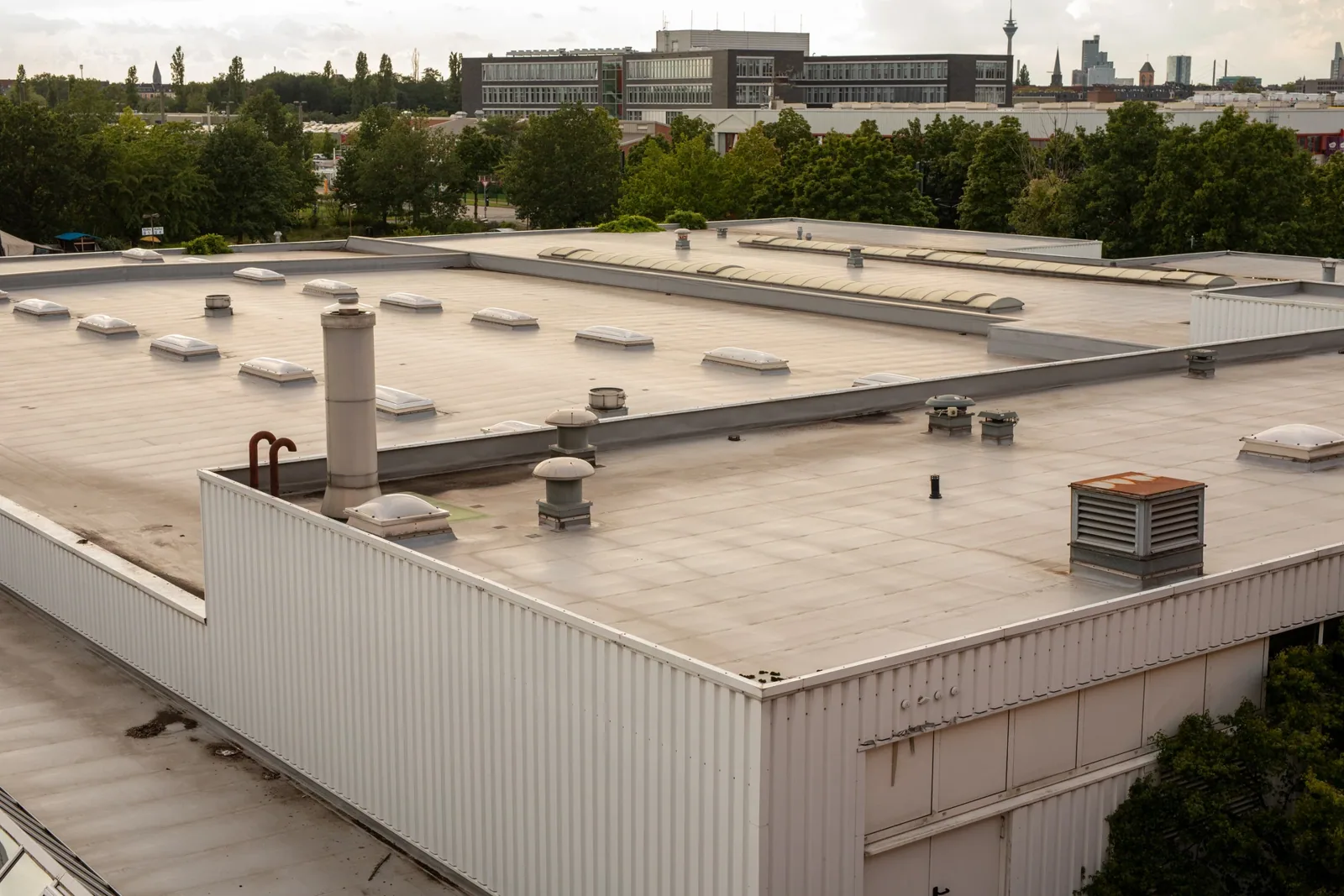
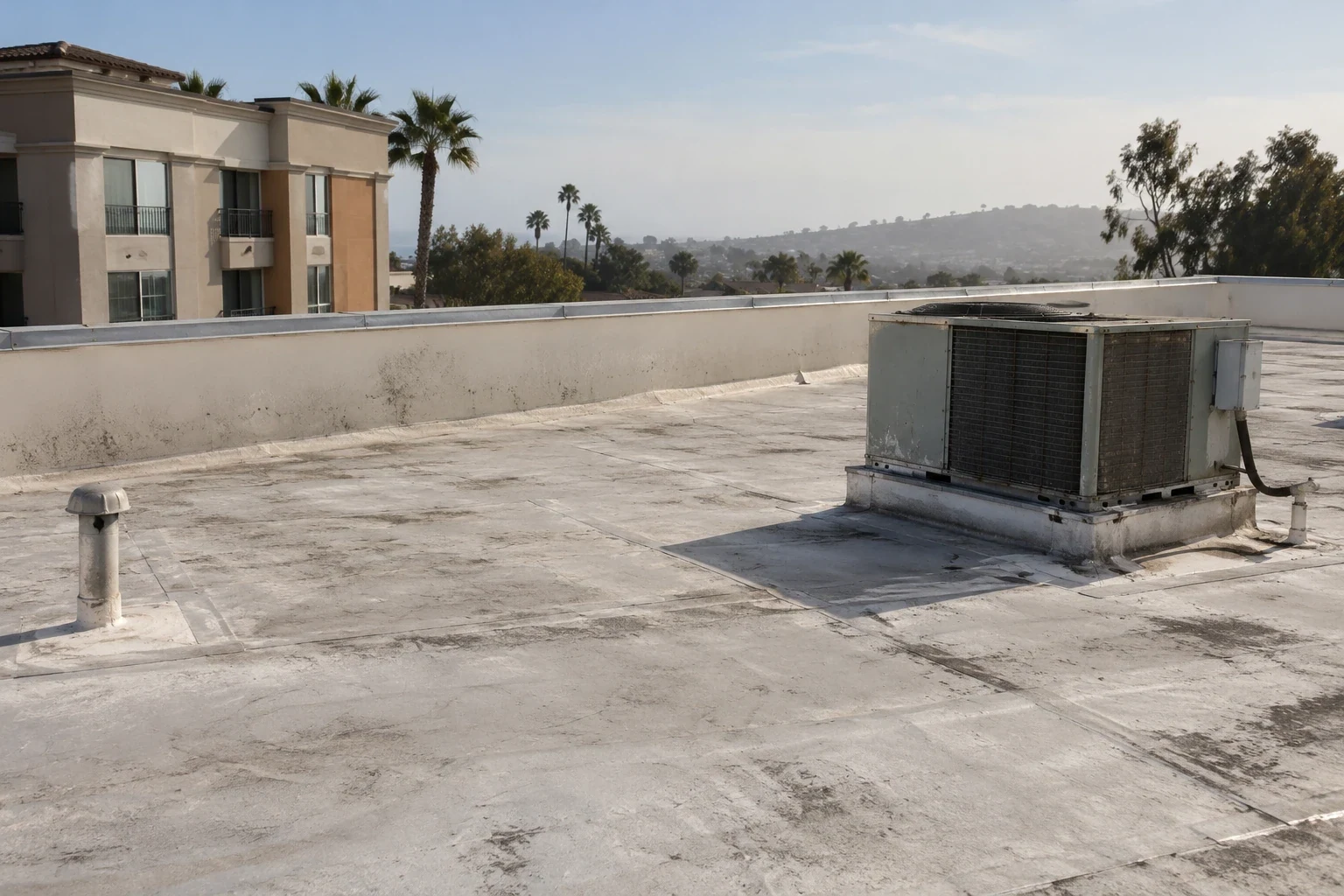
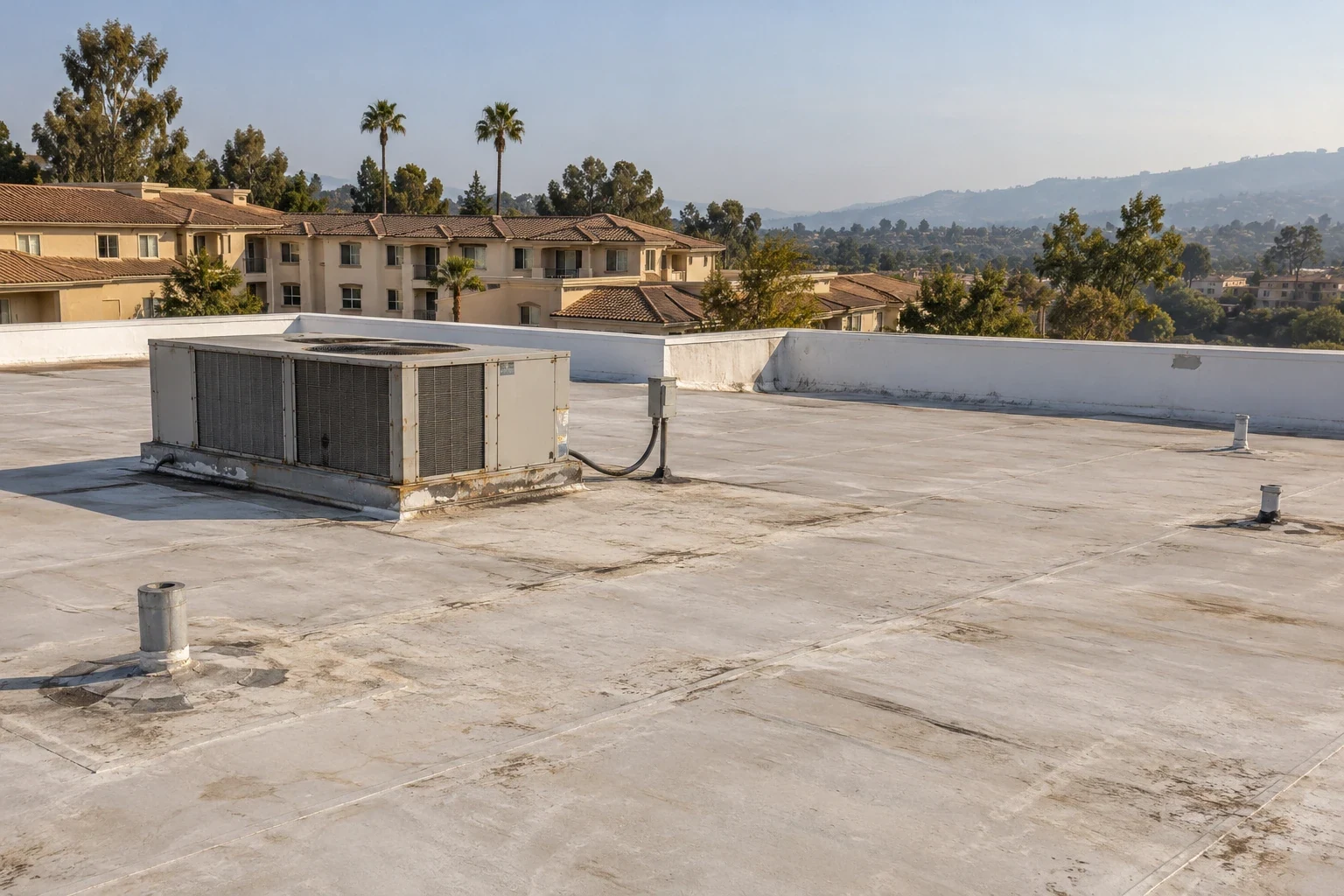
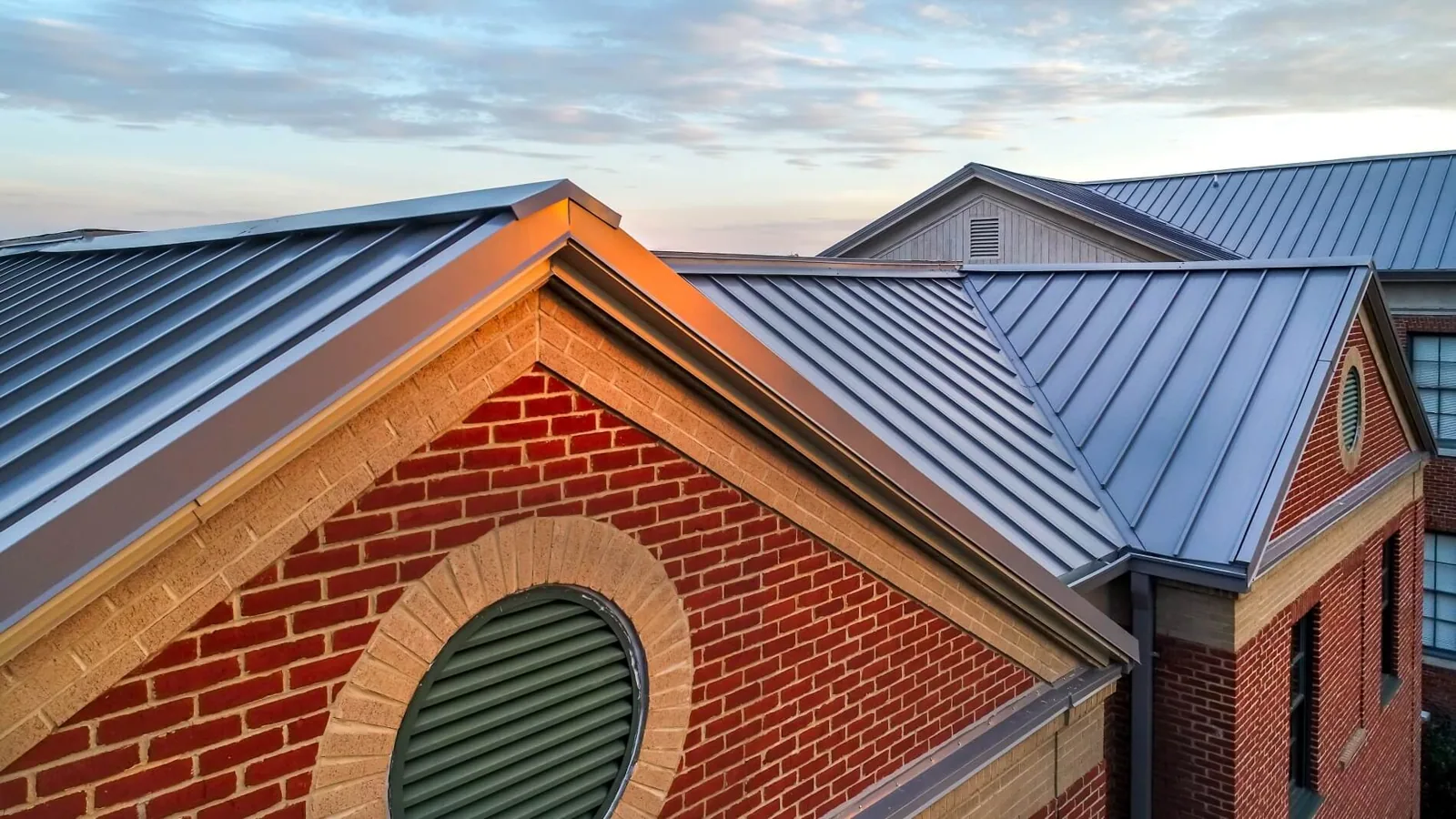
Property Types We Roof

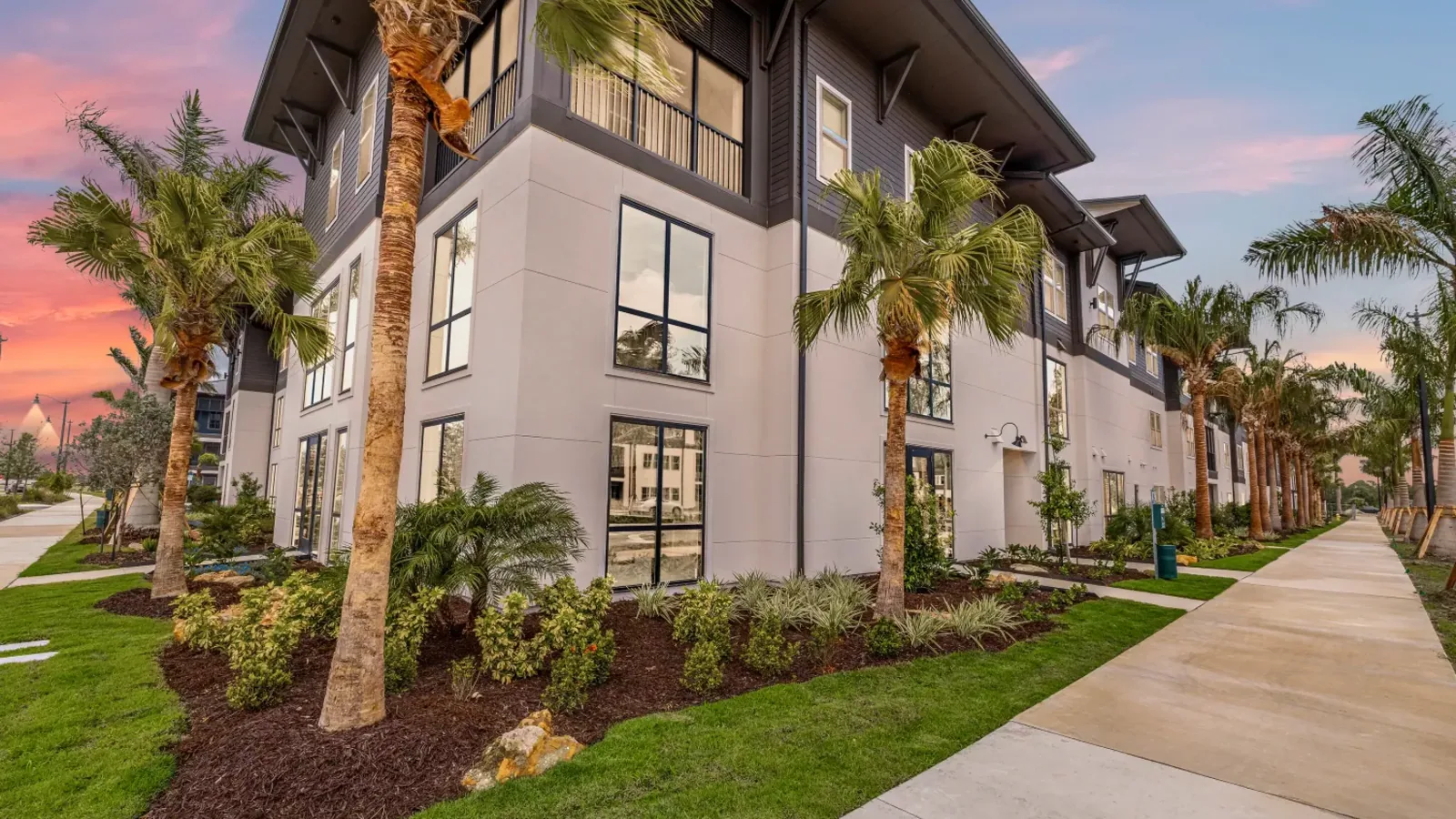
Assess Torrance apartment roofs with unit locations, access responsibilities and repair options. Review a measured scope for occupied residential property.
An apartment acquisition places a roof allowance beside occupied units, shared equipment and property access responsibilities. The expenditure needs a construction basis that the next manager can identify. Commercial Roofing Torrance examines apartment roofing in Torrance, CA and explains the supported correction with its receiver and operating sequence. We retain the scope of accessible findings and identify investigation still needed before a wider renewal decision.
Hawthorne Boulevard and Pacific Coast Highway provide local route references, while Del Amo Fashion Center helps orient a property visit. The actual apartment representative supplies the assigned building, roof entry and resident movement requirements. We connect those instructions with the examined portion rather than infer a roofing arrangement from the address alone.
A unit number needs its building and interior position recorded before the exterior investigation can follow it. We retain the reported timing, affected room and relevant service activity, then compare them with accessible seams, openings, walls and drainage. Water may travel within construction, so the roof correction requires an examined detail rather than a patch placed directly above the ceiling symptom.
Apartment roof leak investigation records orienting views and the specific receiver. A plumbing or equipment concern remains with the appropriate service participant where needed. The manager can review the supported roofing task with its access and protection provisions. Concealed questions retain their proposed examination and closure arrangement, helping separate a measured repair from a broader removal allowance still requiring evidence.
A vent or service penetration can cross a shared roof portion even where the reported water affects one unit. We inspect accessible flashing and adjoining material, measure working clearance and identify preparation required for compatible joining. Equipment disconnection and support questions retain their qualified participants. The manager identifies the actual ownership and service responsibilities used to authorize the work.
The operating arrangement can differ from a lodging roof project or senior living property. We keep the assigned apartment's resident access and service requirements in the scope. A maintenance route is identified with the operator before protection is added. That protection should preserve outlets and accessible connections, while underlying damage receives its own supported correction before it is covered.
A recover allowance needs the assembly identified and its receiving condition assessed. We inspect reachable material and attachment, record earlier treatments and explain testing needed for concealed moisture or layer questions. A limited sample supports its position; the retained or removed quantity requires examination appropriate to that broader extent. Deteriorated construction receives a defined remedy before another surface is proposed.
An apartment roof recover option includes perimeter transitions, drainage and opening details alongside its field material. The removal alternative identifies disposal, insulation changes and receiver repairs where supported. We compare the completed methods with investigation dependencies retained. The owner can see which option has a suitable construction basis and which needs another assessment before procurement commits the property to it.
A material handling position beside an entrance requires a permitted period and protected resident movement. The property representative identifies access, affected units and emergency routes, then we plan lifting and debris handling against those provisions. Roof entry, storage and service visits are agreed for the actual premises. Permission to examine a roof is separate from permission to obstruct a shared access route for construction.
For an apartment property along Hawthorne Boulevard, the planned visit confirms the assigned building and responsible contact. Removal phases identify the area opened, temporary protection and daily closure. A restriction can require repeated setup or smaller quantities per shift. We include those costs with the permanent work so the owner receives an amount describing the operation the property can accommodate.
An apartment reroof needs the responsible authority, accepted application basis and project participants identified for its actual alteration. We retain measured construction information useful to the design and approval route. Relevant energy, fire and attachment requirements are addressed with the appropriate participants before products and insulation are selected. The proposed assembly follows that review rather than rely on a familiar material name as permission to install it.
Acquisition roofing examination also distinguishes immediate supported work from concealed questions and wider options. A financial allowance should state its construction assumptions and what investigation would change the extent. Remaining service life requires an examined basis; the owner's investment period does not supply one. We explain the next practical task where the decision needs more information, with deferral and reassessment identified separately.
Keep a shared outlet identifiable by roof level and building reference. The manager can assign access for its later examination without treating one unit report as the full drainage responsibility. We retain those references where they affect the proposed repair and continuing care.
Additional receiver deterioration found during opening needs its location, quantity and remedy brought through the agreed approval route. We explain protection of incomplete construction while that decision is made. The accepted change stays connected to the roof position and affected building, allowing the manager to assess the revised amount against the condition encountered.
Apartment roof management records preserve products, useful preparation images, finished details and the extent of completion checks. Outstanding service tasks retain their participants, and temporary material keeps its removal or permanent follow-up. Issued warranty notice and upkeep obligations remain with applicable terms. An urgent leak can receive roofing assessment at night and through weekend or holiday periods. Safe authorized entry governs immediate protection, with the permanent construction need explained for the owner after the intervention.
At a multifamily property, roof access and resident communication need to follow the building's actual management plan. Identify stair and shared-access restrictions, occupied balconies, rooftop amenities and any unit that could be affected by interior protection. Give management a plain-language schedule with the areas and time windows that may generate noise, odor or temporary access changes. Before removing material, confirm how unexpected interior moisture will be reported and who may authorize entry to a unit. Keep tenant privacy in photographs and share only the documentation needed for property operations. The final record should identify completed zones, any follow-up inspection and maintenance items that affect residents or shared spaces.
Retain the building, affected room and exterior detail together. We recommend including timing and service circumstances so the investigation can distinguish supported roofing work from plumbing or enclosure questions. That connection also helps the manager arrange interior protection and return to the installed correction during a later assessment.
Distinguish examined construction from quantities dependent on further investigation. The retained material must support the proposed assembly, including moisture, attachment and compatible connections. We identify the examination needed and how its findings could change removal or receiver work before the owner treats the recover allowance as a purchasing commitment.
Include material handling, protected resident movement, storage, disposal and daily closure against the representative instructions. Restricted entrance or service periods can change the setup even for a small repair. We recommend retaining those provisions beside permanent construction so the owner can compare complete workable methods.
Keep unit and roof references with installed materials, accepted changes, preparation evidence and completed details. State completion checks by their coverage and identify unfinished service work or temporary protection. The next manager can then understand the correction performed and the continuing responsibility rather than infer full renewal from a repair invoice.