Roof Damage Repair
Locate Torrance roof flashing defects and receiving construction, then connect the repair scope with equipment, wall and owner approval responsibilities.
An owner comparing two Torrance flashing estimates needs to know whether they describe the same finished connection. One amount may cover surface material while another includes the adjoining construction required to receive it. Establish the observed defect and repair boundary before judging the prices.
Commercial Roofing Torrance records the detail, its available receiving material and the preparation needed for the proposed correction. We identify equipment or wall work that belongs to another qualified party. The owner can approve a complete connection rather than an undefined promise to seal the area.
For a property near Del Amo Fashion Center, the retail setting provides orientation. It cannot identify the subject roof assembly or the person authorized to approve a change to equipment or occupied rooms.
Identify any adjoining puncture through the field material as another measured task. The patch boundary and flashing junction can require different preparation.
Locate the flashing against recognizable building references. Examine the accessible transition between roofing and the connected construction. Record previous patches, movement evidence and the condition of adjoining materials without assigning an unsupported history to the defect.
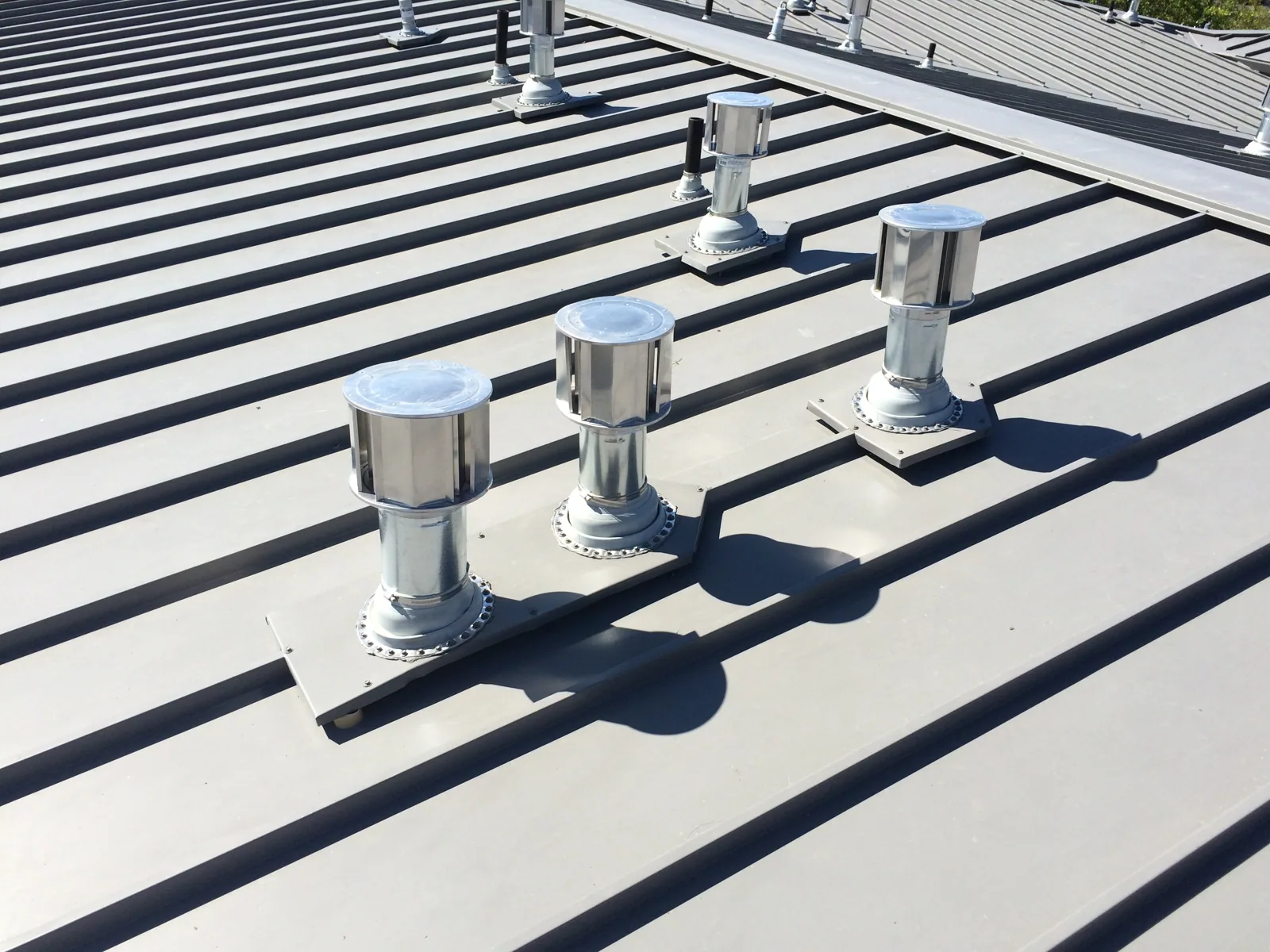
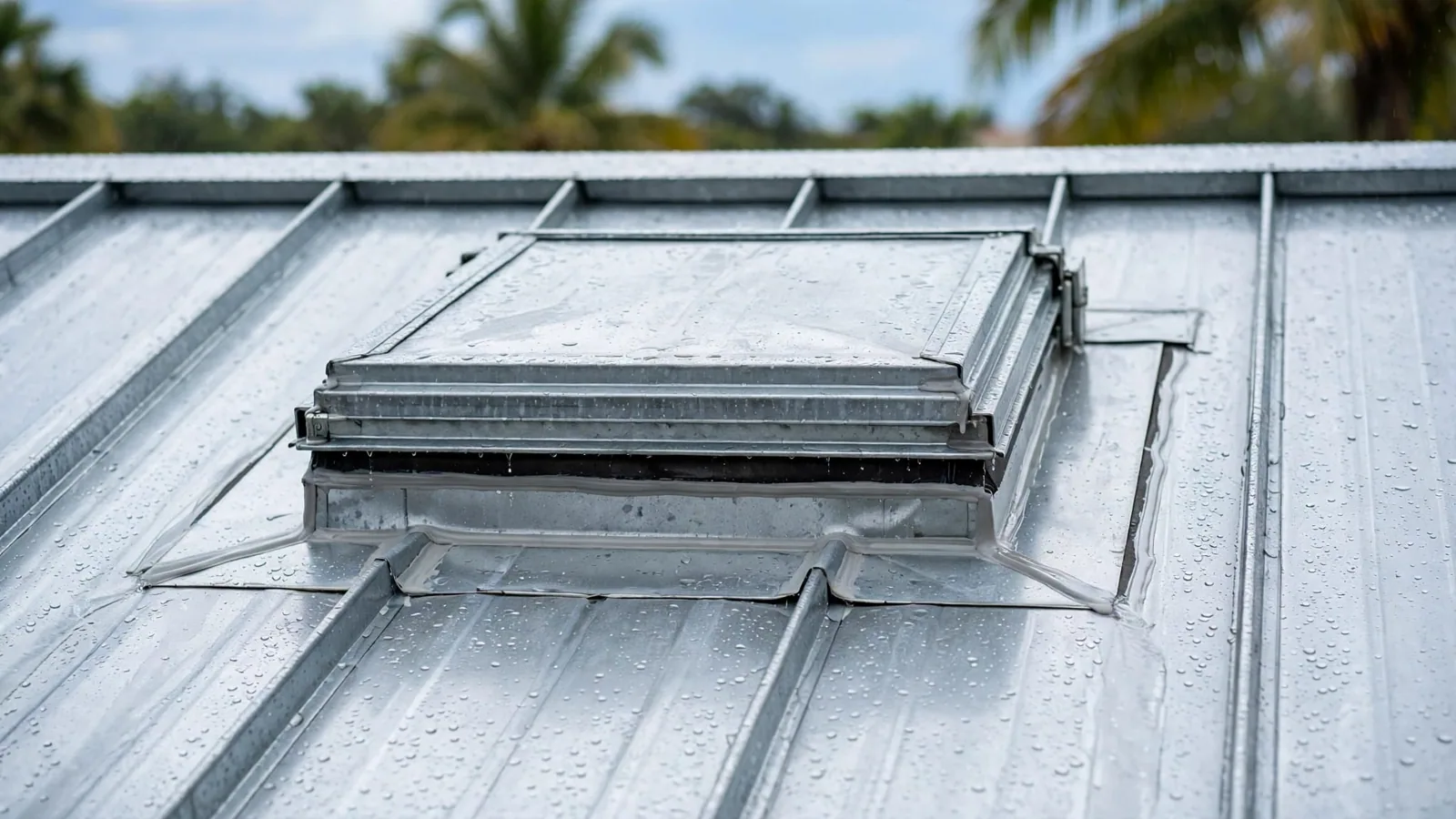
Penetration and skylight flashing assessment checks the receiving detail involved. A penetration label does not identify every layer, height or attachment that needs consideration. Match drawings and product information with the installation present.
If interior water was reported, record timing and position separately. Roof leak mechanism investigation checks whether the junction is supported as the entry route. A stain nearest the equipment does not automatically establish that flashing as the cause.
State access limits alongside the recommendation. A hidden face or obstructed connection remains an examination question. An overview photograph can locate it without proving what lies behind it.
Use further investigation when the concealed condition would alter the correction. The owner should understand which construction decision that information will support.
Agree how the junction can be exposed if inspection requires removal. Assign protection and reinstatement to the appropriate parties, so an investigative opening does not become an unpriced construction task.
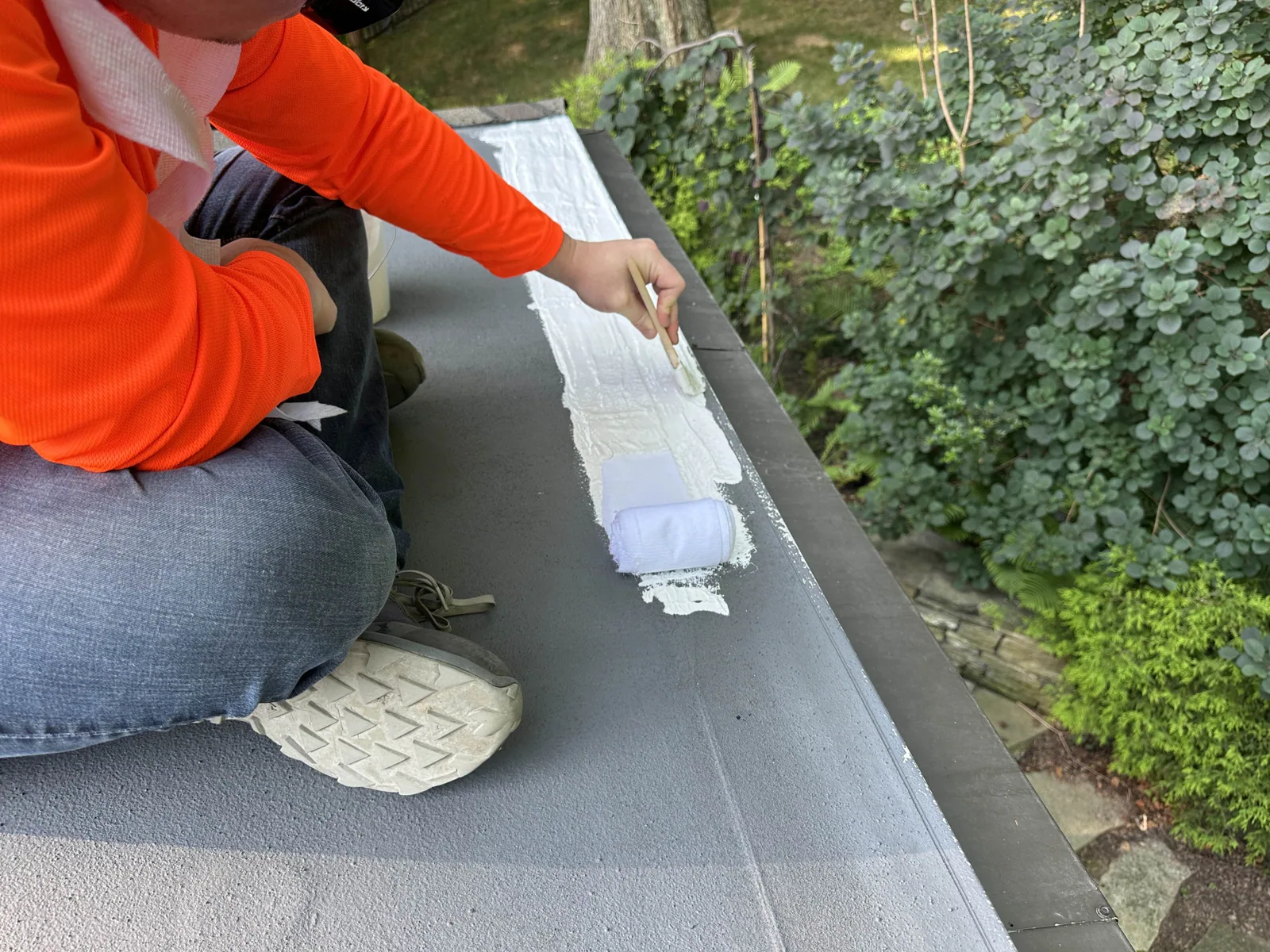
A permanent scope describes material removal, cleaning or other preparation, new products and the final tie-in. Confirm the adjoining base can receive the intended method. Previous treatments may require a different preparation than exposed original material.
Product compatibility depends on the materials and actual conditions. Do not select a general sealant category as a universal answer for every membrane, wall finish or equipment surface.
Where the base is unsuitable, explain the finding and the additional construction needed. A larger amount is useful when it shows how the correction will reach sound receiving material.
Seam failure repair can address another defect in the adjoining field when evidence supports it. Keep that task identifiable rather than assuming flashing work includes every surrounding seam.
Separate a measured extent from a conditional allowance. If removal may expose deterioration, establish how the quantity will be documented and who must approve the additional preparation. That procedure should accompany the estimate.
A wall transition can require enclosure work beyond roofing. An equipment connection can involve movement, support changes and service interruption. Identify those tasks before pricing the weather connection as ready to install.
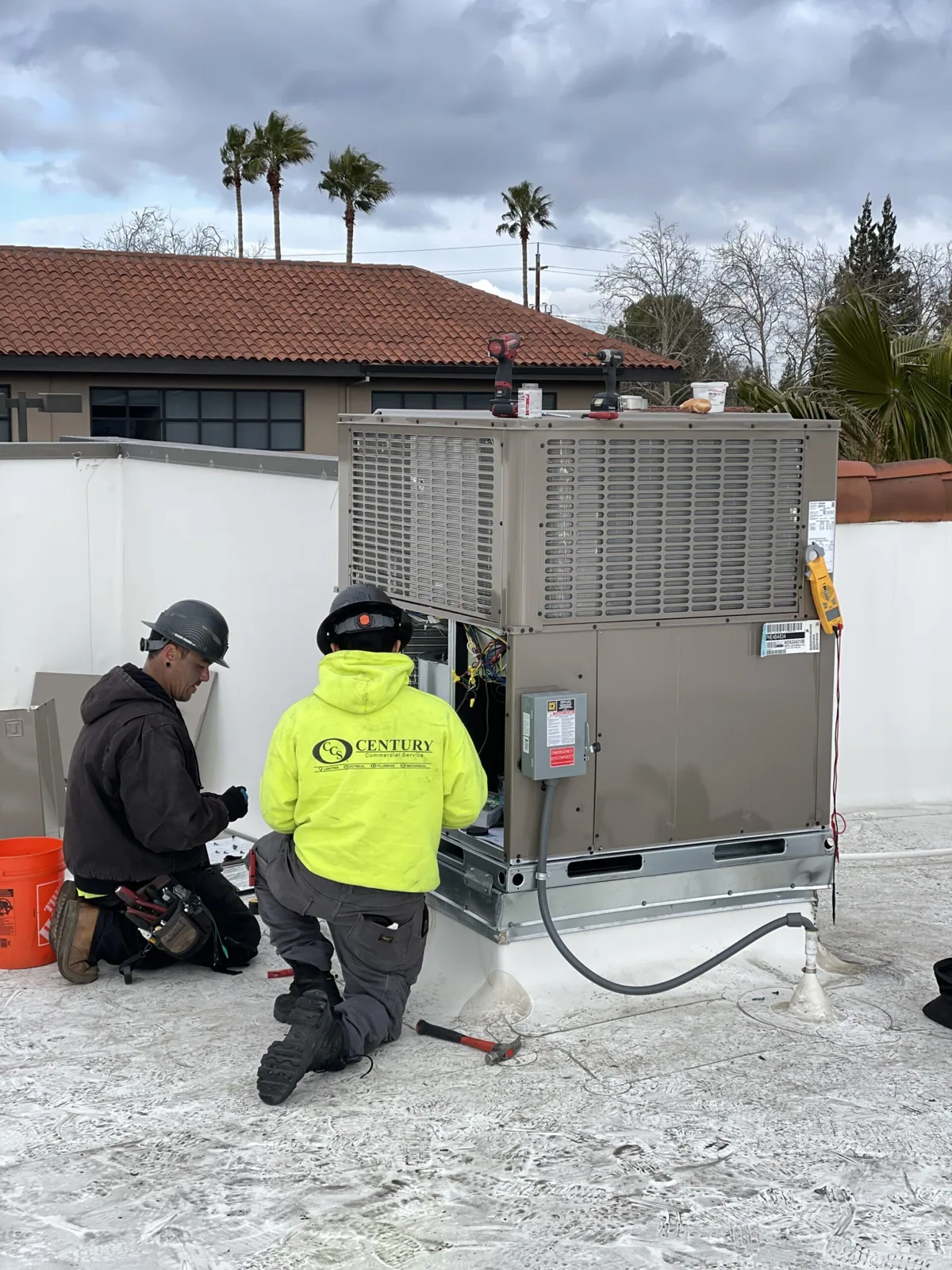
Equipment curb and support coordination places qualified mechanical, electrical and support responsibilities beside the roofing detail. The building contact confirms the equipment interruption and protection arrangement needed to rebuild the flashing receiver. Roof access alone does not authorize disconnection or an equipment shutdown.
Measure the intended finished height and available connection room. New layers or altered support can change that relationship. Resolve a needed adjustment before equipment placement makes the receiving detail difficult to reach.
Our coordination with general contractors keeps the removal and rebuilding sequence visible. Each party needs its task and acceptance requirement. One completion photograph cannot establish that every related system has been returned to use.
The closeout package should distinguish the completed roof junction from mechanical commissioning, wall acceptance or interior restoration.
Confirm entrances, rooms and handling routes affected by the phase. The operator identifies restrictions and the contact who can change the arrangement. Include necessary protection or repeated setup when the method depends on it.
A building in the Hawthorne Boulevard Corridor retains its individual tenant and access permissions. Nearby retail activity can suggest questions to ask; it does not establish the answers for the subject premises.
Temporary protection requires a selected method suited to the actual connection. State its purpose, limits and responsibility for checks. Avoid assigning an unsupported duration or treating the temporary measure as acceptance of the permanent detail.
Weather, substrate and product instructions govern installation readiness. A booked operating period is one planning constraint. It cannot make an unsuitable receiving surface acceptable for application.
For an industrial property near Torrance Industrial Area, historical development records do not establish current equipment service arrangements. Confirm the operator and qualified parties before work proceeds.
The Torrance code adoption record identifies replacement of 2022 California editions with the 2025 basis and local amendments. Determine the accepted application basis and actual authority for the property. The alteration scope sets the questions requiring review.
Energy compliance depends on applicable paths and exceptions for that project. A surface color or product name does not settle every requirement. Carry the selected assembly and connected construction into the review.
Our commercial roof inspection record keeps the located finding available while the scope develops. If a new observation changes the recommendation, record the physical reason and its quantity effect.
An inspection or estimate does not establish approval of the construction. Retain the owner decision and any required project authorization before the selected work is treated as accepted.
Useful photos include the prepared base, installed connection and final adjoining relationship. Keep their locations consistent with the original report. Retain products and approved changes so another reviewer can understand what was delivered.
Record remaining investigation and deferred tasks separately. Give each a responsible contact and next action. The final walk sign-off should not conceal a related task still awaiting another party.
Later equipment service or wall alteration can change the connection. Consult installed system and warranty requirements before that work proceeds. A new water report needs a dated occurrence account and comparison with intervening changes.
The original record supplies a defensible baseline. It remains evidence of the documented work without proving that all later observations have an identical cause.
Before closing a flashing repair, verify the receiving surfaces on both sides of the junction. A sound-looking cover can still leave an open path at a change in height, a termination bar or the transition into metal. Photograph the exposed layers and fastening pattern, then compare the proposed tie-in with the installed membrane and any movement at the wall or curb. Define how the old material ends, how the new material bonds, and which termination will be inspected before concealment. If a substrate is soft or wet, pause that portion for an authorized decision rather than extending a patch over an unverified boundary.
Their receiving preparation and related construction may differ. Compare the complete finished connection and evidence supporting each scope.
It identifies an area to investigate. The supported mechanism may involve roofing, equipment or another enclosure component.
The finished roofing relationship, clearance and supporting requirements, with qualified service trades and facility authorization.
Retain located preparation and final photos, installed products and approved quantities beside the finished connection. We identify equipment, wall or interior responsibilities still awaiting their separate completion. A later service visit can then distinguish the flashing installed from another task that the roof repair did not finish.