Roof Damage Repair

Record Torrance roof puncture locations and receiving condition, then define suitable repairs and responsibilities for equipment or service activity.
A property manager receiving puncture photographs after equipment service needs a roof decision that does not assume the whole history from the image. For a Torrance building, identify the actual opening, its location and the adjoining construction. Then establish the preparation needed for a suitable permanent repair.
Commercial Roofing Torrance provides located evidence and an explained scope. We distinguish the defect observed from a reported account of how it may have occurred. The owner can approve corrective work without relying on an unsupported assignment of responsibility.
A building near Torrance Commerce Center can have multiple parties entering the roof. Confirm the subject premises, installed material and current access arrangement. The industrial setting does not identify which person made a mark or when the opening developed.
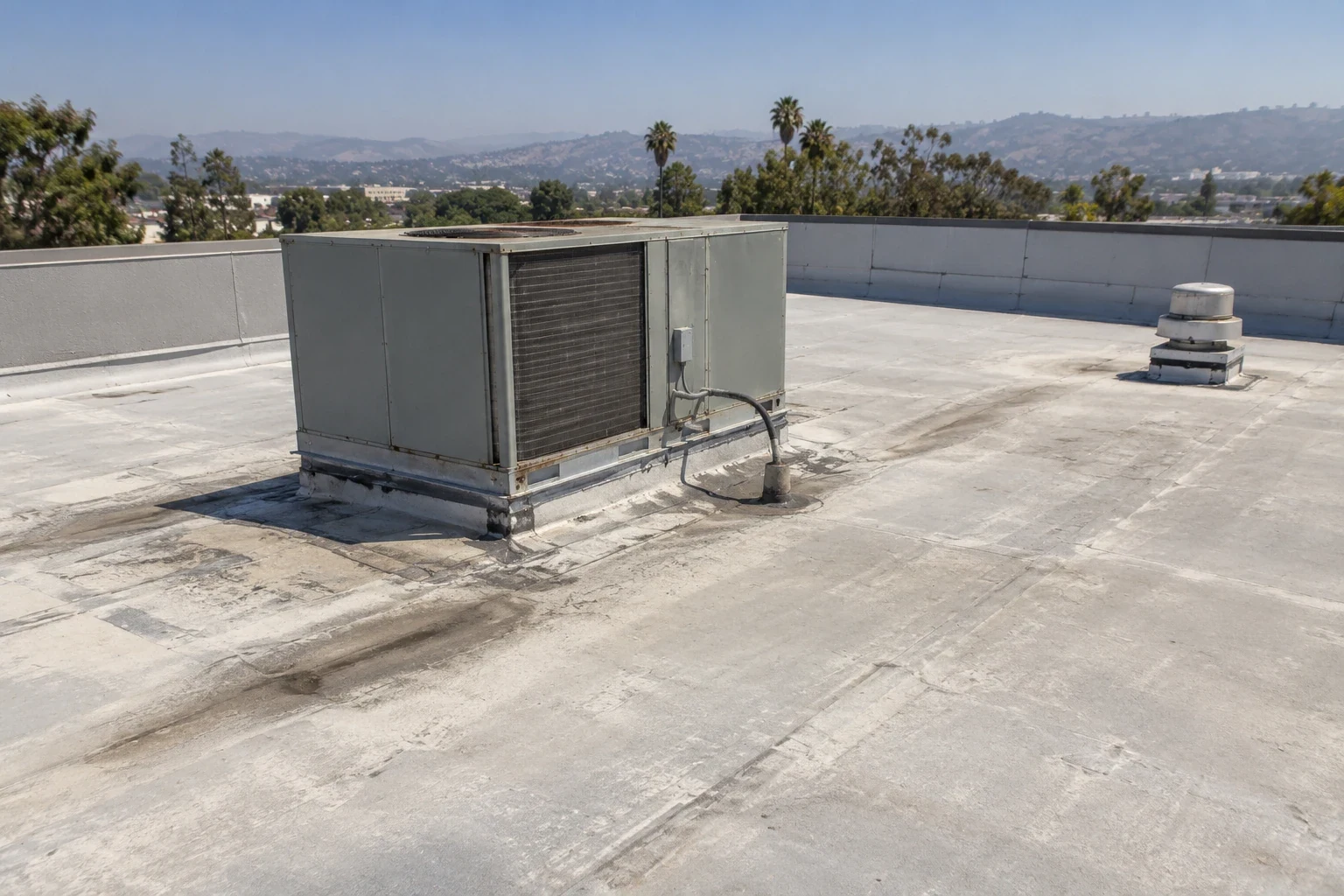
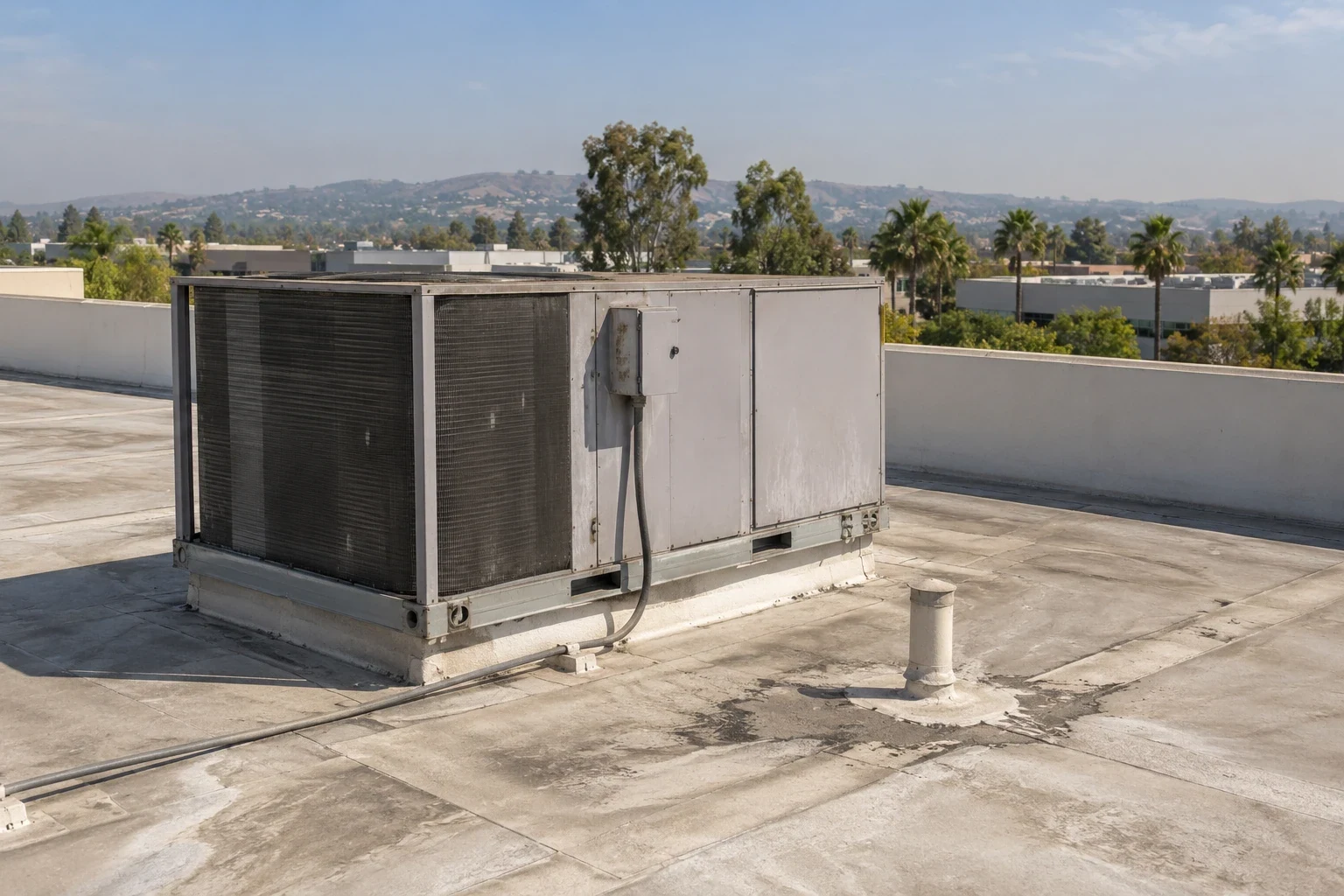
Mark the puncture against recognizable roof references. Photograph the opening and enough adjacent material to show its position. Record visible prior patches, nearby service routes and equipment without treating proximity as proof of cause.
Commercial roof damage inspection examines accessible receiving condition. A local correction needs an adjoining boundary suitable for the selected method. State obstacles or excluded areas that limit the examination.
Do not ask staff to enlarge the opening or disturb uncertain material to obtain a better photograph. An investigative opening needs an appropriate procedure, protection and reinstatement responsibility. Qualified review applies where supporting or service hazards are involved.
The survey file should distinguish the inspection date from the reported occurrence date. Preserve both when known. An account from another party can be useful information without being an observed roofing fact.
Look for separate concerns in the accessible surrounding area. Each needs its own supported description rather than an assumption that every nearby mark is part of the same defect.
A puncture does not automatically establish the condition of every underlying layer. Where concealed material affects the correction, identify a suitable investigation and the decision it will support. The owner should understand why that information is needed.
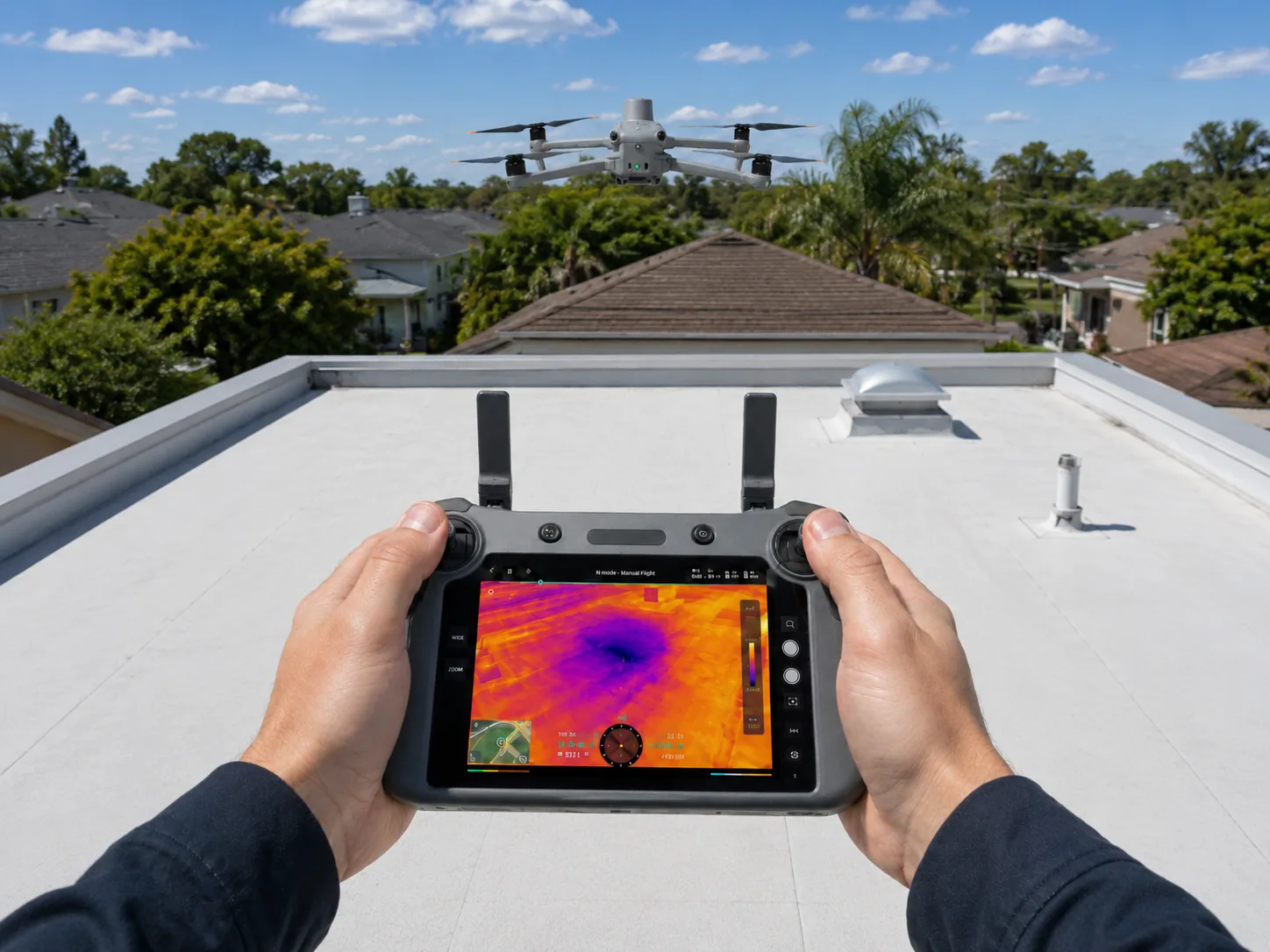
Interpreted infrared roof assessment may provide useful patterns under appropriate conditions. Confirm their meaning by methods suited to the assembly. A pattern alone should not become a roof-wide measurement of wet insulation.
Samples describe their positions and examination limits. Broader deterioration requires evidence suitable for the broader area. Keep confirmed removal separate from a conditional quantity that cannot yet be measured.
For an allowance, define the measurement and approval route. Identify who documents the discovery and who authorizes additional preparation. This gives the owner a way to review the change rather than receiving an unexplained increase.
A small opening may support a small correction. The size of the building is not the physical basis for choosing either local work or expanded removal.
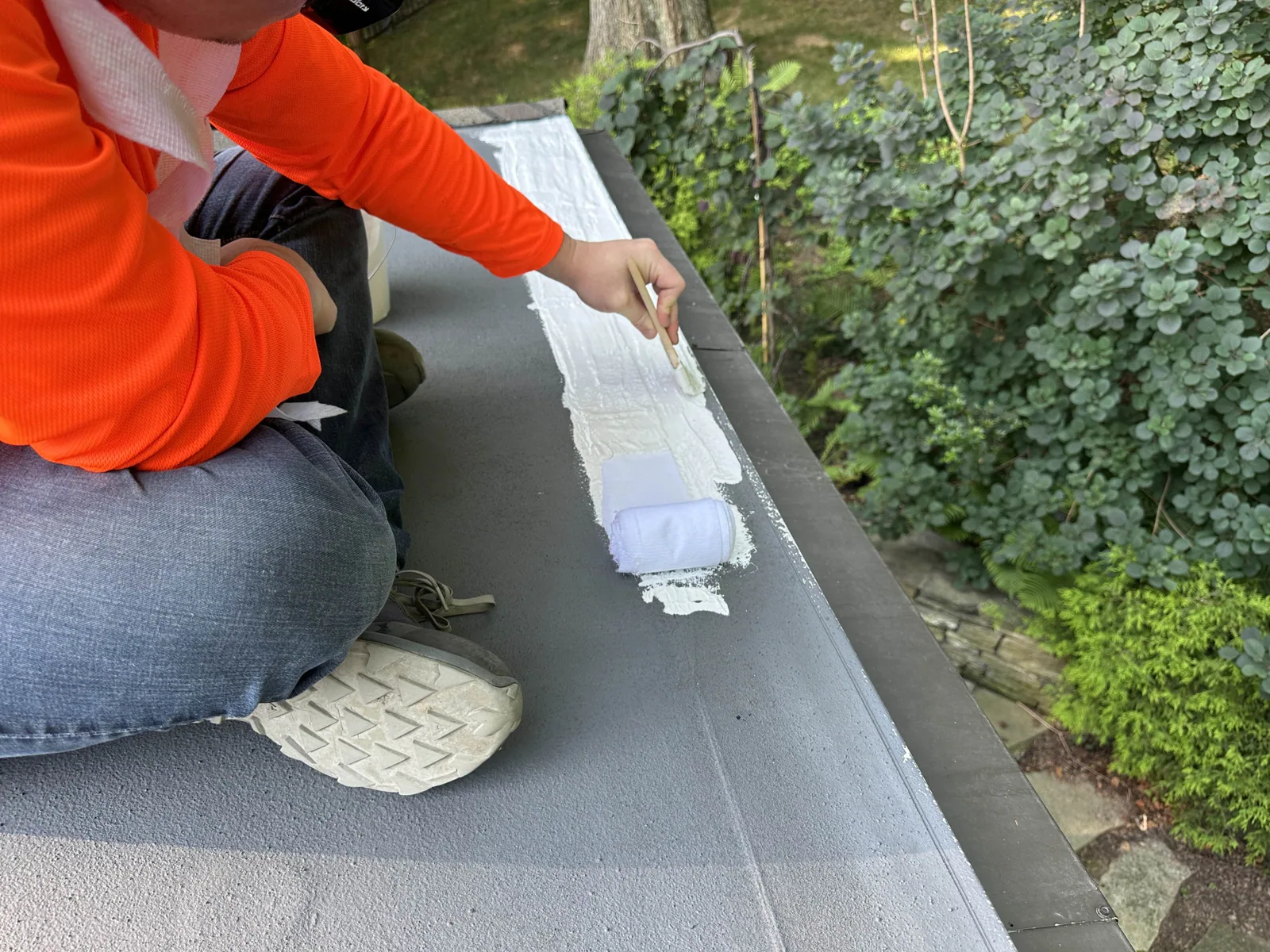
Identify the installed material where it can be established and select a compatible repair method. State preparation, new products and the final tie-in. Previous treatments or deterioration can affect what the receiving surface requires.
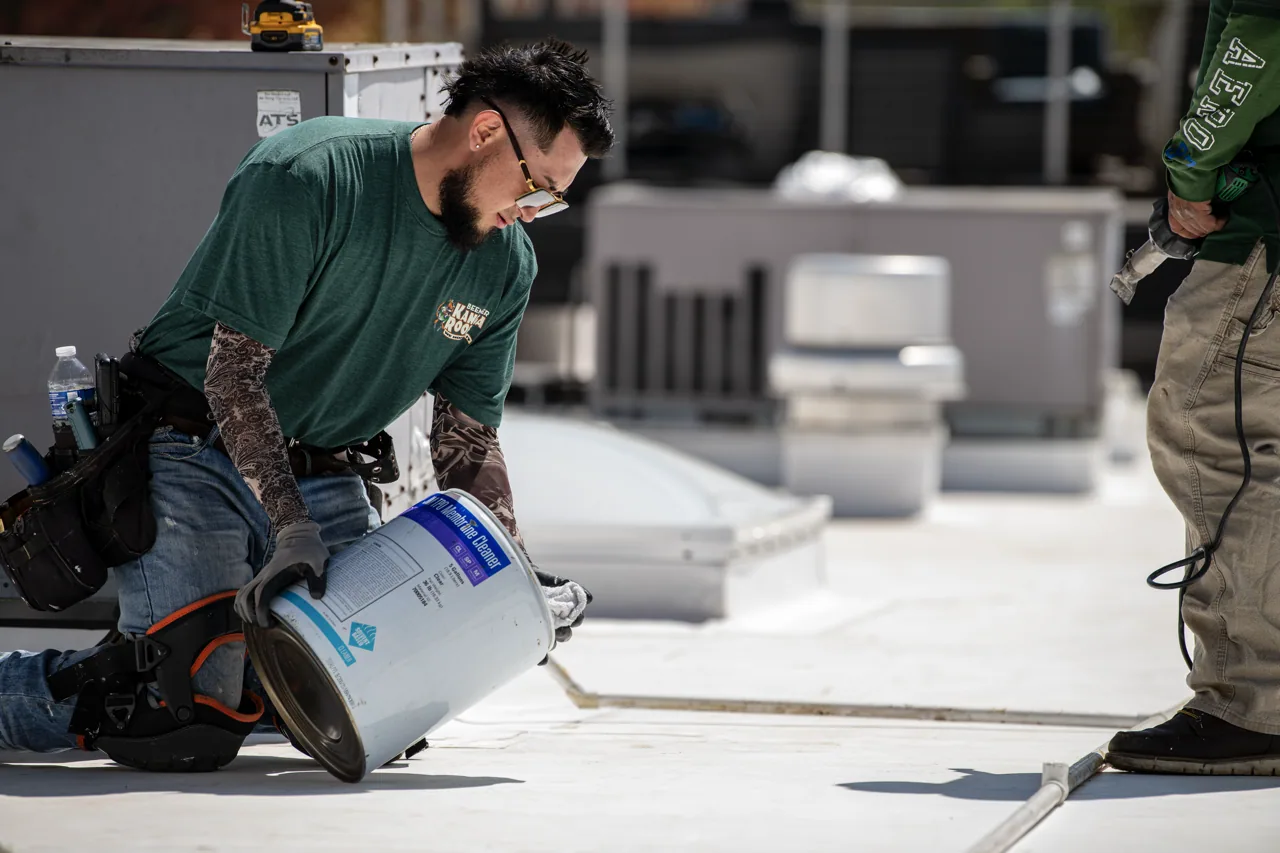
The correction needs more than a generic material label. Product instructions and actual conditions govern its application. Do not assume one adhesive, sealant or welding procedure is appropriate for all roof membranes.
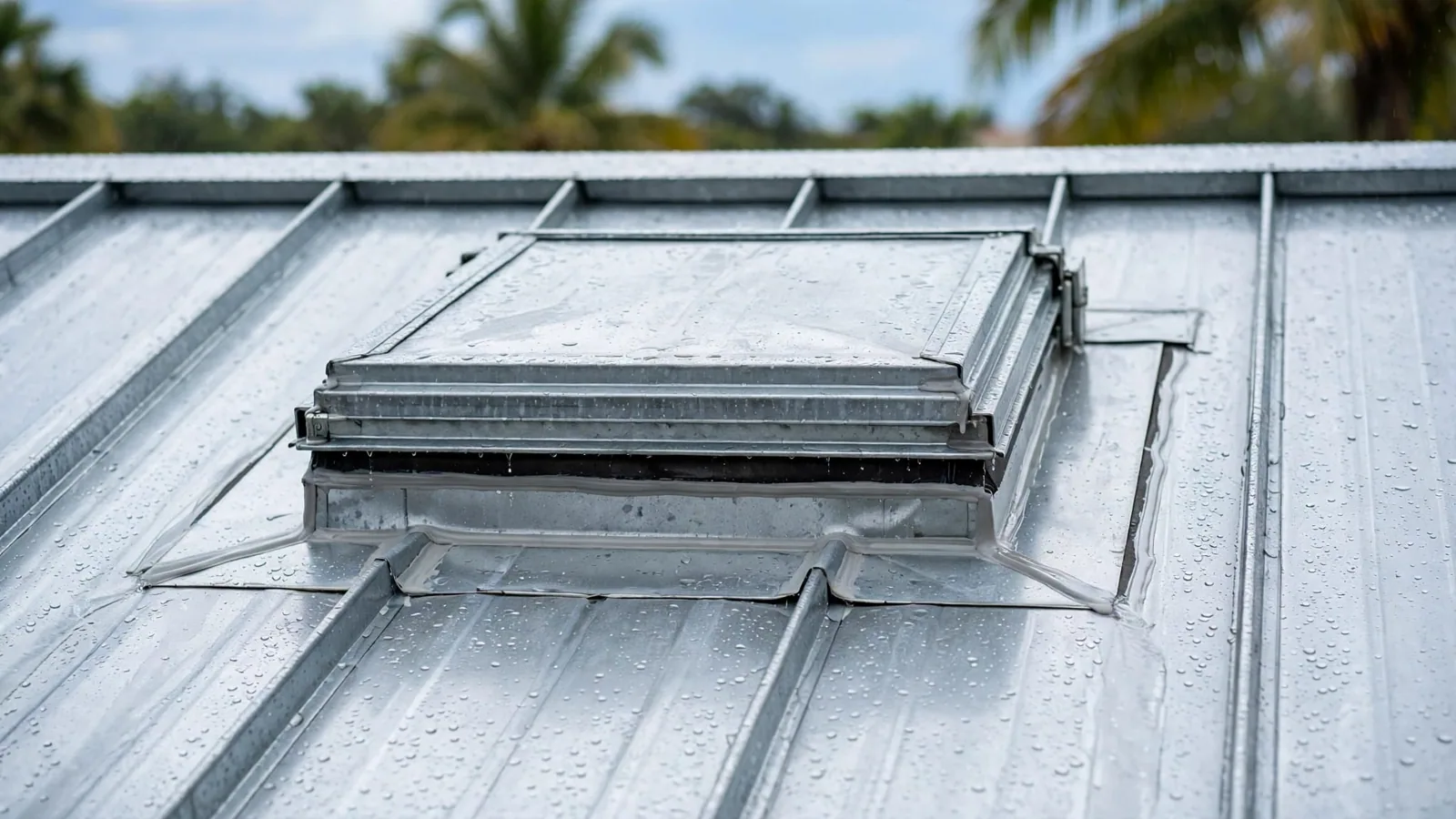
Seam failure correction addresses a seam concern when the inspection supports it. Keep that quantity distinguishable from the puncture task. A broader patch is not automatically a solution for every adjacent connection.
Where receiving construction is unsuitable, explain the finding and the preparation or removal necessary to reach an appropriate boundary. The owner should understand what changes in the task and why.
Compare a proposed wider option as a complete assembly choice. Field coverage alone may omit removal, altered heights and connected equipment or outlet work required by that option.
Confirm which parties require roof access for future service. The operator establishes the approved routes and activity. Any proposed protection or access provision needs review appropriate to the roof and equipment arrangement.
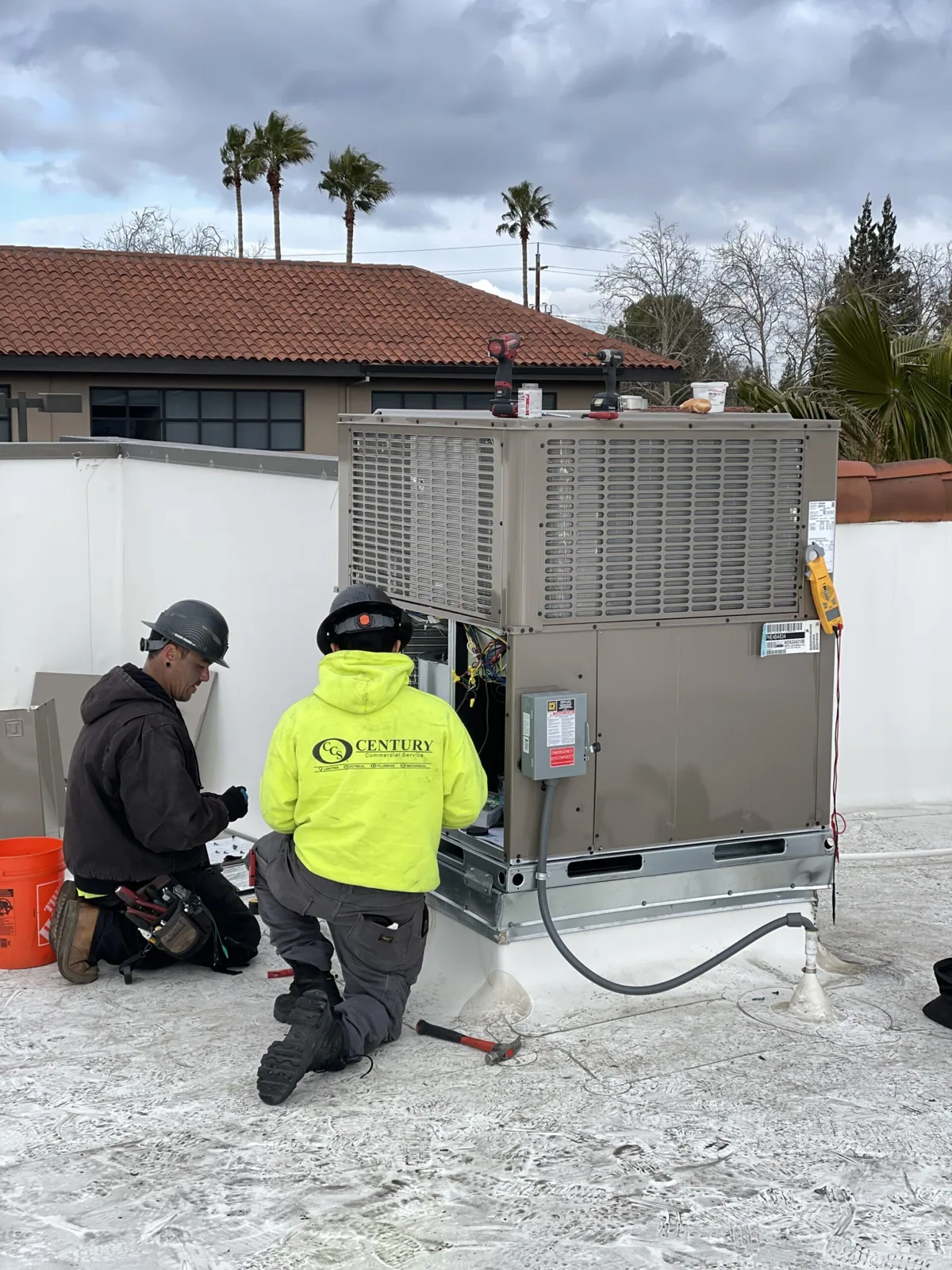
Rooftop equipment connection coordination identifies qualified mechanical, electrical and support tasks. Identify the operator authorized to release equipment or restrict the occupied area beneath the puncture repair. Roofing permission does not grant another party authority to disconnect equipment.
Measure the finished roof relationship before equipment is placed or support is altered. Resolve a needed receiving adjustment while the junction remains accessible. An equipment move can create another roofing task even when the original puncture repair is limited.
Property manager roof coordination retains access contacts and applicable installed-system requirements. These records help the next service party understand restrictions without promising that every future puncture can be prevented.
For a location in the Torrance Industrial Area, verify the current operator. Confirm the permitted service interval and affected equipment before the repair depends on an agreed roof entry.
Identify the affected rooms, handling route and protection needed for the phase. The operator confirms restrictions and the contact able to change them. Price additional setup where a limited period makes it necessary.
Near the Hawthorne Boulevard Corridor, the retail identity helps orient the assignment. It does not prove subject-property ownership, product selection or tenant permission.
Torrance's adoption record identifies the change to 2025 California code editions with local amendments. Confirm actual authority, application basis and alteration scope. Energy review depends on the work and applicable compliance approaches or exceptions.
Substrate, weather and product requirements determine application readiness. A preferred service date cannot make unsuitable preparation acceptable. Temporary measures need their own method, purpose and reassessment responsibility.
Roof leak investigation remains relevant if interior water is reported. The puncture is an observed concern, but its relationship to that occurrence still needs supporting evidence.
Retain useful preparation images before covering the base. Record installed products, final patch locations and approved quantity changes. The completion record should let another manager find the task that was accepted.
Separate the roofing correction from equipment acceptance and interior restoration. List further investigation and deferred work with a responsible contact and next action. Do not describe an excluded section as examined simply because the local task is complete.
Consult applicable warranty and maintenance requirements before later roof service. A new puncture or water occurrence needs dated information and examination of changed conditions. The earlier closeout supplies comparison without assigning every subsequent report to the same cause.
For a puncture, mark the opening and a surrounding inspection zone before cutting or cleaning. Check whether the damage is isolated, repeated along a traffic path, or associated with nearby equipment work; those patterns lead to different controls after the repair. Identify membrane type and thickness where records or a sample support them, and select a compatible patch detail for the actual condition. Define the preparation area, seam orientation, roller or weld checks and required cure time under applicable product instructions. Photograph the cleaned surface and completed patch, then note any concealed wet material or follow-up inspection that remains outside the approved repair.
It establishes the visible concern within the image limits. Cause and timing require supporting information rather than an assumption from nearby equipment.
The opening and the suitable adjoining boundary, including preparation needed for the selected material and method.
It describes its position. Wider quantities need appropriate evidence and explicit investigation limits.
Located completion records and applicable system requirements, with approved access and equipment responsibilities.