Roof Damage Repair
Document Torrance roof seam defects, suitable adjoining material and supported repair quantities before carrying a correction into the owner budget.
A roof report that calls for seam repairs needs to identify which connections were examined and what each correction requires. For a Torrance owner, a single repair allowance is difficult to assess if its locations and preparation are missing. The useful record connects the observed defect with the task being priced.
Commercial Roofing Torrance documents accessible seam condition and the material needed to receive a correction. We explain where a limited repair is supported and where another examination must answer a construction question. The owner can distinguish a measured task from an uncertain wider quantity.
A managed retail building near Del Amo has its own assembly and service history. Its location does not establish the membrane type or the cause of an opening seen during inspection.
Locate each examined seam against recognizable roof references. Record the installed material where it can be established, prior treatments and the condition of the adjoining field. A photograph should show enough surrounding construction for another reviewer to find the detail.
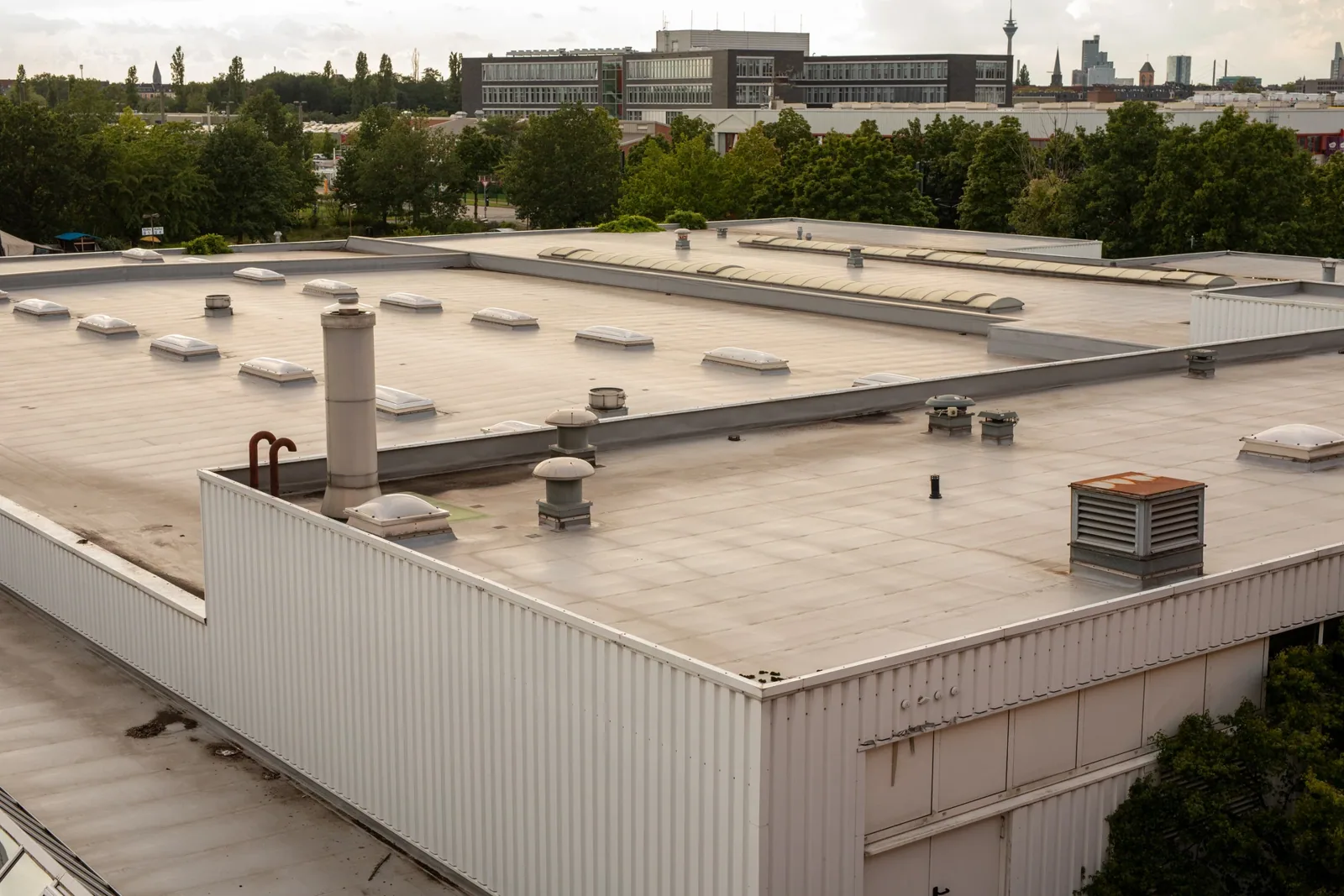
Commercial roof seam inspection states accessible coverage and restrictions. An overview can orient close images without establishing the condition of every seam across an unexamined section.
Choose an examination method appropriate to the assembly and question. Avoid treating the same test as suitable for every membrane or built-up connection. Any opening or disturbance for investigation needs an agreed method, protection and reinstatement responsibility.
Record observations without assigning an unsupported installation history. A damaged seam does not, by itself, establish who created it, when it opened or whether all other connections share the defect.
A condition grade should explain its basis. The owner needs the locations and findings behind the recommendation rather than a number detached from the actual roof.
Collect the interior report's date, position and known operating conditions. Ask about intervening equipment work and alterations. Keep the observer's account distinguishable from the condition found during the roof examination.
Commercial roof leak assessment checks the supported entry mechanism. A room stain can guide the exterior review without proving that the closest seam caused it. Equipment or adjoining enclosure questions retain their qualified responsible parties.
Concealed condition may need a separate investigation if it affects repair suitability or extent. Compare the thermal pattern with suitable confirmation before assigning wet-layer removal beside the failed seam. Samples describe their examined locations, not an automatic measurement of every hidden layer.
Uncertain wider condition should remain an identified question. A limited repair can still be considered where its boundary is supported, while another area needs information before construction is priced.
The survey file should make those separate decisions easy to follow. Do not allow a local leak report to become unexplained authority for roof-wide removal.
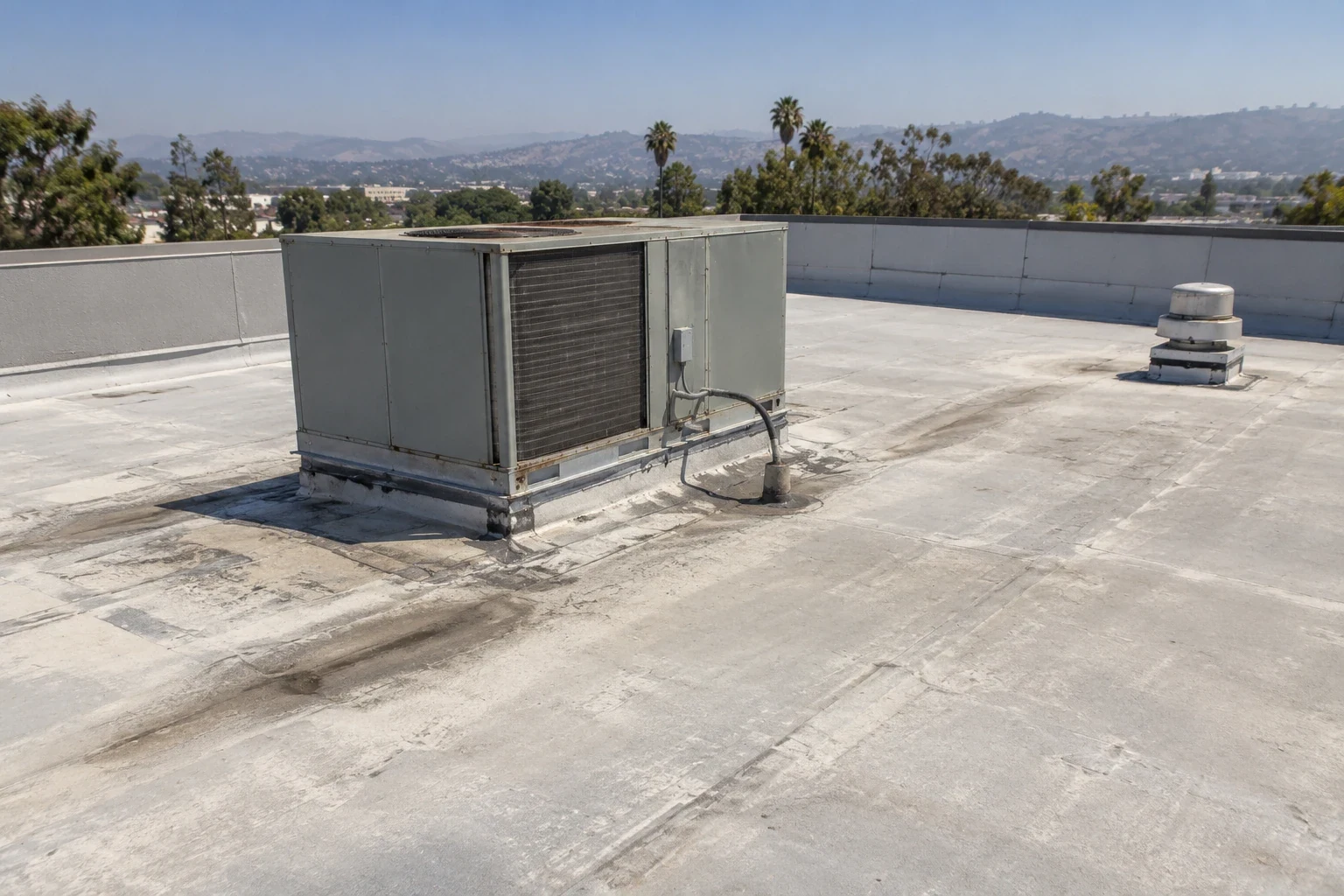
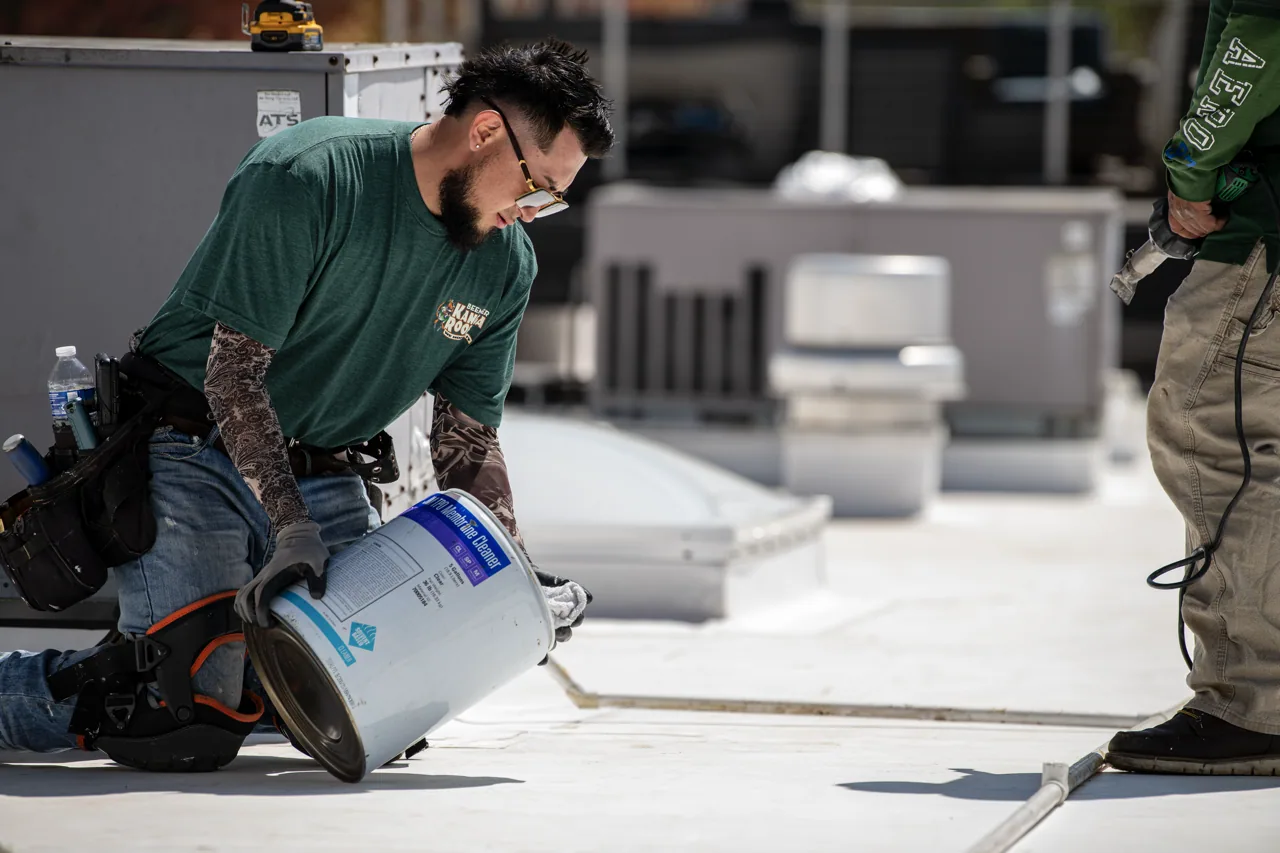
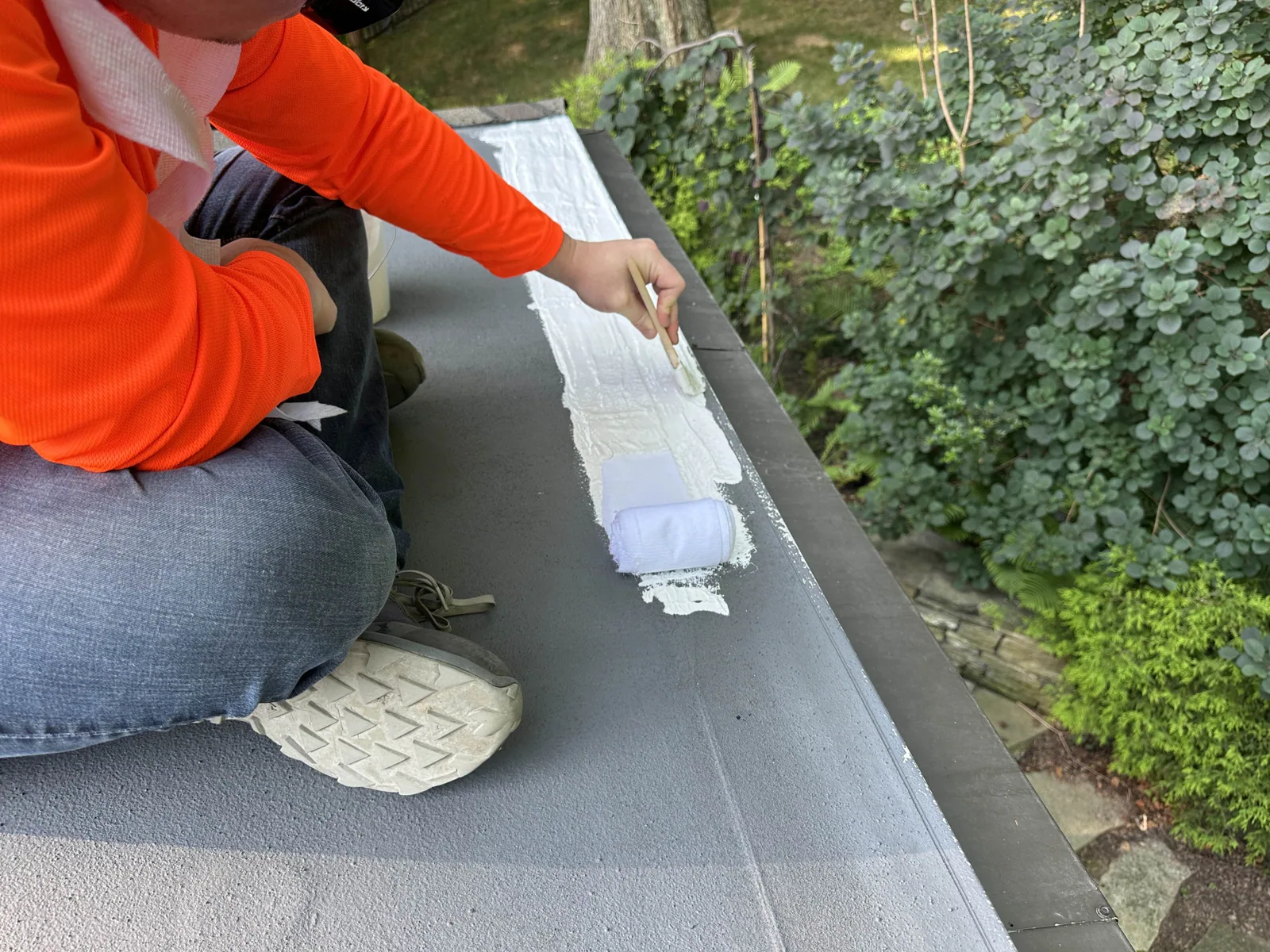
State how the affected connection will be prepared and what suitable material remains to receive the correction. Earlier patches or contamination can change that preparation. The selected products and method must fit the actual material and conditions.
A generic sealant description is insufficient when the receiving construction has not been established. Explain compatibility requirements and the final repair boundary. Any product-specific method needs its applicable instructions followed.
Membrane puncture repair addresses another defect when the evidence supports that separate task. Keep puncture quantities and seam corrections recognizable in the scope rather than merging every mark into a single unexplained line item.
Carry concealed deterioration under a defined allowance only where appropriate. Describe measurement, supporting documentation and owner approval before the amount changes. Confirmed construction and conditional extent should remain distinguishable.
If the adjoining material cannot receive a suitable correction, explain the physical finding and the additional preparation or removal it requires. Broader work needs an evidence-based boundary.
A proposed restoration or retained-system approach requires suitability of the actual assembly. Seam condition is one input. It does not alone establish attachment, underlying condition or receiving suitability throughout the intended area.
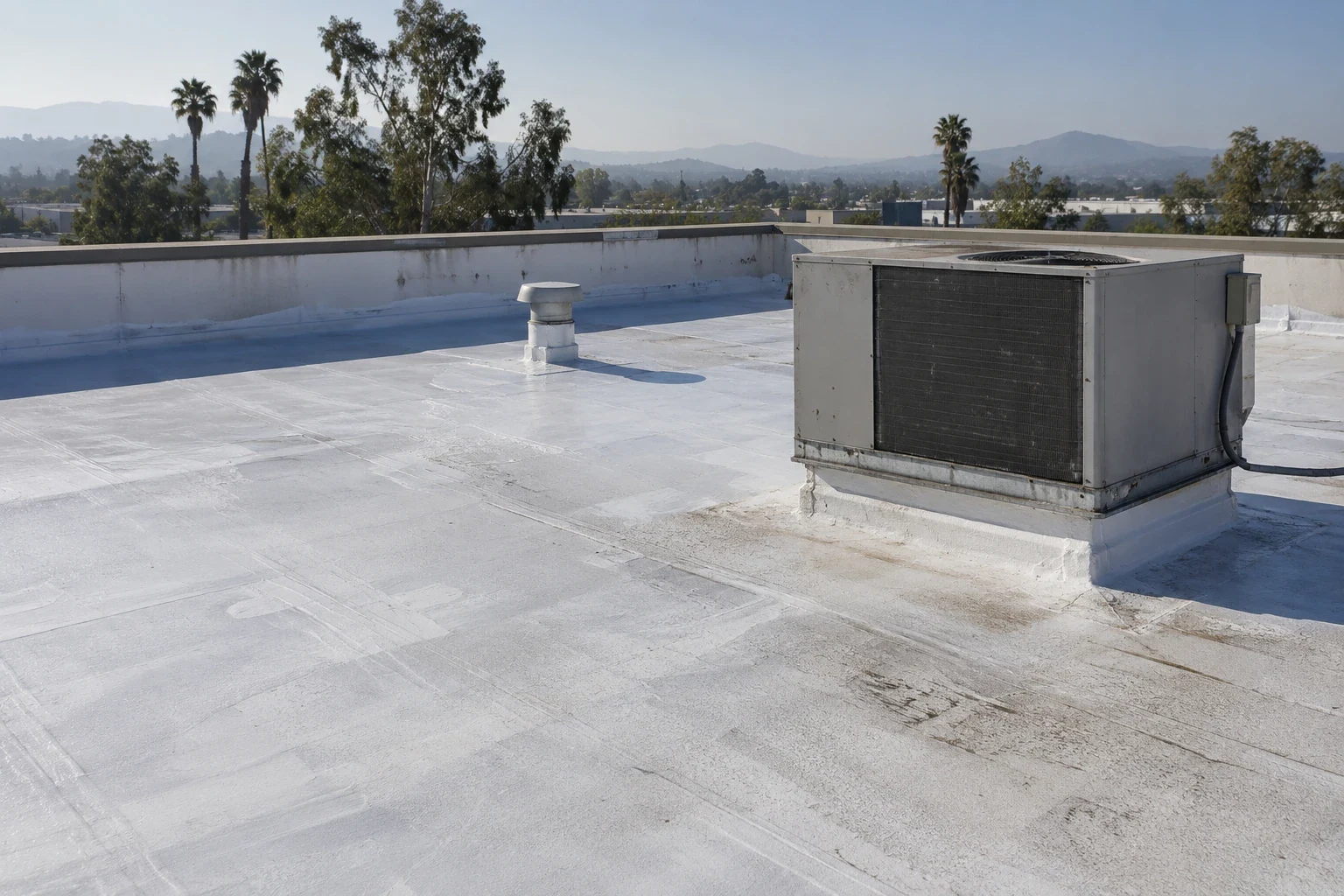
Roof coating restoration review includes preparation and the chosen product's requirements. A reflective finish is not a substitute for resolving an unsuitable seam connection or concealed deterioration.
Changed roof layers can affect equipment and outlet relationships. Qualified service or supporting trades may be required where movement or adjustment is involved. Confirm the finished junction and assign those tasks before the selected roof method is treated as complete.
Flashing junction assessment examines transitions outside the field seam. A suitable seam correction does not automatically address another wall or penetration defect.
The complete option should include related preparation and adjustments. The owner can then compare work that has a practicable endpoint rather than contrasting field-coverage amounts alone.
The operator confirms affected activity, material handling and protection. Limited work periods or routes can require additional setup. Price those provisions where the accepted phase needs them.
For a roof in the Hawthorne Boulevard Corridor, confirm the actual premises and current tenant. Nearby retail identity does not supply permission to use adjoining property or interrupt a building service.
A property in the Torrance Industrial Area also requires its own records. Historical development announcements do not establish present seam condition or installed material.
Torrance's published adoption record identifies the 2025 California code editions and local amendments replacing the earlier basis. Confirm the actual project authority, accepted application basis and alteration scope. Energy review needs the applicable approaches and exceptions evaluated for that work.
Weather, substrate and product instructions govern application readiness. The owner's preferred completion date cannot establish that the seam preparation is ready for the selected method.
Roof condition records connect the initial finding with preparation, installed work and approved quantity changes. Keep the same roof references through closeout. Another manager should be able to find the completed seam without recreating the original visit. The City describes the Downtown Torrance District as adjacent to the Industrial Area, which helps orient local work without establishing the condition of a subject roof.
List remaining investigation and deferred concerns before final sign-off. Each needs a responsible contact and next action. Do not present an unexamined section as completed simply because the local repair has been accepted.
A later water occurrence receives new timing and location information. Compare it with intervening work and the accepted correction. The earlier record is a baseline for review, not proof that every future report comes from the same seam.
Keep applicable maintenance and warranty requirements available before another alteration changes the repaired connection.
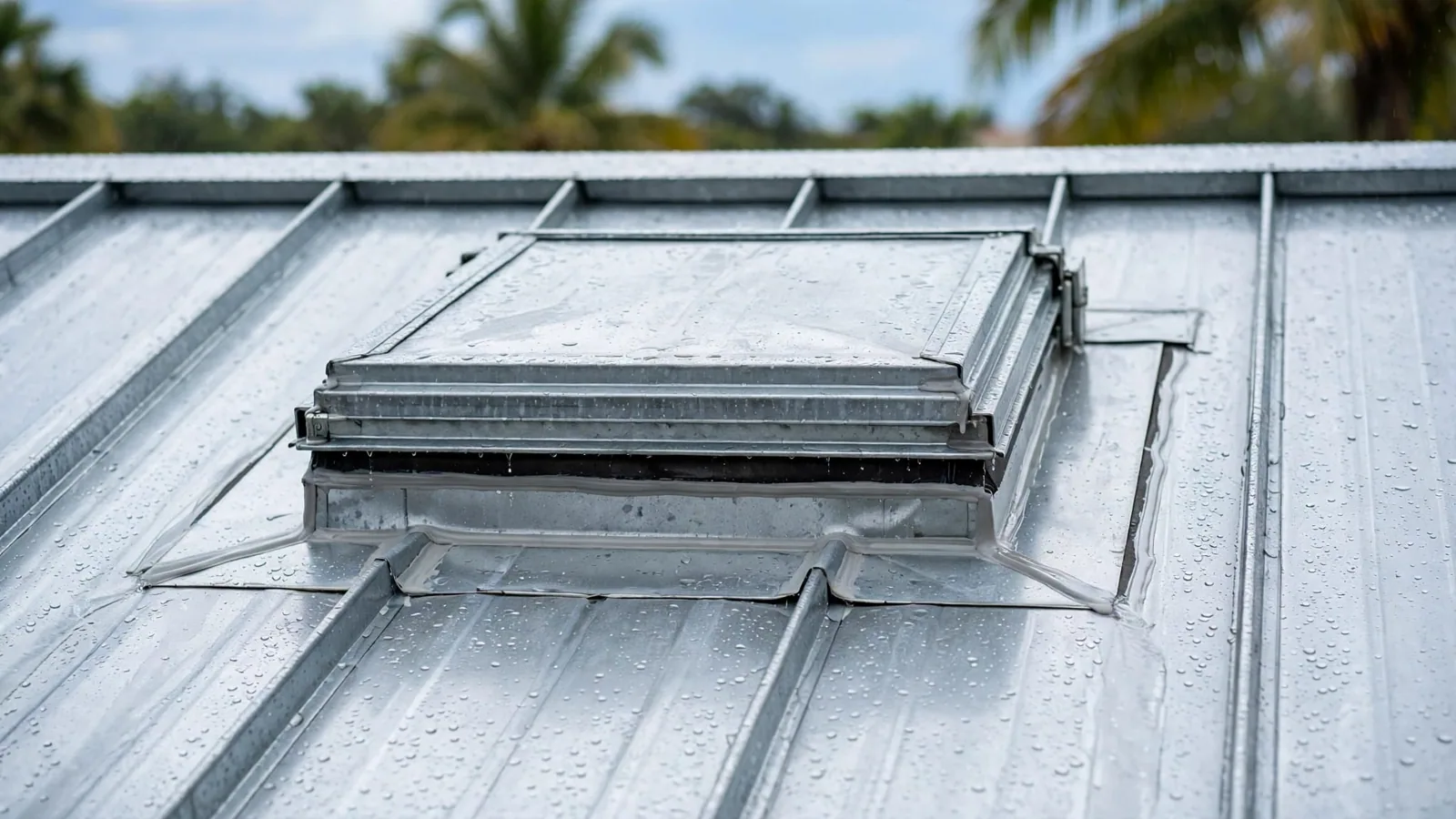
A seam repair starts by identifying the membrane family, seam orientation and any prior repair that may affect preparation. Check whether the opening ends at a detail or continues beneath an equipment support, walkway or field sheet. A test weld or adhesion check can help confirm a repair method, but it does not establish the condition of untested roof areas. Define the overlap and tie-in boundaries so the finished connection can be inspected before it cools or is covered. Photograph the prepared seam, completed bond and nearby drainage path, then note any section left out of scope. That record gives the owner a practical reference for future inspections and repeat leakage investigations.
No. The wider extent needs appropriate examination and evidence. Keep surveyed coverage and excluded areas explicit.
The actual defect, adjoining material and preparation needed for a compatible final connection. Unsuitable receiving construction changes the scope.
Select confirmation that can answer the layer question influencing the proposed seam reconstruction. State survey coverage and sampling limits before assigning removal quantities.
Located quantities, preparation and products, plus measurement and approval requirements for conditional deterioration.