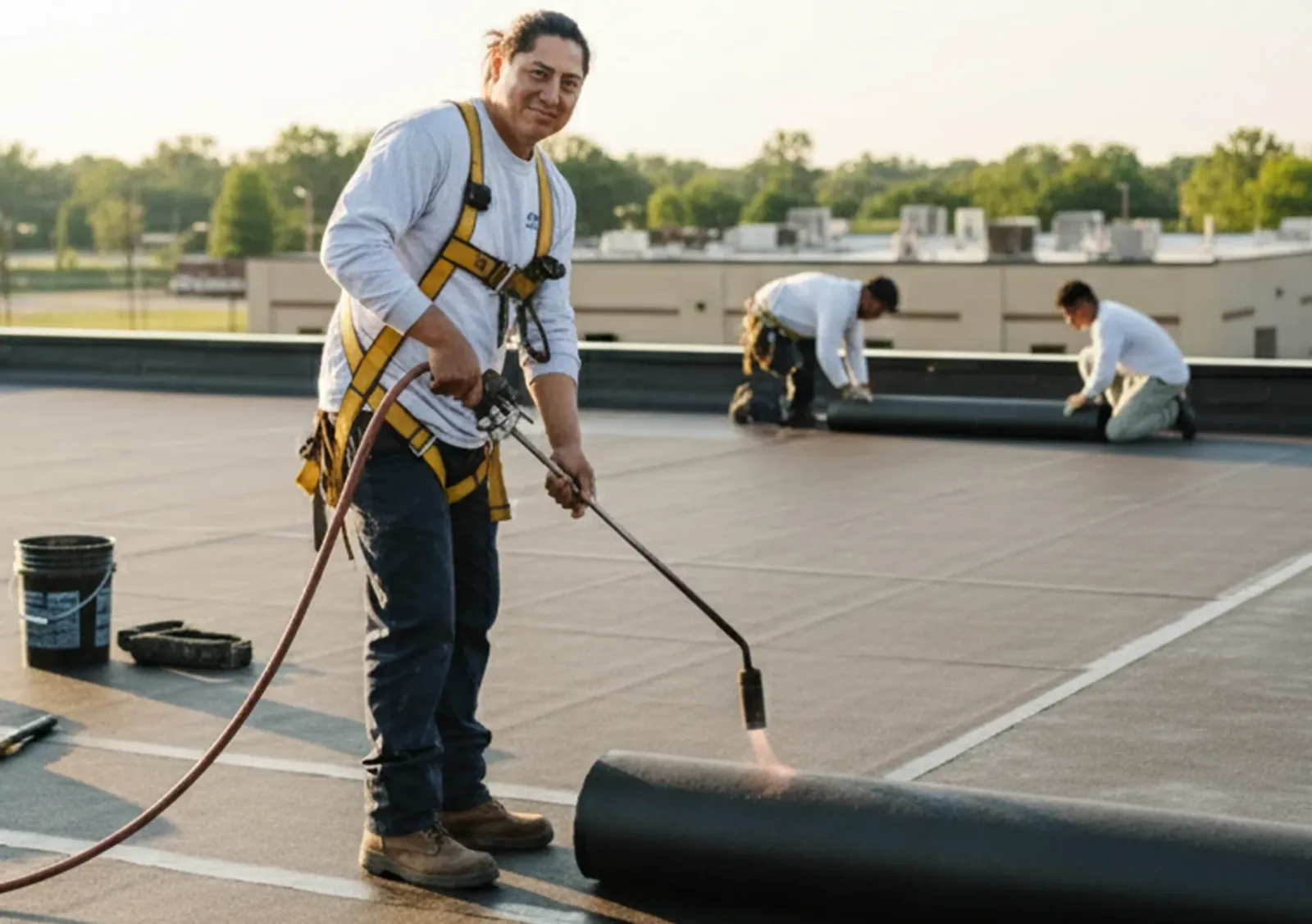
Commercial Roofing Services

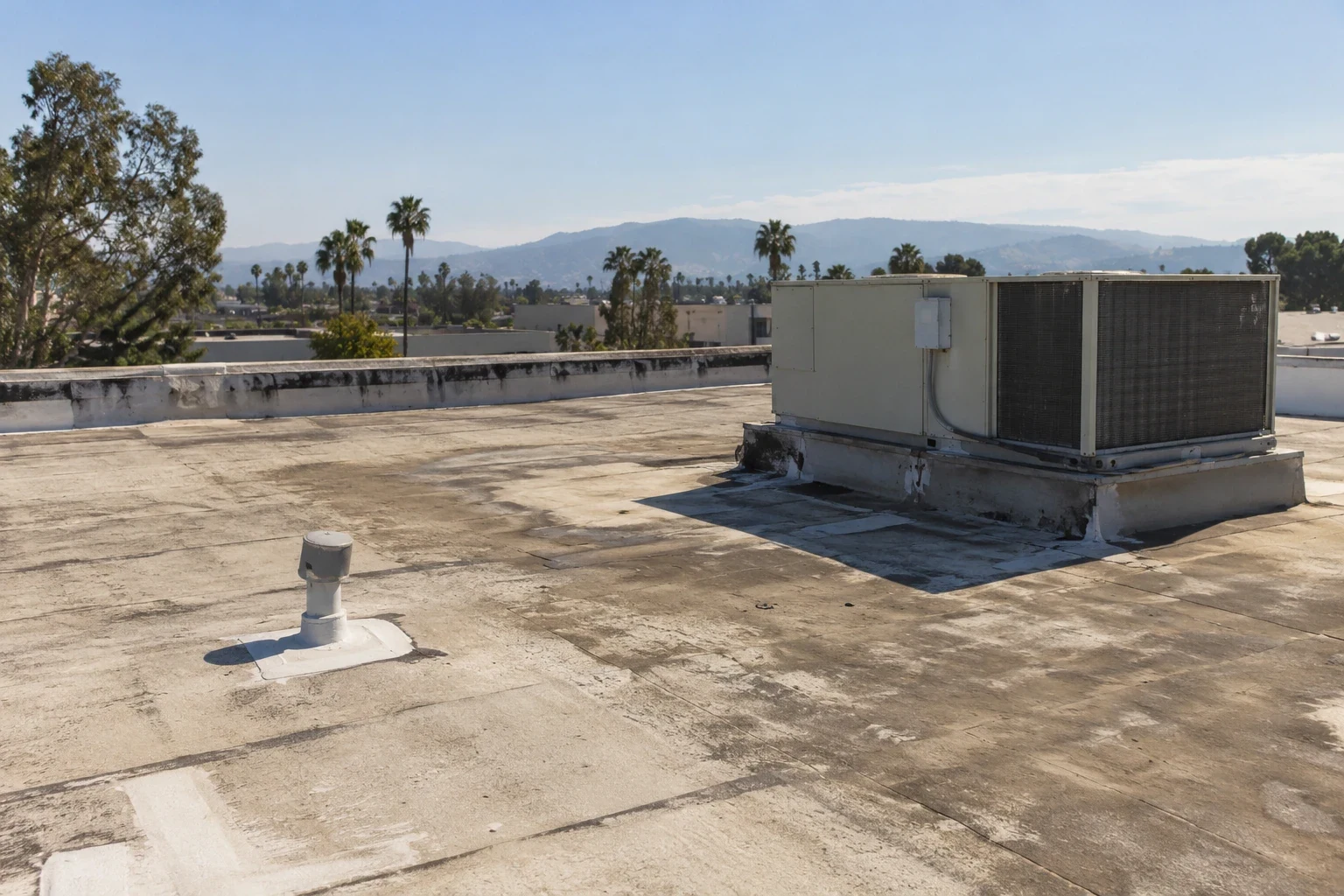
Prepare located Torrance roof damage observations, repair quantities and construction explanations for insurance review, with temporary work kept distinct.
An acquisition decision after a reported roof loss needs the physical findings connected to the proposed construction amount. In Torrance, CA, we examine the assigned roof and document the observed damage, temporary protection and permanent repair requirements. The resulting material helps the owner explain a roofing scope to the responsible insurance participants. Policy interpretation, coverage and settlement remain their decisions; a contractor's condition assessment cannot establish those outcomes.
Commercial Roofing Torrance starts a retail-property assignment near Del Amo Fashion Center with the operator's actual receiving and customer-route requirements. A building in the Torrance Commerce Center setting needs its own industrial handling arrangements identified. We locate the roof portion and examine its present layers and details before assigning damage quantities. The property description helps arrange the visit, while accessible construction and suitable confirming checks support the proposed correction.
The first report should identify the building, authorized contact, roof areas and reported event timing. Obtain available earlier roof assessments, repair records and interior observations that can be connected to recognizable locations. Separate what the operator reported from what we examined. A statement that water appeared during a storm supports the reported sequence; it does not by itself determine the exterior entry path or the cause of every defect.
A located roofing examination establishes accessible construction and its limits. We record weather or access constraints that prevented closer assessment and identify the next useful investigation. Photographs are paired with positions and descriptions so an adjuster can connect them to the proposed work. Unexamined sections remain visible in the assignment instead of being treated as either damaged or sound.
An exposed opening can require prompt treatment before a detailed review is complete. We collect safe pre-work views, explain the immediate exposure and retain the materials and extent of the intervention. Our emergency availability includes overnight hours, weekends and holidays. Interior restrictions and electrical hazards remain with building management and appropriate specialists, while the roofing response stays within safe access and examined construction.
Temporary weather protection needs a separate entry from permanent reconstruction. Mark measures that require removal or follow-up. The asset manager can then account for an urgent service amount without implying that the emergency treatment finished wet insulation removal or rebuilt damaged support. Necessary stabilization and evidence preservation are coordinated; neither should depend on staff approaching unsafe roofing to obtain an additional photograph.
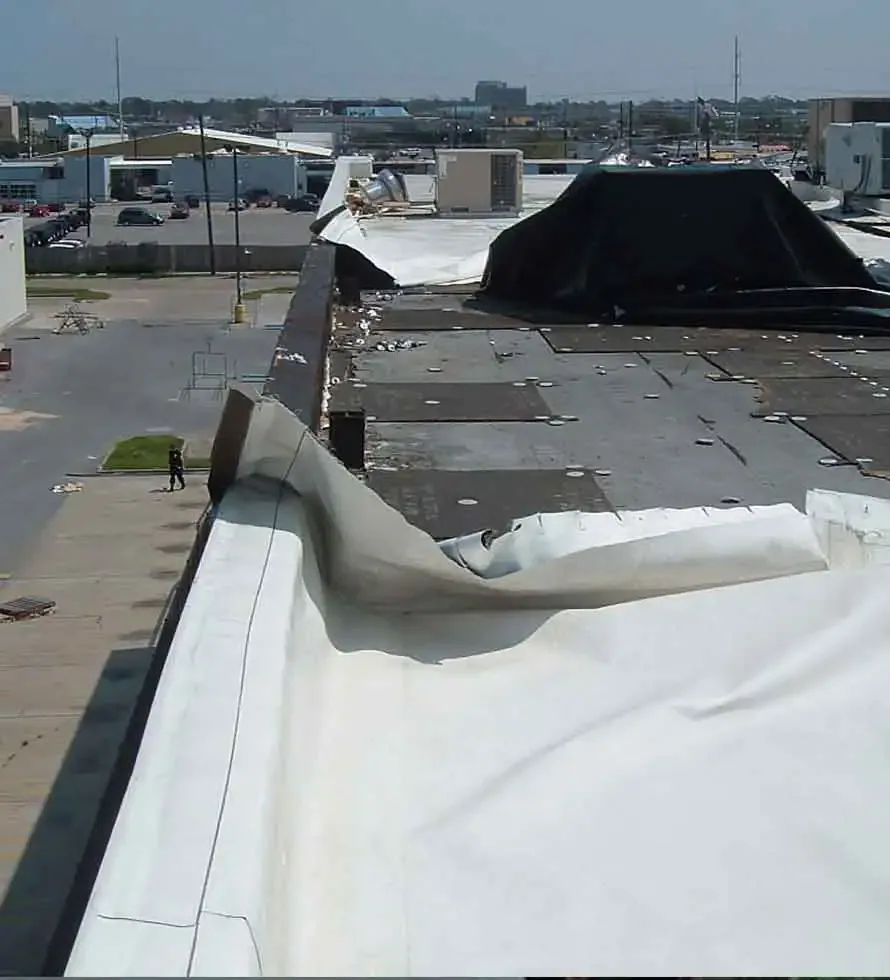
A damaged field sheet may require removal beyond its visible split to reach usable material. We measure accessible dimensions, identify attachment and joining requirements, and describe the receiving assembly. Where concealed conditions can change quantity, retain the assumption and planned confirmation. Building floor area, a district description or an old construction date cannot provide the damaged roof extent.
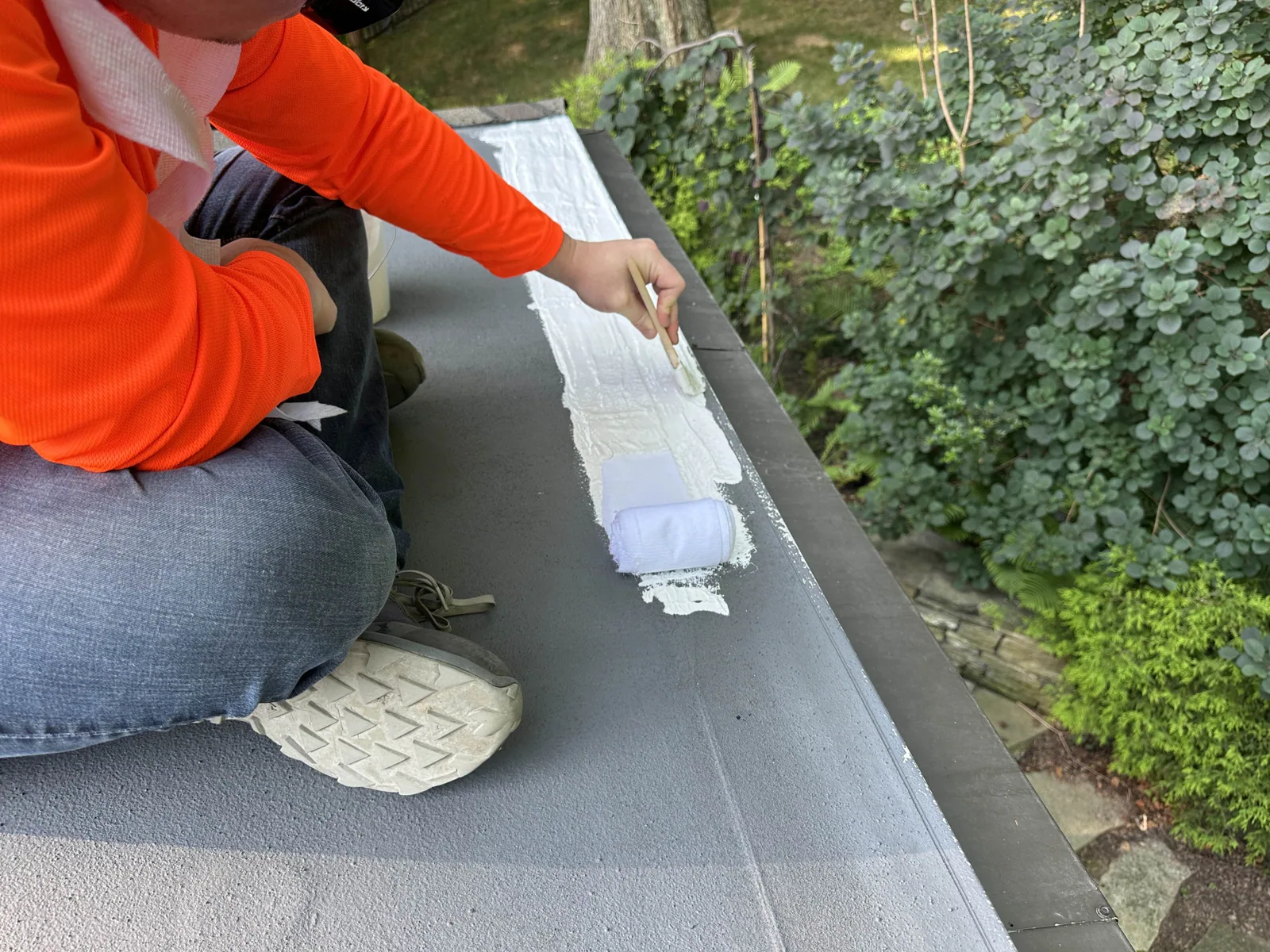
The permanent incident repair may include membrane, insulation, flashing and metal rather than one surface item. Distinguish each task and why it is necessary to complete the corrected detail. For opened seam reconstruction, show the usable joining boundary and preparation. This lets another reader compare the amount with the examined roof rather than infer a complete assembly repair from a short material label.
A brittle earlier repair, a fresh displacement and a concealed damp layer can coexist. We describe their observed relationship and preserve any evidence that supports timing or mechanism. Where the available examination cannot distinguish an incident effect from earlier deterioration, state the remaining assessment. Do not extend a regional storm report into a conclusion about a particular fastener or roof layer.
Condition reporting with examination limits can incorporate moisture investigation, qualified support review or other useful findings as they become available. A thermal indication needs interpretation and suitable confirmation before it establishes removal quantities. Samples prove conditions at sampled positions, with sufficient coverage needed for broader conclusions. We explain how those results change the construction scope, keeping the roofing finding distinct from any insurance participant's interpretation of coverage.
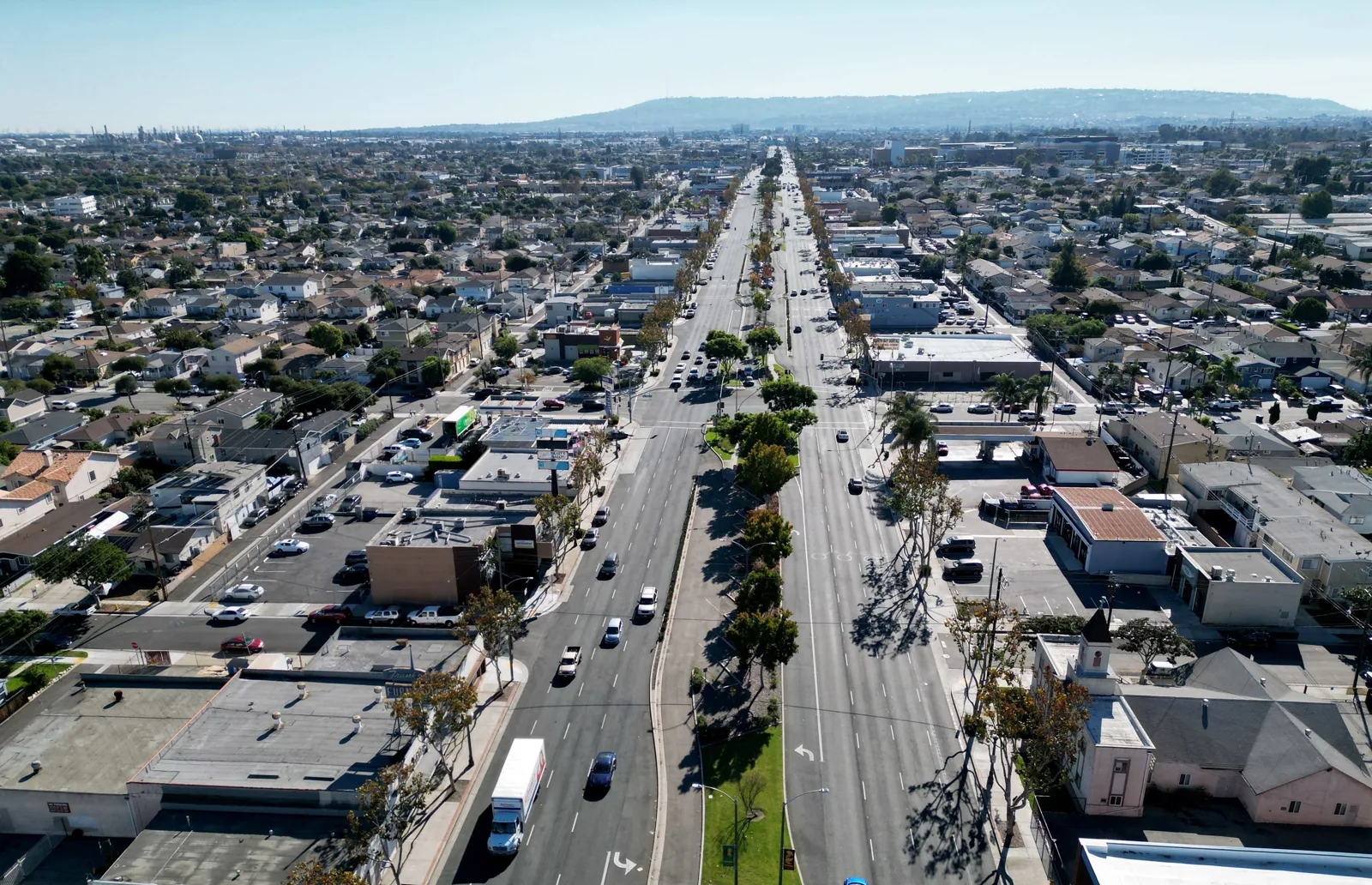
An occupied property in the Hawthorne Boulevard Corridor can require protected customer routes, specified receiving periods and carefully located lifts. The operator supplies those requirements for the actual premises. Handling and containment are construction tasks with costs and timing consequences, even when they are not visible in a close image of the damaged membrane.
Industrial repair planning in the Torrance Commerce Center setting needs the operator's current loading positions and equipment restrictions identified. Include repeated setup, waste removal, interior protection and coordinated equipment work where the repair actually requires them. Separate known requirements from allowances still awaiting operator confirmation so the manager can explain changes without presenting an early assumption as a measured fact. A revised handling plan should remain attached to the construction quantity it affects; otherwise, an apparent installation cost change may conceal a different access arrangement.
Opening the assembly may reveal damage that the accessible examination could not quantify. We photograph the discovery, locate it and explain the additional receiving work before revising the permanent amount. Keep the initial scope, accepted construction changes and final extent related to the same roof positions. That prevents a larger invoice from becoming disconnected from the condition that justified it.
Issued roof warranty coordination may identify another required notice or approval before alteration. Retain responses and pending conditions with the roofing records. After construction, the closeout package shows materials, preparation, finished details and actual check coverage. We explain remaining temporary treatment or another participant's unfinished work. Supplying these records supports a clear physical account of the repair, while acceptance, reimbursement and any additional insurance requirements remain separate decisions.
When several structures share one ownership, assign each building and roof zone a distinct reference across photographs, measurements, temporary work and permanent proposals. Keep routine maintenance or unrelated capital improvements on a separate line so they do not become part of the reported loss by association. If a reviewer asks for a revision, preserve the earlier estimate and record what evidence or quantity changed. That gives the owner a consistent construction history across versions without blending conditions from separate roofs or making a coverage determination.
Use our estimate to explain examined construction, necessary preparation and repair quantities. The responsible insurance participants determine policy application and payment. We recommend keeping roofing assumptions and examination limits explicit so their review can distinguish a supported repair amount from an unresolved condition or coverage question.
Pair a wide locating view with detail images and recognizable roof references. Include the receiving material and any temporary intervention that changed the original condition. A dated close image helps describe a defect, but without its position another reader cannot reliably compare it with measured quantities or earlier records.
Document the exposed layer before it is covered, identify the affected extent and explain why the additional removal is needed. Revise the construction amount through the authorized process. We recommend keeping that new finding attached to the earlier provisional allowance rather than implying the initial examination had established a hidden condition.
Separate it unless the construction relationship requires it to complete the repair. Earlier deterioration can deserve attention without belonging to the same incident explanation. We can provide distinct quantities and priorities, allowing the owner to address roof care while insurance participants assess the reported loss on its own evidence.