Property Types We Roof
Assess Coast Guard facility roofs near Torrance with measured corrosion findings, agency-specific scope review, water protection and clear closeout records.
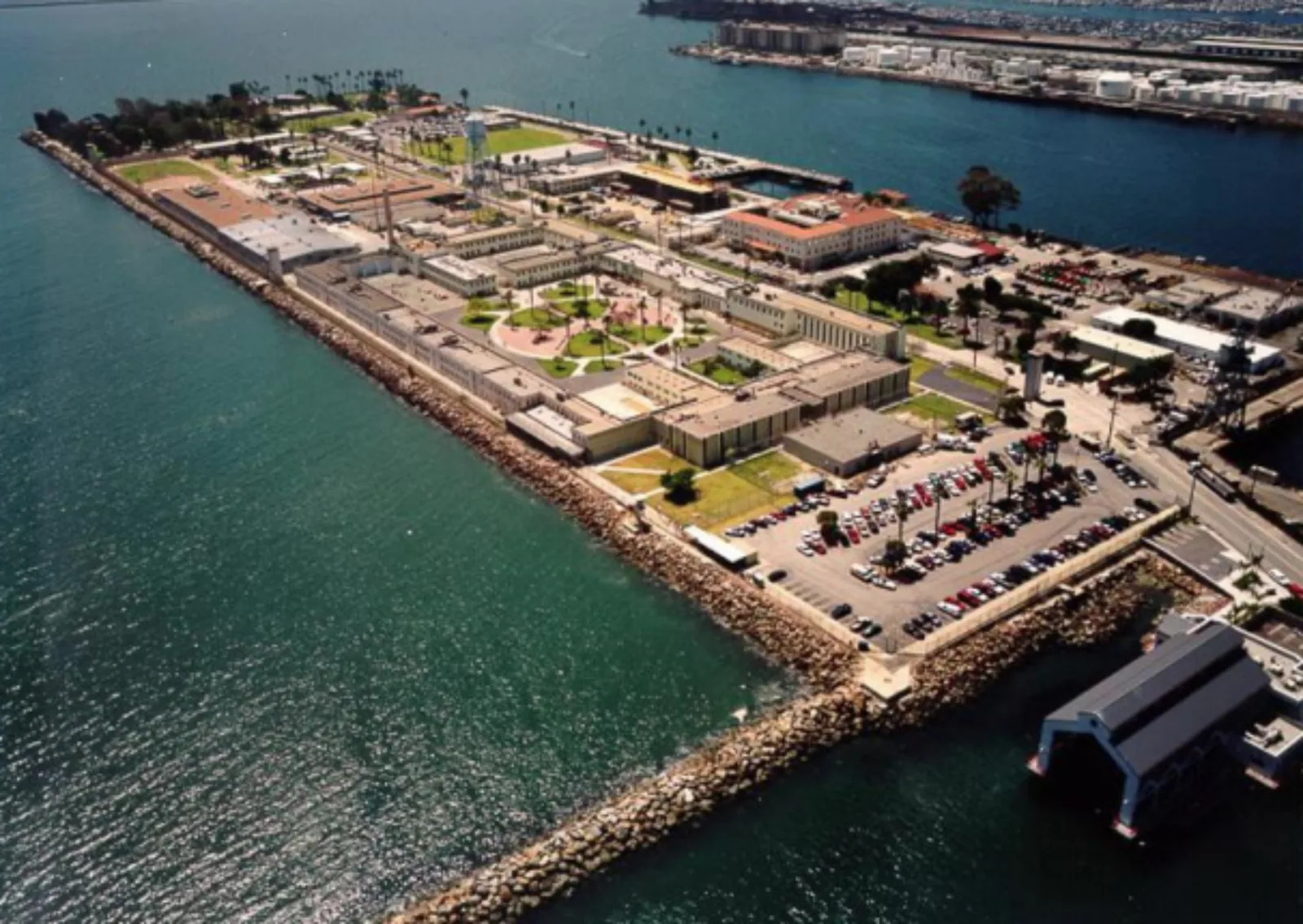
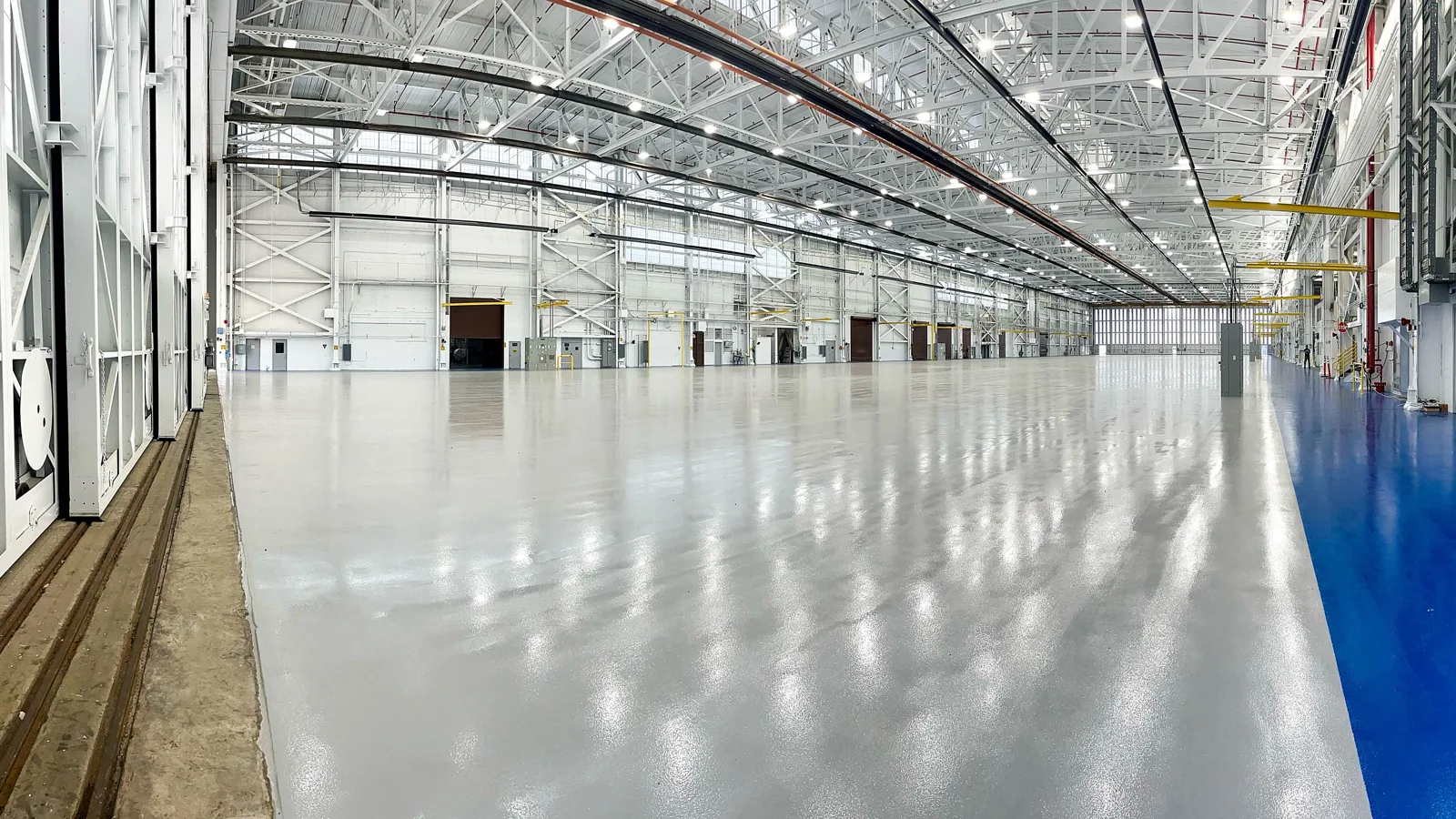
A funding review for a Coast Guard roof repair needs a distinction between observed deterioration and proposed investigation. Asset managers in Torrance, CA can use that distinction to direct limited examination toward the details that affect construction. Coast Guard Base Los Angeles/Long Beach in San Pedro provides the nearby institutional setting. Its 2021 announcement described a planned naval engineering extension to an existing maintenance building. That dated proposal is useful facility context; the current assigned roof must still be examined before a material or condition is entered into the repair allowance.
We establish the subject building, permitted work area and agency representative at the outset. Navy facility roofing requirements cannot simply be carried into a Coast Guard assignment because the building supports maritime work. Agency requirements, accepted project criteria and the installed construction provide the basis for the scope. The first assessment separates those decisions so the asset manager can explain what the proposed expenditure will complete.
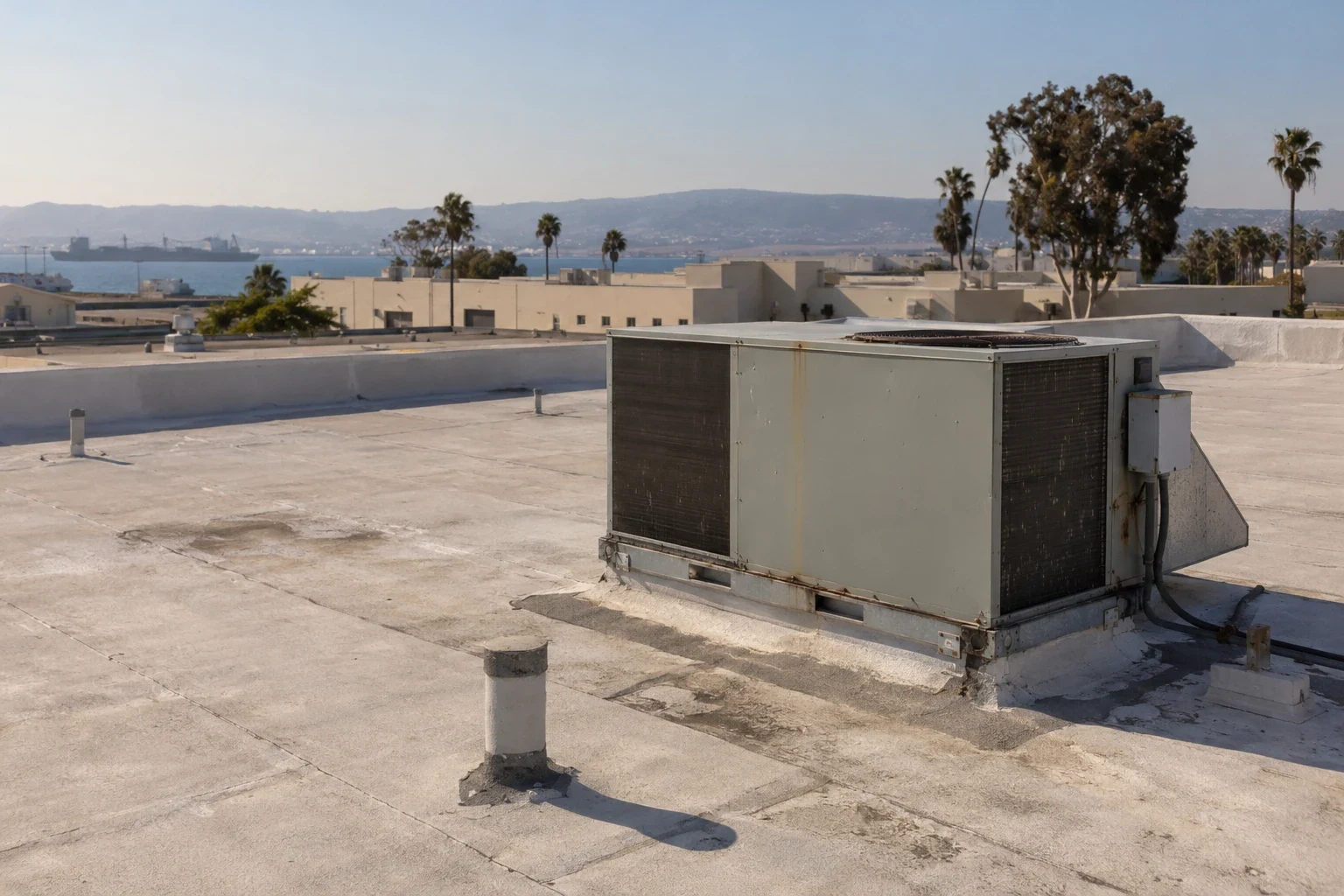
A rust-colored streak may originate at an exposed fastener or above a roof flashing. We inspect accessible joints, fixings, penetrations and cut edges, photograph their locations where permitted, and describe the actual metal condition. The corrosion log distinguishes discoloration from deterioration affecting attachment or section thickness. It also identifies the neighboring materials and places where concealed construction prevents a complete assessment. The record supports a repair decision without assigning a cause from the waterfront setting alone.
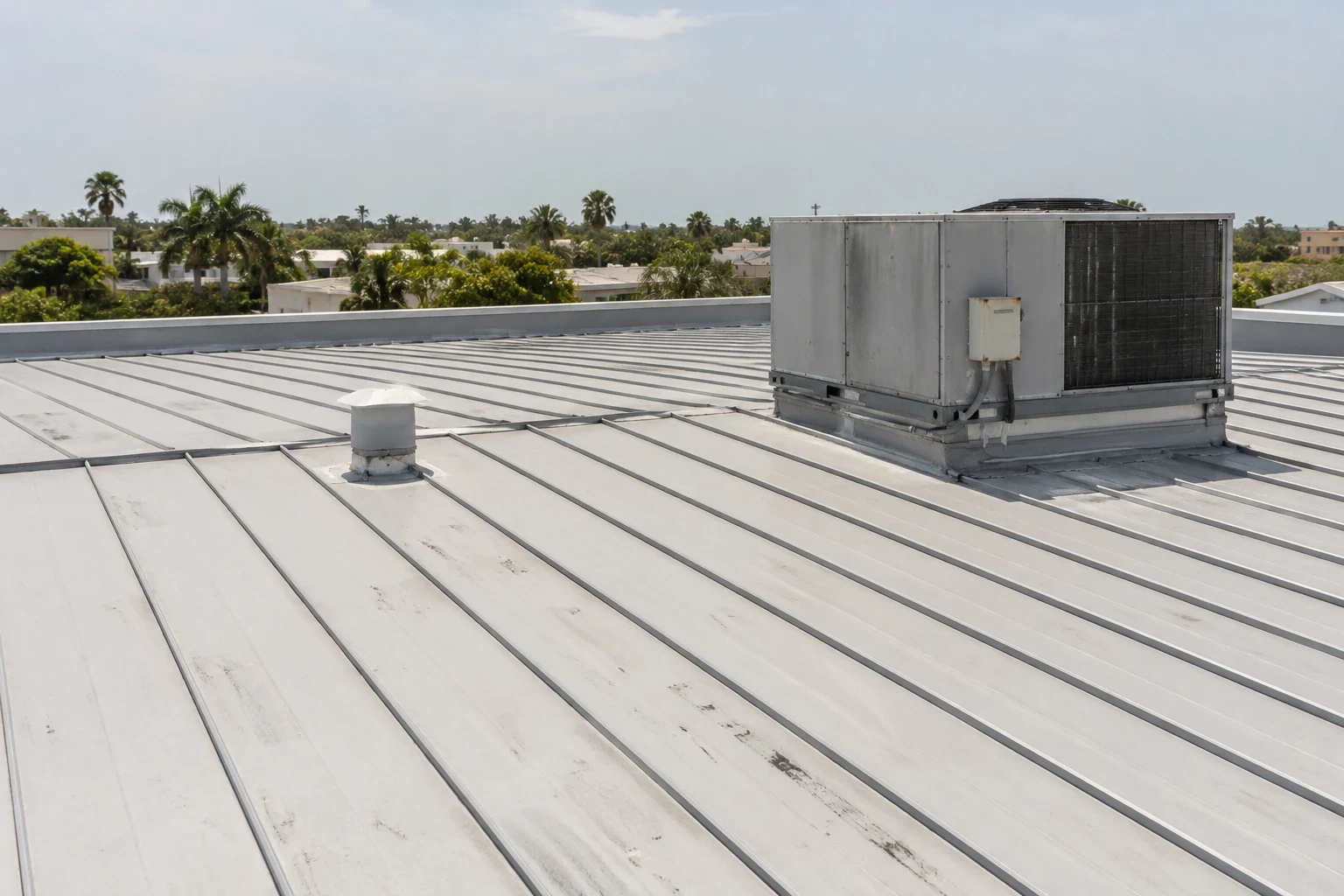
For metal roof panels and their movement details, compatibility matters at clips, closures and transitions as well as the panel surface. A coating cannot repair a failed connection or restore lost structural section. We separate replacement of damaged components from treatment of suitable retained surfaces. Any capacity question is referred for the required design assessment before the roofing scope relies on the affected support.
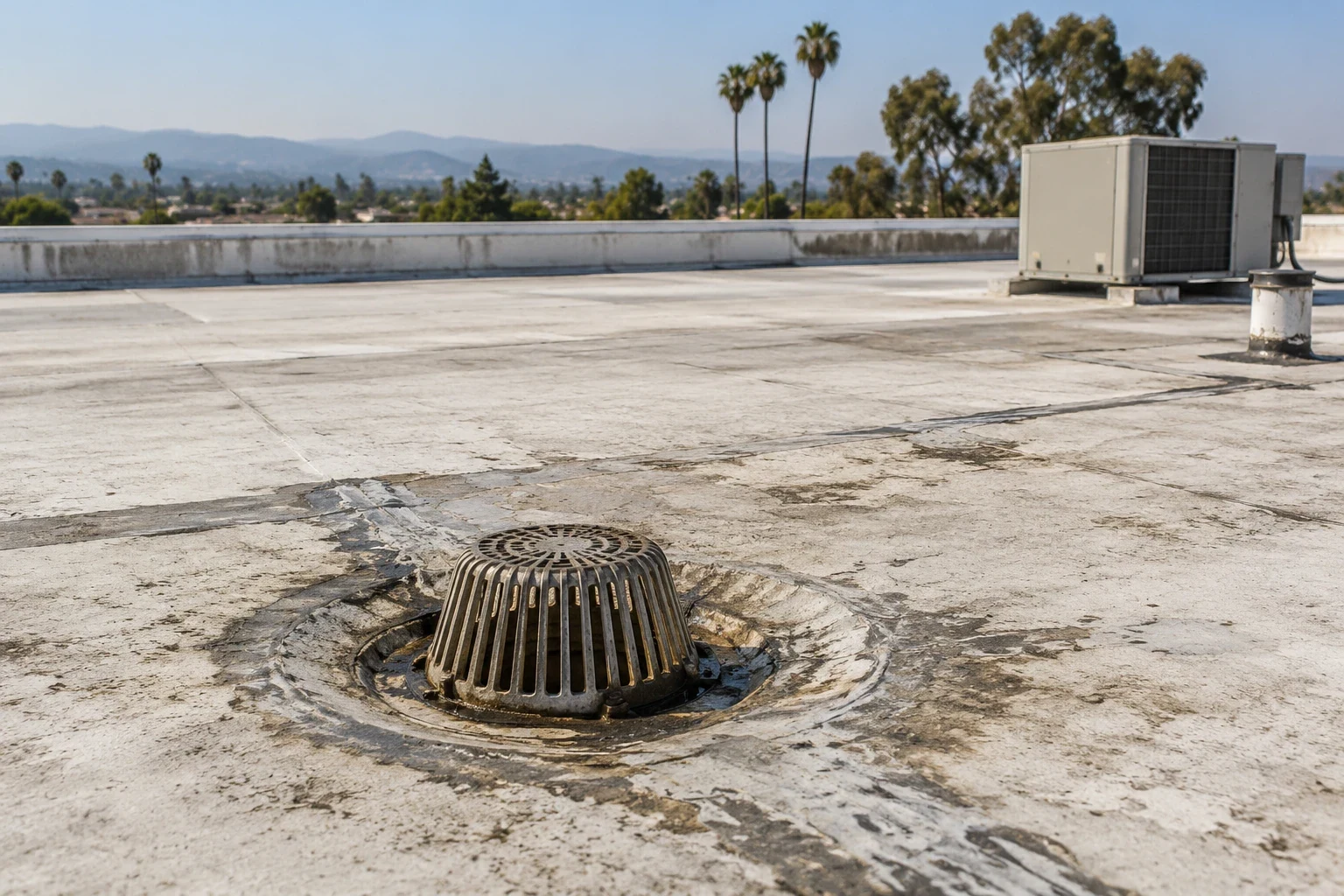
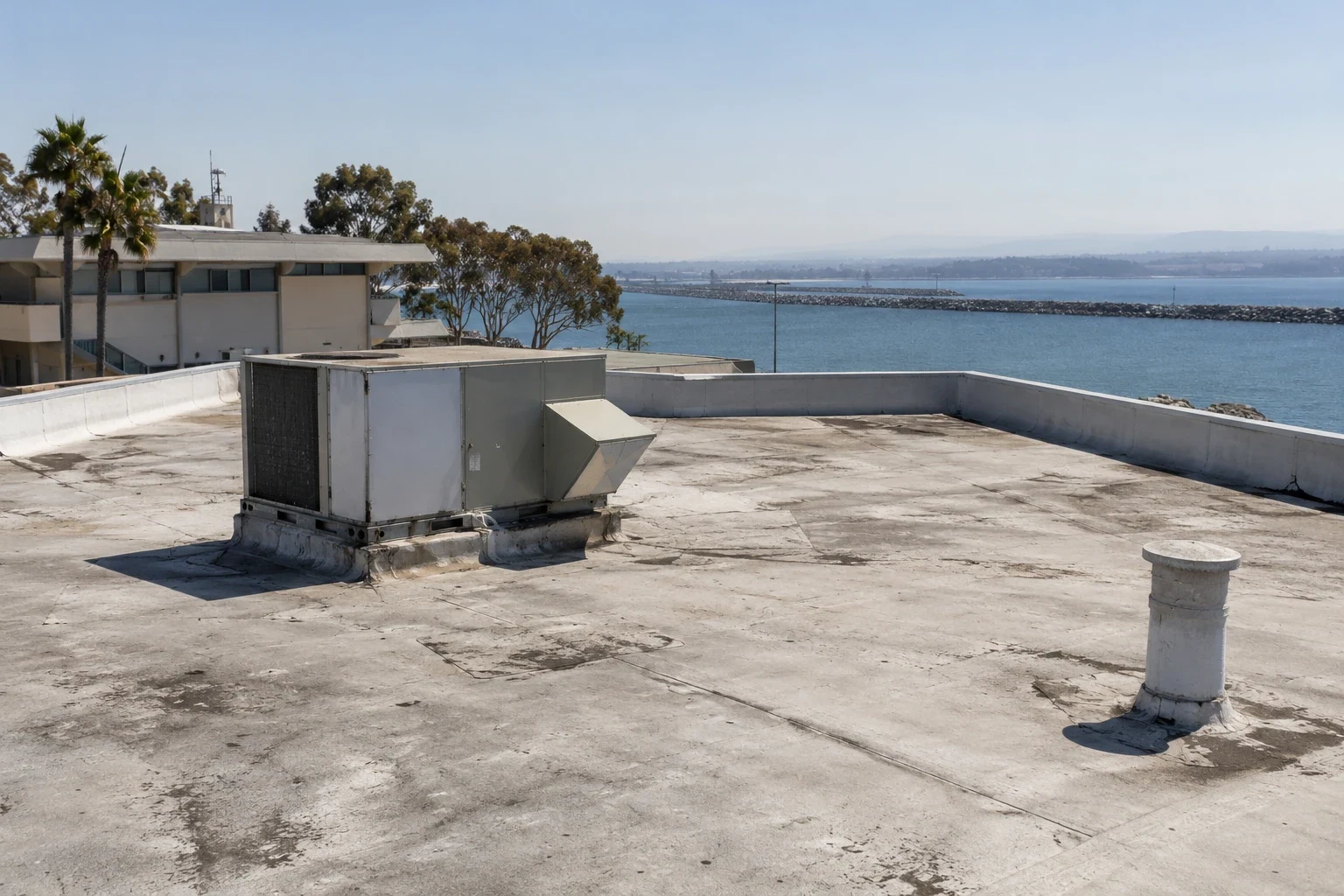
A drain outlet and the surrounding insulation should be considered together. We measure accessible low areas, identify blocked or damaged outlets and relate them to adjacent curbs and laps. Where water symptoms are reported inside, we record their location and timing before comparing them with roof details. The assessment can then distinguish a visible drainage obstruction from questions about concealed moisture, plumbing or condensation that need another examination.
Through drain and scupper repairs, the construction scope defines the roofing connection and any plumbing responsibility. Merely changing an outlet does not establish the capacity of the full drainage system. The facility team identifies the applicable design review, while we document the existing detail and its proposed connection. Test openings, moisture surveys and water testing remain subject to approved methods and the suitability of the building construction.
An approved work order should identify the repair boundaries and the documents required before installation. We compare the proposed materials with retained construction, then list method restrictions, review participants and necessary submittals. The Coast Guard assignment retains its own authority and contract requirements. DoD roofing criteria apply only if the responsible project requirements adopt or otherwise make them applicable; they are not presumed from the facility name or its naval engineering function.
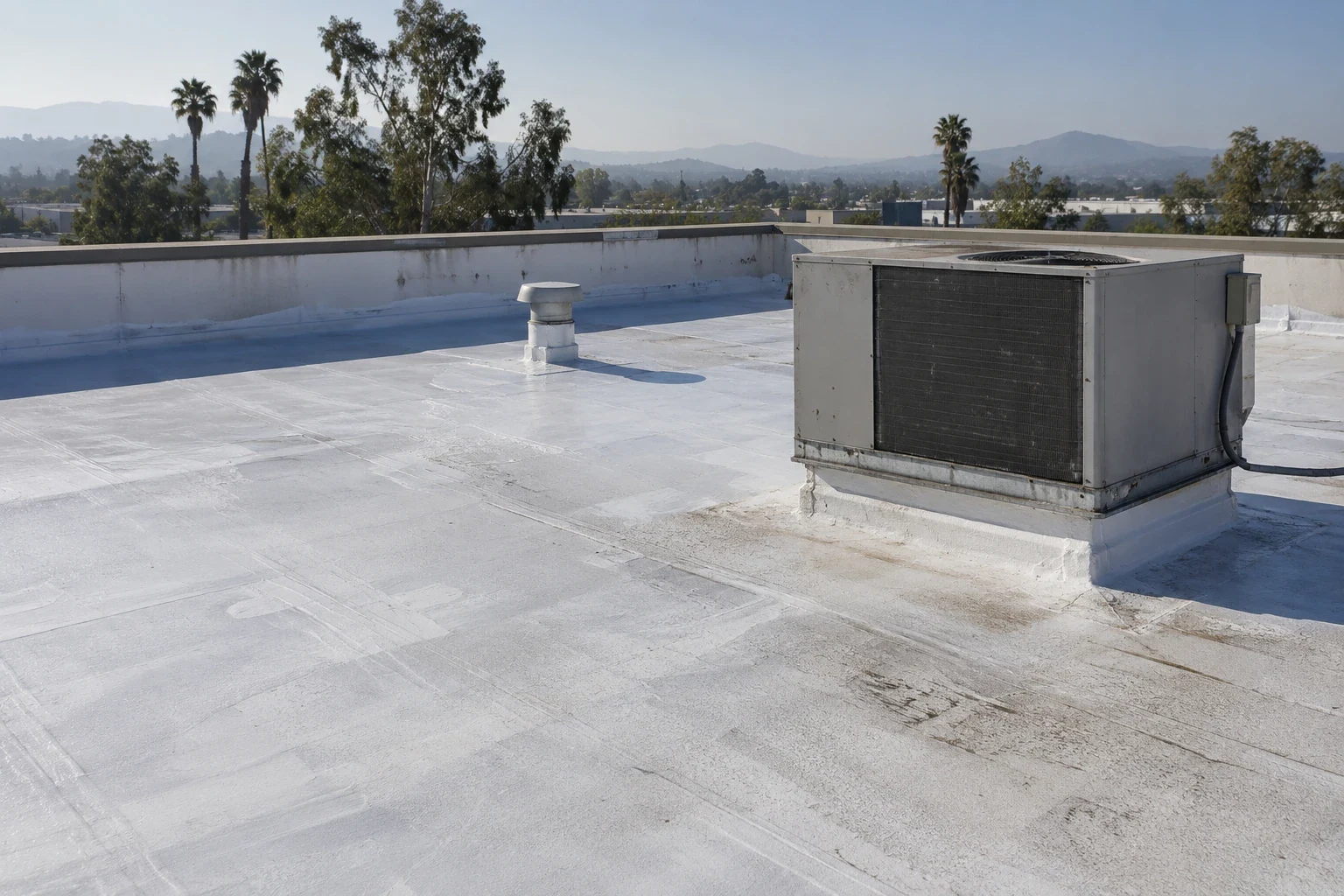
A proposed restoration coating scope starts with surface suitability, moisture assessment, adhesion requirements and repair of failed details. It is compared with localized repair or replacement according to the findings. Applicable building and energy requirements are checked against the actual authority, accepted alteration basis, compliance method and exceptions. The material recommendation records the requirements it addresses instead of relying on a universal coastal product rule.
A material pallet placed beside an occupied entrance can interfere with routine movement even before the roof is opened. We propose receiving, lifting and waste locations through the facility representative and identify the routes affected during each phase. The sequence records areas requiring separation, approved work periods and temporary closure details. A changed access instruction is then reflected in the schedule, including its effect on the quantity that can be safely opened and completed.
Coast Guard Base Los Angeles/Long Beach is in San Pedro; nearby Terminal Island roofing coordination should retain the actual property boundary and approved access route. Fort MacArthur housing elsewhere in San Pedro presents a different agency and occupancy setting. Military maintenance facility roof work similarly needs its own equipment and work-area review. A shared regional location is not evidence of shared access permission or identical roof construction.
A temporary leak repair needs an assigned next action. We document the treated detail, remaining questions and the condition requiring return inspection. Emergency calls are accepted at all hours through weekends and holidays; safe conditions and facility approval determine permitted response. Once permanent work is defined, the temporary material must be considered during preparation so a short-term treatment does not compromise the bond or attachment of the accepted repair.
The closeout package lists completed locations, material information, required inspection findings and remaining exclusions. We show the repaired connection before it becomes difficult to view, then identify the continuing maintenance responsibility at drains and penetrations. For ongoing roof asset decisions, the baseline is updated only where work or examination changed the evidence. Warranty review and agency acceptance stay separate from the physical description of the completed construction.
A Coast Guard facility may have operational and access conditions that must be confirmed with its authorized project contact. Establish the approved work boundary, entry procedure, escort requirement and any restrictions on photography before the crew arrives. Identify active communications equipment, antenna supports, exhausts and emergency routes that could be affected by staging or lifting. Coordinate weather protection for an open area with the party responsible for facility continuity. Use only confirmed project criteria in submittals and scheduling, and route questions through the designated authority. Keep ordinary roofing records focused on the assigned building and completed scope without disclosing sensitive operations or assuming that a generic federal specification applies.
Treatment requires an assessment of the metal condition and the proposed coating compatibility. We identify loose attachments, damaged joints and any apparent section loss before considering surface preparation. Components that cannot serve their intended function may need replacement or design review. The coating scope describes suitable retained surfaces and the repairs that must precede application.
An announcement date does not establish when a roof was installed or accepted. We review issued warranty documents, construction records and the assigned roof portion before describing any warranty obligation. Where the documents are incomplete, the recommendation identifies the information needed. Current repair decisions still depend on examination of the existing detail and the applicable project requirements.
Lifting arrangements require the responsible facility approval and any necessary lift planning. We propose locations, receiving needs and the construction sequence, but access to a roof does not grant permission for a crane, delivery vehicle or exclusion area. The accepted plan identifies who controls each route and when roofing work can proceed after the equipment operation.
Compare the preparation and repairs that each alternative requires, the condition of retained layers and the unresolved moisture questions. We show why the assessed construction is or is not suitable for coating. Replacement has its own substrate and sequencing considerations. The decision includes ongoing maintenance and accepted requirements, so material coverage alone does not become the comparison.