Service Areas
Local weather advisory
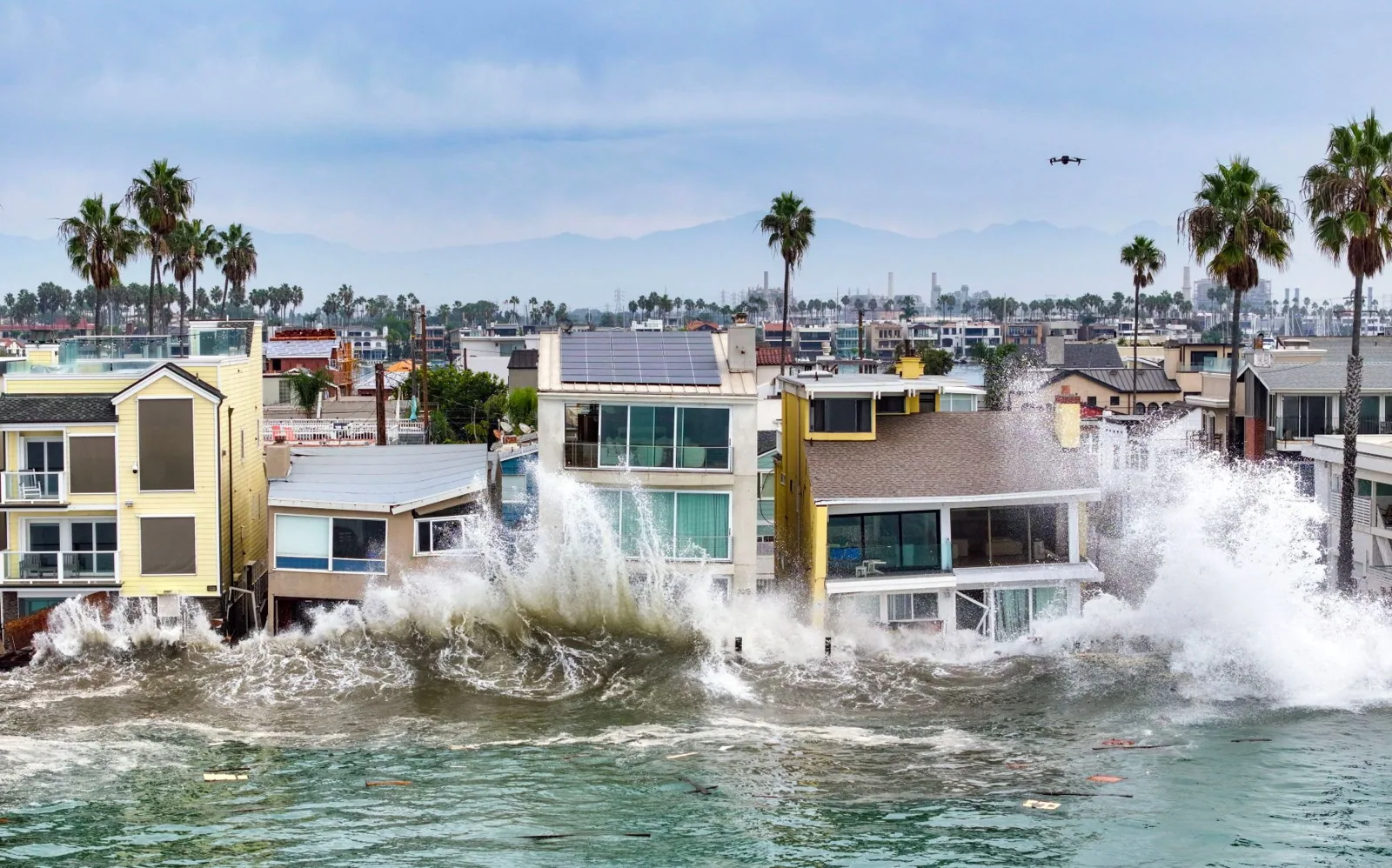
The National Weather Service has issued a coastal flood advisory covering Torrance. Heavy rain and drainage loading can expose roof leaks, blocked drains, and ponding water. This is a weather exposure advisory; it does not establish damage to a specific roof.
Do not access a roof during hazardous weather. Protect people first, avoid water near electrical equipment, and request roofing help when conditions permit.
National Weather Service · Updated Oct 27, 2026, 1:54 PM UTC
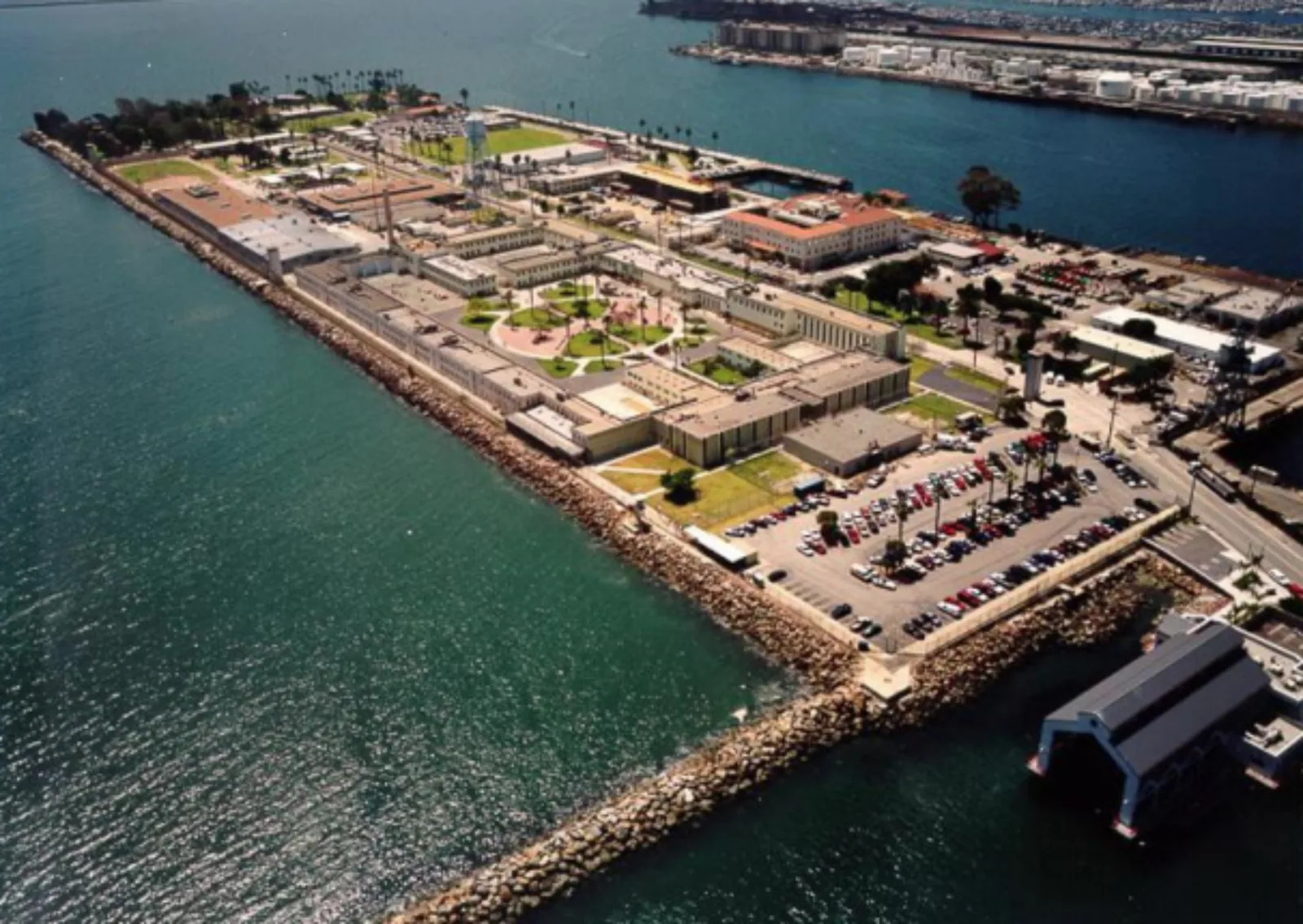
Assess Terminal Island commercial roofing with located attachment findings, access planning and repair scopes that distinguish metal damage from membrane work.
An issued warranty question for a Terminal Island, CA commercial roof needs the affected detail identified before repair approval. We inspect low-slope and metal assemblies, document accessible conditions and explain the work required at the disputed seam, edge or penetration. The asset manager receives a construction finding tied to a location, alongside any issuing-party review that remains necessary. A roof report and a warranty decision serve different purposes.
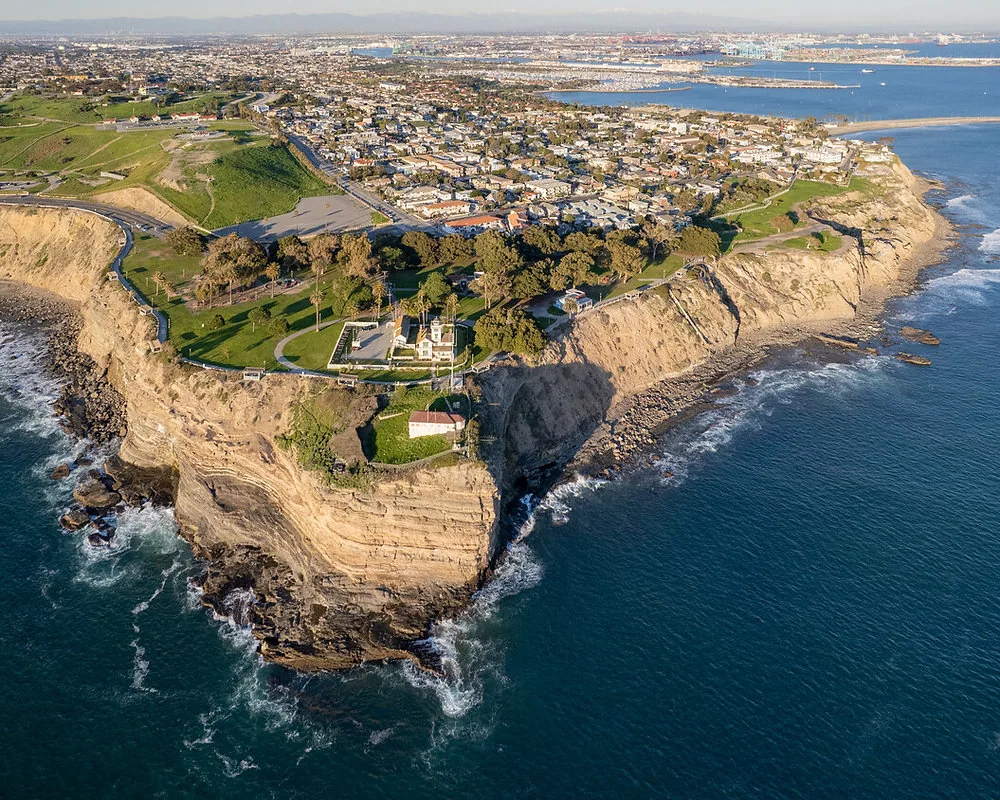
Seaside Avenue and the Vincent Thomas Bridge provide Terminal Island access connections. That local context makes the delivery entrance and access appointment practical planning questions. We establish the subject facility’s requirements before mobilization. Port geography alone does not determine the roof’s condition or the fastening detail needed for a repair.
Discoloration on an exposed coping is different from section loss at its fastening point. We examine each accessible component for coating deterioration, deformation, looseness and the condition of its connection to the roof. Located photographs distinguish the metal surface from a seam opening or damaged flashing nearby. Where corrosion is observed, the corrosion log identifies the component and its extent rather than assigning the same condition to the entire facility.
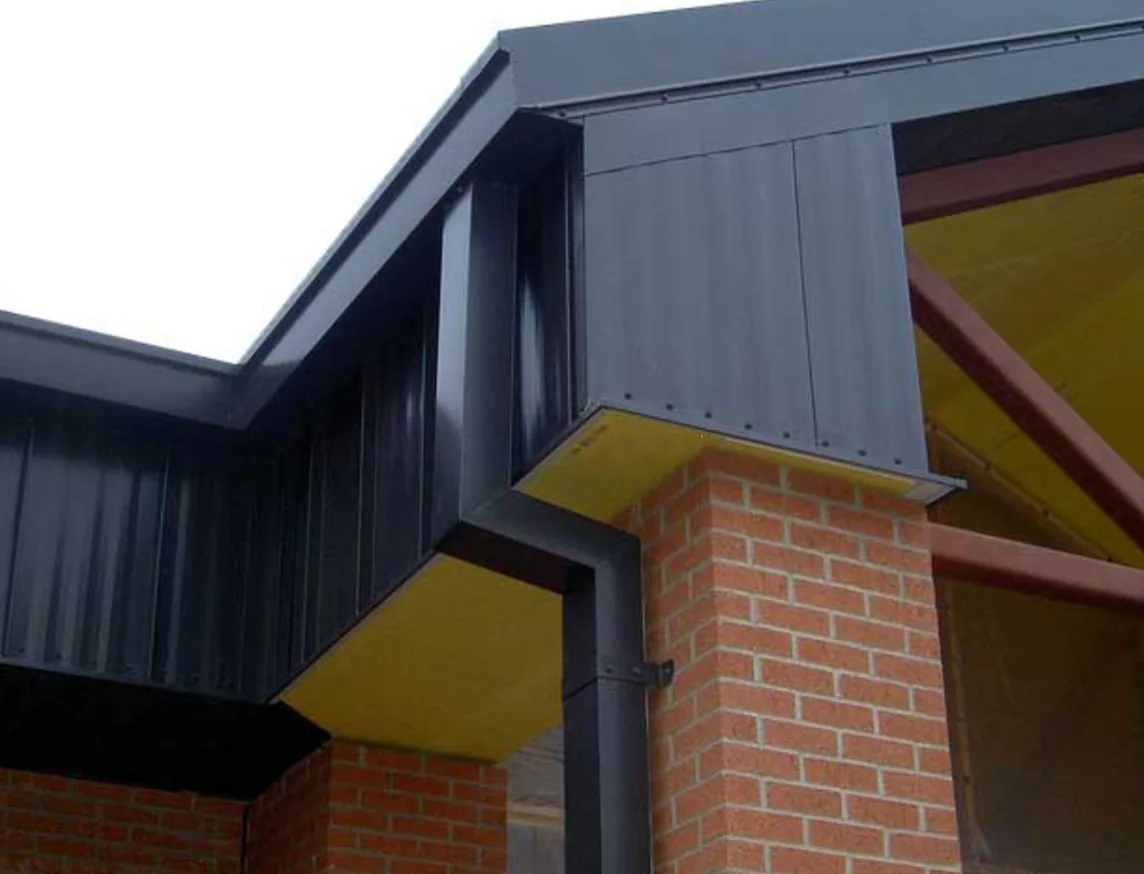
Our edge metal and coping repairs consider how the replacement fits the parapet and membrane termination. Covering damaged metal with a new cap can leave attachment problems concealed underneath. We describe removal and receiving-surface preparation when they are needed, including an unresolved substrate question that requires exposure before the final fastening method can be selected.
A roof entrance, loading area and vehicle gate are separate locations. We identify each with the facility contact and confirm which route the crew can use. Requirements for authorization, escorted movement or restricted work areas are determined for the actual property. A nearby roadway connection does not establish permission to enter a terminal or perform roofing work there.
For assets managed across San Pedro and Long Beach, the access instructions stay attached to each assignment. We can align report formats while maintaining different entrance, jurisdiction and scheduling requirements. The asset manager should be able to identify the portion ready for examination, which appointment is required and what construction remains dependent on that assessment.
A repair perimeter must reach material that can accept the new connection. We inspect beyond the visibly open joint to find deterioration, previous repairs and attachment changes. A membrane splice may need more removal than the apparent hole suggests, while an otherwise sound area may support a confined repair. We measure that perimeter and label it in the survey file so the proposed scope can be checked against the roof.
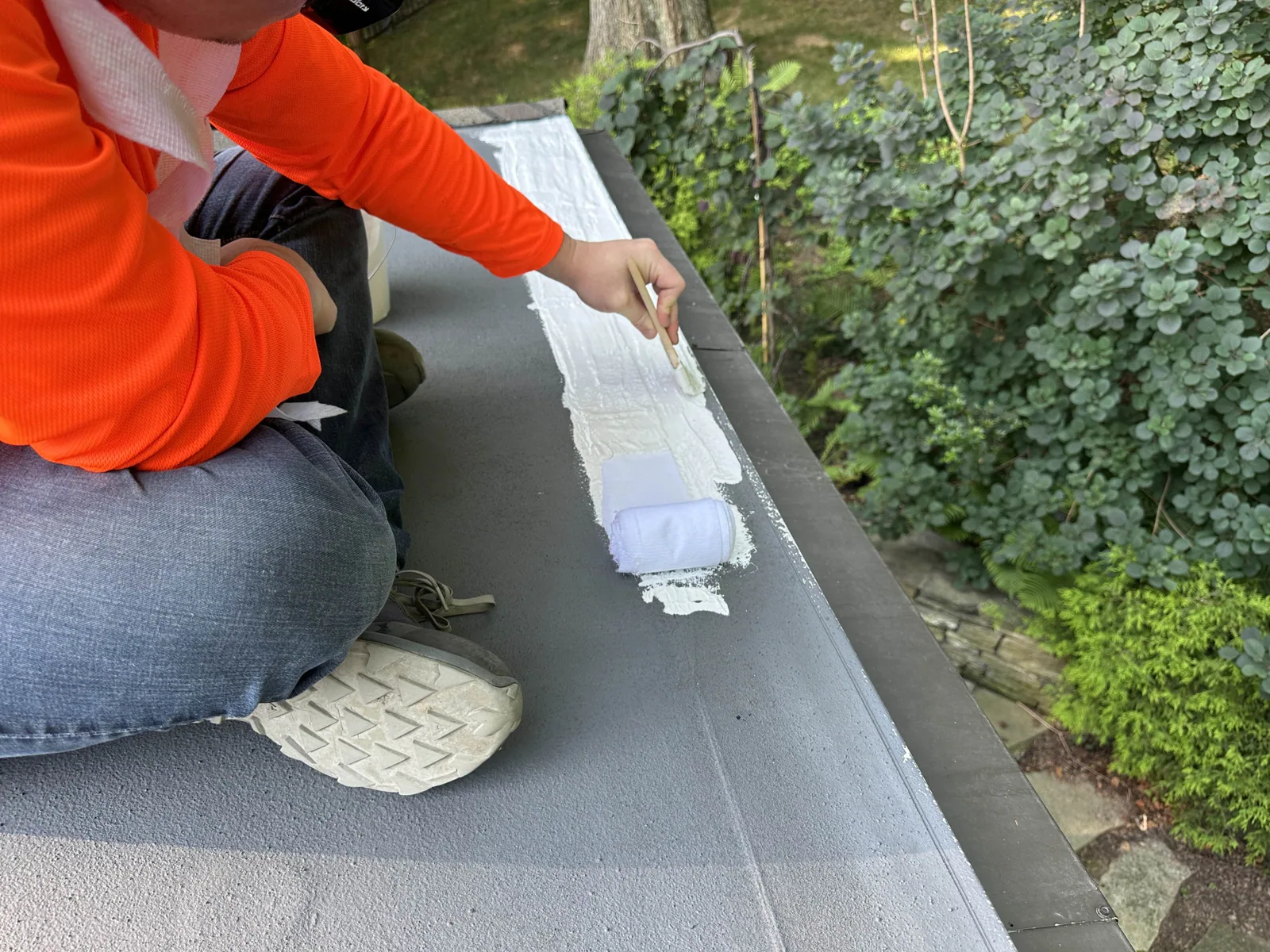
With failed seam correction, the work method follows the identified membrane and its condition. Thermoplastic seams, adhered rubber laps and bituminous details do not share one repair technique. Preparation, compatible products and testing are specified for the actual construction. Where moisture below the surface is suspected, further examination determines whether the repair also needs insulation removal.
A loosened edge detail can have several contributing conditions, including unsuitable receiving material or deteriorated connections. We document the visible displacement and accessible fastening points before recommending replacement. The building’s height, roof geometry, deck and project requirements then inform any necessary design review. A coastal address does not substitute for the attachment calculations or the approved construction detail.
We use located roof condition reports to keep observed defects separate from engineering decisions. Photographs show the condition that prompted review; the report explains what remains unexamined. This helps the asset manager avoid authorizing a cosmetic repair where the attachment still needs attention, while also avoiding a broad structural claim that the inspection did not establish.
Active water entry may require stabilization before the full assembly can be examined safely. We respond to urgent roofing calls at any hour, including holiday periods, and document the temporary measure and its limits. Water containment inside the facility is coordinated with the responsible site staff. Dangerous overhead conditions, electrical concerns or unstable roof areas require appropriate controls before roof access.
The subsequent permanent scope identifies the failed construction, material removal and reinstatement. Commercial roof repair should leave a traceable finished boundary, with any adjoining concern explicitly retained for follow-up. We photograph the completed seam or edge from useful angles and explain how the work changes the immediate condition. A temporary seal is closed out only as temporary protection.
An issued warranty can require particular notifications or repair procedures. We compare the proposed alteration with the terms available for that installation and identify any question for the issuing party before work proceeds. The recommendation explains roofing construction and the purpose of the repair; it does not presume that an inspection transfers or extends coverage.
After installation, the closeout package records the completed area, products used and relevant testing. An asset manager reviewing the file can distinguish finished work from remaining maintenance and any pending warranty response. That distinction matters when a later contractor services equipment near the repair. Keeping the located detail accessible makes it easier to assess a new alteration against construction that can actually be examined.
Terminal Island service calls should be coordinated around the actual industrial or port-related property and its authorized access process. Verify the entry point, vehicle requirements, delivery window and whether the site contact can approve roof access. Confirm active loading, yard and safety routes before placing equipment. Identify corrosion or coating changes on observed components, then base material decisions on the installed metal and exposure at that building. Do not treat the island name as evidence that all facilities share a system or condition. Zone references, photographs and access limitations help a manager connect the roofing recommendation with the operation that will be affected.
Replacement follows observed metal condition and the adequacy of its connection, not the port address alone. We examine coating deterioration, section loss and accessible fastening points separately. A repairable finish defect may call for preparation and treatment, while a compromised connection may require removal. The report identifies which finding supports each recommendation and where concealed construction still needs examination.
The issued terms and urgency of the condition govern that decision. We identify the temporary protection needed to limit active water entry and document it distinctly from the intended permanent repair. Before permanent construction, we help define the technical question for the issuer. Approval, coverage and repair-method requirements remain subject to that party’s review of the actual installation.
Confirm the approved entrance, roof access, operating restrictions and person responsible for admitting the crew. The inspection assignment should identify the roof portion and relevant safety controls. We then plan equipment and movement against those conditions. General access to Seaside Avenue or the bridge does not provide facility entry, so the appointment and property authorization need their own confirmation.
We identify the affected location, the condition visible now and the exposure or design review needed to select a permanent detail. The initial allowance distinguishes examination from final construction. Once the receiving material and attachment requirement are established, the scope can be refined. That sequence gives the asset manager an explained decision path without treating an inaccessible substrate as sound.