Roofing Manufacturers
Assess Soprema roofing in Torrance with lap inspection, liquid flashing preparation, construction staging and a clearly measured repair recommendation.
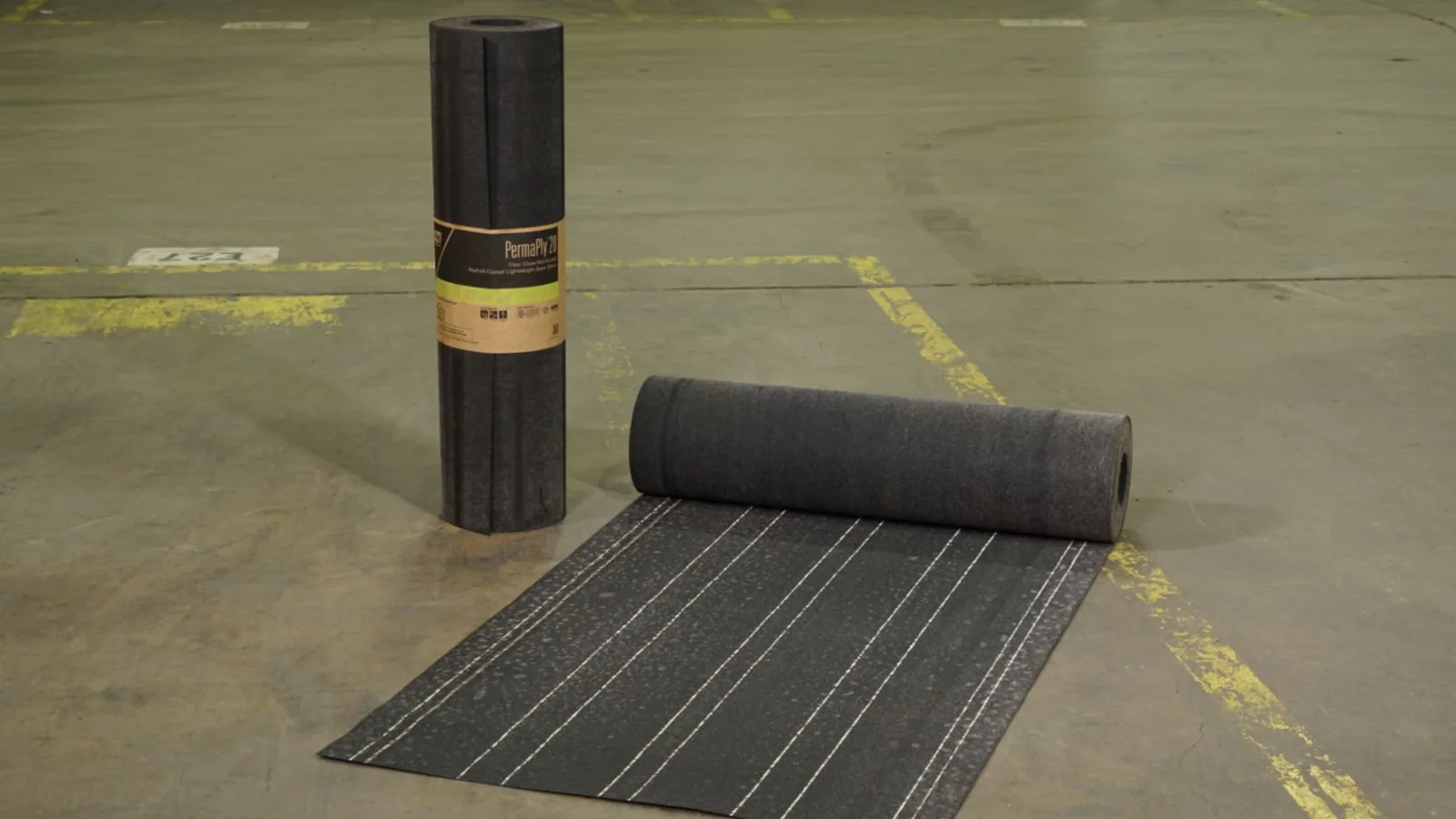
A proposed Soprema repair under issued warranty terms in Torrance, CA starts with the installed construction and the alteration being considered. Soprema supplies SBS-modified bitumen and liquid-applied roofing materials. We examine the actual receiver, identify the defect and describe the proposed connection before the administrative review proceeds. A broad product family does not establish that a particular resin or sheet repair fits every existing surface.
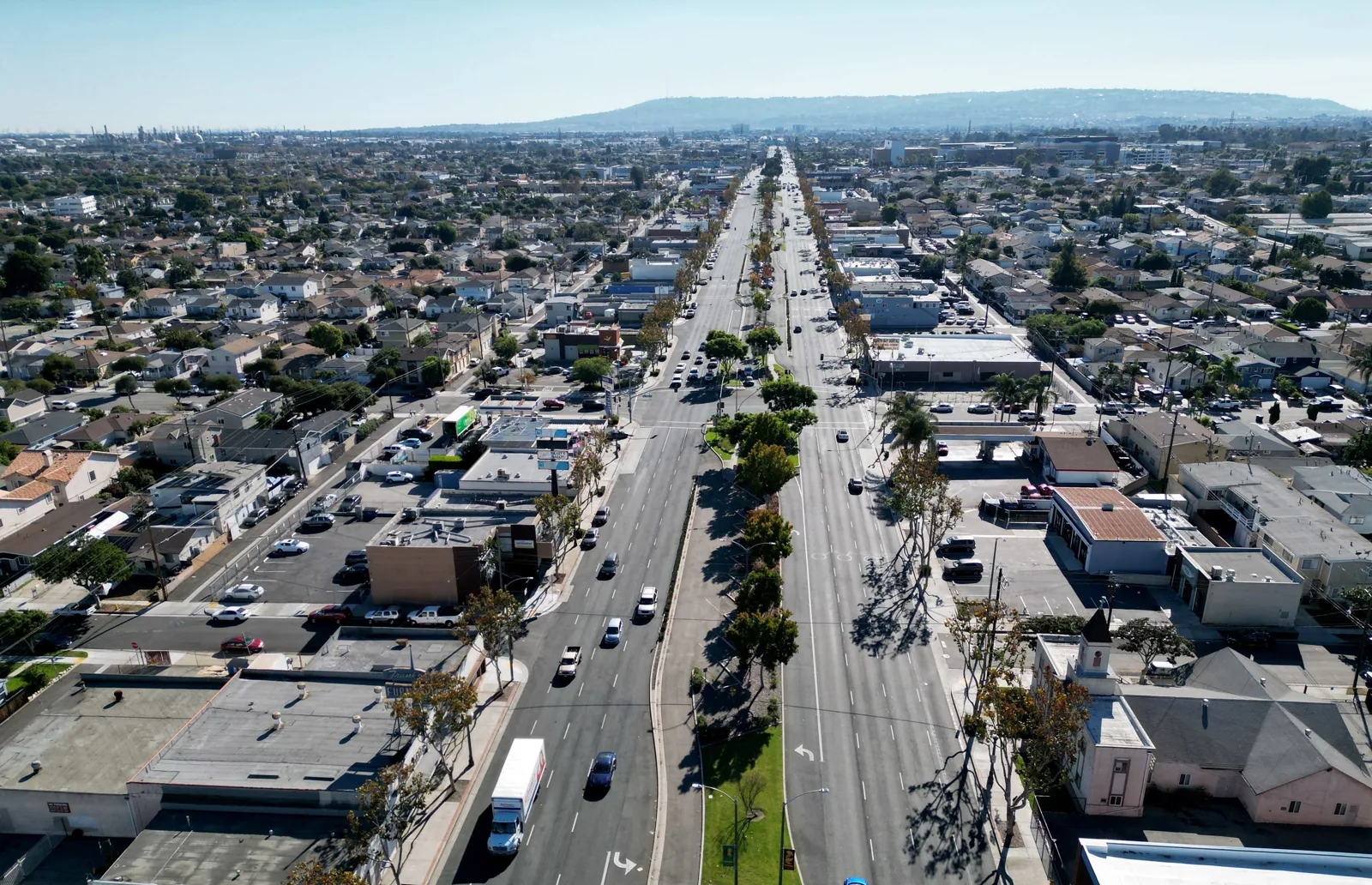
Del Amo Fashion Center gives Carson Street a retail reference for planning a subject building visit. Above occupied retail space, the installation method and access sequence need specific consideration. We locate the affected parapet, curb or penetration, then distinguish the roof waterproofing operation from connected wall and equipment work. The asset manager receives a construction question that can be answered precisely.
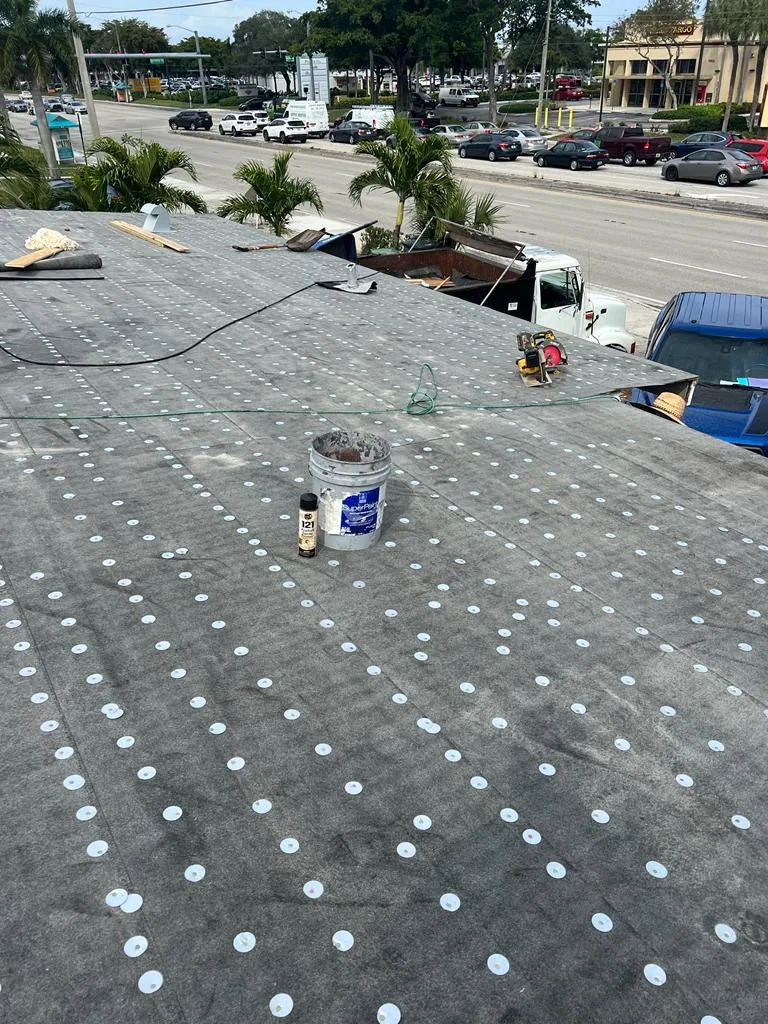
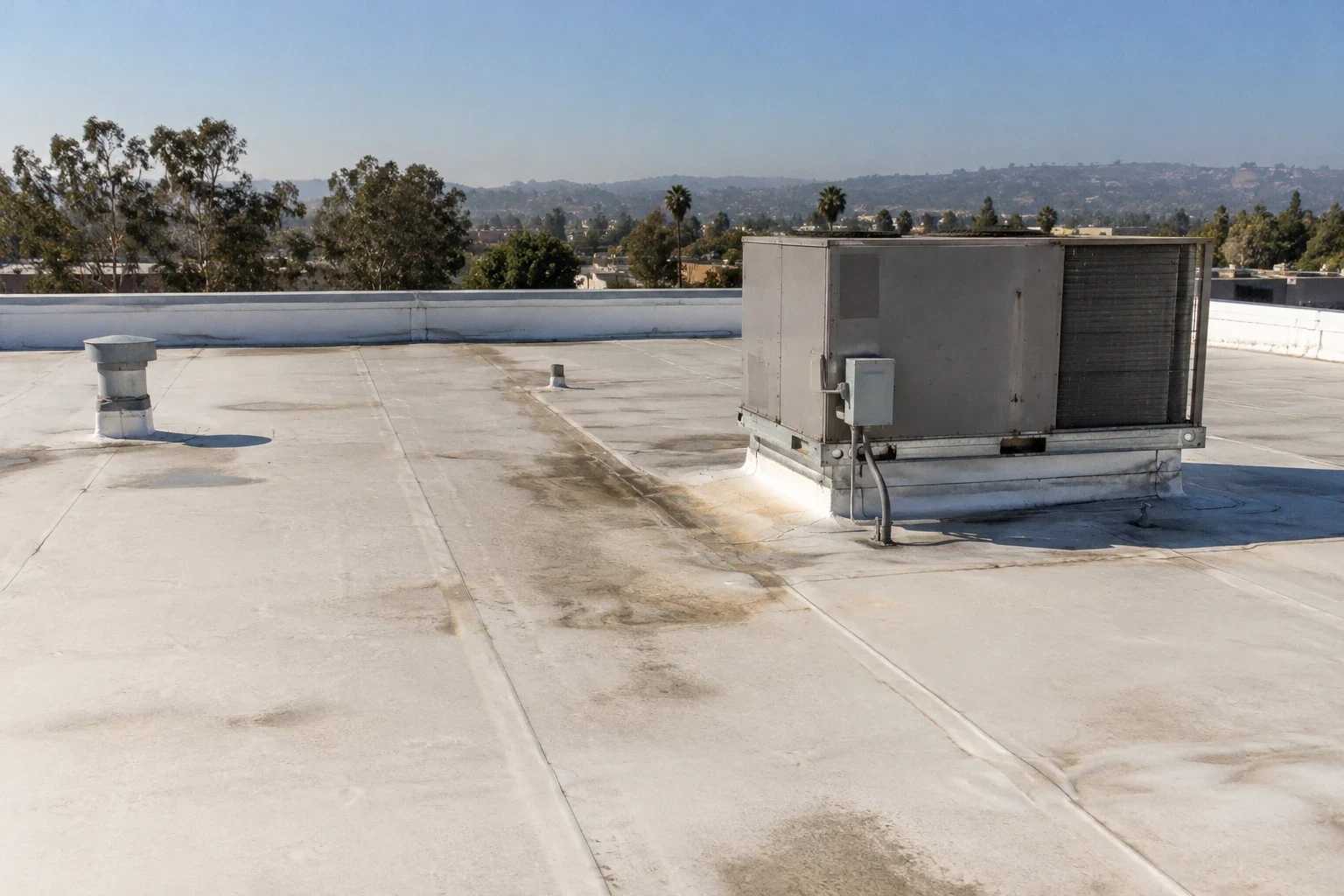
A split along a bituminous lap can involve movement, poor adhesion or deterioration of the receiving membrane. We examine the nearby field and flashing rather than limiting the assessment to the visible crack. Controlled examination can clarify layer separation or moisture below the surface where indicated. Located photographs show which construction was exposed and how the investigation opening was closed.
Repairing a modified-bitumen membrane requires an appropriate receiver and compatible connection. Covering a moving split with resin without addressing the underlying condition can leave the same stress acting on the new work. The repair scope explains substrate preparation, any required removal and the intended boundary of the finished detail.
We also inspect the upper termination and nearby wall construction. Water entering above the roofing detail needs a separate correction; increasing the roof patch area cannot finish a wall defect outside its receiving boundary.
A dusty, friable or damp receiving surface can prevent a liquid flashing detail from forming its intended bond. We examine the substrate and select preparation consistent with the actual material and proposed system. A sample or adhesion assessment may be necessary before a larger operation is specified. The preparation requirement should be measurable, not reduced to a generic cleaning item.
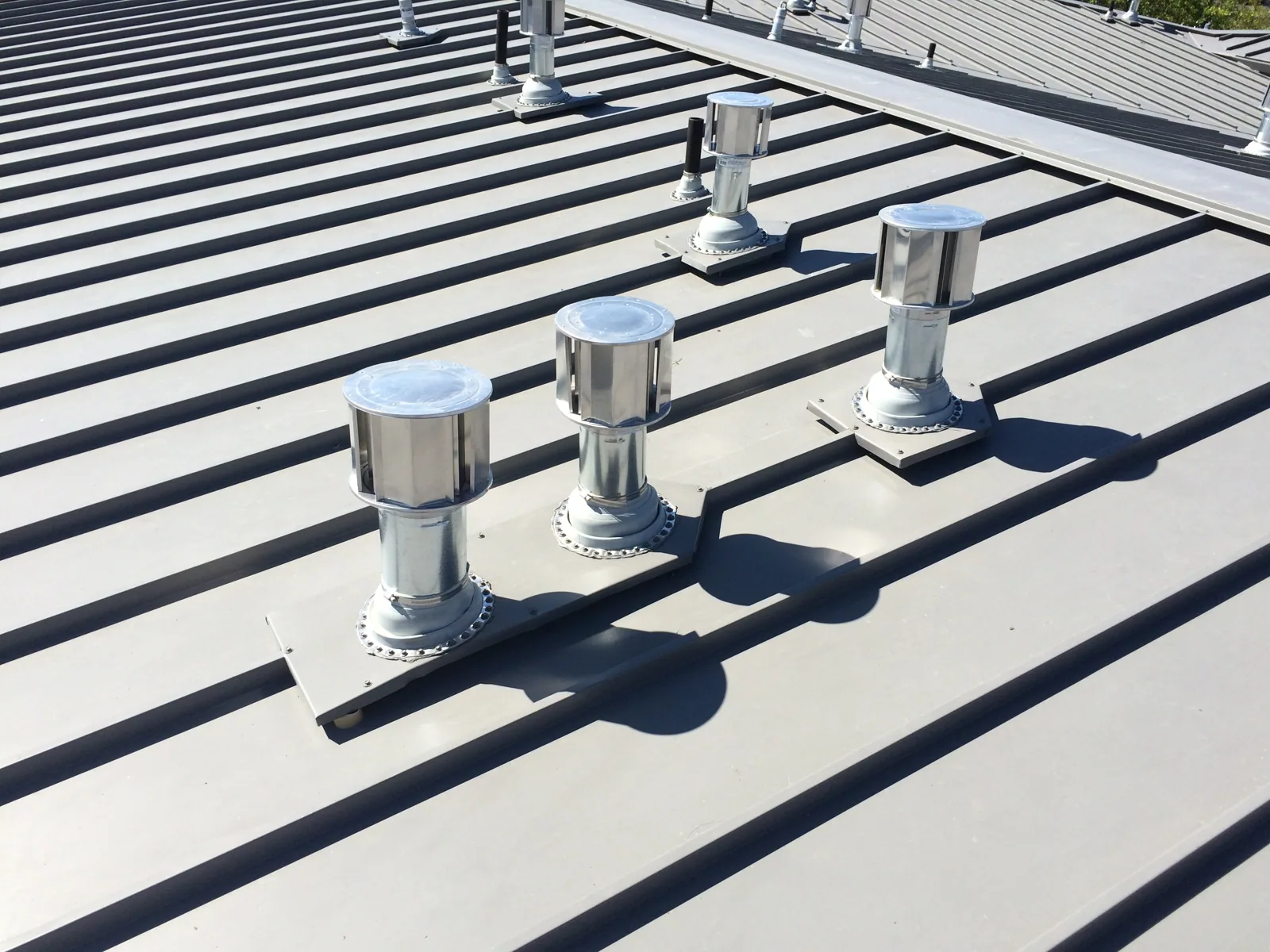
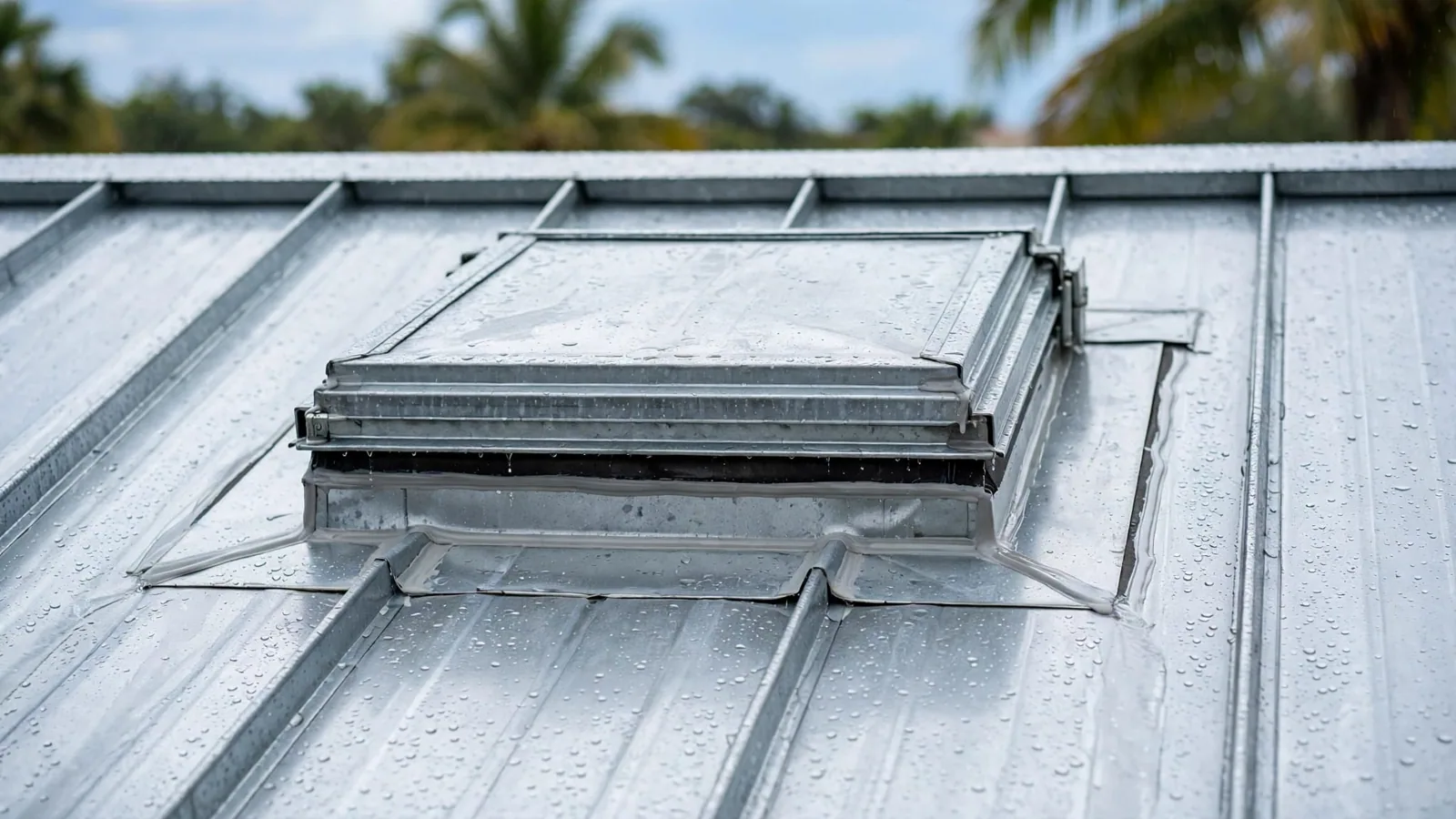
Liquid-applied work can follow complicated shapes, yet it still needs reinforcement, complete coverage and sound terminations where required by the selected detail. We record recesses, tight corners and transitions between substrates before installation. Flashing work at irregular roof penetrations includes the receiving surfaces on each side of the connection.
The crew checks application stages while they are accessible. Preparation and intermediate photographs give the asset manager evidence of construction beneath the finished surface, where a final image alone would not show the reinforcement or receiving condition.
The receiving metal also needs assessment where a liquid detail crosses a pipe collar. Movement, corrosion and an unsuitable flange connection may require metal correction first. The resin operation should finish a prepared detail instead of compensating for a receiver that remains physically unsound.
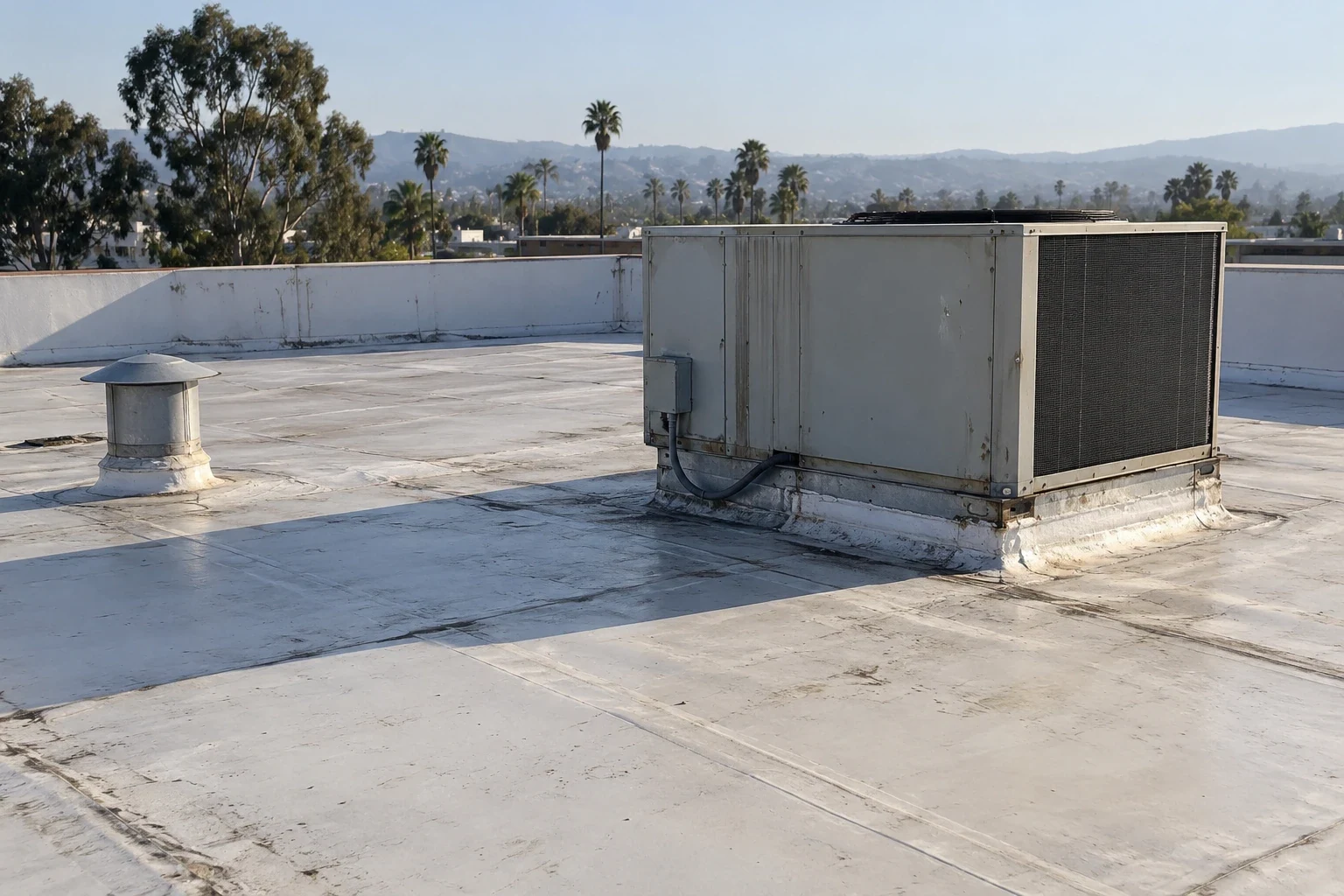
A roof opening beside an intake can make material handling and application timing as significant as the detail shape. We review the selected product requirements, equipment operation and tenant restrictions before scheduling. Heat use or adhesive operations need the controls appropriate to that method and the actual construction. A building's occupancy does not automatically prohibit a material family, but it does require a workable installation arrangement.
An industrial asset in the Torrance Commerce Center setting receives a similar assessment of process operations and equipment access. The subject property's restrictions determine staging and temporary protection. We establish the roof area that can be opened, the point at which it must close and how another trade's work affects completion.
Comparison with Johns Manville multi-ply options keeps removal and substrate quantities visible. A proposal involving Sika PVC detail reconstruction needs its own compatible membrane and attachment choices. These alternatives should be evaluated by the construction they require, not by transferring one method's accessory assumptions.
An irregular curb may consume substantial preparation even though its exposed area is small. We measure the faces, corners, terminations and adjoining field transitions needed to complete the repair. Removal depth and receiver correction can drive labor more than surface area. Separate quantities help the asset manager understand why a detail repair differs from applying material across a simple open field.
Correction of failed flashing connections should identify the defect being finished and the adjacent construction left in place. Where the field is serviceable, localized reconstruction may provide a practical scope. Wider separation, wet material or an unsuitable receiving surface can change that decision. We explain the finding that triggers expansion rather than leaving an open-ended instruction to repair as needed.
At retail properties along the Hawthorne Boulevard Corridor, lifting and debris removal need the owner's actual access arrangement. Protected entrances and clear delivery routes remain part of the detail work, even if the membrane quantity is modest.
The closeout package connects each completed detail to its original location and measured scope. We record substrate correction, reinforced construction where used and the finished termination. The final walk checks adjacent drainage and accessible transitions so remaining concerns can be distinguished from completed work. Maintenance tasks include attention to equipment traffic and wall connections that affect the repaired area.
An issued warranty question is answered under the applicable terms by the responsible issuer. We describe the proposed or completed alteration and record any outstanding response without making coverage acceptance a consequence of our final walk. The asset manager can then keep construction evidence, administrative status and continuing maintenance duties together while preserving the different decision each document supports.
An existing Soprema assembly may combine products with different functions, so identify the layer under review before selecting a repair material. Check the substrate condition, adhesion and any prior coating or patch that could affect a new bond. For liquid-applied work, define the prepared boundary, reinforcement, transitions and expected cure conditions from the applicable product instructions. Keep field measurements and photographs with the batch or product information used for the repair. If a test area is needed, decide in advance how acceptance will be judged and what happens if adhesion or moisture findings differ from expectations. Manufacturer identification informs the scope but does not replace examination.
A split needs an assessment of movement and the receiving layers before a liquid repair is selected. We inspect the adjoining membrane and underlying support where indicated. A compatible reinforced detail may be practical on a suitable receiver, but unresolved separation or movement needs correction rather than concealment beneath new material.
Bond quality depends on the actual receiver, which can differ between metal, existing membrane and wall surfaces. We assess preparation and identify any sample work needed before committing to the larger detail. The result helps establish whether cleaning is sufficient or whether material removal and reconstruction are necessary.
Provide the issued terms, identified system and a precise description of the proposed work where available. We prepare located findings and the roofing detail for that review. The issuer determines notice, inspection or acceptance requirements. Our construction scope supplies relevant information without deciding coverage on the issuer's behalf.
Measure the receiving faces and transition lengths as well as the field area. We separate preparation, reinforcement, substrate replacement and termination work. Access restrictions and connected trade tasks are also identified. That gives you a repair allowance tied to the actual detail rather than a surface-area rate that omits the difficult construction.