Service Areas

Local weather advisory
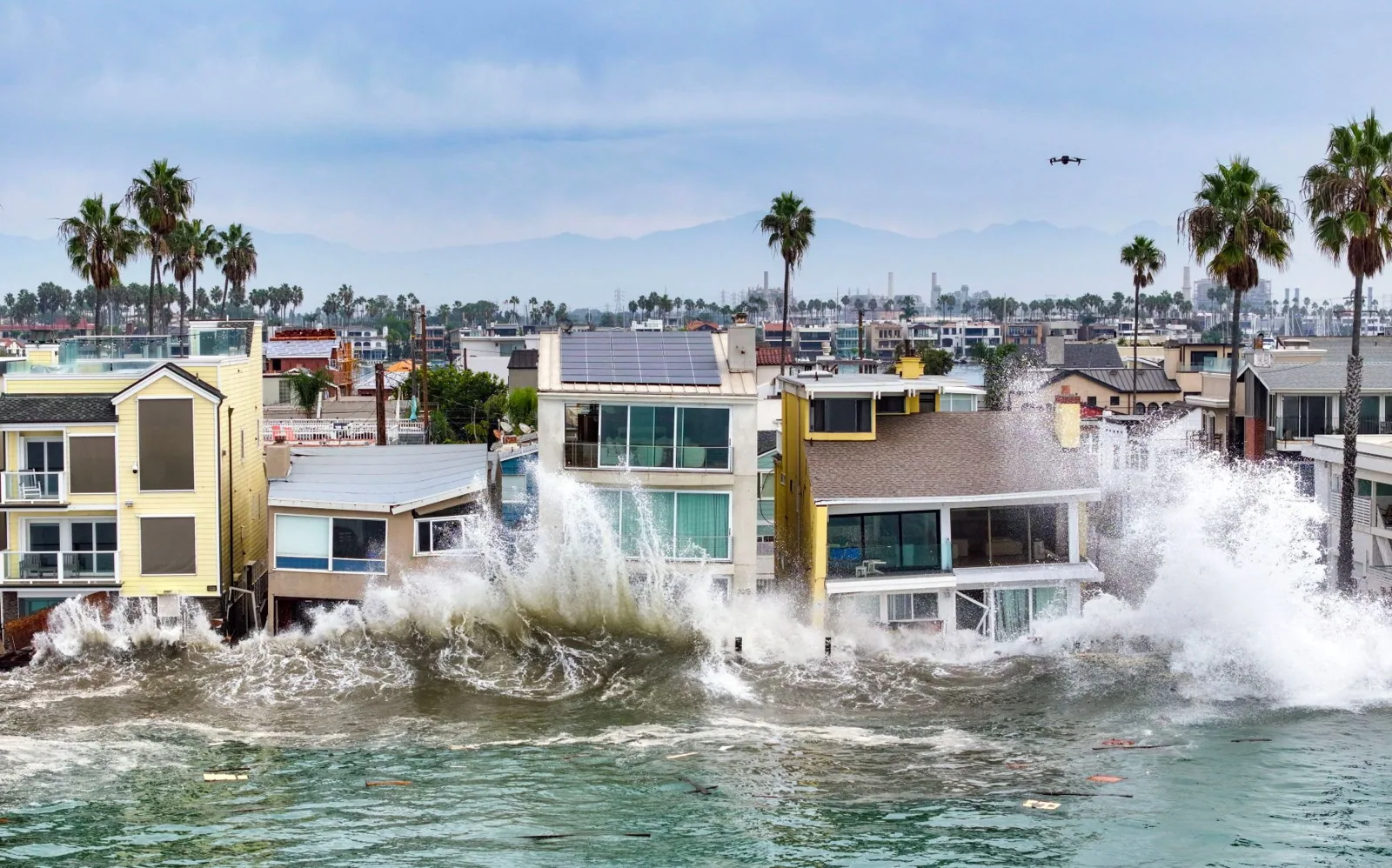
The National Weather Service has issued a coastal flood advisory covering Torrance. Heavy rain and drainage loading can expose roof leaks, blocked drains, and ponding water. This is a weather exposure advisory; it does not establish damage to a specific roof.
Do not access a roof during hazardous weather. Protect people first, avoid water near electrical equipment, and request roofing help when conditions permit.
National Weather Service · Updated Oct 27, 2026, 1:54 PM UTC
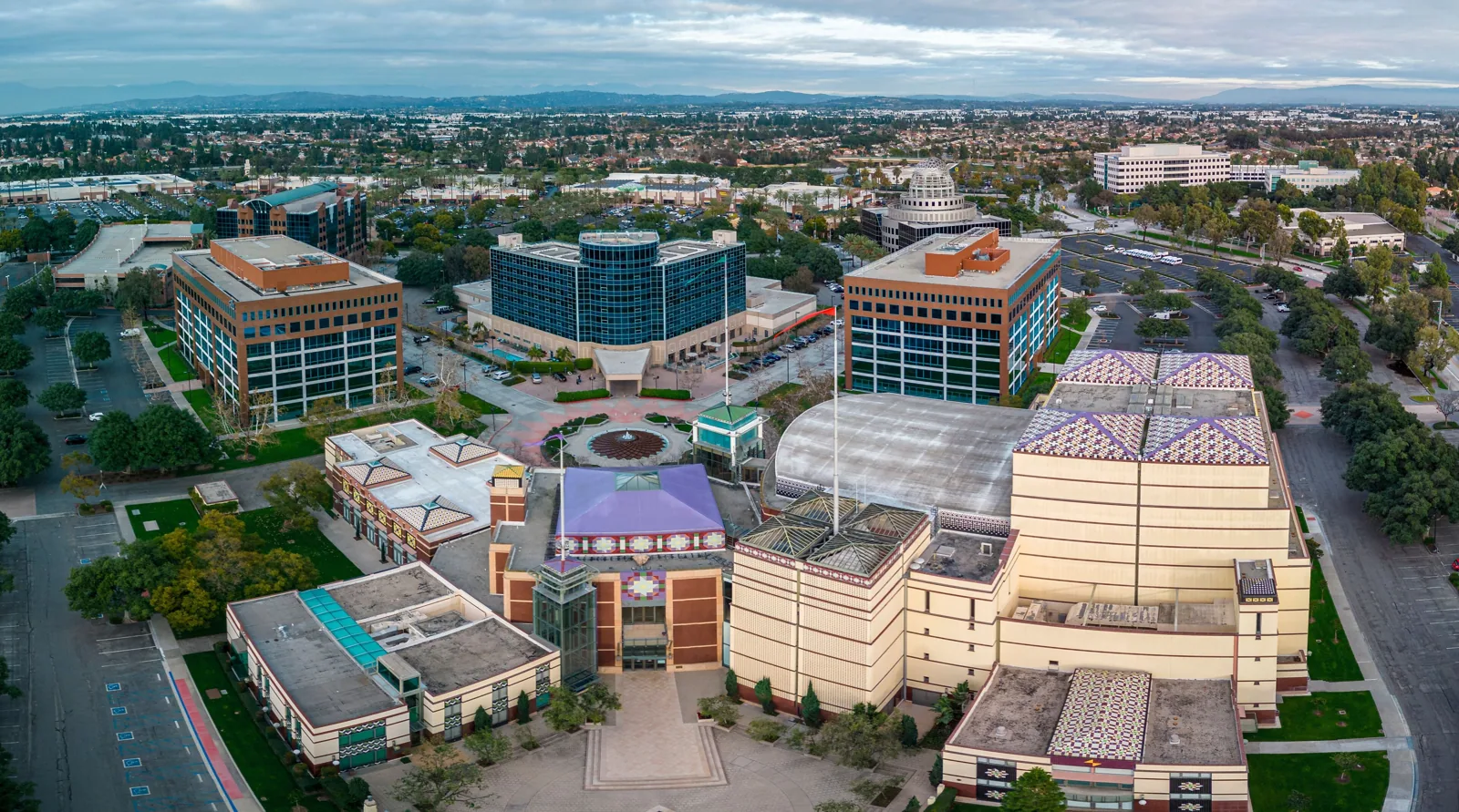
Plan Cerritos commercial roof repairs and equipment alterations with located findings, dealership receiving protections, and a clearly explained scope.
A dealership equipment alteration in Cerritos, CA needs a roof scope that accounts for the vehicle receiving operation as well as the new penetration. We inspect commercial roofs, repair leaks, replace worn assemblies and coordinate work over occupied premises. The asset manager receives located findings that distinguish the condition of the existing waterproofing from the requirements of the proposed equipment. An equipment change is a useful opportunity to examine that interface, without treating the entire roof as defective.
Cerritos Auto Square occupies the Studebaker Road corridor generally between 183rd Street and South Street. That dealership setting makes receiving access and protection of finished surfaces relevant questions for a proposed job. The actual property layout decides the staging arrangement. We develop dealership roof scopes from the inspected building and the operating restrictions provided by its manager.
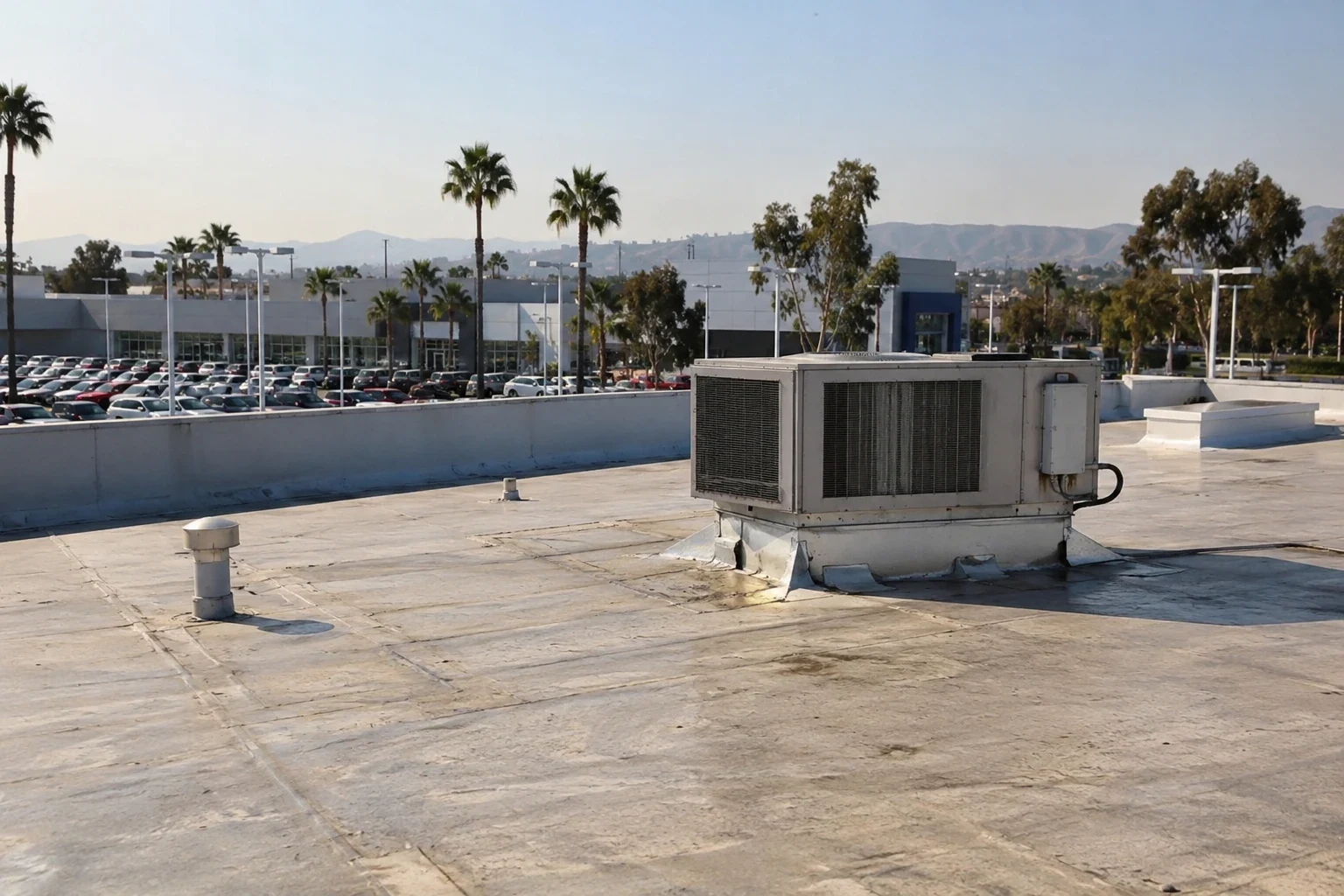
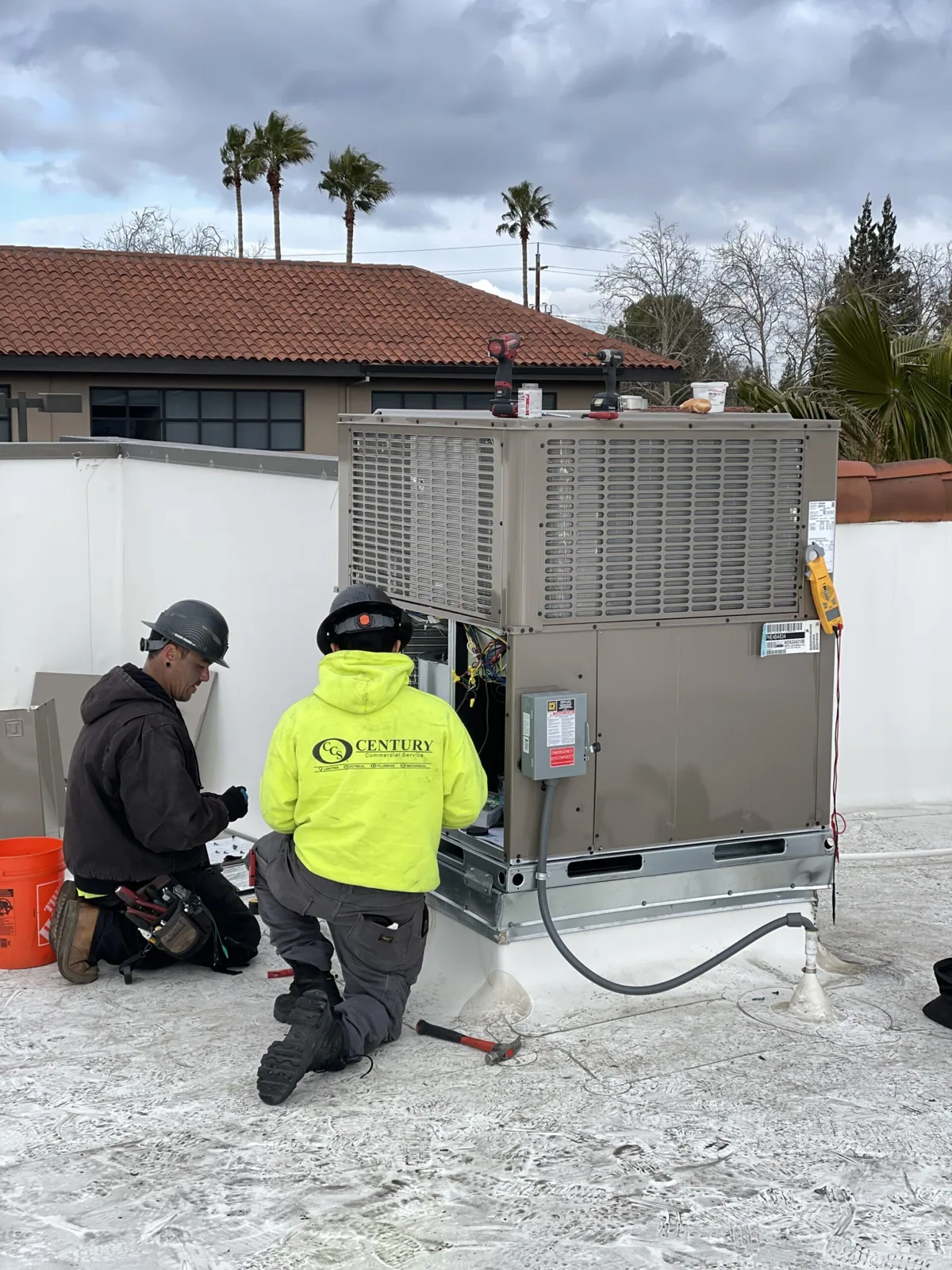
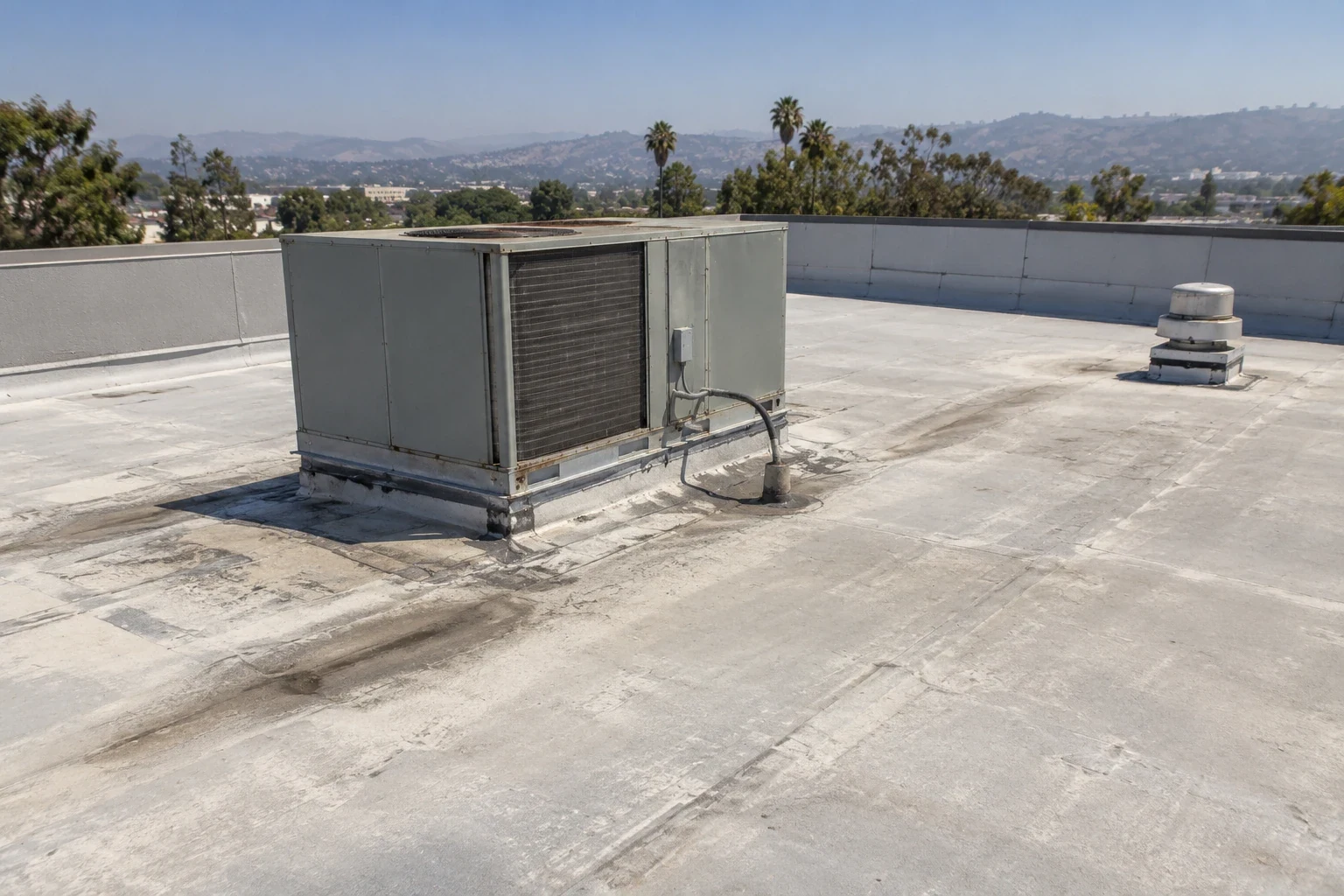
A replacement unit may have a different footprint, service clearance or connection arrangement than the equipment it replaces. We measure the existing curb, photograph its corners and compare the proposed opening with the equipment information supplied for the job. The roofing detail must accommodate those dimensions. Structural support, electrical isolation and mechanical connections require their respective participants; a waterproof curb detail does not establish that the roof structure can carry a changed load.
The resulting scope identifies which interface we will remove, which adjoining membrane we will retain and how the new waterproofing terminates. Where dimensions or support requirements remain unresolved, we name the decision needed before construction can proceed. Curb and support coordination should leave the asset manager able to assign each responsibility, rather than bundle unrelated trades into an unexplained roofing allowance.
A service entrance below a proposed work area can determine how materials reach the roof. During planning, we compare the loading position, lift route and roof access with the manager's receiving schedule. We also inspect the waterproofing near that access point. Repeated movement can expose an existing weak seam or damage an unprotected surface, but movement alone does not prove why a particular defect occurred. Photographs identify the observed opening, deformation or abrasion without assigning an unsupported history.
We inspect adjacent drains, upstands and seams to establish how far the repair should extend. A small visible split can sit beside firmly bonded material, while damp insulation requires a different assessment. A measured roof inspection connects those findings to the proposed work limits. The survey file identifies accessible areas and retains a specific follow-up action for any portion that could not be examined.
Vehicle paint, glazing and customer walkways introduce practical constraints when removal takes place overhead. We discuss the actual receiving area with the site representative and specify the protected work zone, debris handling method and permitted movement of vehicles. Covering a surface is only one part of that arrangement. Keeping loose fasteners contained, controlling material travel and agreeing where personnel may enter are separate requirements that need a named position on the layout.
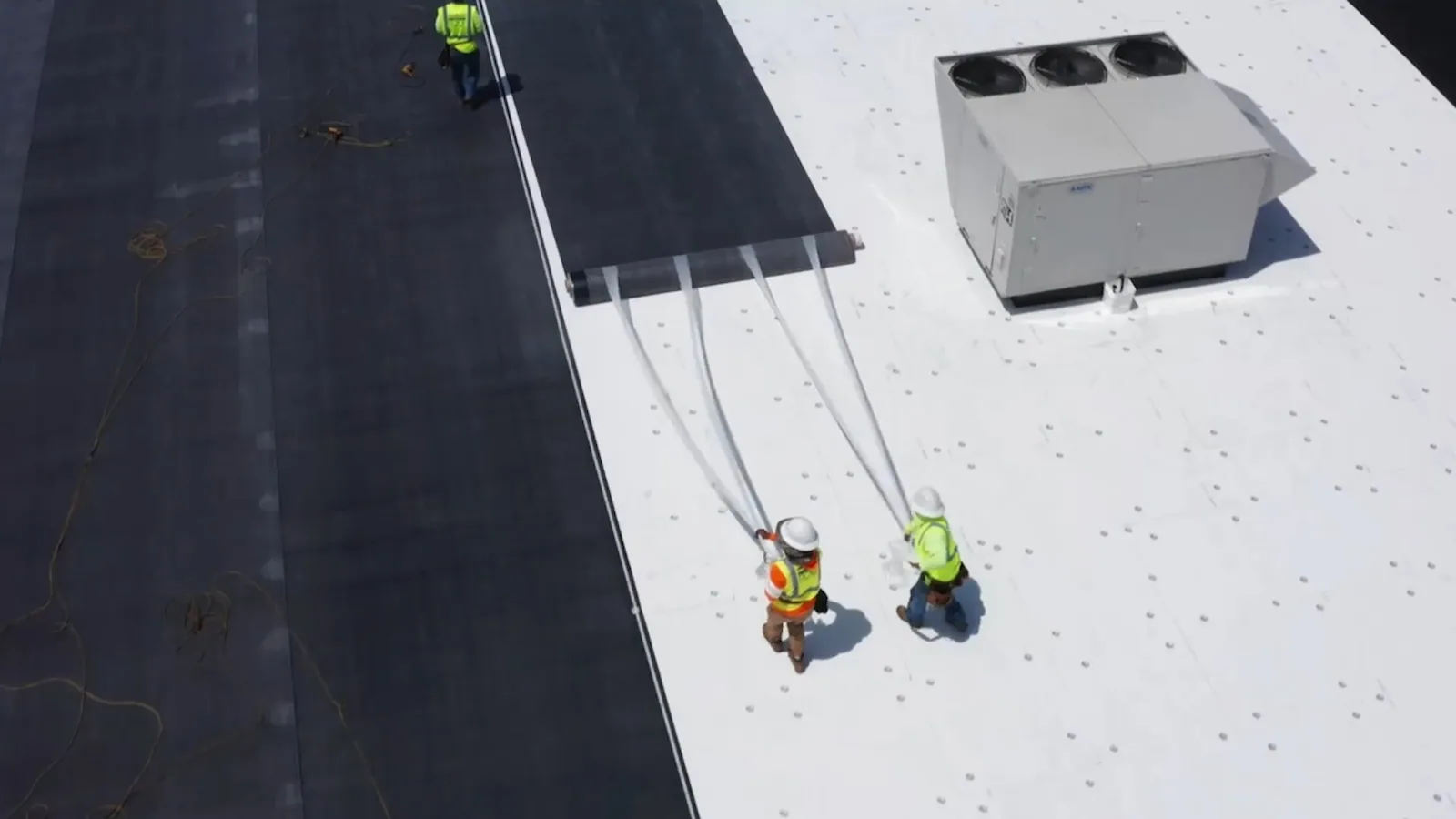
Roof access should also avoid treating an unexamined canopy as a loading platform. We establish the permitted storage areas before deliveries arrive and keep material placement consistent with the project's load restrictions. For an occupied facility, phased roof construction can divide removal into bounded areas, provided each area can be made watertight at the agreed stopping point. The sequence must be workable for roofing crews and the property operation.
Loose flashing beside a curb calls for examination of its fastening and termination; it does not automatically justify replacing the field membrane. We establish the extent of failed attachment and test whether the surrounding material can accept a compatible repair. Wet insulation, damaged substrate or unsuitable prior repairs can increase the area that must be opened. Each discovered condition changes a defined construction quantity, which is more useful for budgeting than an undifferentiated contingency.
A larger roof decision may follow if the inspection reveals dispersed deterioration. We compare localized repair, recover and replacement against the assembly we can substantiate, drainage behavior and applicable project requirements. A coating requires a suitable, prepared substrate and cannot restore lost structural support. Repair durability also depends on the retained roof. We state those dependencies so the asset manager can compare the immediate equipment work with a separate capital project without confusing their boundaries.
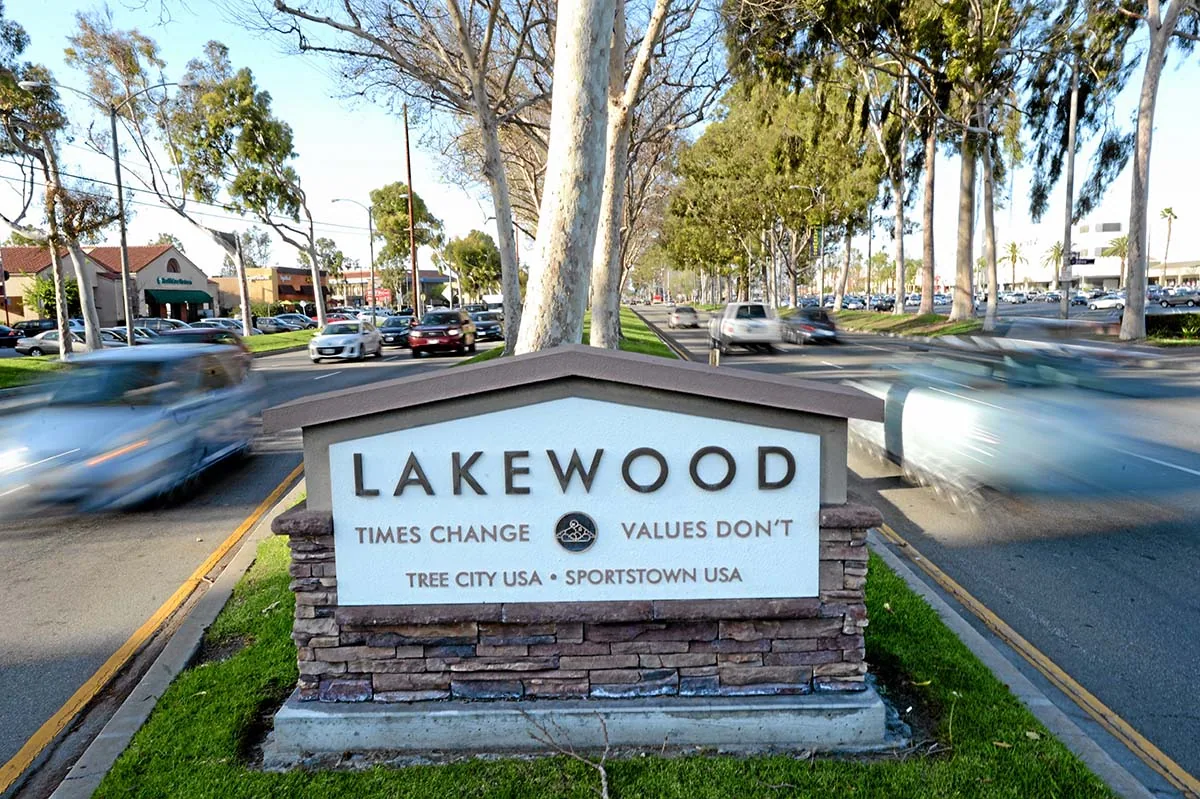
The Studebaker Road setting provides geographic orientation; the dealership's authorized entrance, storage permission and roof access still have to be established at the subject address. A plan that works on one property may obstruct the receiving route at another. We apply that distinction when coordinating related work in Lakewood and Long Beach: a regional program can share reporting fields while preserving separate construction arrangements for each building.
For Cerritos work, the manager should identify the person who can approve temporary operational restrictions and the person who can authorize the construction scope. They may have different roles. We connect the permitted delivery position to the work sequence and record changes before equipment or roofing materials are dispatched. Approval of a lift location also needs to remain distinct from any required public access, structural or safety review.
At completion, we photograph the finished curb transitions and the surrounding repair limits, then compare them with the approved scope. Concealed work needs its own construction-stage evidence because a finished membrane cannot show every layer below it. We record material information, relevant installation details and any continuing maintenance item in the closeout package. Issued warranty provisions receive their own review where an alteration or repair may affect existing coverage.
The final walk includes the receiving area that construction used, not merely the completed roof detail. We review debris removal and any outstanding protection removal with the property representative. Located condition reporting gives the asset manager a roof baseline for later decisions, while an unresolved observation retains an assigned next assessment. If an active leak interrupts operations before planned work begins, we provide emergency roof response at any hour, including weekends and holidays.
The lane layout and overhead work position decide the restriction. We inspect the lifting and debris routes, then define the area that must be cleared and the period it cannot operate. Protection of parked vehicles does not by itself make lifting above them acceptable. The manager receives that restriction before the equipment delivery is scheduled.
Identify removal of the existing flashing, preparation of retained material, the new curb interface and the final waterproof termination. We separate those quantities from equipment supply and mechanical connections. If the curb or support design remains undecided, the allowance should identify that unresolved dimension rather than conceal it in a general repair amount.
Water observed beside a unit directs the inspection but does not establish the entry location. We examine curb joints, nearby seams and drainage paths, and compare roof findings with accessible interior evidence. Any controlled investigation needs agreed limits. The recommendation states the demonstrated defect separately from a possibility still requiring examination.
Agree on the receiving-area condition photographs and the reporting contact before work begins. A reported change then needs a located comparison and a prompt inspection, including the timing and affected surface. The construction review should retain that item until the responsible participants resolve it, rather than treat roof completion as acceptance of every surrounding surface.