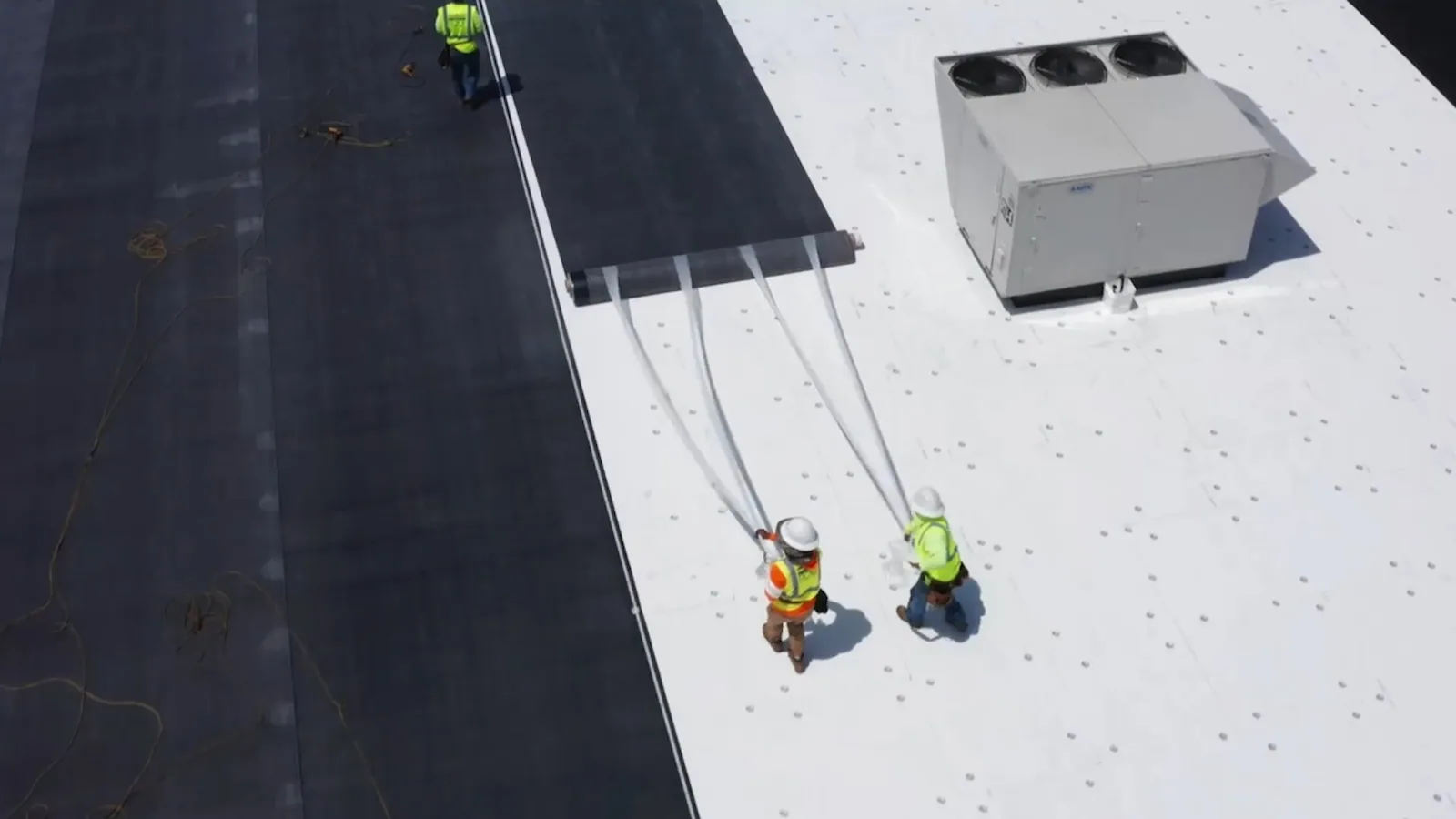
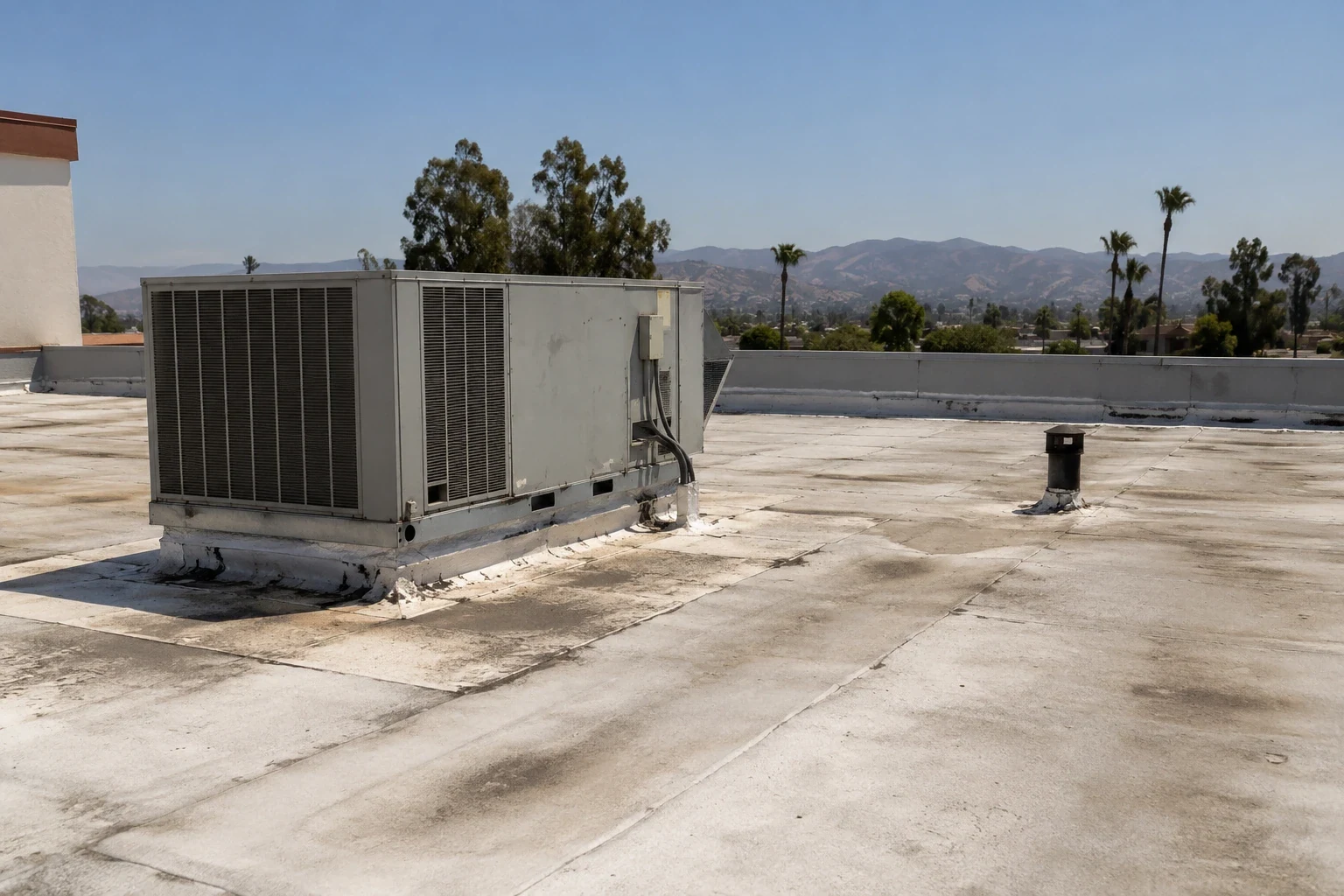
Roof Systems
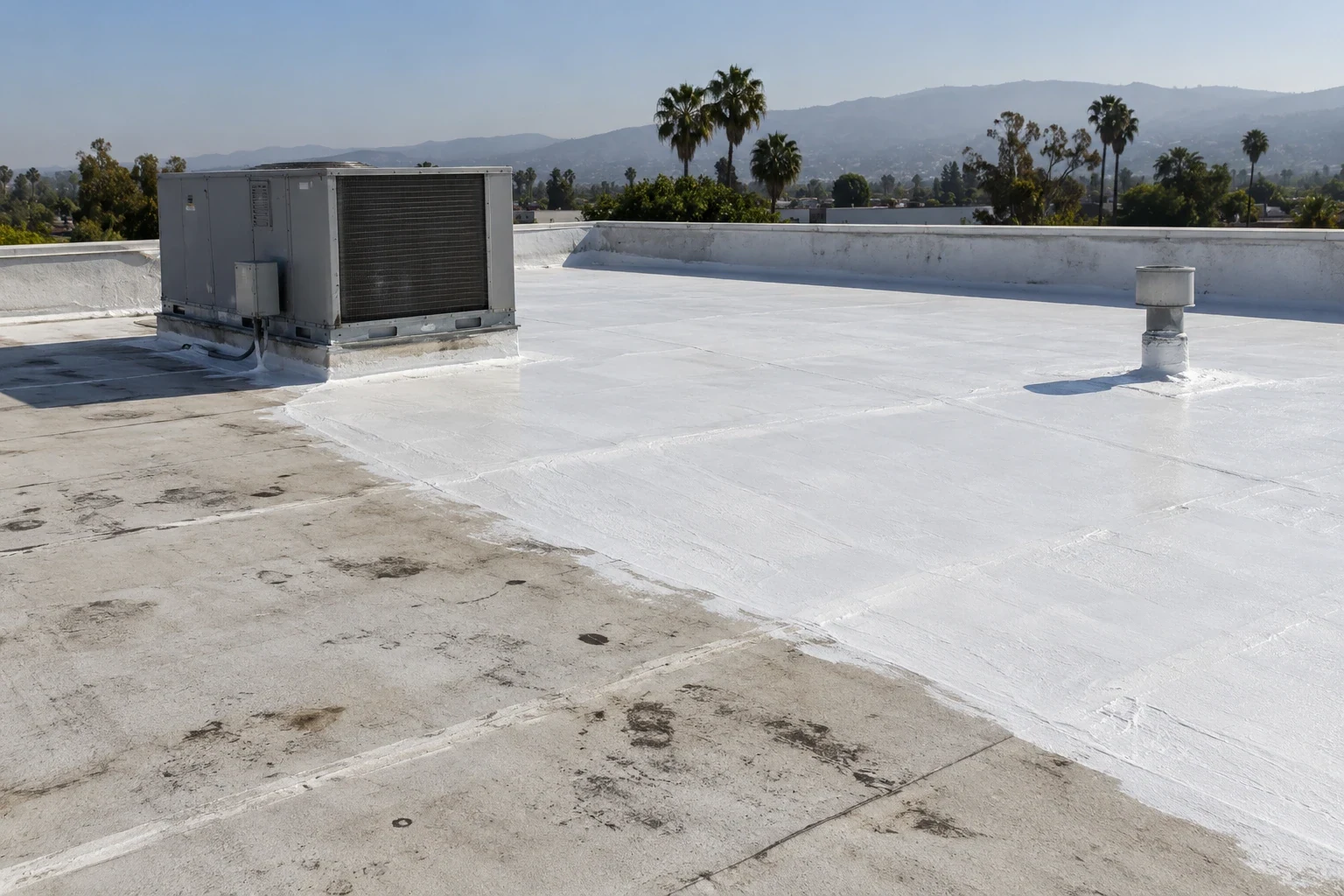
Plan acrylic roof coatings in Torrance with receiving-surface checks, drainage assessment, curing controls and a defined restoration allowance.
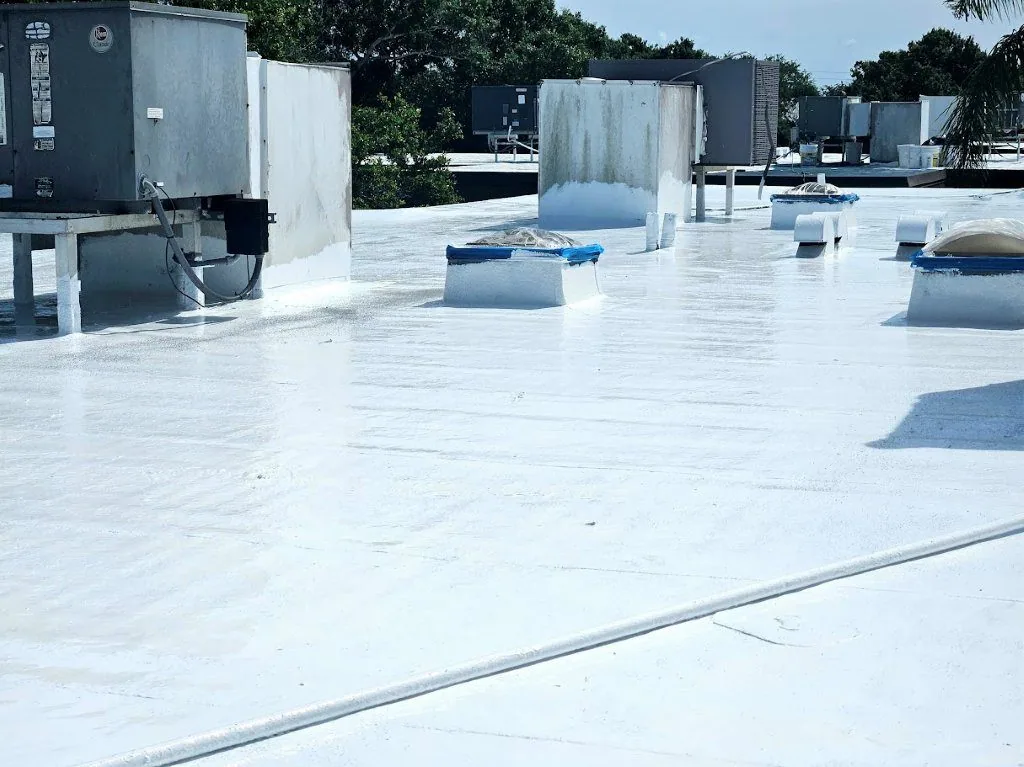
A tenant alteration followed by an acrylic coating proposal in Torrance, CA creates two decisions: finish the changed roof details correctly, then establish whether the surrounding assembly can receive restoration. Commercial Roofing Torrance examines the receiver, drainage and application requirements before combining those tasks in a construction allowance. The asset manager can see which work closes the alteration and which work renews a suitable existing surface.
Torrance Commerce Center has a dated industrial-development account that orients a local commercial discussion. That history supplies no coating identification at another property. We establish the actual premises and roof condition before selecting the proposed acrylic assembly.
Acrylic roof coatings are commonly water-based liquid-applied materials used as protective or restoration finishes within suitable roof assemblies. Product requirements determine eligible substrates, preparation and exposure limits. We identify installed roofing and prior treatments, using available information and appropriate examination where the receiving material is uncertain.
A comparison with silicone coating construction should consider the actual roof conditions, detail method and future care. One finish does not become a direct substitute for another because their colors look alike. Earlier incompatible treatment can affect adhesion and preparation even where the surface appears uniform.
The survey file records changes in receiving material across the assignment. A prepared adhesion location provides information about that location and treatment. Where another area has different roofing or coating, additional assessment may be required before its quantity is included in a restoration option.
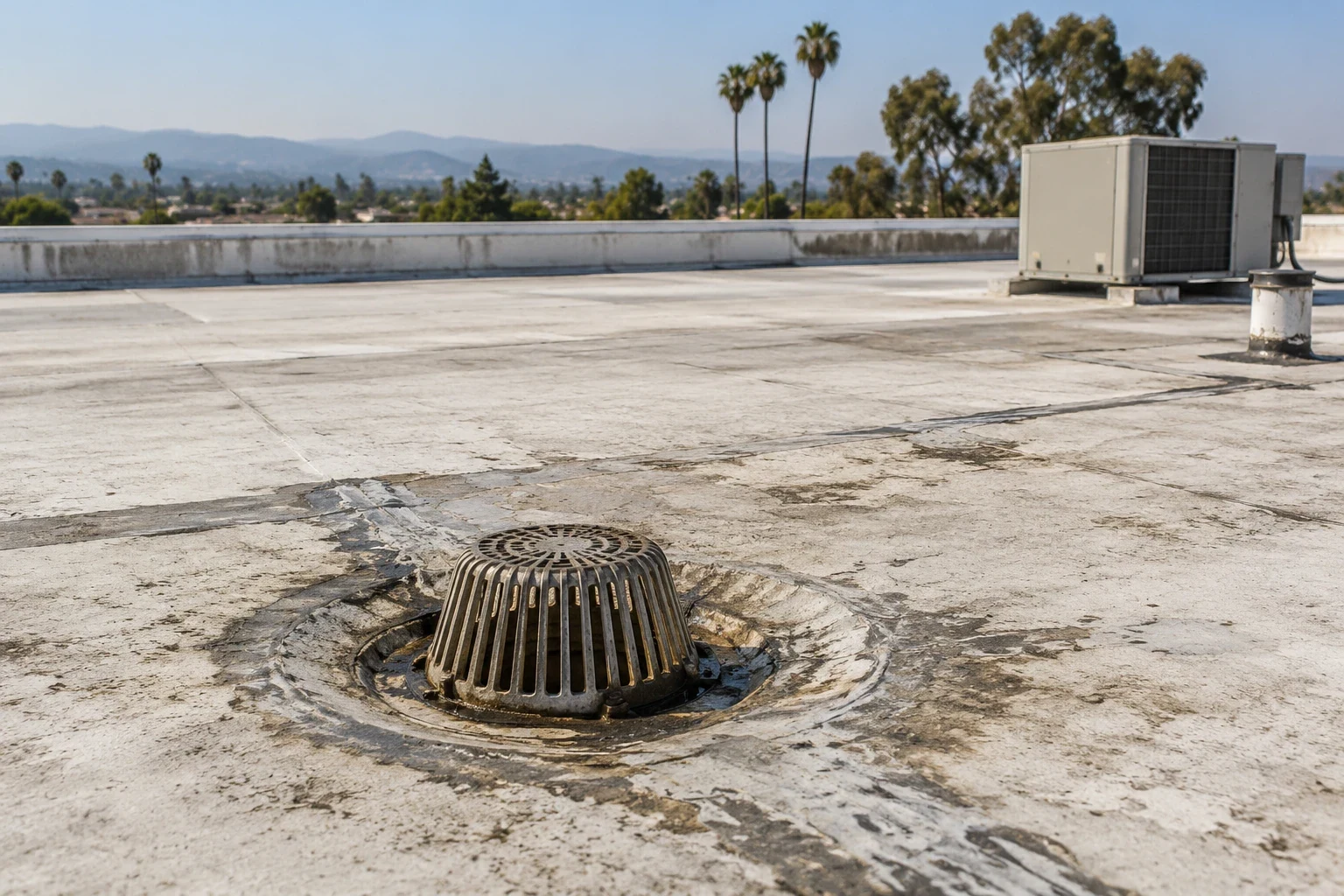
A recurring low area can change acrylic eligibility under the selected product’s requirements. We inspect accessible outlets, surface elevations and the relation of held water to roof details. The investigation distinguishes obstruction from geometry or support concerns because those findings lead to different construction responsibilities.
Include supported drainage modifications in the restoration comparison. Coating cannot lower an outlet, clear concealed plumbing or establish an adequate supporting member. Required qualified participation remains assigned before the application scope depends on those corrections being complete.
A measured roof arrangement also helps define the treatment at the outlet. The new finish must connect to the receiving material without obstructing discharge. We explain preparation and detail work at that junction separately from field coating, preserving a complete water-management scope rather than a general instruction to coat the whole surface.
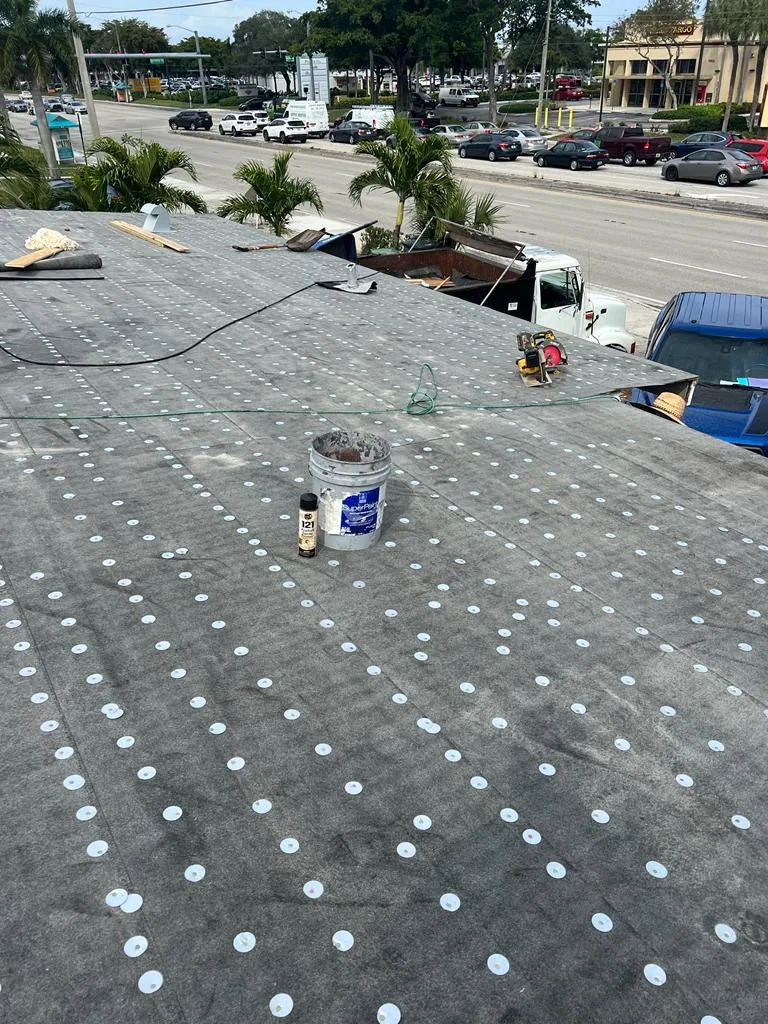
A lifted seam or damaged flashing needs its own assessment before field application. We locate the defect, determine whether the surrounding receiver is suitable and specify the compatible correction. Coating over a deficient connection can leave the underlying movement or attachment issue unresolved even when the surface looks continuous.
For modified bitumen receiving construction, identify the surface and appropriate preparation for the chosen acrylic product. Loose surfacing, incompatible treatment or deteriorated material can require removal. The needed repair method follows the assembly rather than a generic coating detail assigned to every sheet roof.
Moisture within insulation or another retained layer affects eligibility separately. An appropriate investigation supports retention and removal boundaries. We keep examined construction and provisional quantities distinct so the asset manager understands what further work could change the restoration amount before it becomes a construction commitment.
Acrylic application and curing require suitable conditions for the selected material. Surface moisture, temperature and the possibility of exposure before cure can affect whether work proceeds. We assess the actual receiver and operating conditions rather than use a regional climate description as permission to apply on a particular day.
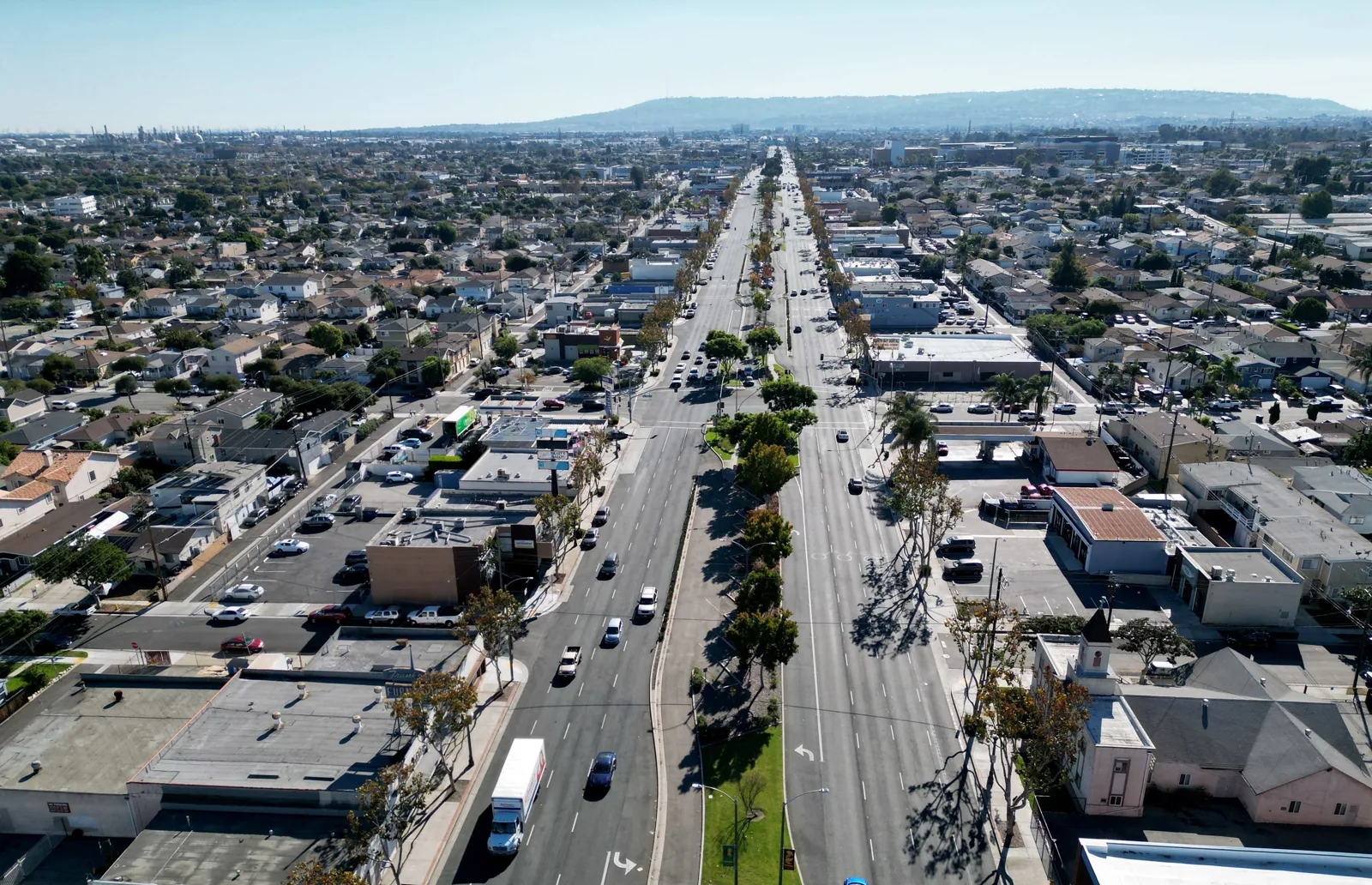
Del Amo Fashion Center establishes a current retail reference in Torrance. At a Hawthorne Boulevard Corridor, the authorized operator identifies customer routes, tenant hours and affected intakes. Retail identity does not establish access or the work periods available at the assigned premises.
Plan roof operations above active spaces with cleaning, protection and application limits described together. A permitted period that ends before the material is ready for exposure may require a changed sequence. Include repeated setup and access controls where they affect the construction effort.
Coverage and required film build follow product instructions and the actual receiver. Rough, repaired or highly textured surfaces can change material demand. We establish roof and detail quantities from the assigned construction rather than infer them from a building's floor area. Application allowances identify the preparation included beneath the finish.
Reinforcement at seams and junctions may be required by the selected assembly. Record its extent and material rather than assume all liquid-applied details use the same method. The field coat, reinforced treatment and upper flashing connection serve different parts of the completed roof and need compatible sequencing.
Required application checks describe their actual positions and coverage. Where a measurement indicates that the selected operation needs correction, document the completed adjustment before the next stage conceals it. The asset manager receives evidence of the installed arrangement instead of relying only on an even final color.
The changed equipment opening should remain identifiable after the acrylic finish is applied. Retain preparation and finished detail views, installed material information and responsibility for any equipment or support task. Separate that completed alteration from another area that received only coating renewal, so later review does not assume equivalent reconstruction across both.
Issued coating and roof document review retrieves applicable care, notice and alteration terms. Required requests and responses stay with the property file. A completed submission cannot establish issuer acceptance, and the coating choice cannot establish energy compliance without the actual applicable project review.
Care examines coating wear, drainage and surface damage under the installed product requirements. Equipment traffic may need suitable protection and defined access. When another allowance is considered, compare fresh located findings with this baseline and intervening work. The resulting recommendation explains the remaining suitable receiver and the correction needed for continued service.
An acrylic coating is only a candidate when the existing surface, drainage and project conditions can receive the selected system. Identify the substrate and prior coating, then clean and prepare a representative area for an adhesion check under product guidance. Mark locations where ponding, contamination, loose material or incompatible sealant may require separate correction before field application. Define the coating build, reinforcement at transitions and environmental limits in the scope. Record surface preparation and installed coverage rather than relying on a uniform color as proof of thickness. If test results or weather conditions fall outside the accepted basis, pause and resolve the issue before extending application across the roof.
Establish drainage condition and the selected product’s exposure requirements before accepting restoration. A low area can need outlet, slope or support work. We keep those corrections in the option and explain whether the resulting roof can receive the proposed acrylic assembly.
Different existing roofing, earlier treatment or surface texture can change cleaning, priming and repair requirements. Assess those receiving areas separately. A suitable adhesion result on one prepared section does not establish eligibility over another materially different surface.
Equipment activity, access restrictions and allowed hours can affect cleaning, protective controls and the time available for curing. We coordinate the sequence with the actual operator and product requirements. An installation period must support the complete operation, including suitable exposure conditions after application.
Color alone establishes neither result. Review applicable energy requirements for the actual project and selected assembly, including the accepted compliance approach. Any utility forecast needs its own supported building analysis; the roof scope should explain construction rather than promise a general savings outcome.