Roof Damage Repair

Separate Torrance fire-related roof assessment from safety clearance, then document supported removal, receiving work and related trade responsibilities.
A restoration coordinator preparing a Torrance roof allowance after a fire needs to know which examination is authorized and what it can establish. A roofing visit does not supply clearance for an unsafe structure or affected electrical equipment. Those responsibilities must be resolved by the appropriate parties before closer access depends on them.
Commercial Roofing Torrance documents accessible roof findings under the accepted arrangement. We connect the observed condition with supported correction quantities and the construction questions still open. The owner receives a roofing scope that remains distinct from structural, service and interior acceptance.
A property near Del Amo Fashion Center retains its own assembly and incident account. Nearby retail identity cannot establish damage extent or permission to reopen the affected premises.
Identify the owner or facility contact coordinating the affected area. Establish the applicable restrictions and the qualified reviews required before roof examination proceeds. The incident response and property authorities may have conditions that a roofing estimate does not replace.
Supporting construction and damaged services need appropriately qualified evaluation. Do not ask staff to cross uncertain material or move affected equipment for inspection photographs. Safe authorized observations can help locate a concern without granting closer access.
Commercial roof assessment states the areas examined and the limits imposed by the access arrangement. An excluded section remains an information limit. Do not describe it as sound or assign a complete repair quantity from a distant overview.
Retain available incident information separately from the dated roof observations. Another party's account may guide examination without becoming a directly observed roofing fact.
The survey file should identify which further review belongs to roofing and which requires a different qualified responsibility.
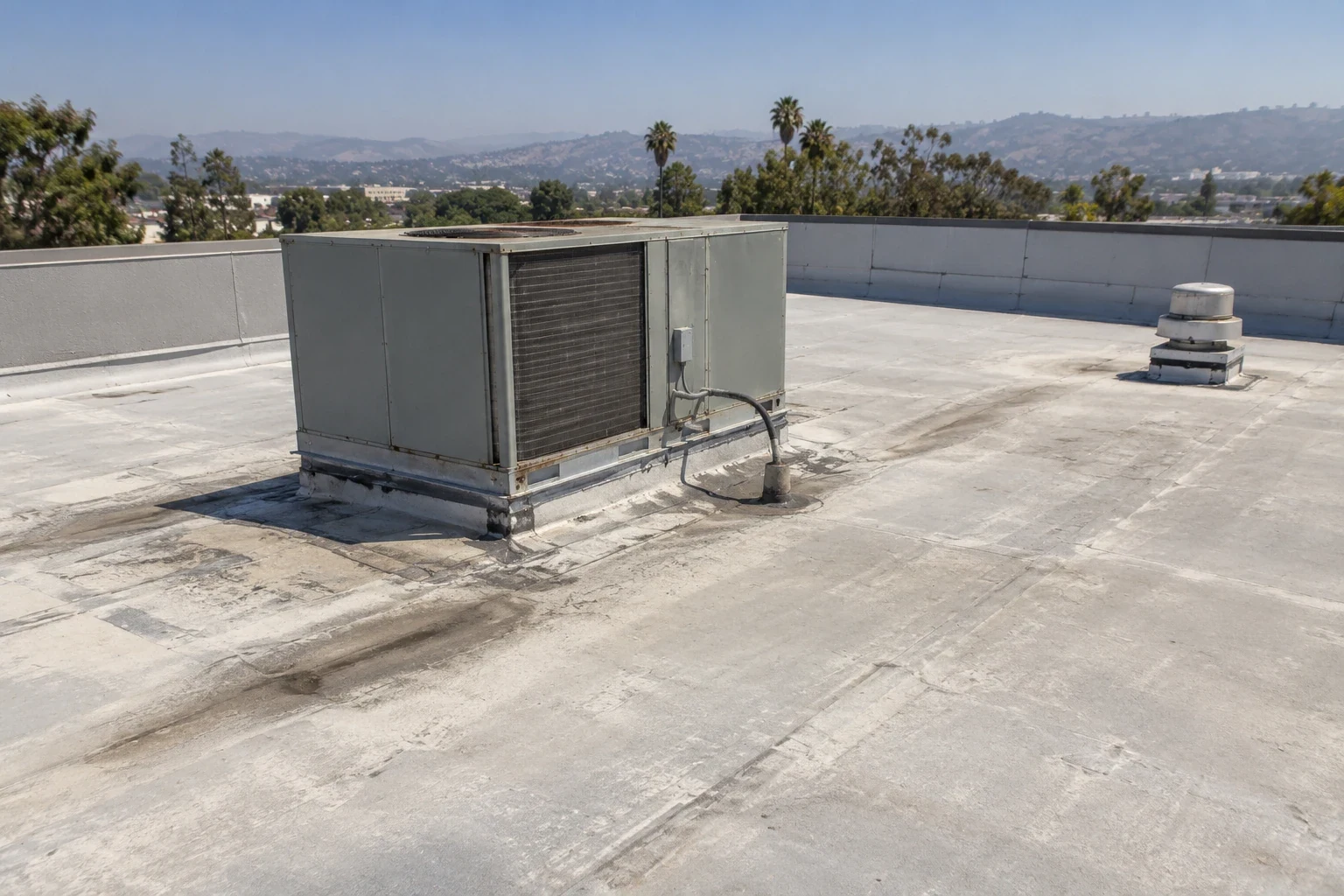
Locate accessible changes against recognizable roof references. Photograph the affected material and surrounding construction. Record prior repairs where visible without inventing their dates or assuming every mark was created by the incident.
Surface appearance alone does not establish the condition of concealed insulation, attachment or support. Select suitable investigation for the question that changes the roofing recommendation. An opening needs an authorized method and protection arrangement.
Interpreted infrared roof investigation has coverage and confirmation limits. Patterns require appropriate interpretation; they are not direct proof of every hidden material's condition. Samples support their examined positions.
Removal beyond the confirmed area needs evidence appropriate to the proposed extent. State an uncertain quantity separately and identify how it will be measured and approved if exposed during authorized work.
A defensible scope distinguishes the observed roof condition, the supported construction response and the investigation needed before a wider decision. An incident description alone does not select roof-wide replacement.
Define the roofing material to remove, preparation and the base required for the new connection. If supporting work must be completed first, assign that task and its acceptance to the responsible party. Roofing should not imply structural approval through a general preparation allowance.
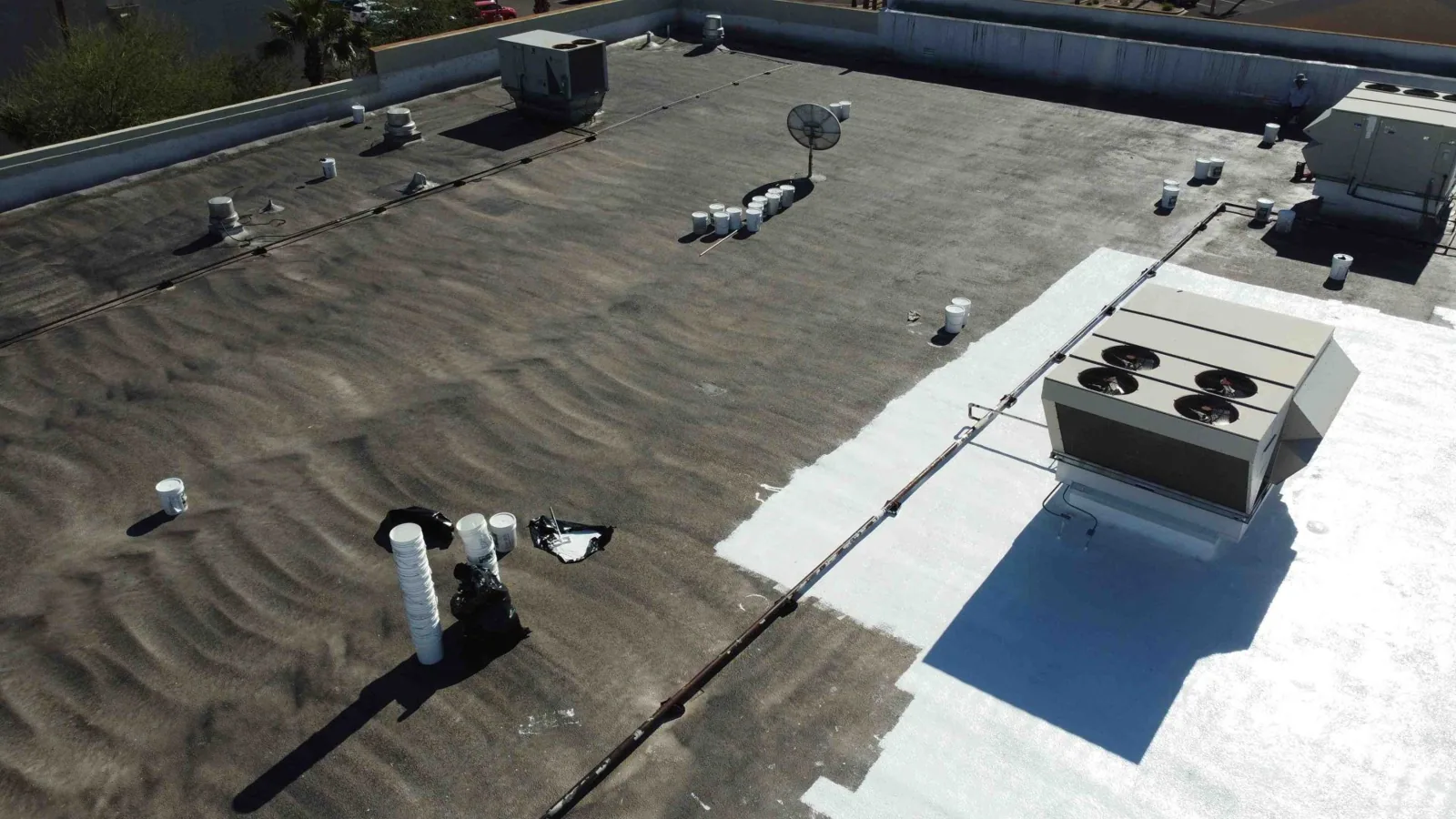
Commercial roof replacement planning connects selected assembly, receiving construction and adjoining details. Changed heights can affect drains, edges and equipment relationships. Include the adjustments necessary for the intended finish.
For a limited correction, establish a suitable surrounding boundary. Explain the physical finding if local work is inappropriate. A larger construction amount should reveal the additional task rather than hide it inside one material price.
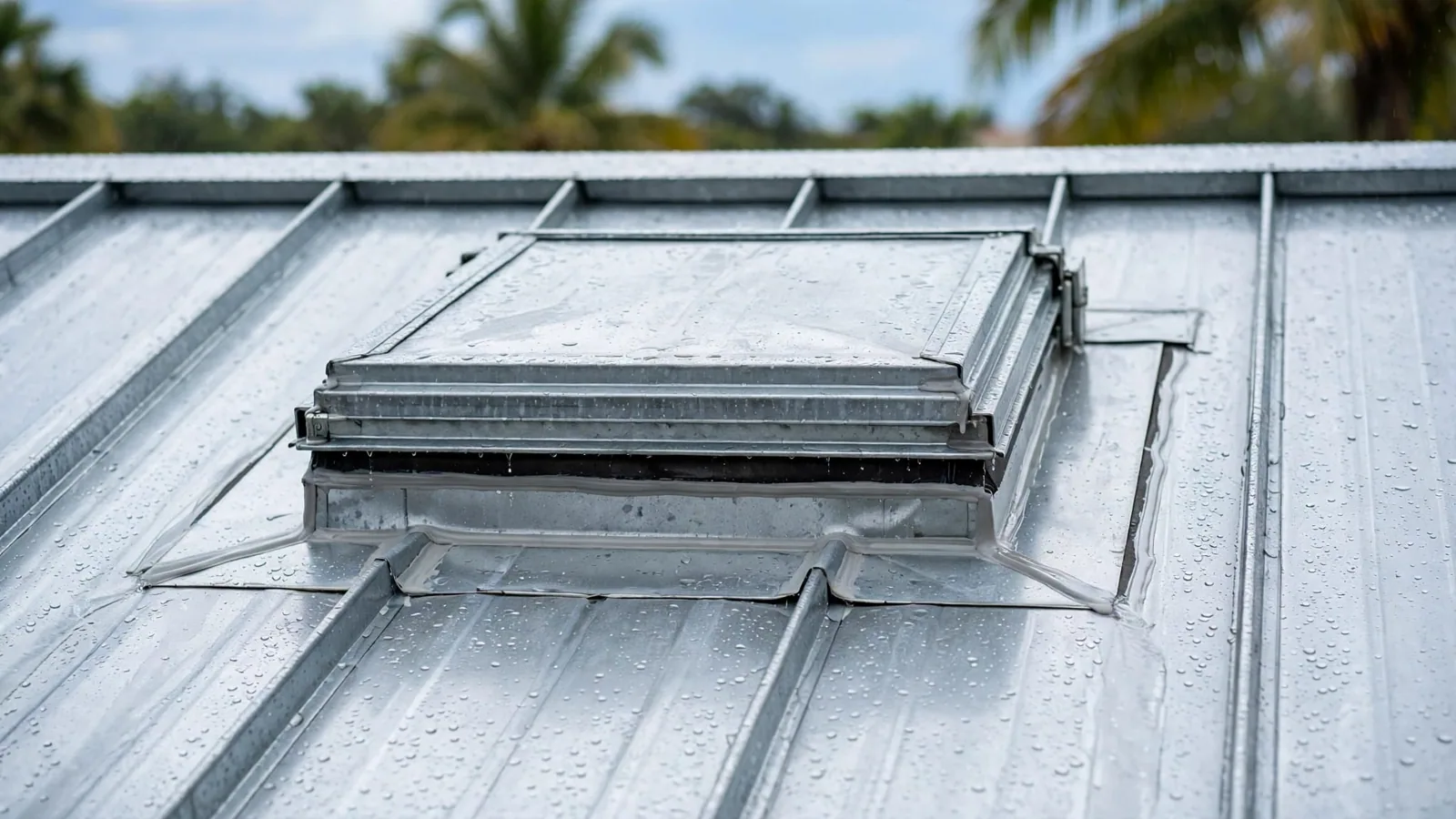
Roof flashing reconstruction may involve adjoining wall or equipment work. Identify the handoff and the party responsible for the receiving detail. Roofing cannot complete a junction around unresolved construction merely because the new field material is available.
Temporary protection has a separate method, purpose and limit. Its acceptance does not establish that a permanent assembly or another trade's work is complete.
Explain any rejected repair option in the same record. The owner needs to see which receiving condition prevents it and whether additional investigation could answer an unresolved question. That makes the broader recommendation reviewable.
Insurance restoration roofing coordination supplies construction observations and scope information. Insurer review, policy interpretation and claim settlement remain with the applicable parties. The roofing recommendation does not promise payment.
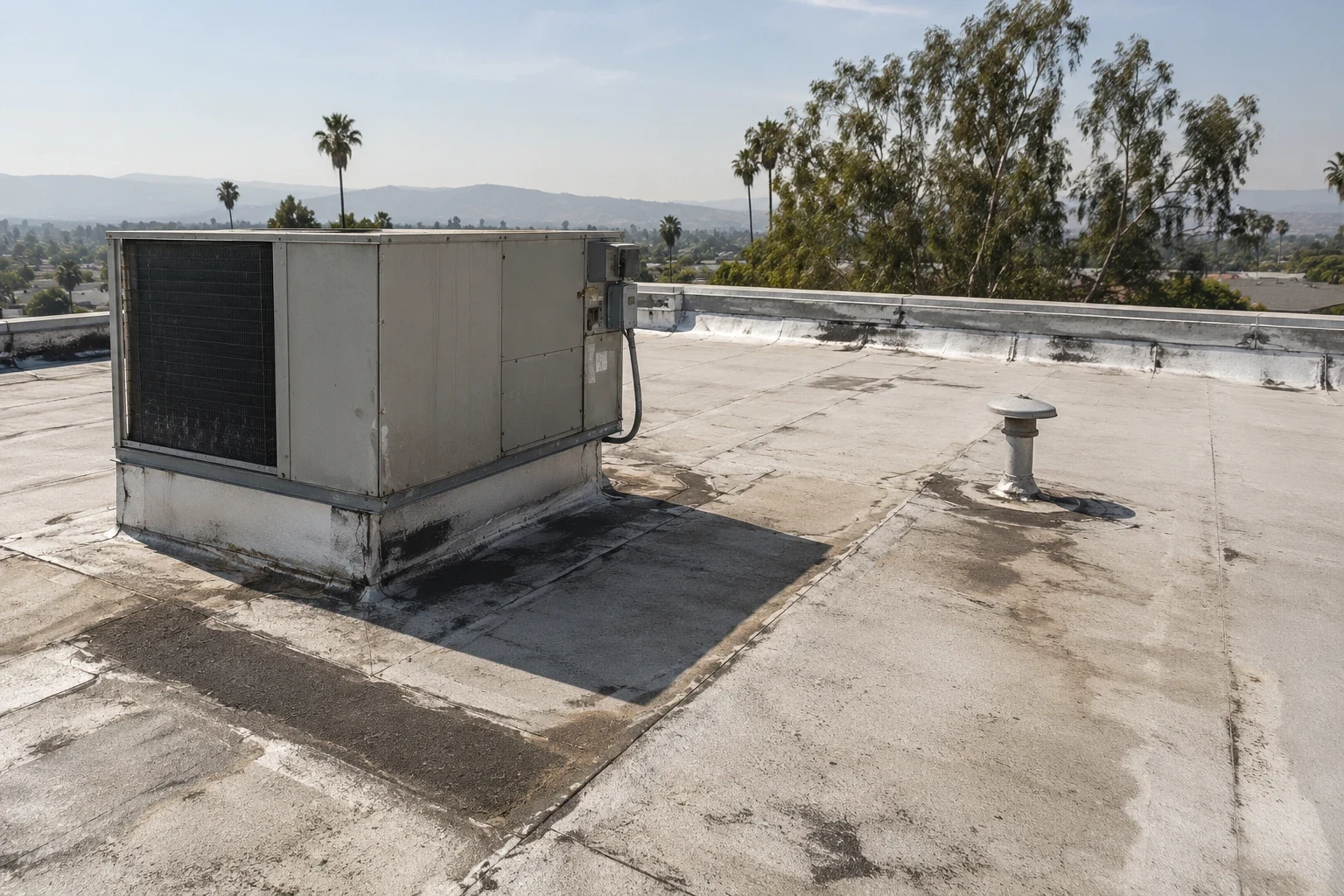
Qualified mechanical, electrical and support trades establish their tasks where equipment is involved. The responsible facility participant releases equipment services and the affected work area under its actual safety requirements. Confirm movement, receiving heights and reconnection before the roof detail depends on them.
General contractor coordination connects these responsibilities with removal, rebuilding and interior work. The sequence should show which accepted task makes the next activity possible. A broad restoration schedule does not establish permission to restart every service.
Interior acceptance, equipment commissioning and roofing completion need their own responsible sign-offs. Retain the division in the closeout package rather than asking one final photograph to represent all three.
The owner should understand who decides readiness at each handoff.
The Torrance adoption record identifies 2025 California code editions replacing the 2022 basis with local amendments. Determine actual jurisdiction, accepted application basis and alteration scope. The applicable authority and qualified parties establish the required project reviews.
Energy provisions need the work and available compliance approaches or exceptions evaluated. A selected roof color or incident label is not a complete compliance statement. Connect assembly requirements with the receiving reconstruction.
For a building within the Hawthorne Boulevard Corridor, confirm the actual operator, work perimeter and handling restrictions. The landmark supplies orientation without proving incident extent or ownership of affected contents.
At a property near Torrance Industrial Area, locate the rebuilding boundary against actual equipment connections and accessible roof levels. Compare supporting construction with available records and retain its required examination before the chosen assembly depends on it.
Reconstruction proceeds once the receiving surface and application conditions meet the selected material requirements; a planned date cannot settle that readiness. An administrative target date cannot authorize installation on unsuitable construction.
Roof condition reporting retains located findings and the physical basis for the selected work. Add preparation images before later layers conceal them, installed products and approved quantity changes.
Keep completed roofing distinguishable from temporary protection, deferred work and remaining investigation. Assign the unresolved items to the parties who will act on them. Identify the completed roof task during the final walk, while retaining other required clearances with their designated authorities.
A later water occurrence needs a new account and examination of the supported mechanism. Compare it with completed construction and intervening work. The earlier survey file supplies useful comparison, not a permanent explanation for every later report.
A local membrane-opening repair may suit a separately assessed defect. It does not settle the support, concealed-layer or reconstruction questions elsewhere in the released area.
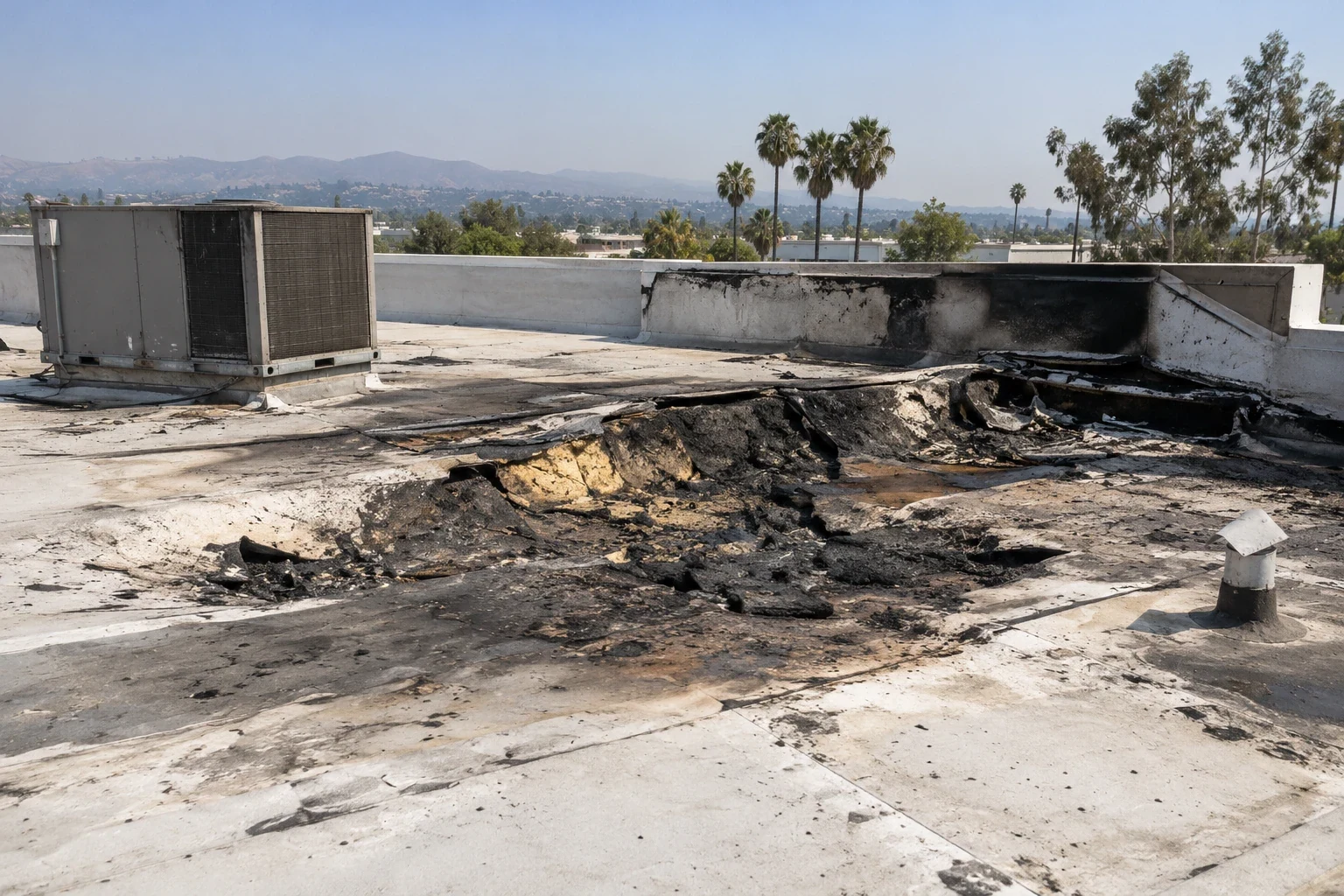
After a fire, coordinate the roofing review with the authority controlling site entry and the building's recovery plan. Identify areas affected by heat, smoke, water used for suppression and debris, but keep those observations distinct from confirmed damage beneath the membrane. Protect exposed openings only within the approved stabilization scope. Before pricing replacement, establish whether the deck, insulation, attachment and adjoining flashing can be retained; document any required sampling and who will authorize it. The closeout should identify the repaired boundary, materials installed, concealed conditions encountered and outstanding work, allowing the owner to reconcile roof restoration with other trades.
No. Confirm the applicable authorities and appropriately qualified structural or service reviews before the assessment depends on access.
Visible condition identifies areas to assess. Concealed extent needs appropriate investigation and a documented quantity basis.
The applicable authority and responsible facility or qualified parties, according to the actual restrictions. Roofing completion alone does not decide that approval.
Supported roofing, receiving reconstruction and separate trade responsibilities, with conditional quantities and temporary work clearly identified.