Roof Systems

Assess spray polyurethane foam roofing in Torrance with substrate preparation, application controls, coating requirements and repair boundaries.
An issued warranty question about spray polyurethane foam roofing in Torrance, CA needs the affected coating and foam identified separately. The waterproofing surface, underlying foam and retained roof can require different work. Commercial Roofing Torrance locates accessible concerns, reviews actual assembly information and explains which preparation or investigation the asset manager needs before treating surface renewal as a complete roof correction.
Del Amo Fashion Center provides a current retail identity for identifying the surrounding property discussion. Retail orientation cannot determine the foam thickness or coating at the subject building. We establish those installed details through the assignment, available records and an appropriate roof examination.
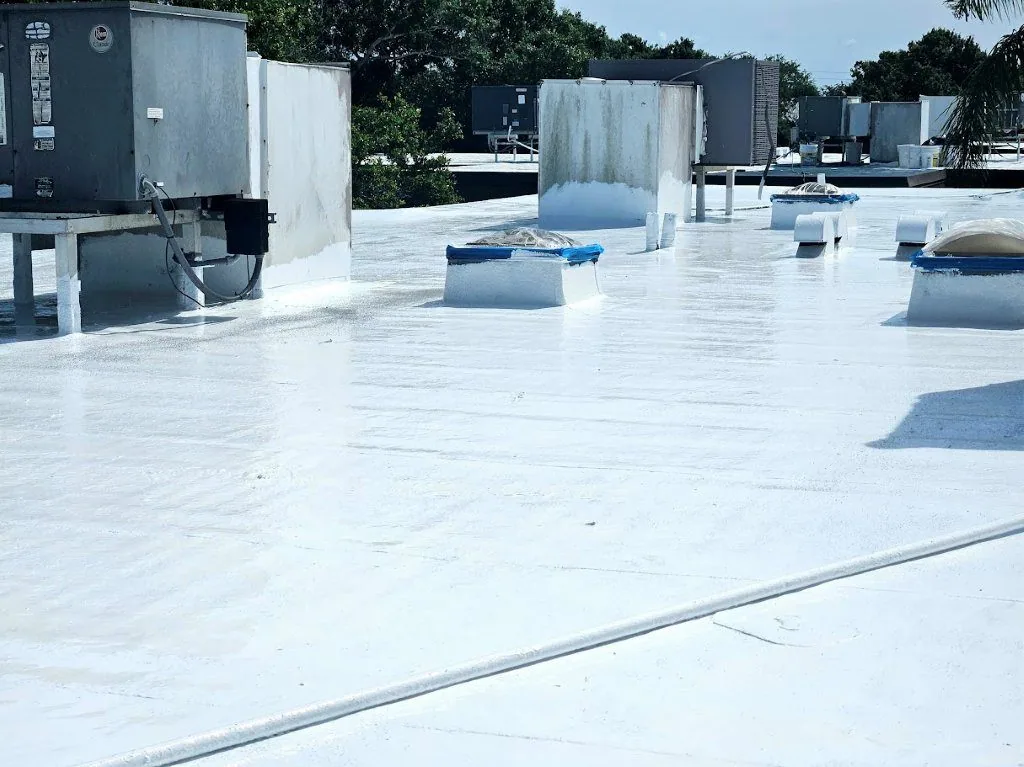
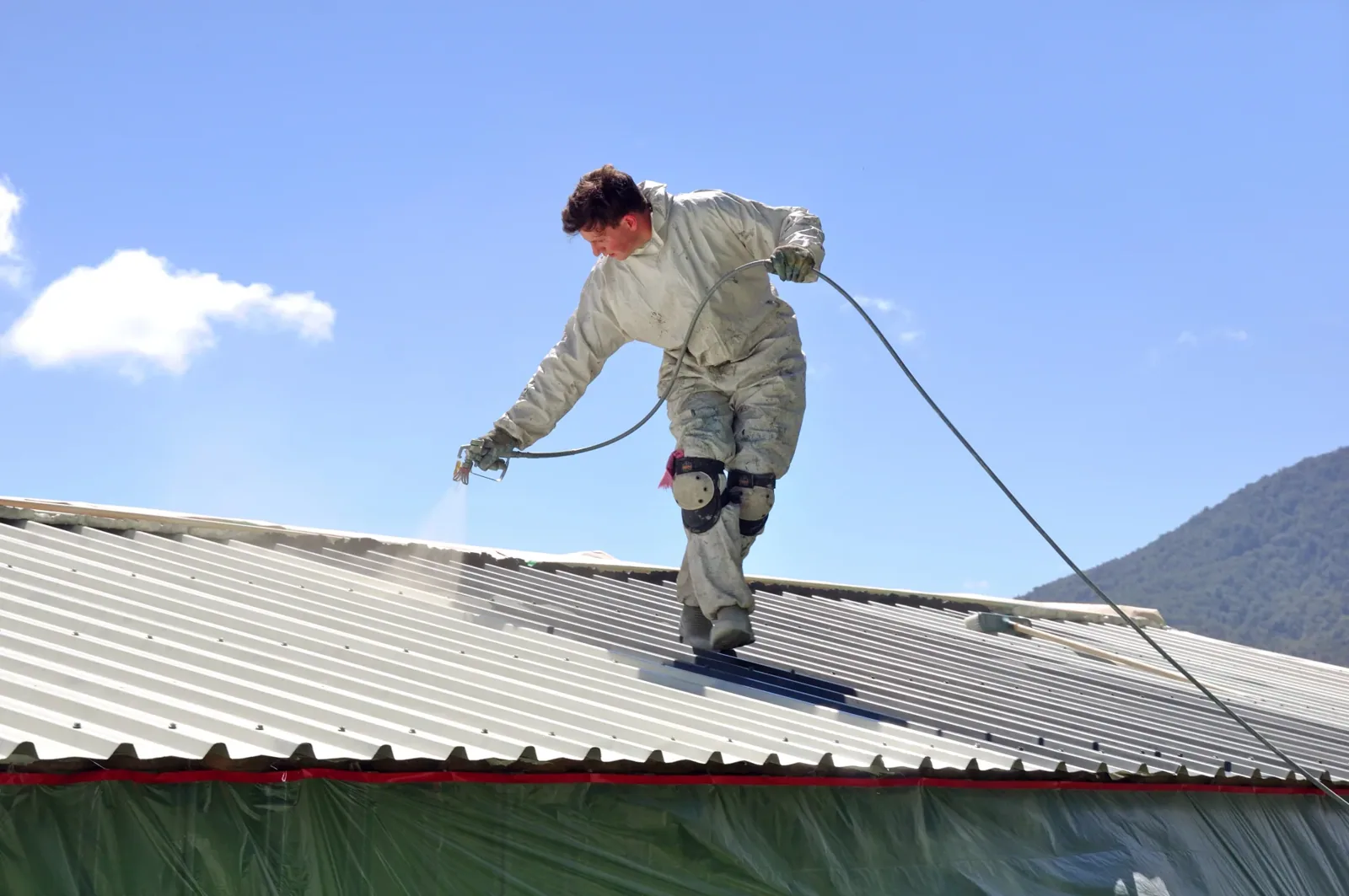
Spray polyurethane foam is applied in place and receives an appropriate protective roofing coating. The assembly relies on suitable receiving conditions, correctly applied foam and the specified coating arrangement. We obtain available installation information and examine surface texture, coating condition and accessible details before recommending another layer.
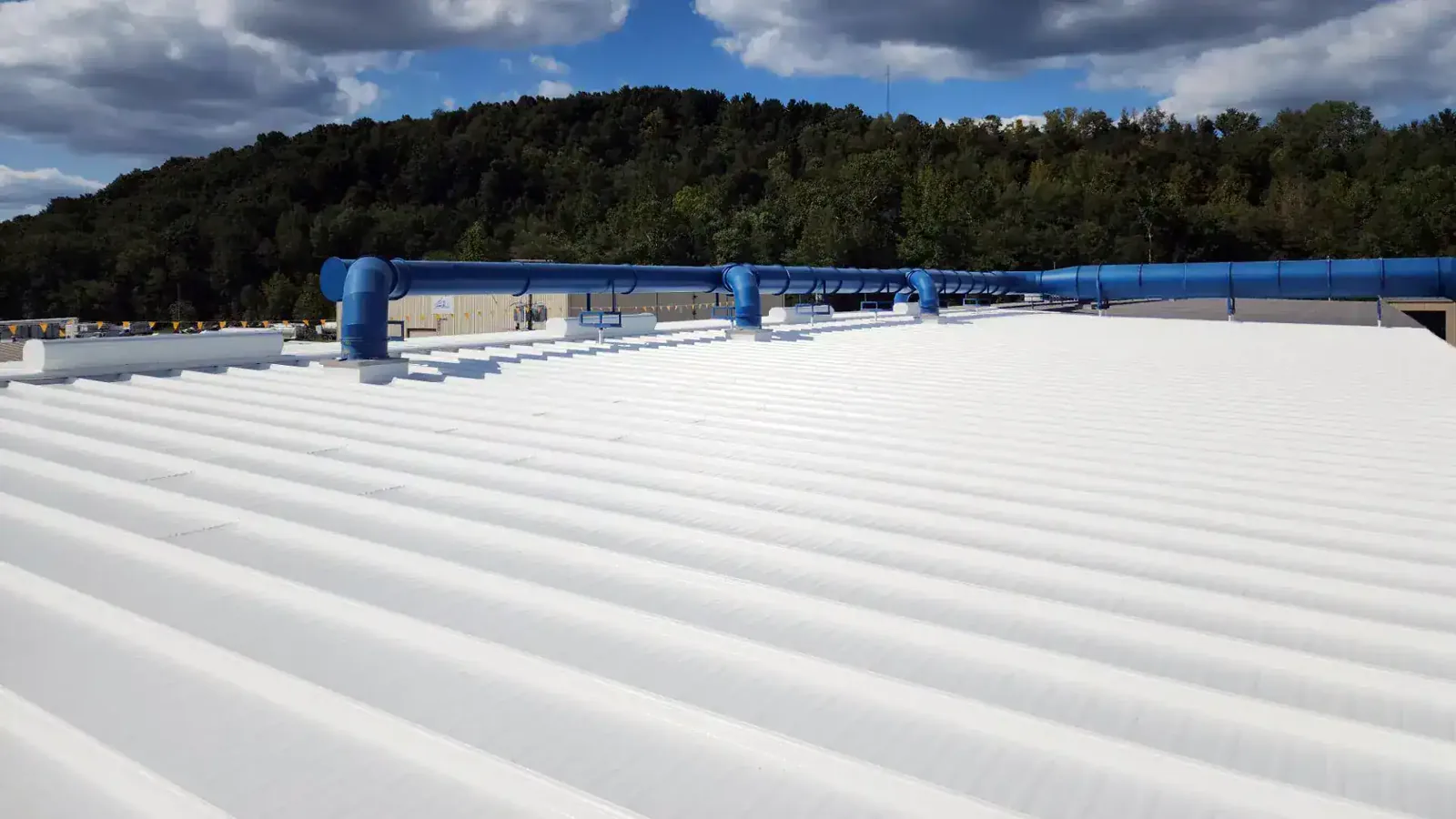
A comparison between silicone protective coating and acrylic protective coating must address the particular foam assembly and product requirements. These materials have different application, curing and exposure considerations. One cannot replace another merely because both are liquid-applied finishes.
Surface thickness is not established by appearance. Appropriate authorized measurements can help answer a defined question, with the position and closing method recorded. The report distinguishes observed coating condition from foam or retained-substrate conclusions that need additional evidence.
A cut in the coating can expose foam to deterioration. We photograph the actual opening, affected foam and adjoining surface, then determine the preparation needed to reach suitable material. A small visible cut can have a different repair boundary from a broad area where coating attachment or foam condition is unsuitable.
With foam roof condition examination, equipment service routes and earlier repairs receive attention because they can change the surface. Reported room locations and timing help direct further investigation without proving the entry point on their own. Another enclosure or equipment task remains separately assigned where the findings support it.
Moisture within the retained assembly needs appropriate assessment before recoating or adding foam. The scope records confirmed removal and pending examination. Covering compromised receiving material can conceal the unresolved condition, so the decision should establish what remains sound rather than rely on the appearance of the new coating.
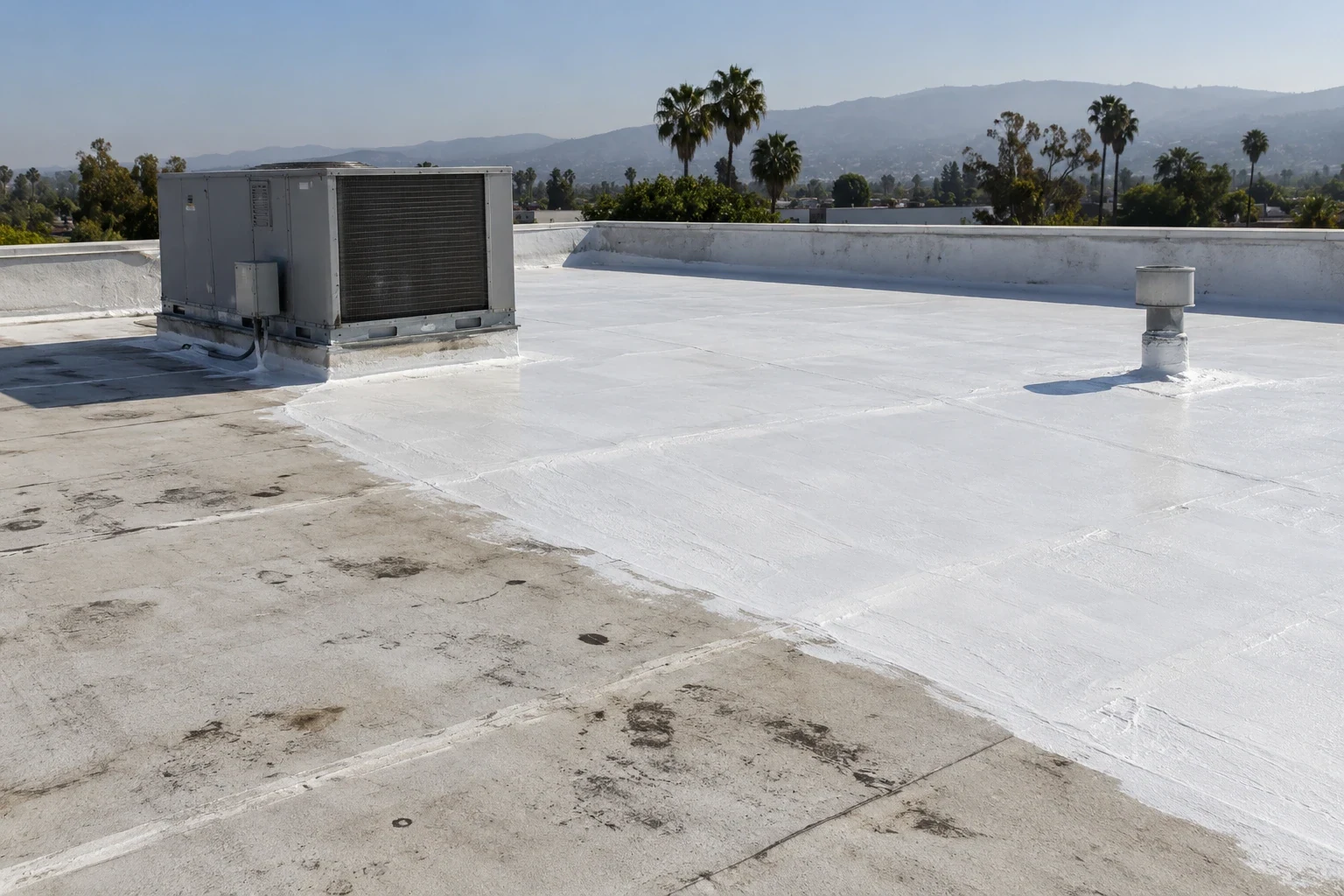
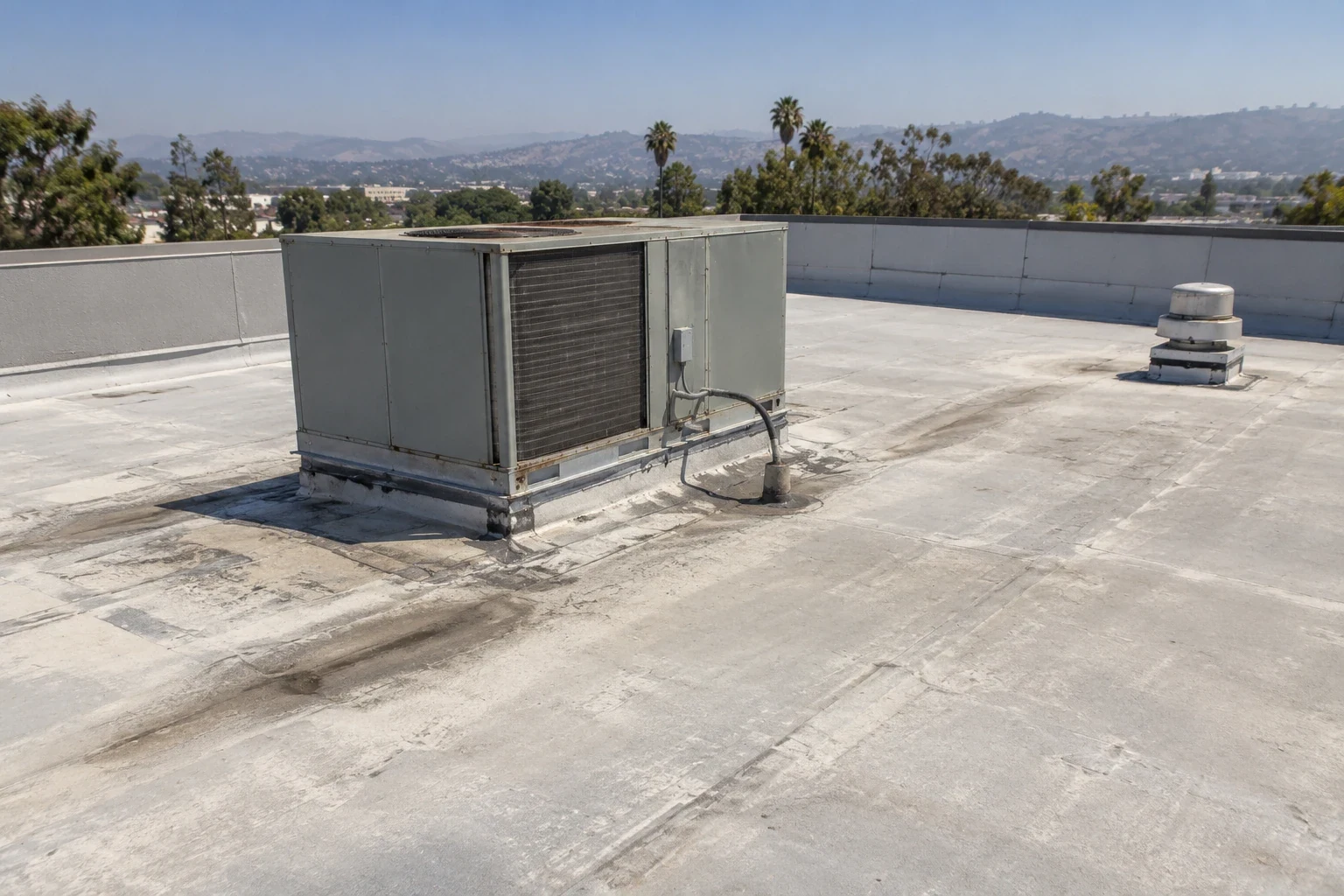
Dirt, incompatible treatment and unsuitable old roofing can interfere with adhesion. Preparation depends on the receiving assembly and selected products. We establish cleaning, removal and any required priming from the actual surface assessment, then identify checks needed before application. A preliminary budget must retain these tasks even where the finished foam will hide them.
The condition of supporting insulation and receiving layers affects retention. Deck or support questions need appropriate qualified participation before the new assembly relies on them. Foam is not a substitute for correcting an inadequate structural member or leaving damaged construction beneath a smooth new surface.
Drainage geometry also requires measurement. Foam can be used within a designed arrangement, but a proposed slope change needs the actual elevations, thickness and outlet relationship resolved. The scope should explain the complete drainage work instead of assume spray application will correct every low area.
Spray work needs suitable environmental and receiving conditions for the selected material. Wind, surface moisture and temperature can affect application or surrounding protection. We evaluate those conditions at the operation and define the limits for proceeding. A general South Bay climate description cannot establish that the surface is ready on a particular day.
Torrance Commerce Center has a dated industrial-development account. For Torrance Industrial Area, the subject property's operator identifies vehicles, receiving traffic, air intakes and sensitive adjoining areas. The historical project identity does not supply present operations or permission to expose surrounding property to overspray.
Application controls can include barriers, restricted work areas and sequencing around nearby activity. Their scope belongs with staging and handling. The allowed operation must be established before material arrives, because unsuitable exposure conditions or insufficient protection can interrupt the planned daily construction.
A foam field meets other construction at drains, curbs, walls and perimeter metal. Each junction requires an identified compatible detail, including the protective coating and termination. We measure the installed geometry and separate roofing from any equipment or plumbing task needed to complete the transition.
Ponding that remains after application needs assessment rather than a thicker coating allowance by default. Outlet obstruction, receiving slope and supporting deflection are different questions. A selected protective coating may tolerate particular exposure under its product requirements while the drainage problem still requires its own correction.
Foam repairs should reach suitable material and receive the specified finish. The report identifies where removal ends and how the repaired area connects to the adjoining assembly. This gives the asset manager a construction boundary to review instead of a general instruction to patch all visible blemishes.
The foam and coating installation needs its specified application checks and finished inspection. Retain useful receiving-condition references, material information, thickness assessment where performed and finished detail photographs. Explain each check by its coverage so the closeout package distinguishes established application evidence from an unexamined concealed condition.
Foam assembly warranty coordination follows actual issued care, alteration and notice terms. Recoating or a repair may need an issuer review, but submitting the information does not establish acceptance. Keep the response and pending responsibilities visible before another change relies on them.
Maintenance identifies coating wear, exposed foam, outlets and equipment access damage. A future coating interval should follow condition and applicable instructions rather than an invented universal schedule. The asset manager receives the next useful examination and care tasks, keeping continued service connected to the installed system.
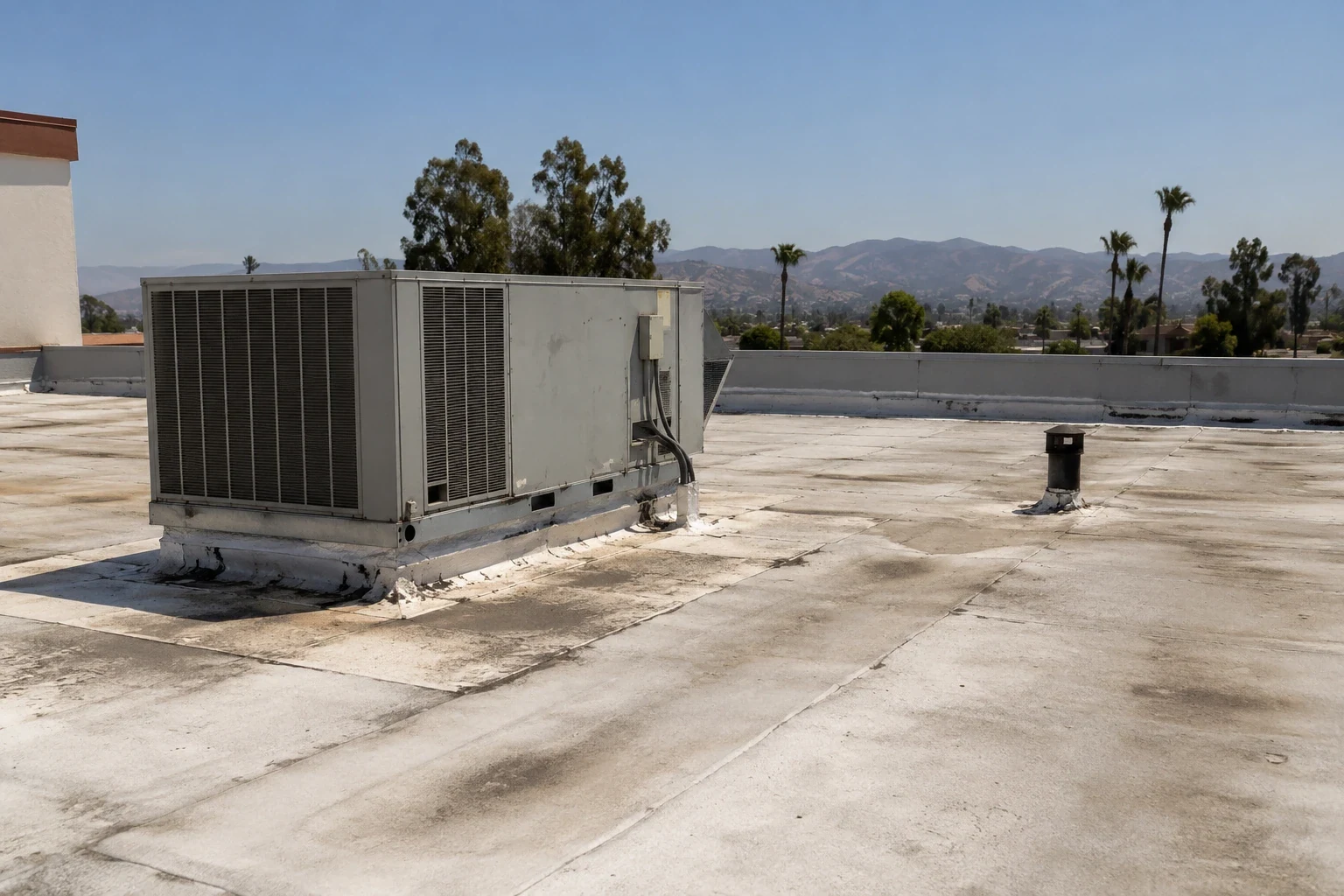
A foam assembly should be evaluated as a layered system: protective coating, underlying foam, retained roof and any substrate that supports them. Map blisters, cracks, erosion and prior patches, then distinguish coating renewal from foam replacement or deck work. Probe only where authorized and record the limits of each test; a surface scan alone cannot establish the condition below. Define the preparation boundary and how exposed foam will be protected before recoating starts. At drains and curbs, show the reinforcement and termination detail separately from field thickness. The closeout should include repaired zones, measured application where required and any area excluded pending further investigation.
Assess the foam beneath affected coating before selecting renewal. Deteriorated or wet material may need removal and compatible reconstruction. We establish receiving suitability and the repair boundary so the new finish does not conceal a condition that still needs correction.
A drainage improvement requires measured elevations, selected thickness and a workable outlet detail. Foam placement alone does not establish those relationships. We identify the correction and any required design or support input before describing the completed slope arrangement.
Obtain actual vehicle routes and parking restrictions from the operator. Spray exposure controls must protect surrounding property under suitable conditions. Permitted work periods, barriers and staged areas can limit the portion applied at one time and belong in the construction allowance.
Compare current coating and foam findings with installed material information and previous treatment. Confirm adhesion, preparation and product compatibility for the proposed operation. Keep necessary repairs and issued care or alteration requirements with the decision rather than assigning renewal from surface color alone.