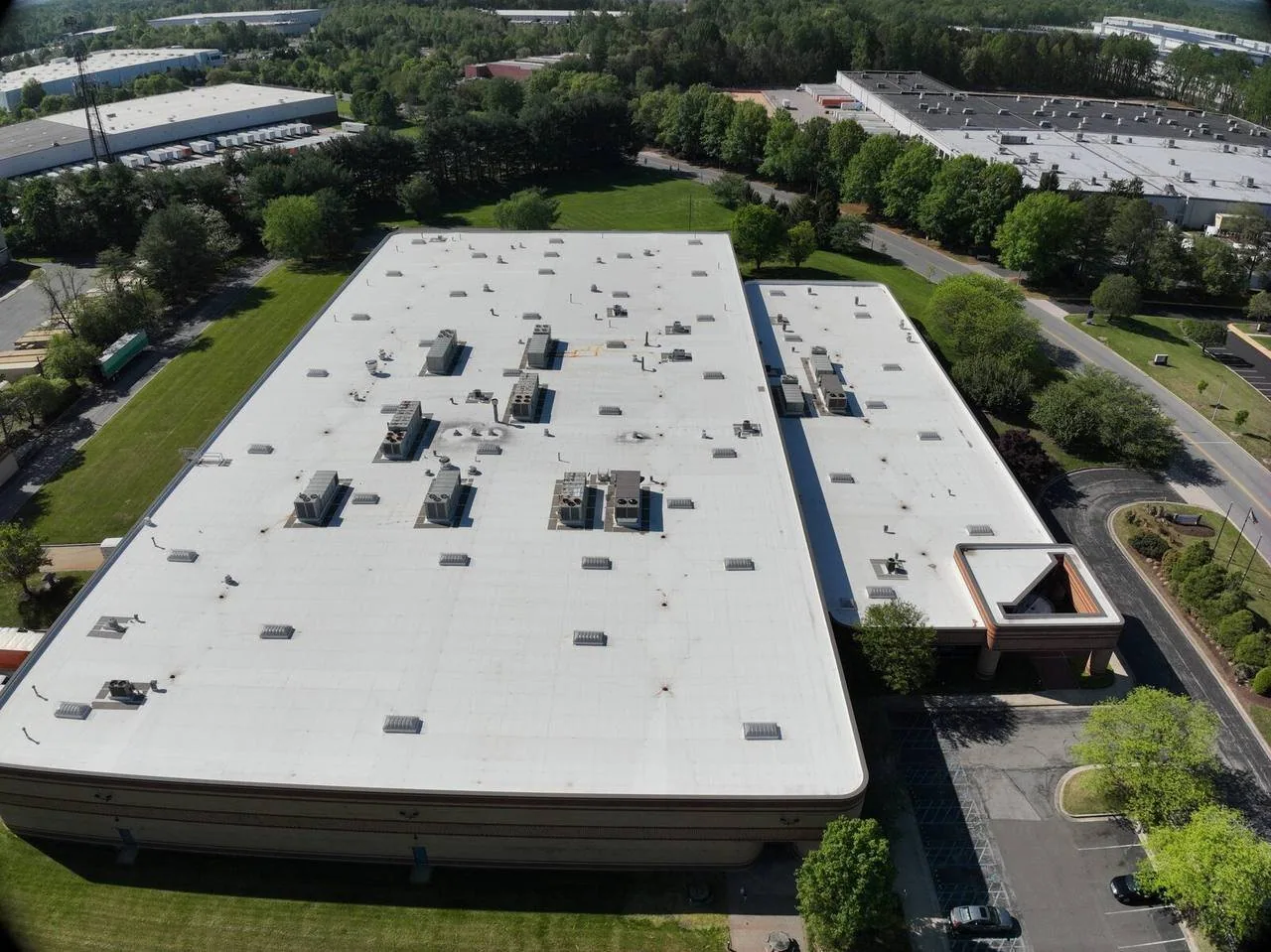
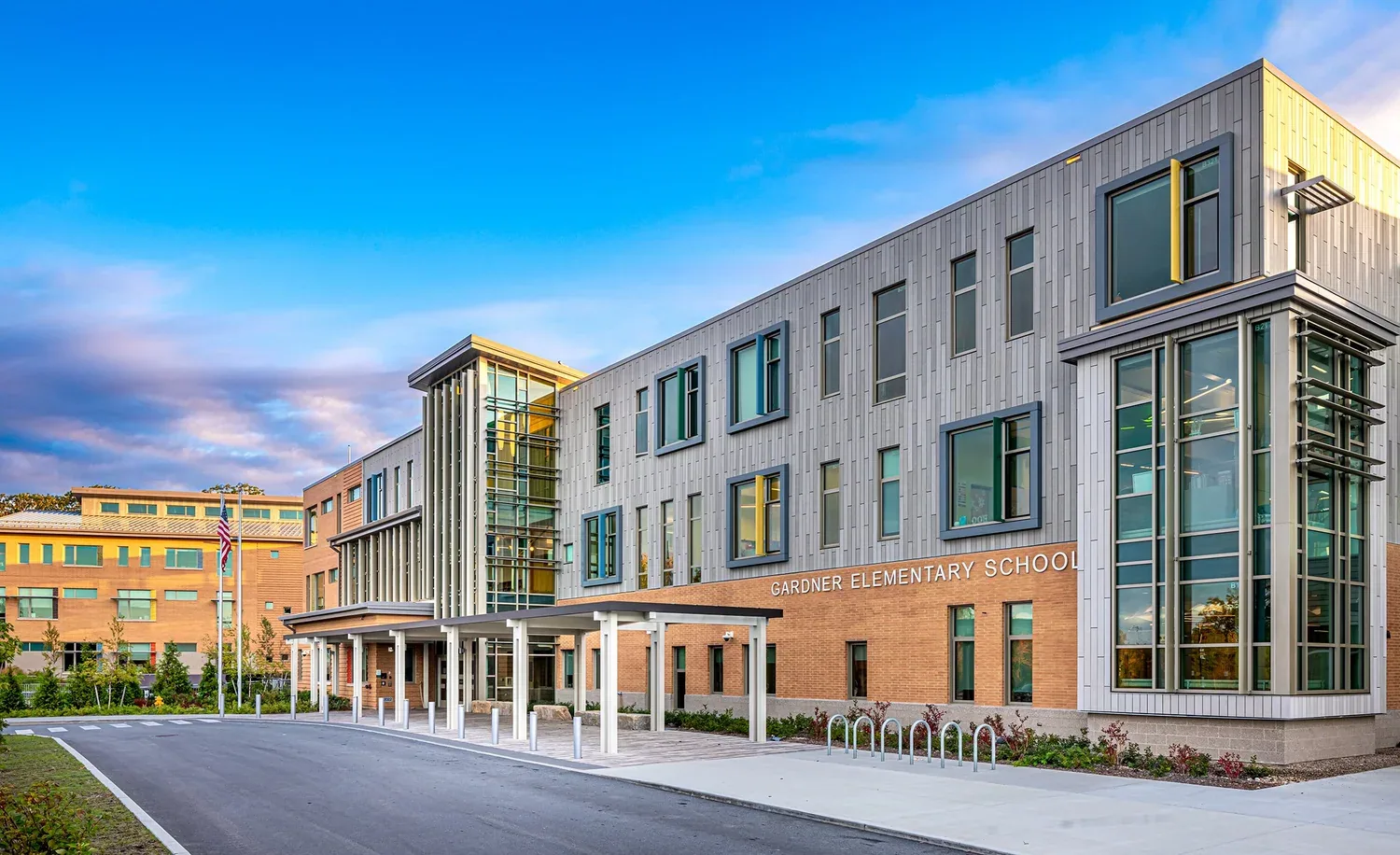
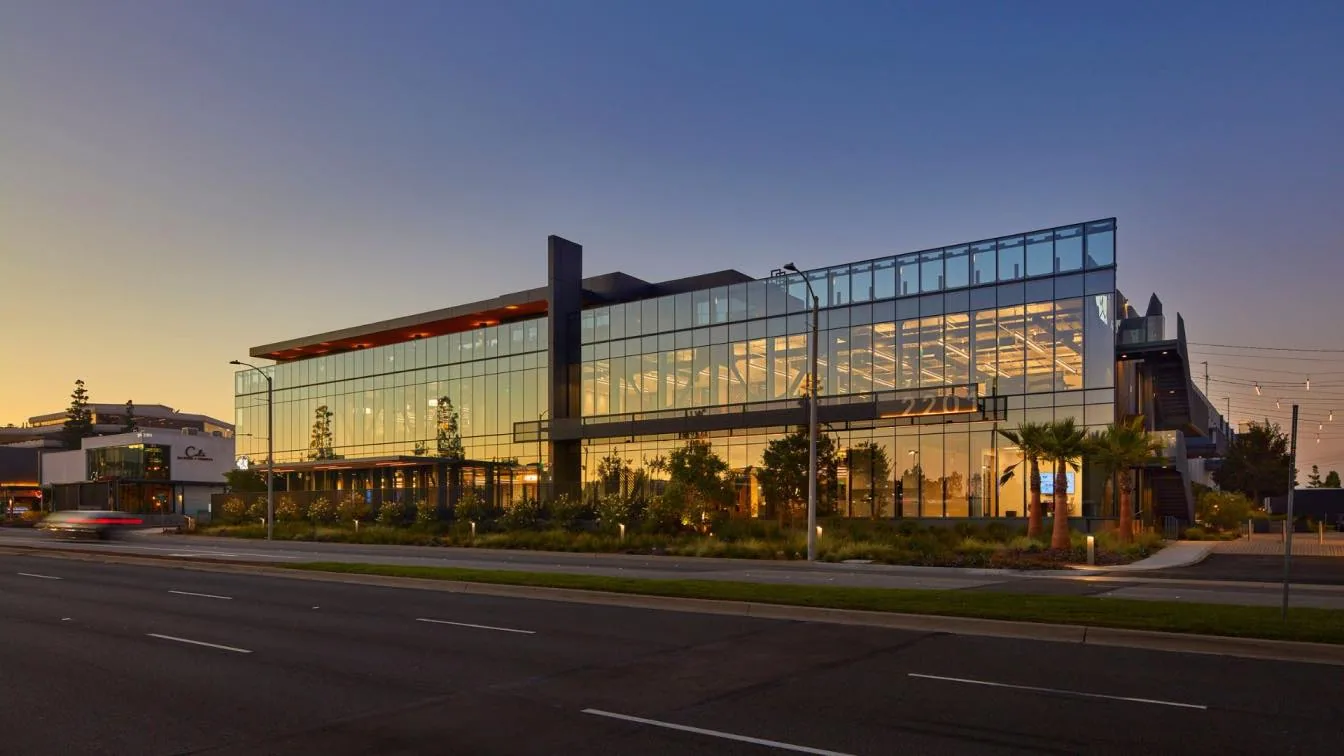
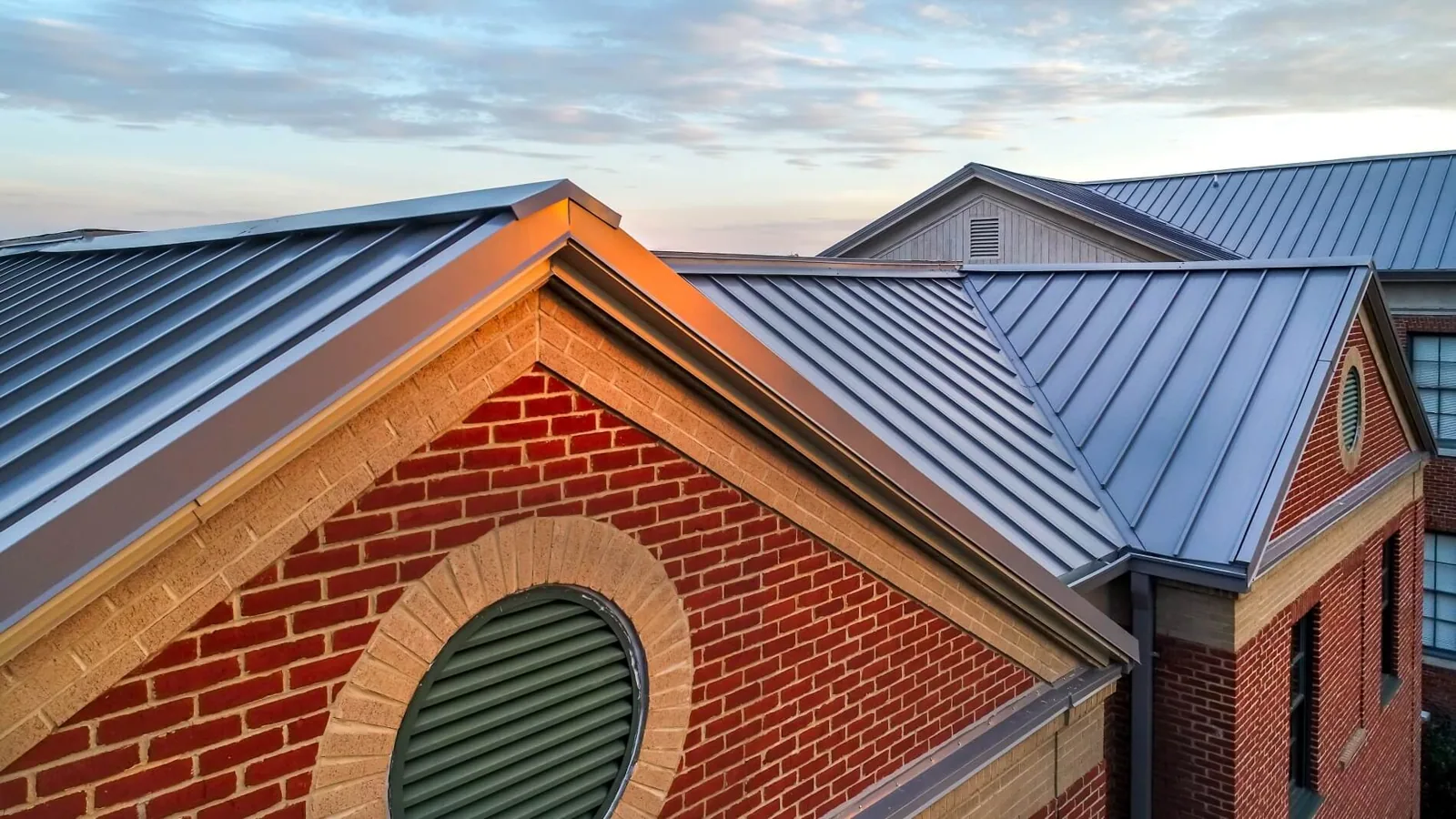
Property Types We Roof

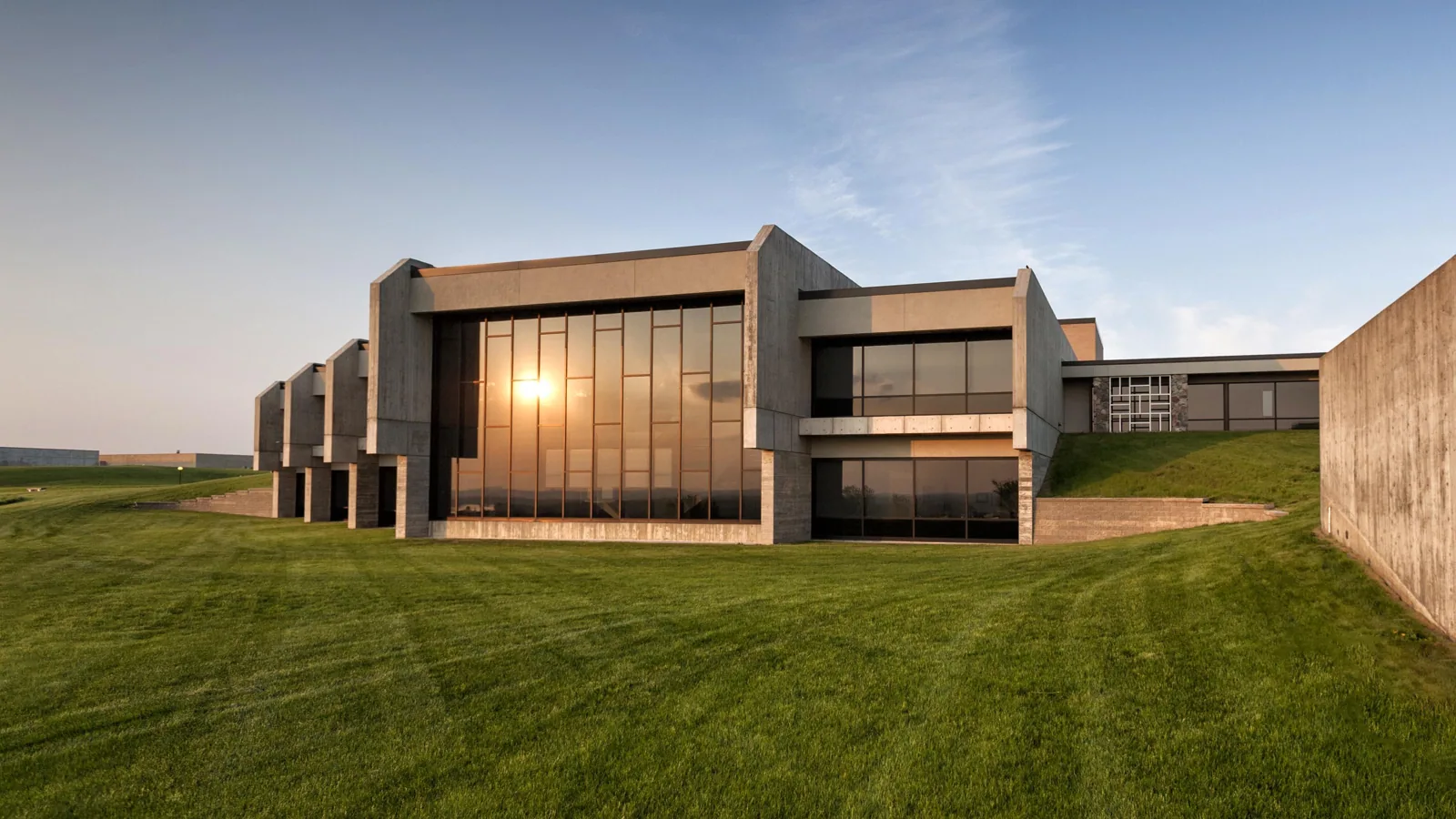
Assess Torrance college roofing with measured connections, department access and phased construction. Get a clear baseline for campus roof investment decisions.
A college capital request for roof renewal needs an examined building portion and an operating sequence suitable for the departments beneath it. Commercial Roofing Torrance prepares college and university roofing scopes in Torrance, CA by connecting construction findings with access, equipment and approval responsibilities. We separate measured replacement tasks from investigations still needed before the institution commits to a wider assembly.
El Camino College lists its contact address on Crenshaw Boulevard. Torrance Unified School District maintains its own school directory and administration. These educational identities help locate an assignment while the responsible college representative supplies the actual building, department and review route. A campus roofing decision begins with those particulars, including the services or rooms requiring uninterrupted protection.
A department request may describe a laboratory, library or classroom wing, but the roofing survey needs the actual roof levels and affected connections identified. We compare supplied drawings with reachable construction, locate changes in material and note separation between additions. Roof access is agreed with the campus contact, including areas requiring another service participant or qualified assessment before entry.
A building-specific roof due diligence survey connects observations with their examined extent. Photographs orient the reader to joints, curbs and outlets rather than leave isolated defects without a building reference. We explain sampling where hidden condition could change the retention decision. A limited finding is useful for its position, while the proposed construction quantity needs investigation sufficient for the portion being budgeted. That distinction keeps the initial capital request connected to the work it describes.
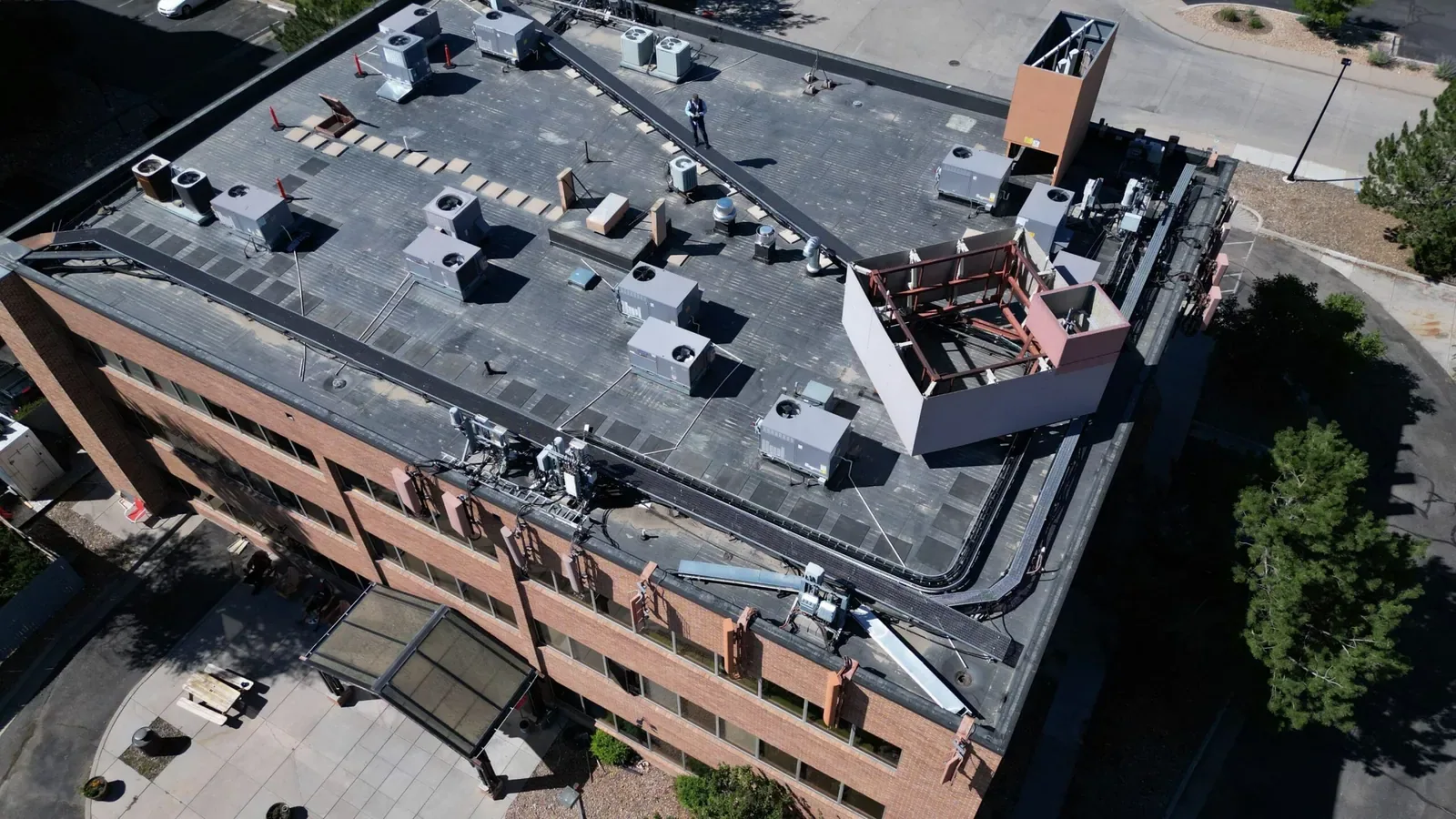
A laboratory exhaust proposal can involve more than a new weather seal. The equipment team identifies discharge requirements, service clearance and permitted interruption; relevant designers establish supporting provisions. We examine the roofing interface and describe the sequence for removal, receiving preparation and permanent flashing. A former opening left by relocation is included as its own closure task.
The operating arrangement differs from school classroom roofing and from administrative office roof work. The college supplies the actual use beneath each opening. We keep equipment readiness separate from roofing completion and identify which participant hands over usable construction before closing begins. That sequence helps the facility manager assess the proposed change without assuming an equipment purchase includes every roof and support alteration.
An overlay allowance needs the existing assembly, moisture condition and attachment addressed before another covering is specified. We record reachable layers and identify what an authorized sample or further assessment must resolve. Wet or deteriorated material requires a defined correction; it should not disappear beneath the new surface because the visible membrane looks usable. The retention option also needs drainage and perimeter connections that can be completed with the proposed added construction.
A considered roof recover therefore has preparation quantities and design review tasks beside its installed material. The removal alternative identifies disposal, receiver repairs and insulation work. We explain the evidence supporting each route and what additional investigation would change the comparison. The college reviewer receives a usable choice between construction methods, with a clear basis for any conditional allowance.
A scheduled examination, event or specialist service can limit the usable work period even outside ordinary teaching hours. The campus representative identifies affected activities and access, then we develop removal phases and handling arrangements that preserve the required routes. Material storage, lifting positions and debris movement must fit the assigned property. A roof area cannot be treated as available staging merely because it is outside a classroom.
Within the Alondra Park, Lawndale and Gardena, the planned visit confirms the specific premises and designated contact before access is arranged. We retain the campus instructions with each phase and identify the capacity for daily closure. Smaller removal portions, repeated setups or additional handling may change the expense. Those operating provisions belong in the capital comparison so the approved amount describes work the campus can actually accommodate.
A proposed college reroof requires the accepted authority, application basis and design responsibilities established for the institution and alteration. We provide examined construction information useful to that review, including unresolved concealed conditions. Insulation selection, attachment, surface performance and fire considerations remain tied to the required project decisions. The roofing specification follows those accepted inputs before products are committed.
The college can use roof investment planning to separate immediate supported corrections from another investigation or a wider renewal option. Deferral should retain its physical condition basis and reassessment action. A budget cycle is an administrative period, while remaining service life needs an examined basis. We explain the uncertainty that affects the construction choice and assign the next practical examination rather than turn a funding date into a roof performance estimate.
Removal may expose a receiver different from the initial assessment. We locate the newly encountered condition, explain corrective work and provide the changed quantity for the agreed approval route. Temporary protection remains with that step until permanent closure can proceed. The institution can distinguish the approved original task from a broader reconstruction requiring its own decision.
At closeout, equipment connection work retains its installed position, compatible material and associated service tasks. We provide useful preparation and finished images, describe completion check coverage and identify continuing maintenance duties. Relevant issued warranty provisions keep their own notice and care requirements. A campus water-entry emergency can receive attention outside office hours, including holidays; safe access directs immediate protection while the permanent detail retains a separately explained follow-up.
Campus roofing often spans buildings with different departments, hours and access rules. Confirm the building contact, event calendar, pedestrian routes and any laboratory or residence restrictions before sequencing noisy or exposed work. Identify which roof zones serve classrooms, dining, research or housing so a temporary closure does not unexpectedly interrupt operations. Coordinate overhead protection at entrances and document any utility shutdown separately from the roofing scope. If a planned opening approaches an occupied space, agree on the closure method and interior notification in advance. Provide facilities staff with a zone-based closeout, including completed transitions and observations that should be carried into the next campus inspection.
A preliminary request can distinguish examined work from allowances contingent on investigation. We recommend identifying the sample purpose, authorization and closure before a retained-layer option becomes a purchasing commitment. The review should state which findings would change removal, insulation or receiver quantities so funding discussions retain the construction basis.
List the proposed and abandoned openings, receiving preparation, permanent flashing and temporary protection. The equipment team supplies dimensions and operating needs, while support and design questions retain their appropriate participants. We connect those handoffs in the sequence so an equipment installation does not leave an unassigned roof closure.
Measure the usable period against handling, preparation and daily closure, with continuing campus activities identified. A date on the academic calendar cannot establish available rooms or service routes. We recommend a phase that the facility can accommodate and a separately priced arrangement for restrictions affecting the method.
Preserve roof level references, altered opening locations, material information and the work encountered during removal. Include checks by their actual coverage and separate unfinished equipment tasks. That package lets the next assessment compare current observations with installed construction while retaining areas or responsibilities that were outside the completed roofing assignment.