Property Types We Roof
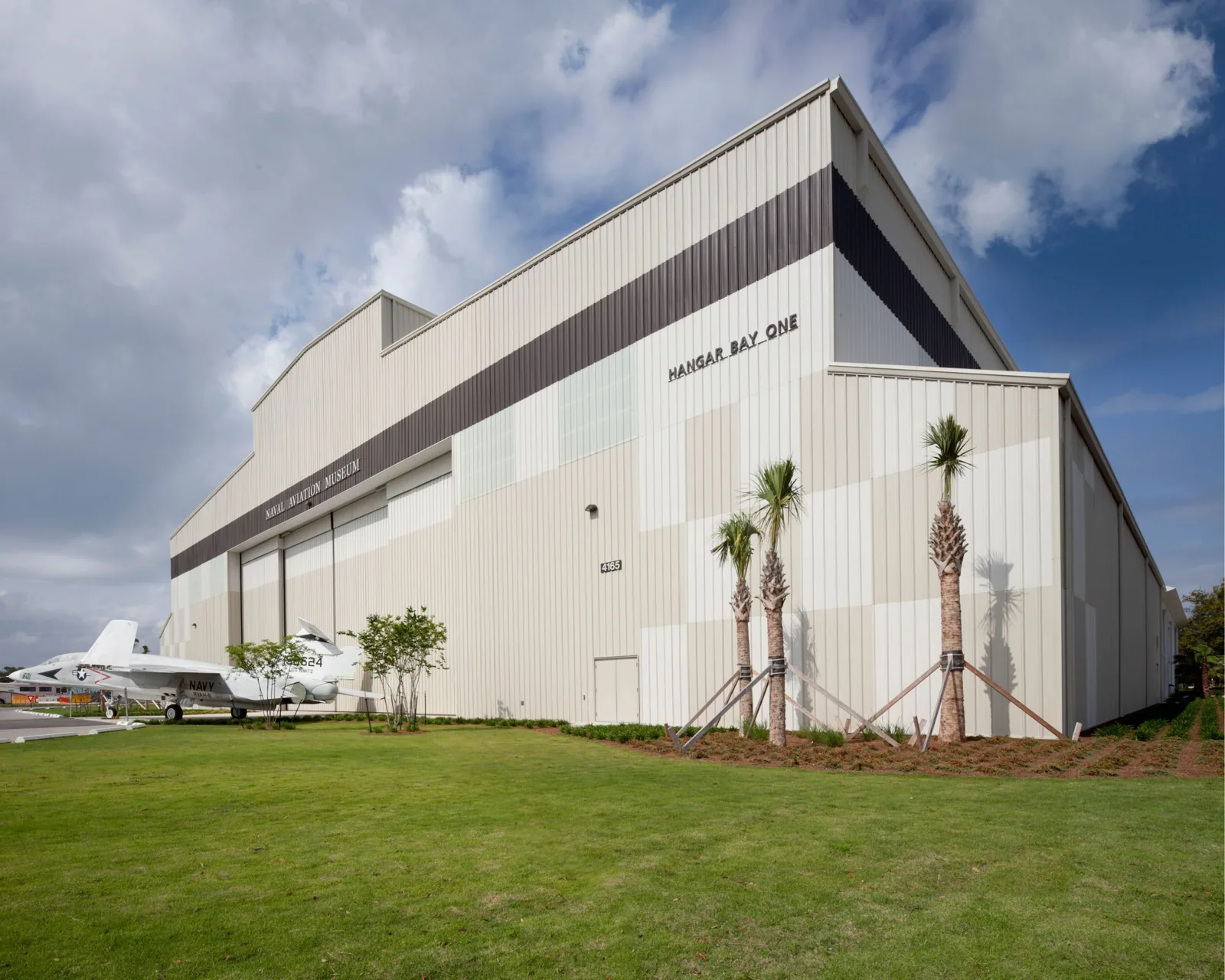
Assess aircraft hangar roofing in Torrance with examined metal joints, door-header details and operating permissions specific to the civilian facility.
A tenant's hangar equipment alteration needs its roof connection reviewed before the owner approves the new opening. Commercial Roofing Torrance examines aircraft hangar roofing in Torrance, CA with the assigned facility and proposed operation identified. The waterproofing decision can involve a metal panel, membrane field or another observed assembly; aviation use alone does not establish the roof material. We document the receiving construction and the operating provisions needed to make the alteration reviewable.
Zamperini Field is Torrance Municipal Airport, a general aviation airport. That civilian aviation identity gives the local hangar discussion a useful setting. Permission for the actual property, roof access and construction operation must still come from its responsible participants. We separate those permissions from the military access and mission requirements applicable to a different installation.
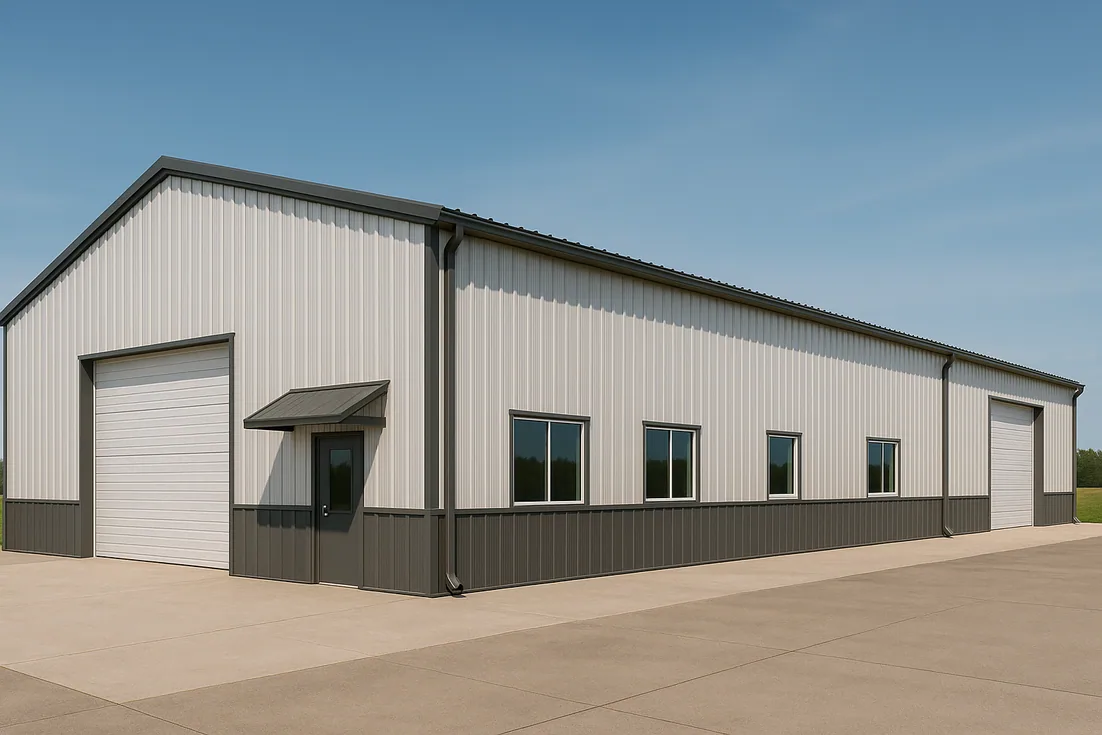
A roof edge above a hangar opening needs its discharge, gutter joints and relationship with the door header examined. We photograph accessible details and locate the water report against the building opening. The door mechanism has its own service requirements; changing a roof joint should not leave an operating component unsupported or assume that a roof repair resolves a door problem. Relevant participants review the receiving detail before work disturbs it.
An industrial warehouse roof edge may provide a useful comparison for drainage and metal joints. A hangar adds the actual door movement and aircraft clearance requirements. The scope retains these as specific coordination tasks. If access cannot establish a concealed connection, we identify the next permitted opening and its restoration rather than extend a visible gutter defect into an unsupported replacement quantity.
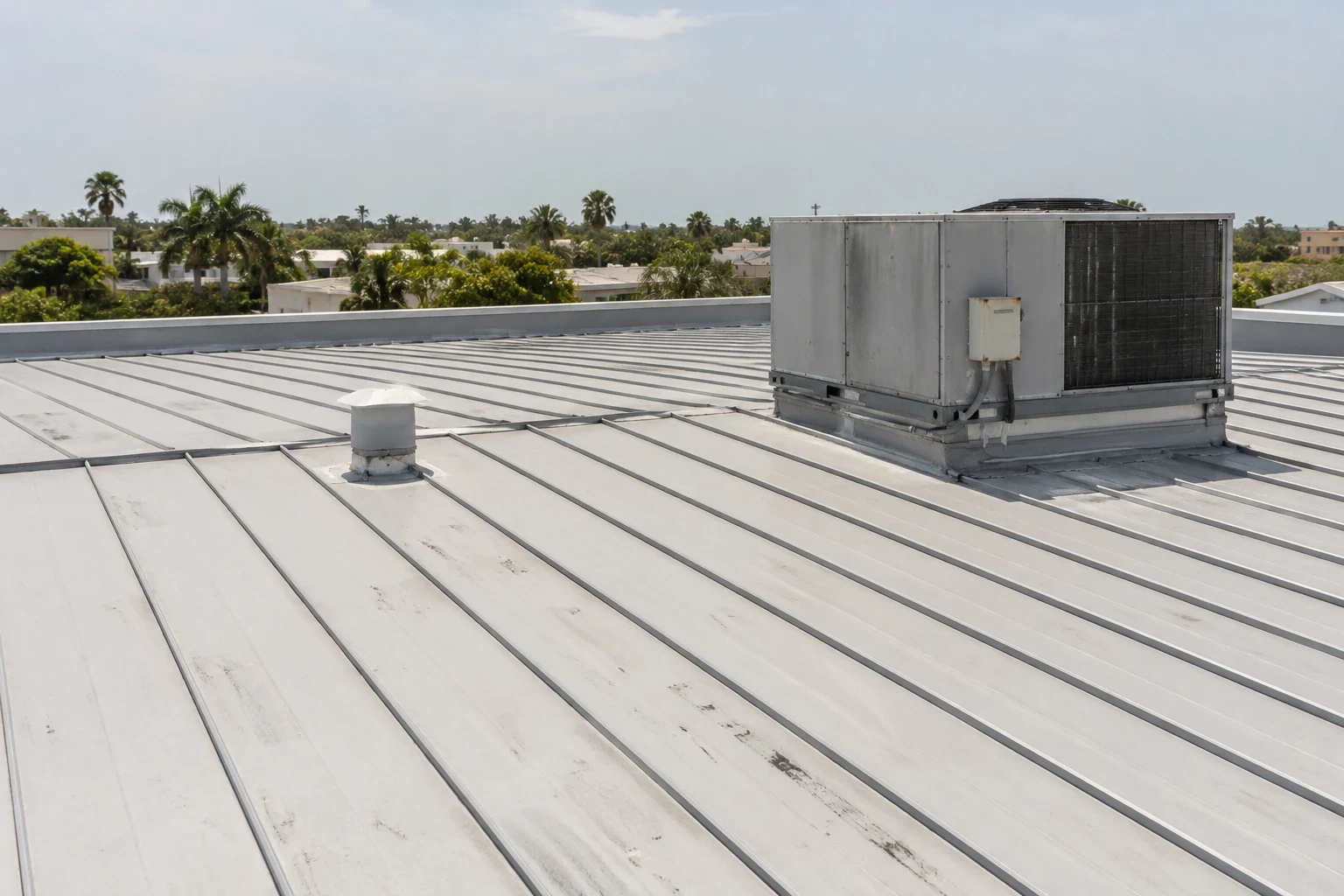
A panel lap that has separated needs its accessible movement, fastener receiver and adjoining seal examined. We locate distortion and corrosion where observed, record the condition and distinguish joint reconstruction from surface preparation. A broader bead of sealant cannot replace a receiver that no longer holds a suitable connection. Panel profile and material compatibility also affect the method that can be installed at the repair boundary.
Repair work at standing seam roof details needs the actual seam arrangement understood before a proposed alteration interrupts it. Thermal movement and attachment relationships are construction questions, not conclusions supplied by the building's aviation use. We describe the supported correction and retain a design review for any structural or support issue beyond waterproofing. The manager can then approve a defined task rather than a universal metal-roof repair.
An opening above parked aircraft needs an approved protection or relocation arrangement before roof disturbance. The operator identifies equipment, aircraft movement and access restrictions relevant to the assigned premises. We describe debris handling, the proposed daily removal boundary and closure. Each participant needs to know which activity it controls, including who can release an interior area after the roofing phase is complete.
Phased roof construction above an operating facility may require repeated setup and smaller openings. These provisions belong in the cost basis rather than remain a general promise to avoid disruption. Airport operating permission and a tenant's building permission can be separate questions. The proposed work identifies the actual requirements affecting access, handling and photography, without representing general airport identity as approval for the operation.
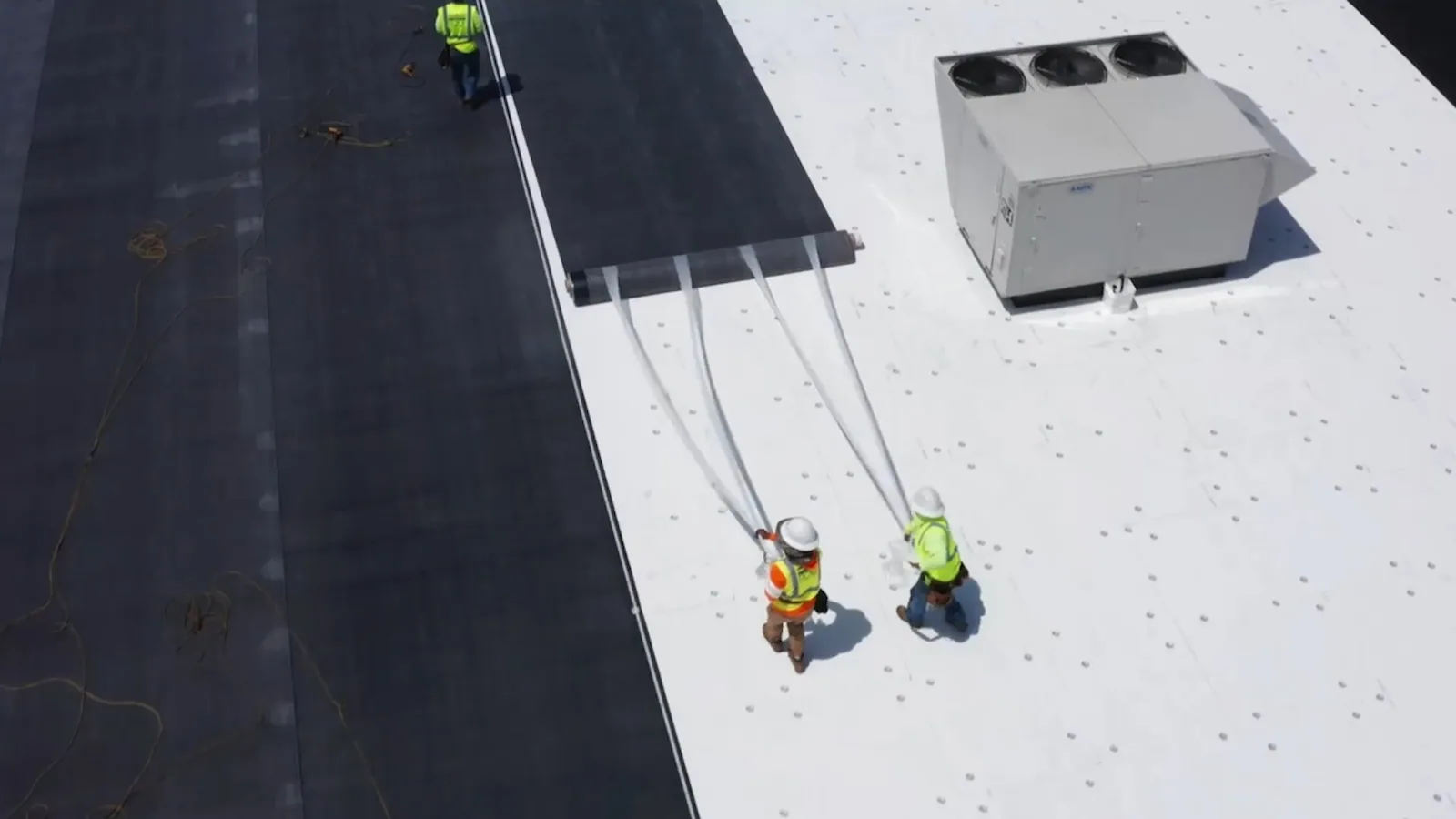
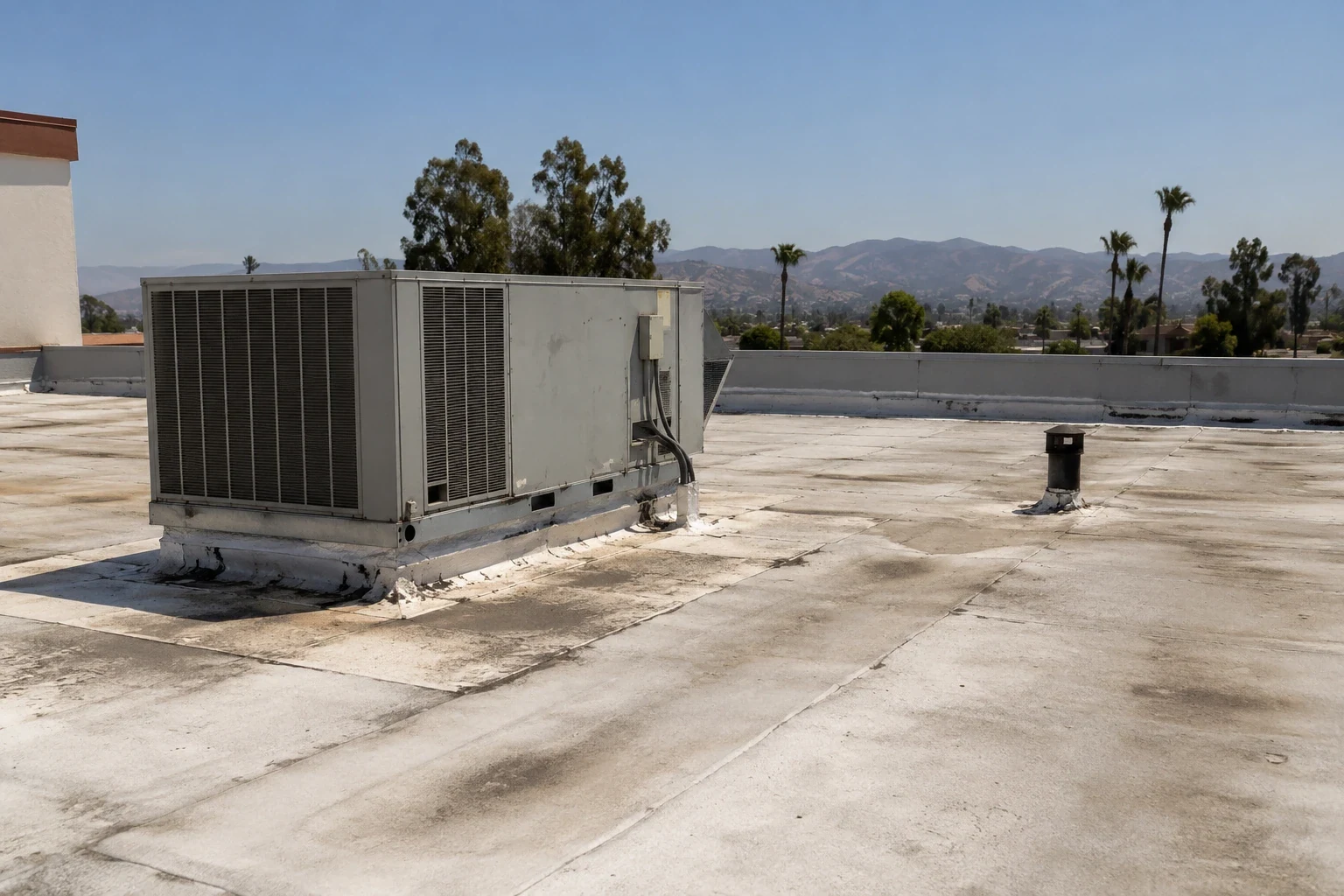
A ventilation support or new service penetration should be compared with the actual field assembly and usable flashing height. We measure accessible dimensions and record the material that will receive the connection. Equipment personnel establish removal, service isolation or support alterations where needed. The roof recommendation states how the joint will finish after those tasks instead of assuming waterproofing can proceed beside an unresolved equipment arrangement.
Roof work above a manufacturing operation can require another equipment dependency, but an assigned civilian hangar retains its own operational review. A roof opening should not be described as a structural alteration without appropriate evaluation. Where the receiving construction is uncertain, testing or an authorized sample can address a defined question with protection and restoration included in the proposal.
A replacement allowance needs the layers and supporting receiver identified as far as the permitted examination allows. We compare accessible details with available installation information and record differences at additions or prior openings. Moisture screening, where appropriate, is an indication requiring interpretation and confirmation. It should not turn a single pattern into a removal boundary across every part of the hangar.
Del Amo Fashion Center offers a separate Torrance retail reference for locating the project team within the local market; its identity supplies no aviation operating permission. For work near South Torrance service area, the subject facility and permitted construction route establish the handling basis. The completed estimate includes panel or membrane work, edge reconstruction, equipment tasks and restrictions needed by the selected option.
A reconstructed header transition or penetration should be recorded at the coordinate used in the survey. We photograph preparation and completion, retain installed material information and identify final quantities. Door acceptance, equipment performance and return of aircraft to the affected area remain assigned to their responsible participants. The roofing closeout establishes a finished exterior connection within that broader operational decision.
Review of issued roof warranty obligations keeps applicable notices, maintenance and alteration requirements with the installed work description. The issuer determines its own acceptance or coverage questions. Roofing emergency assistance remains available overnight, on weekends and during holidays, with safe access and the facility's permitted immediate operation governing what can proceed. Temporary weather protection is recorded separately from the permanent correction and any continuing aviation release.
A hangar roof plan should account for aircraft movement and door operation as well as membrane work. Confirm clearances, exclusion zones, lift placement and the person who can authorize a change to the operating schedule. Check whether welding, fumes, debris or overhead work could conflict with aircraft or sensitive equipment, and define controls with the facility representative before opening the roof. Where the large door interrupts the roof edge, inspect the drainage and flashing interfaces without assuming that a door leak originates in the roof field. Document each affected bay and sequence so maintenance staff can relate future observations to the completed work.
Zamperini Field is a civilian general aviation airport. Establish the actual airport, property and operator requirements for the proposed roofing work. We identify permissions affecting access, handling and protection at the assigned facility. Military installation procedures should not be imported simply because the building is a hangar; a separate military project would require its own accepted access and construction basis.
Door personnel and the facility review the proposed operation at the header, gutter and adjoining roof connection. We supply the work boundary and removal needed for the waterproofing correction. Movement, supporting components and clearance can affect the permitted sequence. The estimate retains the agreed condition and any separate door task before assuming the opening remains available through construction.
A suitable receiver, compatible adjoining panel and a defined defect boundary support the repair decision. We examine accessible laps, attachment points and local deterioration before describing the correction. A distorted or unsound connection can require panel or support work beyond sealant. Retain any structural review separately, with the finished waterproofing relationship explained in the construction option.
Located preparation and finished-detail photos, installed materials and final quantities show the roof work completed. Add applicable issued warranty instructions and maintenance at repaired joints. We identify door, equipment and aircraft-area releases with their responsible participants. The operator can then evaluate its next operational action without mistaking an exterior roofing sign-off for acceptance of every aviation dependency.