Roofing Manufacturers
Evaluate Versico roofing in Torrance with TPO or EPDM identification, adhesion checks, restrained transitions and a measured retention recommendation.
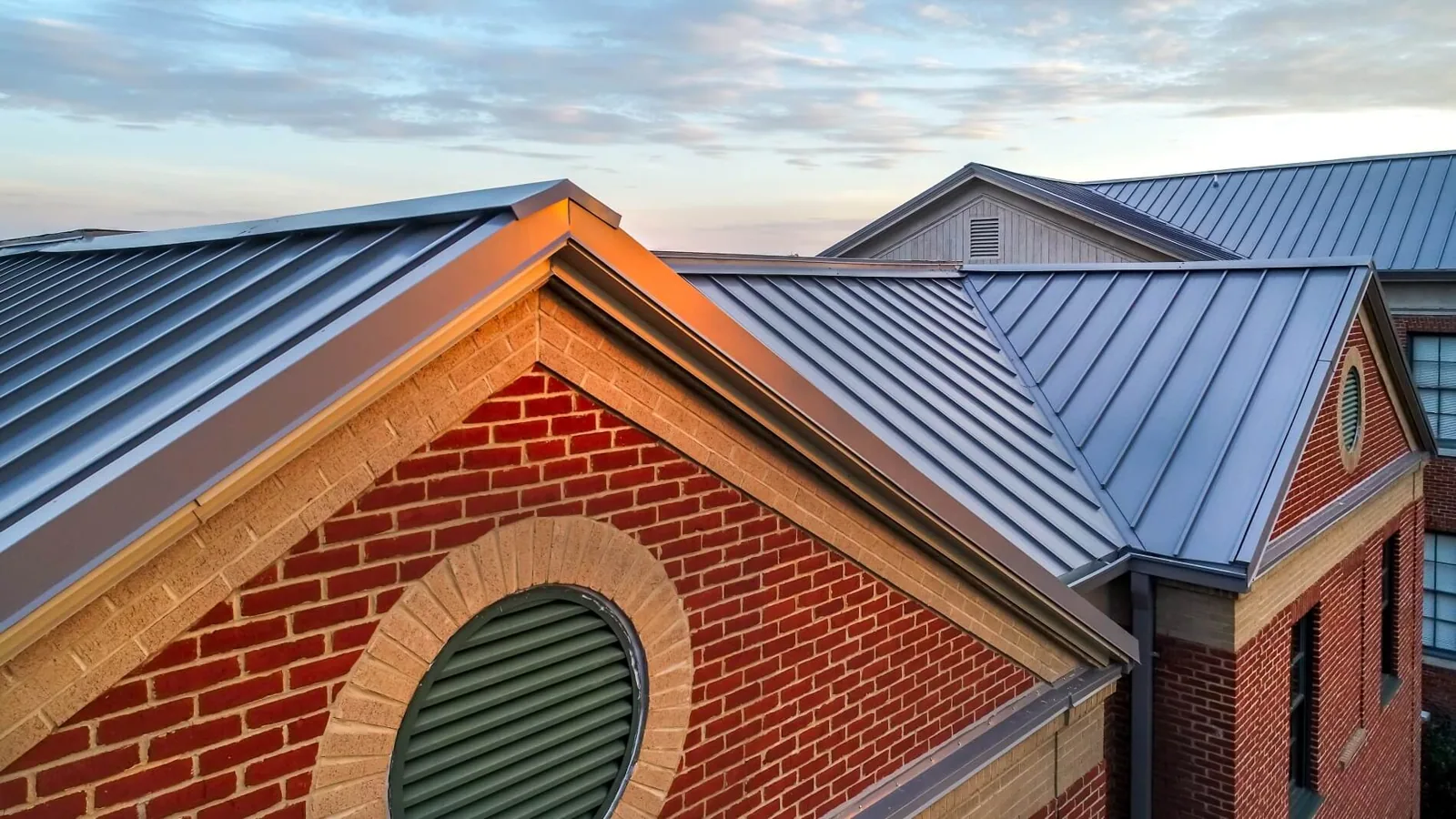
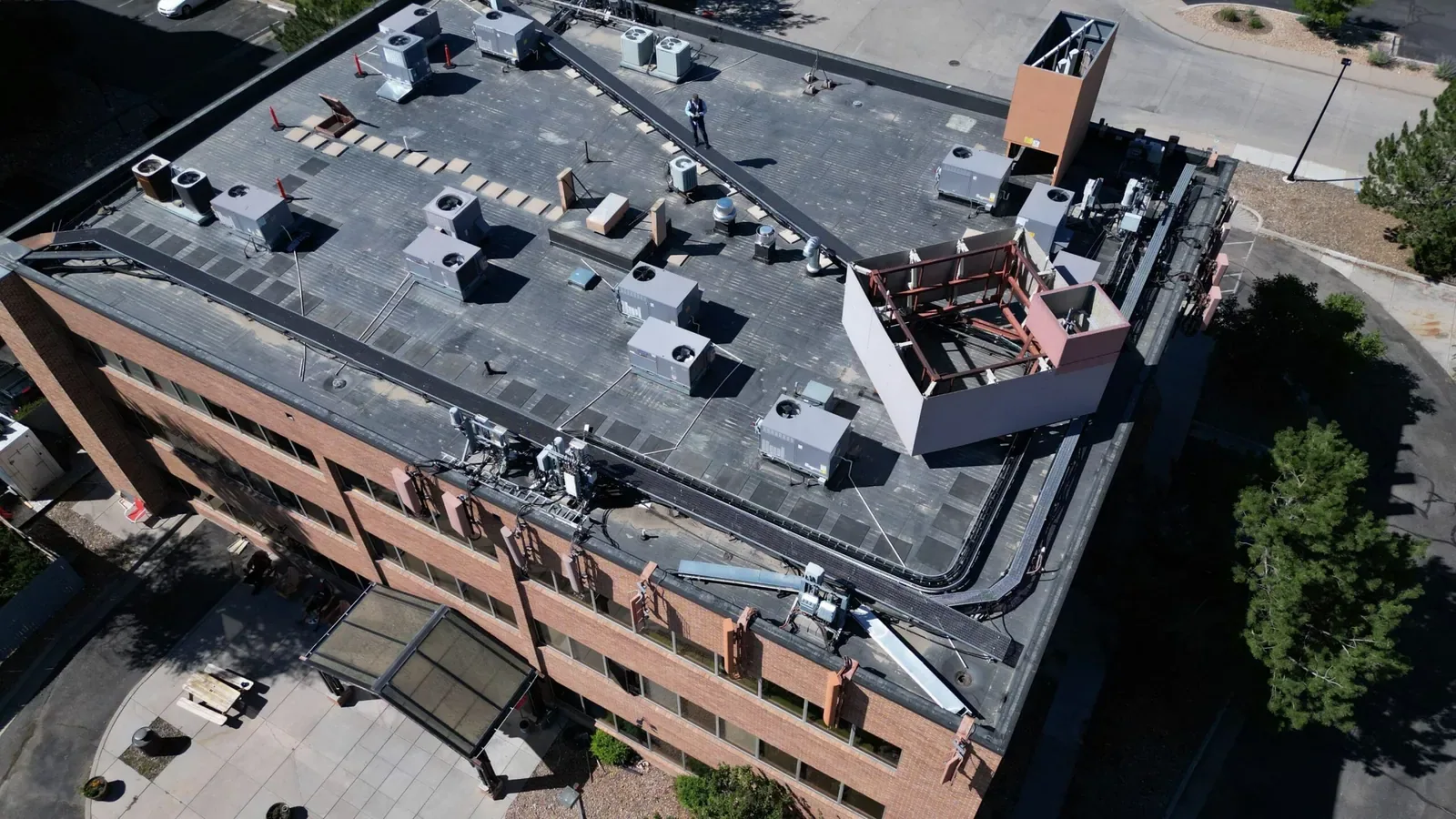
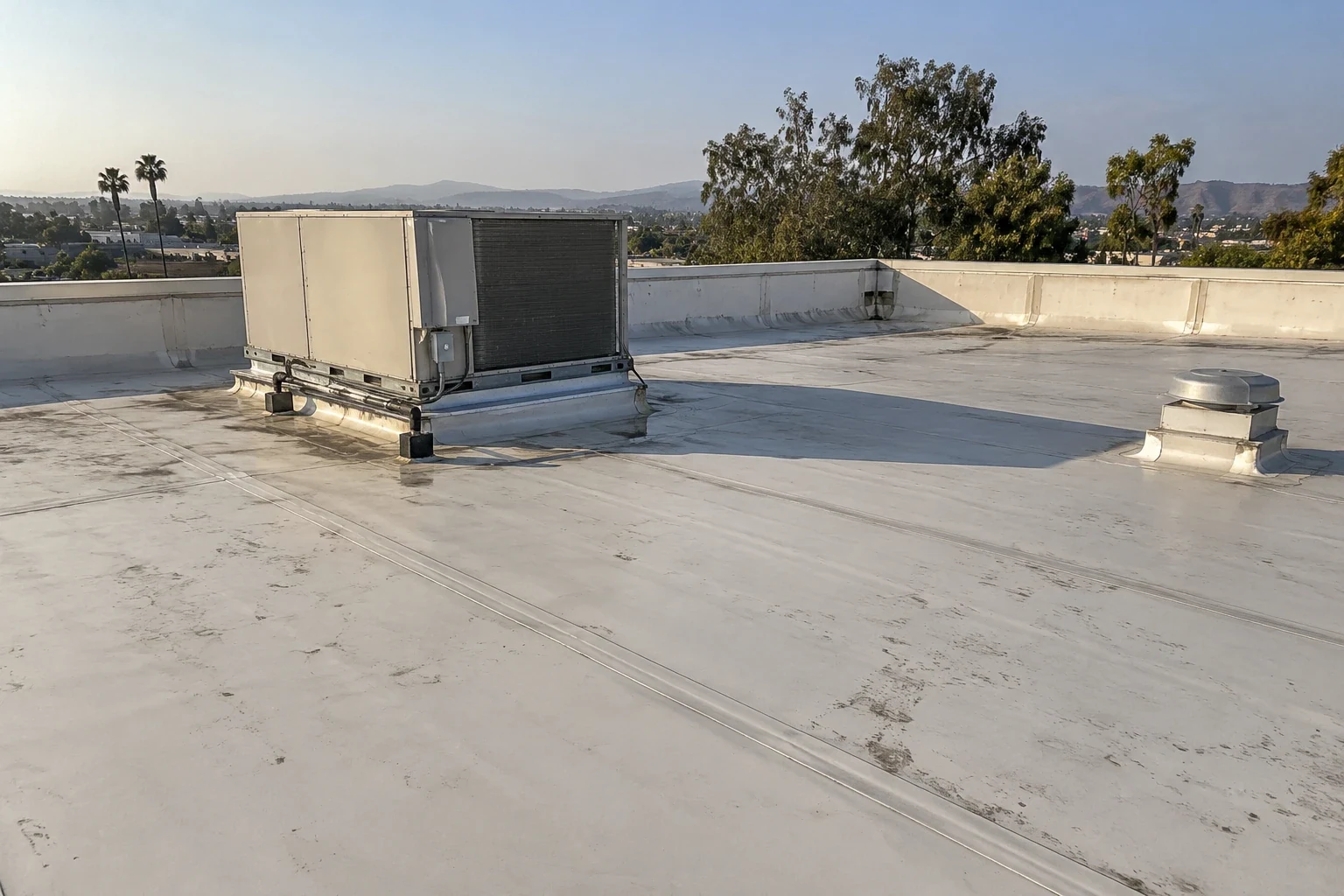
A recovery proposal for a Versico roof in Torrance, CA needs to show how the retained assembly will receive the new construction. VersiWeld is a TPO range and VersiGard is EPDM. Their seam and preparation methods differ, so the survey establishes which material is present before judging a repair or retention option. We connect observed surface condition with support, adhesion and transition findings that an asset manager can use in the capital decision.
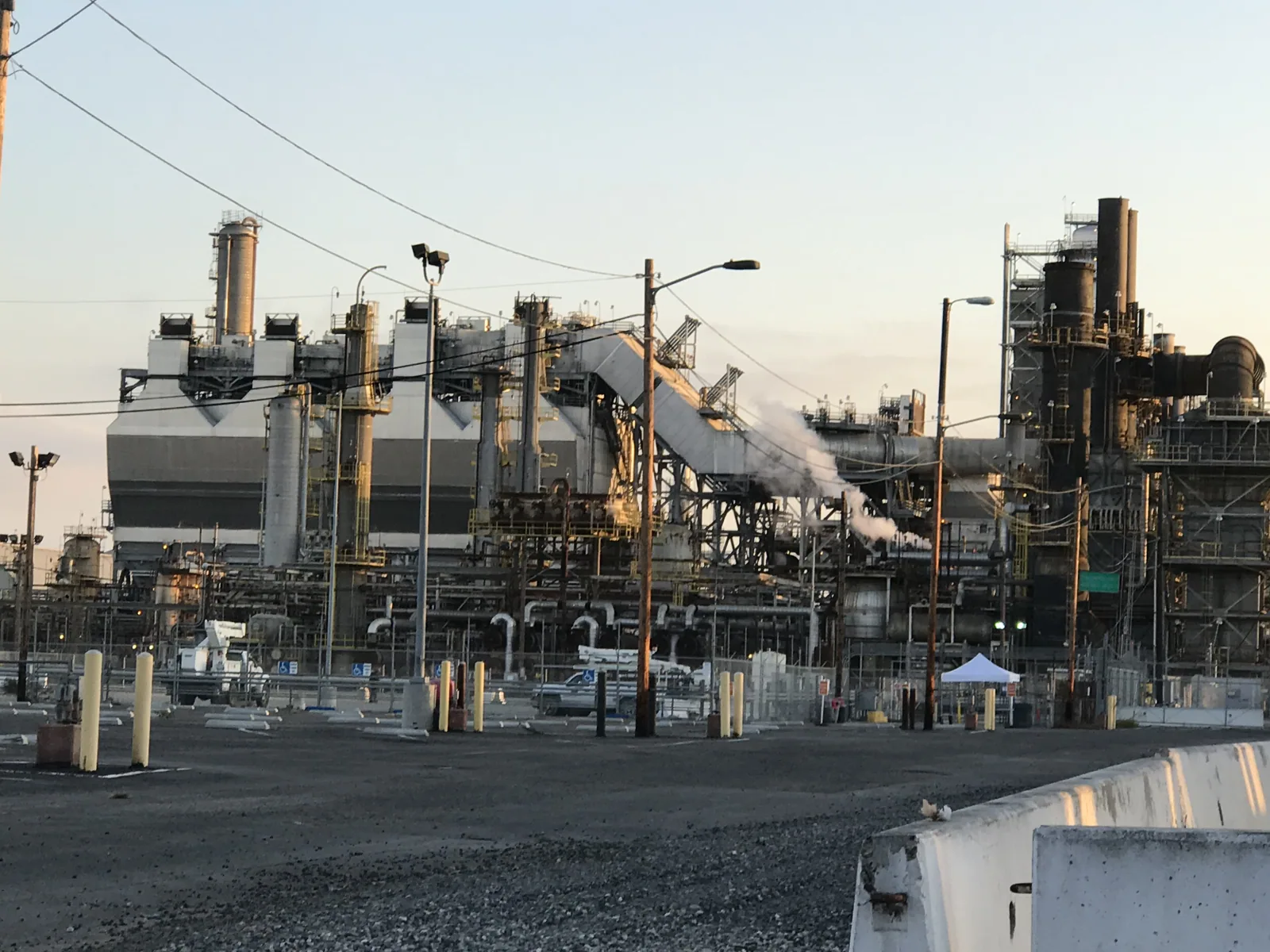
Torrance Commerce Center gives the assessment an industrial locality. The assigned property's roof still needs its own measured baseline. We examine the proposed work area, equipment routes and wall connections rather than using the property's setting to assume material or remaining service life. The retention recommendation explains the conditions it relies on and the investigation that could change it.
A loose field can involve a bond failure, a weak facer or an inadequate connection below the membrane. We locate movement, inspect its extent and assess accessible adjoining details. A controlled opening may be needed to determine which layer has separated. Photographs record the revealed interface and its position on the drawing so the owner understands the actual receiver involved.
A proposed recover over retained construction cannot rely solely on an intact sheet. The underlying layers must be suitable for the selected attachment approach, and confirmed wet or unstable material needs a defined removal response. We separate those requirements from aesthetic wrinkles that do not by themselves establish the same defect.
The scope describes what is examined, where retention is proposed and which connection needs design review. That distinction prevents a membrane replacement allowance from quietly depending on an untested bond elsewhere in the existing assembly.
A VersiWeld lap uses heat-welded thermoplastic construction. A VersiGard EPDM joint requires its applicable preparation and joining materials. We identify the repair family before removing old patches, then examine whether the remaining sheet can receive the specified connection. Surface contamination, damaged reinforcement or tension at a corner can expand the required repair boundary.
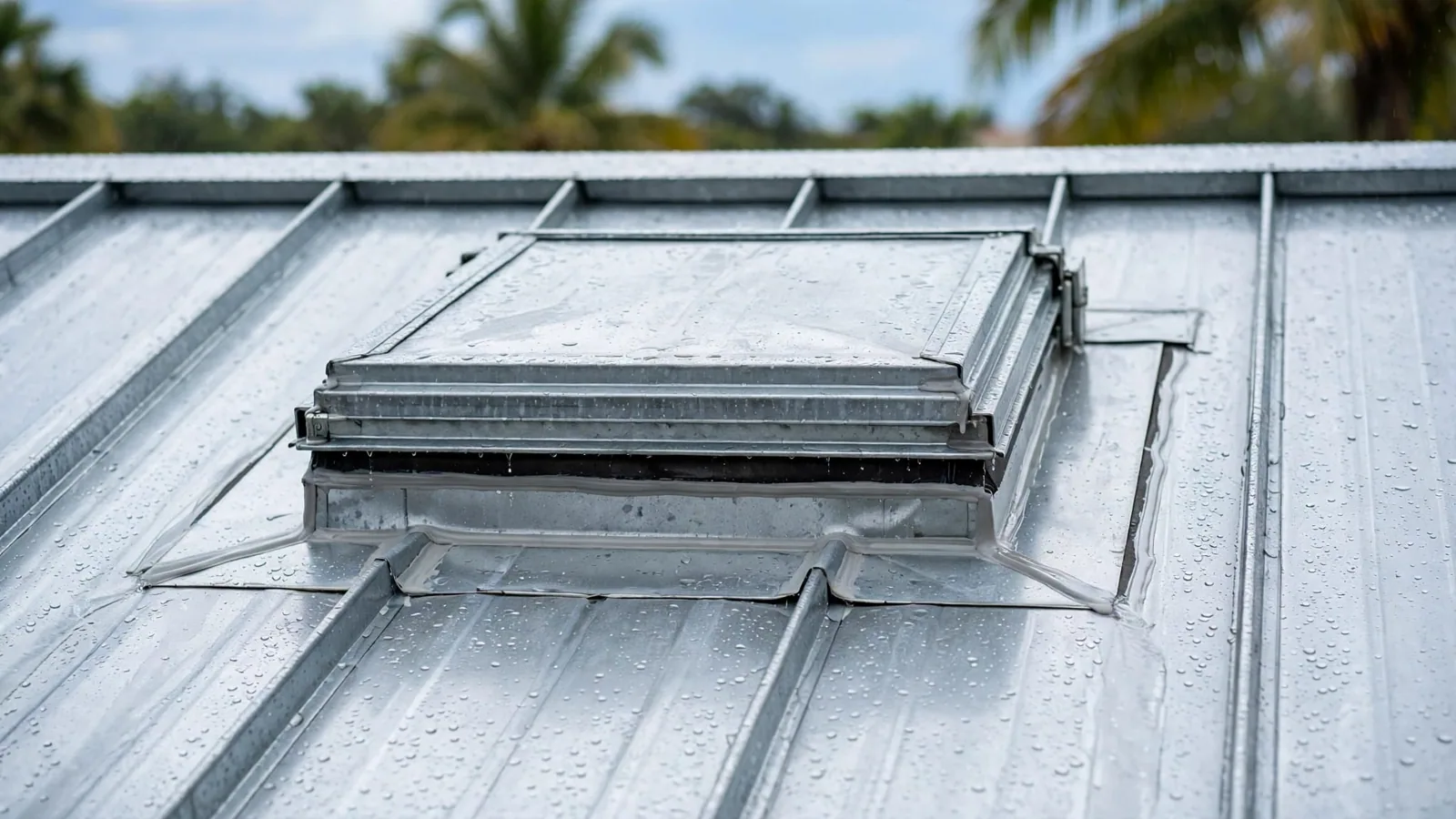
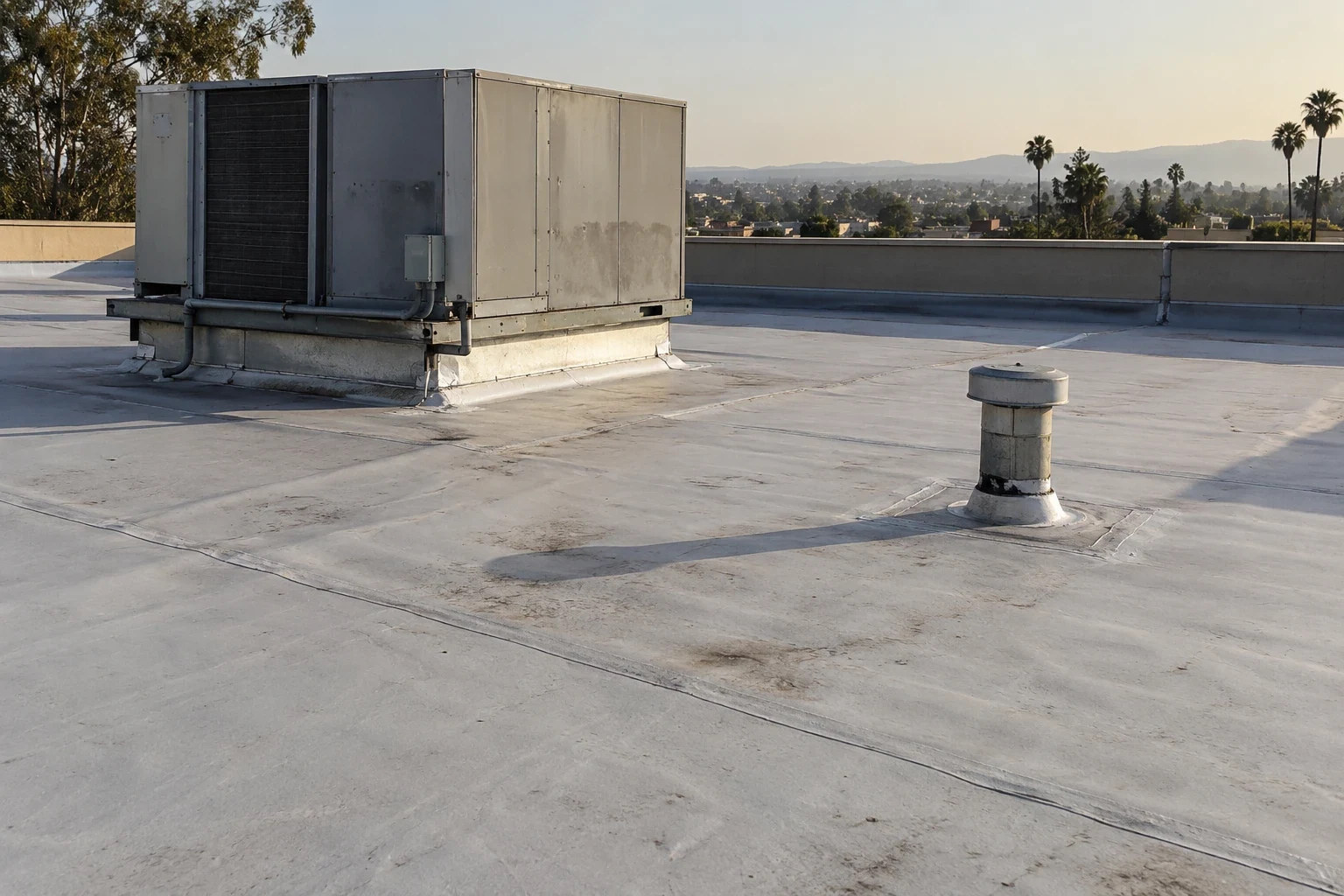
We assess trial connections and finished details according to the selected construction method. A photograph of a clean patch does not prove that its concealed receiving layer was suitable; preparation evidence and the located detail complete that explanation. Reconstruction of a distressed wall flashing also checks termination, support and the change of plane.
An option involving Carlisle single-ply detail work requires its own component selection. A comparison with Holcim Elevate membrane systems should make the differences in sheet family and attachment visible instead of treating the names as substitute specifications.
At an investigation opening, we distinguish membrane adhesion from insulation attachment below it. Those interfaces can have different conditions and corrective requirements. Recording each exposed layer gives the designer useful information about the actual connection that failed, rather than a single description that labels the entire roof loose.
A cover-board facer that separates under examination is not a dependable surface for a new bonded layer. We examine the receiver at representative locations appropriate to the proposed work and identify any further investigation needed. Available assembly information helps establish the intended layers, but direct findings determine whether those layers remain suitable. The required substrate correction belongs in the budget before membrane purchasing.
Where an adhered assembly is selected, material handling and actual surface conditions affect the sequence. Products have preparation and application requirements that must be satisfied at installation, including the selected receiver's condition. Mechanically attached alternatives still require appropriate deck connections and a complete design. Changing methods cannot bypass an unresolved weak layer.
Del Amo Fashion Center establishes a retail identity on Carson Street. For a nearby retail property, bonding operations also need coordination with occupied rooms and air intakes, using the actual product and building arrangement to plan the work.
A retention option may reduce removal and disposal, yet that advantage needs to be weighed against remaining defects and connected detail changes. We compare the examined layers with the proposed attachment, drain levels and curb projections. Keeping a problematic layer can shift expense into the next repair rather than provide a sound capital alternative. The owner receives an explanation of that tradeoff in terms of the construction retained.
Comparing retention with replacement expenditure includes measured corrective work and the investigation-dependent items in each option. Roof access, removal depth and temporary protection affect the schedule independently of the sheet family. Applicable code and energy review follows the actual scope and accepted compliance approach, including relevant exceptions where they apply.
At Torrance Industrial Area, equipment service and delivery arrangements are confirmed with the subject building's contacts. The construction sequence identifies which service routes remain open and which areas need temporary protection during removal.
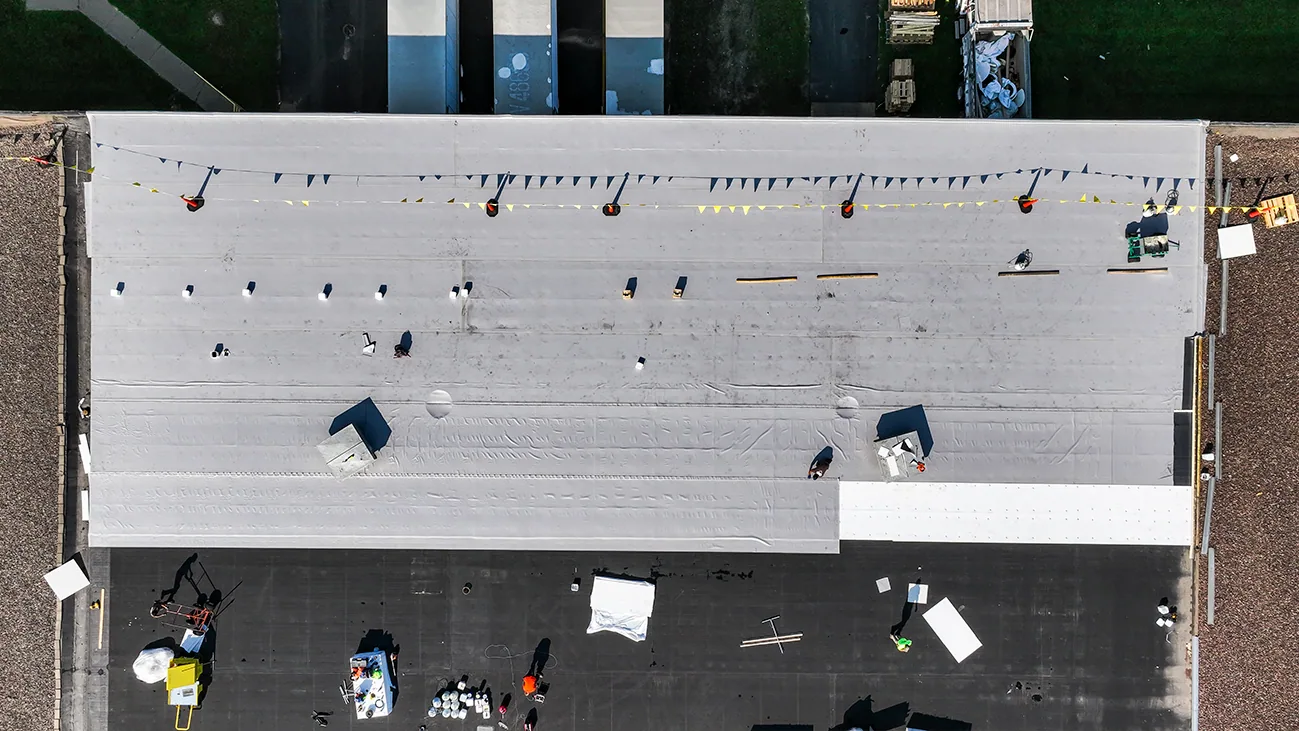
A recovery closeout should identify the construction left beneath the new surface. We show examined receivers, completed removals and the installed attachment method with located photographs. The as-built drawing records new detail boundaries and retained areas so facility staff can plan later penetrations without mistaking the assembly for a full tear-off. Excluded or inaccessible construction remains clearly described.
The final walk examines the specified repairs and accessible finished transitions. Registration requirements and issued warranty alteration terms receive their own review; their administrative status does not follow automatically from the roof walk. The owner receives maintenance tasks related to the actual seams, terminations and service routes. That package explains both the new investment and the construction still carrying a role beneath it.
Confirm whether the inspected Versico roof is TPO, EPDM or another documented assembly before selecting a cleaner, primer or patch method. Later work may have introduced a different sheet or coating, particularly around penetrations and repairs. Identify the receiving membrane by available markings or records and test a limited area when compatibility is uncertain. For welded seams, note the conditions and method used to verify the completed bond. Record the repair boundary and any warranty correspondence with the roof-zone reference. A product family can guide research, but only the installed layers and applicable project documents establish what the field detail can receive.
TPO and EPDM require different connection methods and compatible materials. We establish the installed family and assess the receiving sheet before selecting a permanent repair. A visually similar patch is not sufficient. The recommended construction identifies preparation, joining method and any support removal needed beneath the damaged area.
Weak facers, moisture, unstable layers or an incompatible receiver can prevent a dependable bonded assembly. We locate concerns and use further examination where required to define retention limits. A mechanically attached option may introduce different connections, but it still needs suitable support and project design rather than simply bypassing the bond question.
The retained layer arrangement affects penetration depth, fastening and detail compatibility. We record the examined cross-section and installed work so a later equipment design can address the actual assembly. New curbs or supports should be assessed before cutting through the recovered roof, including the applicable issued warranty requirements.
Keep drain, curb and receiver corrections visible in both alternatives. We explain what each option retains, what it removes and what further findings could change its quantities. The comparison then reflects complete construction decisions rather than a low membrane line item that excludes work needed for either approach.