Service Areas

Local weather advisory
The National Weather Service has issued a coastal flood advisory covering Torrance. Heavy rain and drainage loading can expose roof leaks, blocked drains, and ponding water. This is a weather exposure advisory; it does not establish damage to a specific roof.
Do not access a roof during hazardous weather. Protect people first, avoid water near electrical equipment, and request roofing help when conditions permit.
National Weather Service · Updated Oct 27, 2026, 1:54 PM UTC
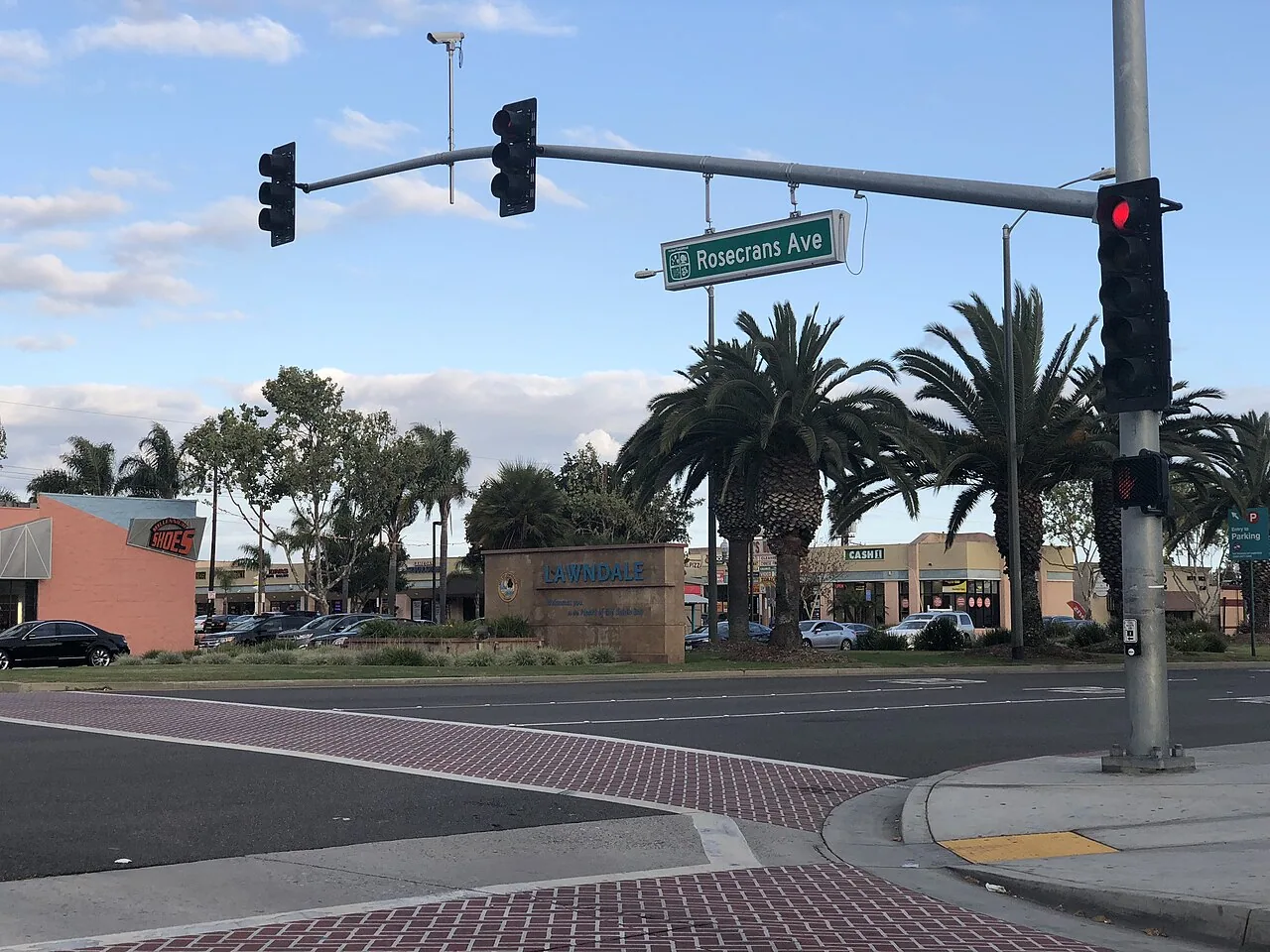
Lawndale commercial roofing evaluates tenant exhaust alterations, flashing repairs and renewal options with interfaces and an explained construction scope.
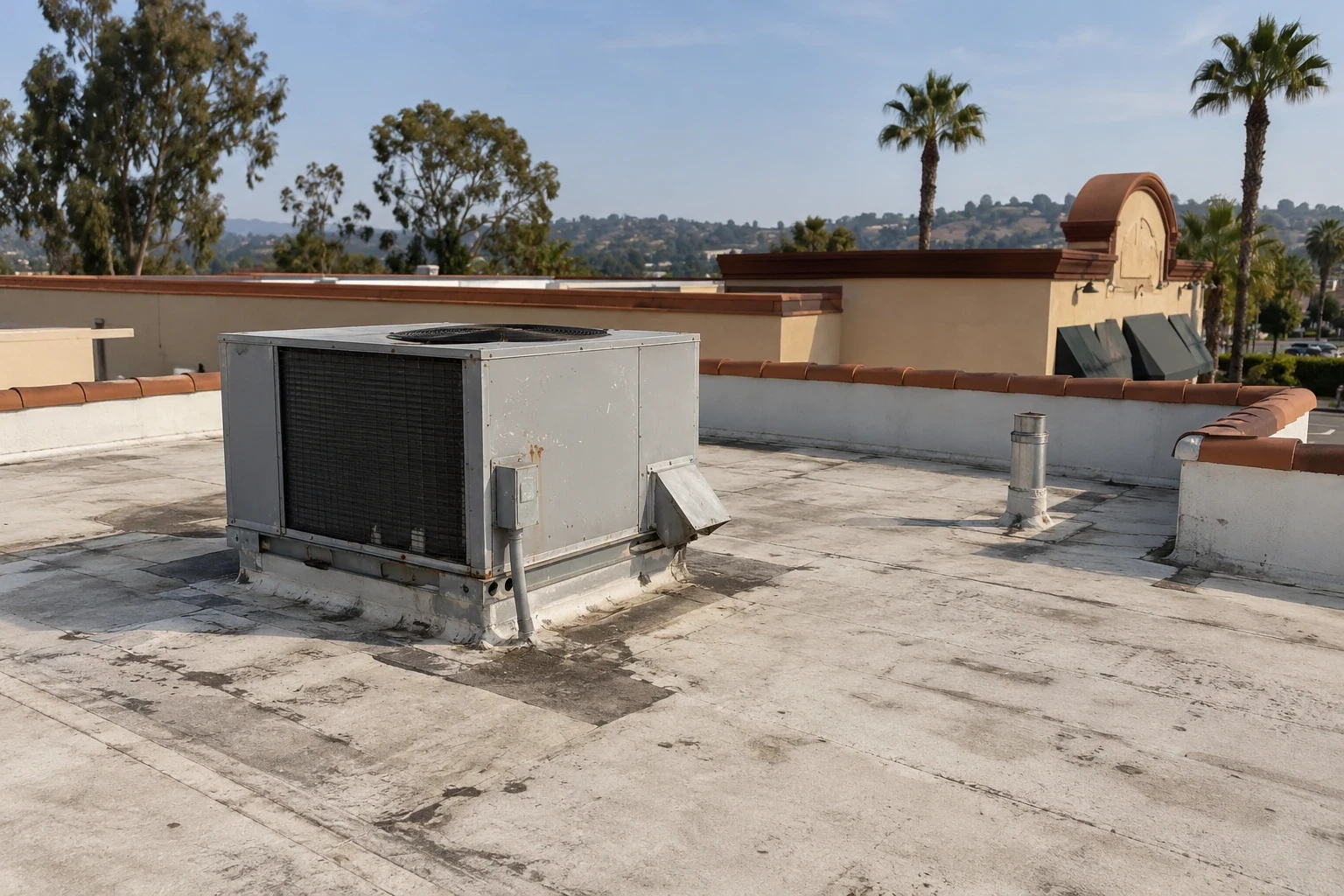
A restaurant exhaust change in Lawndale, CA creates a commercial roofing decision at the duct opening, service route and receiving membrane. We assess that connection, repair damaged coverings and prepare renewal scopes where local repairs cannot finish into suitable construction. The property manager needs the proposed equipment work translated into a roof boundary that can be authorized, inspected and maintained after the tenant opens.
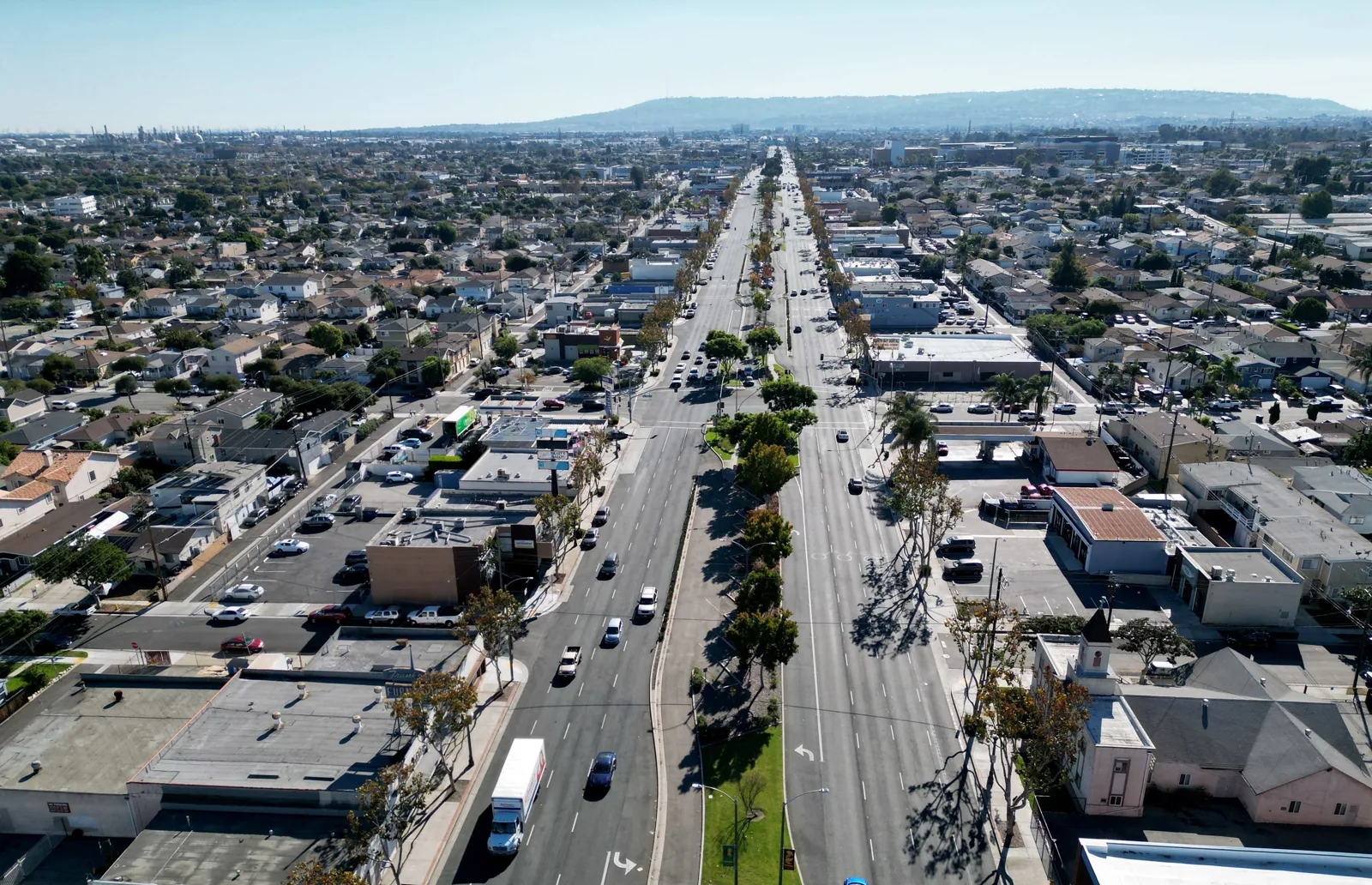
Hawthorne Boulevard has a city-specific planning framework, and Artesia Boulevard is another local reference for reaching the assigned property. We identify the actual address before arranging access or construction staging. For roofing over restaurant operations, the assessment relates exhaust penetrations and maintenance movement to the subject roof. A recognizable commercial corridor helps locate the building; the examination establishes its membrane, flashing and drainage requirements. Tenant drawings then become an input to the roof scope rather than proof of the existing assembly.
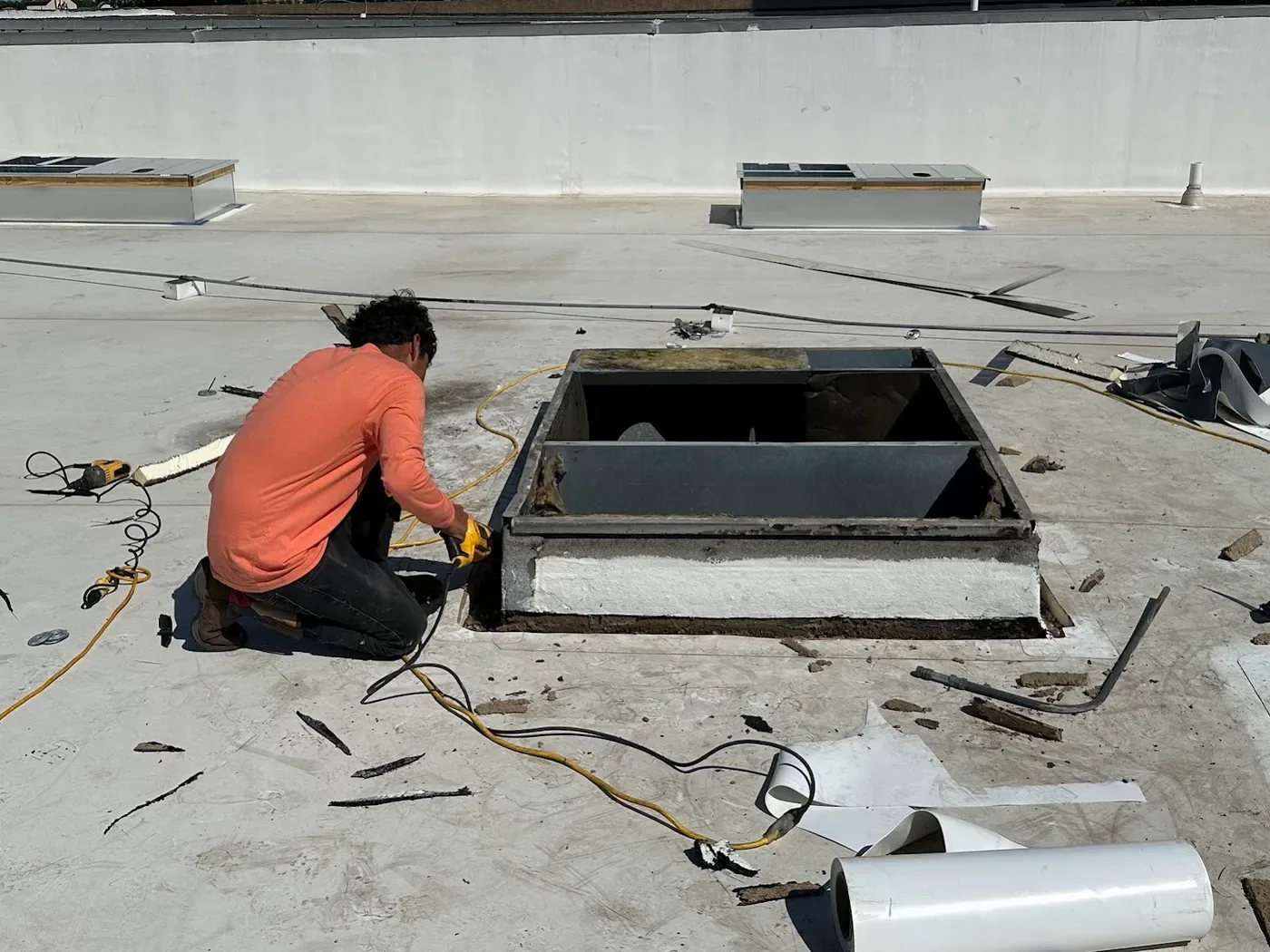
A revised duct footprint can leave old fastening holes or expose a flashing termination that the new equipment does not conceal. We measure the opening, inspect the curb and identify the membrane connection intended to remain. The roofing detail must account for the actual duct arrangement and any required clearance, with fire, mechanical and structural requirements assigned to the proper participants. We photograph the receiving surfaces before estimating the waterproofing work.
Sealant at a visible joint is not a substitute for a continuous flashing connection. The repair may require rebuilding the curb interface or replacing material around the opening so a compatible transition can be installed. We identify those steps separately from equipment installation. If an abandoned opening remains after the alteration, the scope addresses its closure and receiving structure instead of treating it as another surface patch. That gives the manager a construction boundary that includes the changes below the finished covering.
Grease residue, maintenance traffic and concentrated foot placement can affect the area around an exhaust unit. We record what is present at the subject roof, inspect seams and examine the route between roof access and equipment. Material selection follows the actual exposure and compatible repair method. A membrane advertised for a certain resistance still needs suitable detailing and maintenance; its name alone does not resolve a damaged receiving surface.
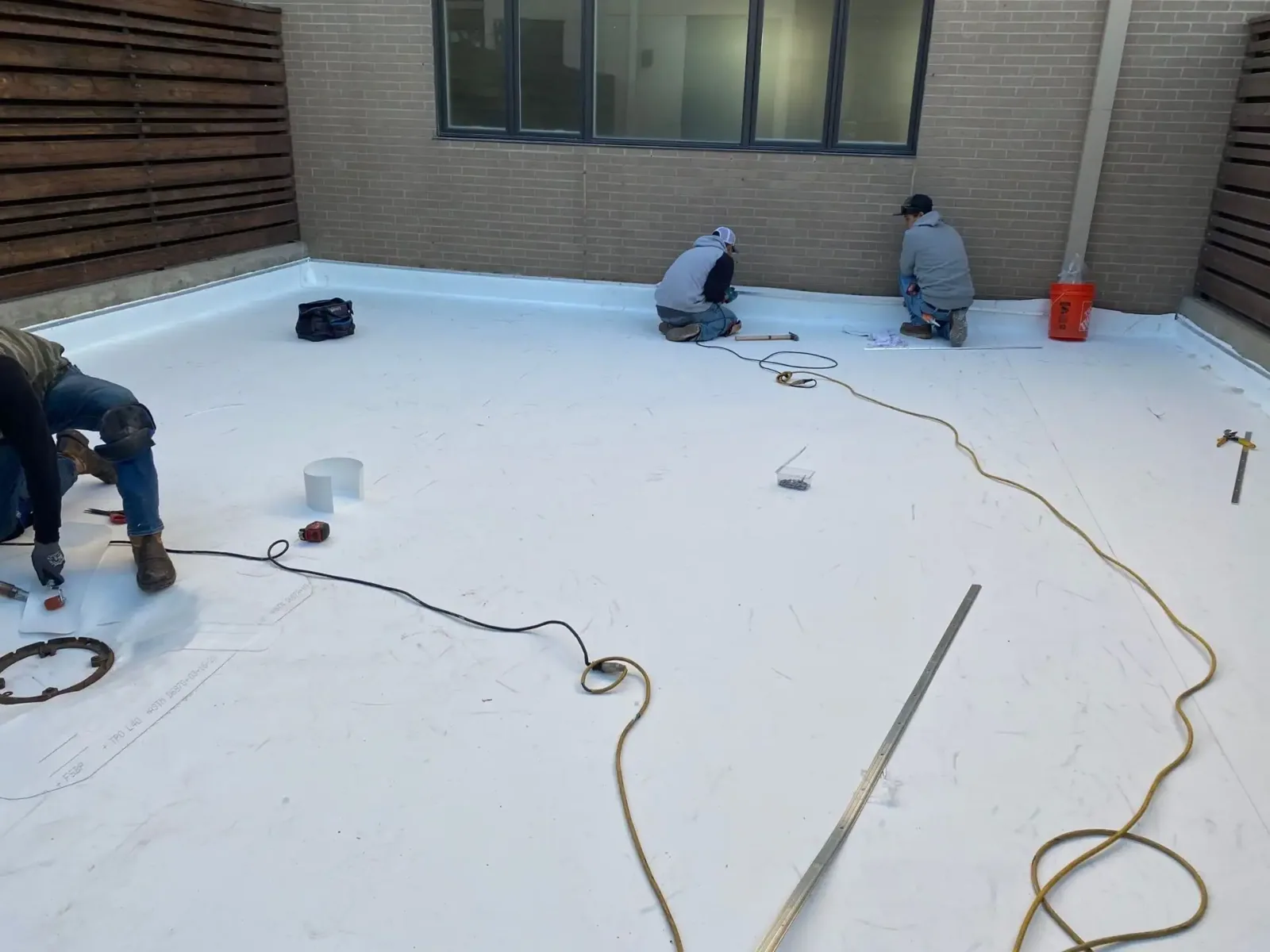
When a PVC membrane assembly is considered, we assess attachment, drainage and junctions with retained construction as part of the project. For an existing different covering, the repair detail must suit that covering rather than mixing materials on appearance. We also identify where a protected walkway could reduce direct traffic on vulnerable details. The condition report separates observed membrane damage, cleaning needs and equipment servicing, allowing the tenant and owner to coordinate their actual responsibilities.
A contaminated receiving surface can prevent a repair from bonding as intended. We describe preparation that matches the material and observed deposit, including any test or additional examination needed before application. Cleaning should preserve the membrane and discharge arrangements; an aggressive method can create a second defect. The scope identifies what will be removed, where the work ends and how the cleaned area is assessed before a patch or coating is installed.
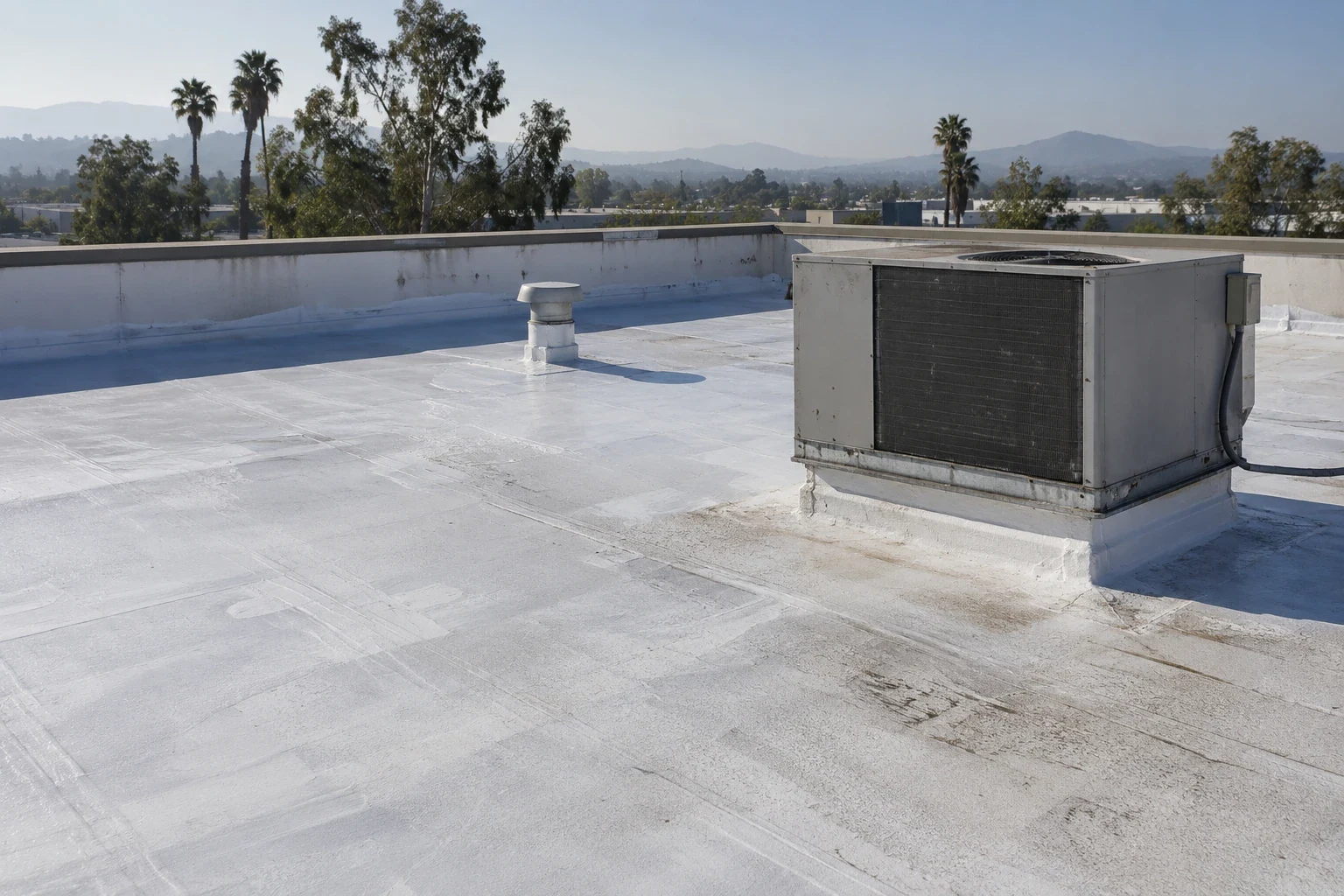
For restoration with a roof coating, serviceable retained construction is essential. We examine loose seams, deteriorated flashing and moisture concerns before evaluating the finish. A coating cannot be relied upon to bridge an unstable connection or make a wet assembly suitable for retention. The asset manager receives a preparation scope beside the proposed application, including any localized replacement. This makes the restoration allowance comparable with a renewal option rather than allowing unlike construction routes to appear equivalent.
A Hawthorne Boulevard assignment needs an access plan for the subject building, with actual delivery positions and pedestrian entrances identified. The Hawthorne Boulevard Specific Plan supplies a local planning framework; applicable property and project requirements still need review before a proposed roof alteration is released. Artesia Boulevard provides another orientation point, but neither corridor identifies which curb space, driveway or shared access a roofing operation may use.
For owners with restaurant or retail assets in Hawthorne and Redondo Beach, we retain comparable construction records while setting the work sequence for each address. The operator identifies hours, exhaust service arrangements and any approved interruptions. We plan material movement and roof protection against those requirements. A project can be divided into roof areas or tasks where practical, but the daily plan must still define what will be enclosed and how public circulation stays separated from the operation.
The completed alteration deserves a final inspection of the roofing detail and the route used by maintenance personnel. We check the membrane transition, curb corners, terminations and drainage clearance, then photograph the finished connection with a location reference. The scope identifies any adjacent deterioration that was not authorized for repair. The tenant's equipment startup and the roof inspection remain separate completion steps, with their respective participants identified.
The owner can use preventive roof maintenance to revisit the exhaust perimeter and traffic path after routine servicing. The closeout explains installed repair materials and care limitations, so later cleaning does not undermine the detail. Applicable issued warranty provisions receive their own review when an alteration affects covered work. For the asset manager, the record connects a finished construction item with the continuing inspection task and leaves an intelligible basis for planning a future roof renewal.
Lawndale commercial properties may connect to neighboring Gardena and Torrance activity, but a service assignment still needs a confirmed address and municipality. Before a site visit, verify roof access, tenant contacts, delivery restrictions and whether the owner controls adjoining roof sections. Record the actual membrane, drainage and equipment interfaces at the building rather than transferring assumptions from another South Bay project. Where neighboring properties share a manager, keep their inspection dates, quantities and approvals separate. A clear service-area report names the city served, identifies the conditions observed at the assigned address and gives the owner a practical next step for the particular roof.
Inspect the existing connection against the new equipment arrangement. We measure the curb, examine its corners and termination, and identify any portion disturbed by the change. Sound compatible flashing may be retained where the detail permits; deterioration or a changed footprint can require rebuilding it. The proposal describes the roofing interface independently of the fan installation so neither scope leaves an unfinished opening between trades.
Preparation must produce a receiving surface suited to the selected coating. We examine the residue and membrane, identify an appropriate cleaning method and discuss compatibility or adhesion assessment needed for that system. Damage beneath the deposit must be repaired before application. If the surface cannot be prepared adequately, localized replacement or another construction route may be necessary rather than relying on a thicker coating.
Include the closure of the actual abandoned opening, not just the surface seen after demolition. We assess the receiving structure and roofing layers needed to finish that area, with design or other trade work identified where required. The scope then extends to a compatible membrane boundary. That lets the manager distinguish a completed closure from a cover placed over an opening whose support has not been resolved.
Establish an access route and tell the servicing participants which details require protection. We identify suitable traffic protection where the assembly allows it and record the repair boundaries at closeout. Equipment maintenance should keep tools, deposits and foot traffic from damaging the flashing connection. A subsequent roof visit can examine the same locations and distinguish new service damage from conditions outside the completed repair.